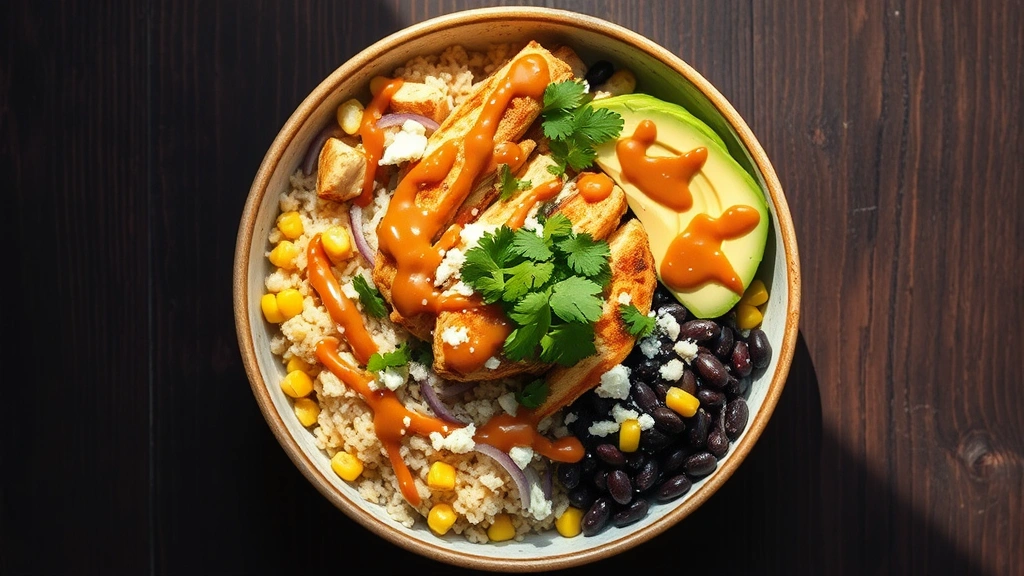
Chipotle Bowl Recipe: Chef-Approved Flavor Guide
Creating an authentic chipotle bowl at home rivals any restaurant experience when you understand the essential components and flavor balance. This guide walks you through building a restaurant-quality chipotle bowl that delivers the smoky, spicy depth you crave. Whether you’re meal prepping for the week or impressing dinner guests, mastering this dish opens doors to endless customization while maintaining that signature chipotle character.
The beauty of a chipotle bowl lies in its versatility combined with bold, cohesive flavors. Unlike generic grain bowls, a true chipotle creation demands attention to sauce preparation, protein selection, and ingredient layering. Professional chefs understand that the foundation starts with quality chipotle peppers in adobo sauce, which provide the smoky backbone that makes every element sing together.
Understanding Chipotle Peppers and Their Flavor Profile
Chipotle peppers are jalapeños that have been smoke-dried, creating a complex flavor profile that combines heat with deep smokiness. When packed in adobo sauce—a tomato-based blend with vinegar and spices—they become an incredibly versatile ingredient for building bold flavors. The Scoville heat units range from 2,500 to 8,000, making them moderately spicy without overwhelming most palates.
The smoking process that creates chipotles develops flavor compounds that standard dried peppers simply cannot match. This is why using authentic canned chipotle peppers in adobo sauce makes such a dramatic difference compared to dried chipotle powder. Professional chefs recognize that one or two whole chipotles can transform an entire sauce, while the adobo liquid itself carries significant flavor-building potential.
Understanding heat tolerance matters when crafting your sauce. Unlike cayenne or habanero peppers that deliver sharp heat, chipotles provide a lingering warmth that builds gradually. This characteristic makes them perfect for bowls because the heat complements rather than overwhelms other ingredients. Start with one chipotle per cup of base sauce, then adjust based on your preference during your second preparation.
Essential Ingredients for Your Bowl
A complete chipotle bowl requires thoughtful ingredient selection across multiple categories. Your base grain, protein, vegetables, and sauce must work in harmony to create a cohesive dish. Here’s what every successful bowl needs:
- Grain base: Brown rice, cilantro-lime rice, or quinoa provide neutral foundations that let chipotle flavors dominate
- Protein options: Grilled chicken, seasoned ground beef, carnitas, or black beans for vegetarian preparations
- Fresh vegetables: Corn, bell peppers, red onion, avocado, and lettuce add texture and brightness
- Chipotle sauce: Made from canned chipotles, mayo, lime juice, and garlic for creamy richness
- Finishing elements: Cotija cheese, cilantro, lime wedges, and crispy tortilla strips for final texture
- Optional additions: Roasted sweet potato, black beans, pico de gallo, or sour cream
When selecting canned chipotles, look for those packed in adobo sauce rather than dry-packed varieties. The sauce itself contains valuable flavor compounds that contribute to your final dish. A standard can (3.5 ounces) contains approximately 4-5 whole peppers and lasts through multiple bowl preparations.
Your grain choice significantly impacts the final flavor balance. Cilantro-lime rice complements chipotle beautifully, while plain brown rice allows the sauce to shine. If using store-bought cilantro-lime rice, reduce added salt in your sauce since many commercial versions are heavily seasoned.
Preparing the Chipotle Sauce Base
The sauce separates exceptional chipotle bowls from mediocre ones. This is where you can reference our comprehensive guide on how to make homemade sauces for advanced sauce-building techniques. However, the chipotle sauce requires a specific approach that balances smokiness with creaminess.
Simple Chipotle Sauce Recipe (Makes approximately 1 cup):
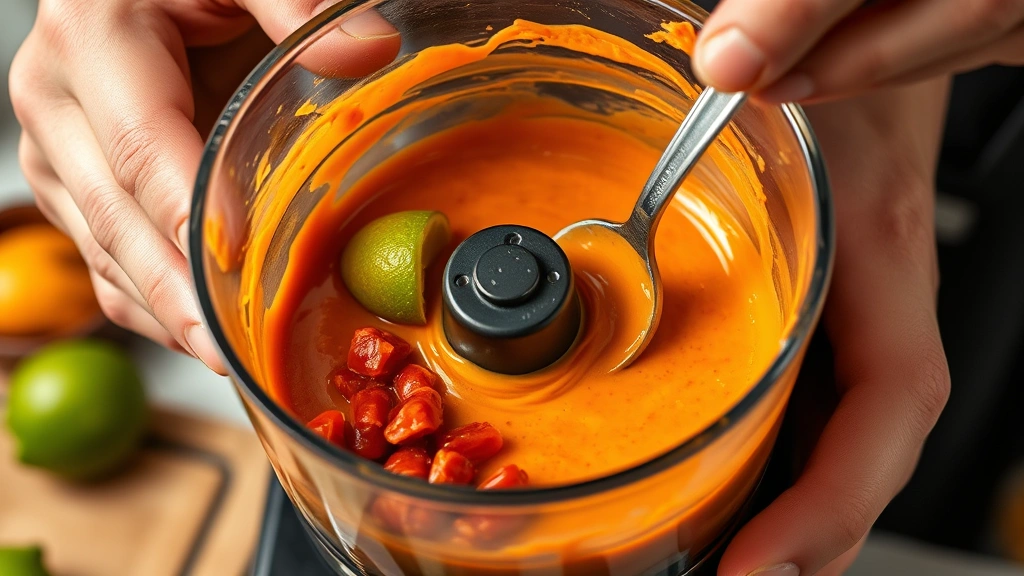
- Combine 2-3 canned chipotle peppers in adobo sauce with ¾ cup mayonnaise in a food processor
- Add 2 tablespoons lime juice, 1 minced garlic clove, and ½ teaspoon cumin
- Include ¼ teaspoon salt and ⅛ teaspoon black pepper
- Pulse until smooth, approximately 30-45 seconds, avoiding over-mixing
- Transfer to a bowl and taste for heat level, adding more peppers if desired
- Let sit for 15 minutes before serving to allow flavors to meld
The texture should be pourable but thick enough to coat vegetables and grains. If your sauce becomes too thin, add more mayo in small increments. If too thick, thin with lime juice or water, one teaspoon at a time. This sauce keeps refrigerated for up to one week, making it perfect for batch cooking.
For a lighter version, substitute Greek yogurt for half the mayonnaise. This reduces calories while maintaining creaminess, though the flavor becomes slightly less rich. Some chefs add a tablespoon of honey to balance the heat and smokiness, which works particularly well if you’re sensitive to spice.
The adobo sauce from the can shouldn’t be discarded—strain it from the peppers and reserve it separately. You can add a teaspoon to your sauce for extra depth without increasing heat significantly. This demonstrates how professional chefs maximize every ingredient component.
Selecting and Cooking Your Protein
Protein selection defines your bowl’s character and nutritional profile. Different proteins pair uniquely with chipotle flavoring, so consider your preference and dietary goals. Grilled chicken remains the most popular choice because its mild flavor allows the chipotle sauce to dominate without competition.
Grilled Chicken Preparation:
- Season two 8-ounce chicken breasts with salt, pepper, and light cumin dusting
- Heat a cast-iron skillet or grill to medium-high temperature (approximately 400°F)
- Cook 6-7 minutes per side until internal temperature reaches 165°F
- Rest for 5 minutes before slicing into strips
- Slice against the grain for maximum tenderness
For ground beef options, brown 1 pound of 85/15 lean ground beef with diced onion and garlic, then season with cumin, chili powder, and a pinch of cayenne. The spice blend in the meat complements rather than competes with your chipotle sauce. If you prefer slow-cooked options, our brisket recipe oven guide demonstrates low-and-slow cooking techniques that work beautifully for carnitas-style preparations.
Vegetarian preparations benefit from seasoned black beans or crispy tofu. For black beans, sauté canned beans with garlic, cumin, and a touch of the chipotle adobo sauce for 10 minutes until flavors combine. Tofu should be pressed, cubed, and pan-fried until golden before tossing with your chipotle sauce.
The protein-to-bowl ratio matters significantly. Professional chefs aim for approximately 4-5 ounces of cooked protein per bowl, allowing other ingredients to maintain presence without becoming side notes. This proportion ensures satisfying protein intake while preserving the balanced flavor profile.
Building Your Bowl: Layer by Layer
Bowl construction isn’t arbitrary—the layering order affects both flavor distribution and eating experience. Start with your grain base, creating an even layer across the bottom of your serving vessel. This foundation absorbs sauce and flavor while providing structural support for remaining ingredients.
Optimal Layering Sequence:
- Grain base: Approximately 1 cup cooked rice or quinoa
- Warm protein: Place while still warm to gently heat adjacent vegetables
- Roasted vegetables: Any warm components go here
- Fresh vegetables: Raw elements like lettuce, corn, and bell peppers
- Creamy elements: Avocado slices positioned just before serving
- Cheese and herbs: Cotija cheese and fresh cilantro
- Sauce: Drizzle chipotle sauce just before eating to maintain texture contrast
This sequence ensures that warm and cold elements maintain their intended temperatures while flavors remain distinct until you mix them during eating. Avoid combining everything before serving, as this creates a homogeneous texture that diminishes the dish’s appeal.
Temperature management matters more than most home cooks realize. Professional kitchens warm bowls briefly under running hot water before assembly, which keeps grains and proteins at optimal serving temperature. This small step dramatically improves the eating experience, particularly if your kitchen is cool or you’re eating after several minutes of assembly.
Toppings and Flavor Combinations
Toppings transform a basic bowl into a memorable dish by adding textural contrast and flavor dimension. While your chipotle sauce provides the bold foundation, toppings should complement rather than compete with that flavor profile.
Essential Toppings:
- Cotija cheese: Crumbled fresh Mexican cheese adds salty, tangy notes that balance chipotle heat
- Fresh cilantro: Herbaceous brightness cuts through rich sauce and grounds the flavor profile
- Lime wedges: Acidic squeeze at eating time brightens every component
- Crispy tortilla strips: Fried corn tortillas add essential textural contrast
- Sliced avocado: Creamy richness balances heat and smokiness
- Pico de gallo: Fresh tomato salsa adds brightness without additional heat
Consider creating a topping station if serving multiple people. This allows guests to customize their bowls while you maintain control over core components. Many restaurants and catering professionals use this approach because it accommodates various heat tolerances and dietary preferences seamlessly.
For advanced sauce options, you might prepare a complementary horseradish sauce recipe as a side element, though this works better for meat-heavy bowls rather than standard chipotle preparations. Some chefs also incorporate sour cream drizzled over top, which provides cooling contrast to the chipotle heat.
Roasted vegetables deserve special attention as toppings. Charred corn kernels, roasted bell peppers, or blackened onions add smoky depth that echoes your chipotle sauce without duplicating it. Roast these components separately at 425°F for 12-15 minutes until they develop caramelization and light char.
Meal Prep Strategies
Chipotle bowls excel as meal prep components because most elements prepare separately and assemble quickly. Properly stored components maintain quality for 4-5 days, making this ideal for weekly lunch planning. The key involves understanding which components stay fresh longest and which require last-minute assembly.
Component Prep Timeline:
- Day 1 (Prep day): Cook grains, prepare sauce, cook protein, chop vegetables needing extended storage
- Day 2-4 (Assembly days): Slice avocado, add fresh herbs, drizzle sauce immediately before eating
- Storage consideration: Keep sauce and fresh vegetables in separate containers until assembly
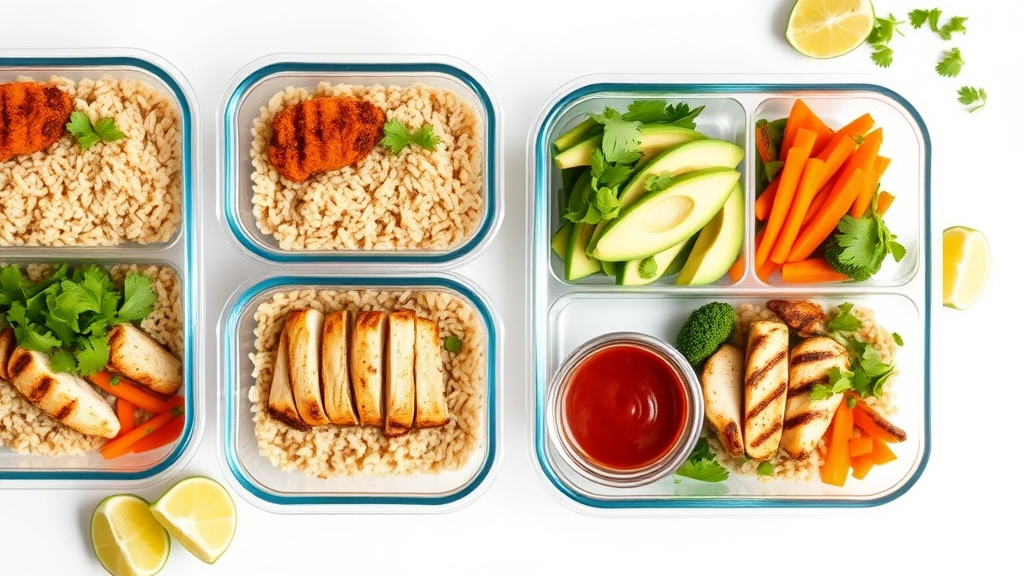
Store chipotle sauce in an airtight glass container where it maintains quality for seven days. The adobo peppers’ acidity preserves the sauce better than most creamy preparations. Cooked grains should be stored in separate containers from wet components to prevent sogginess. Many professionals use compartmentalized containers with divided sections specifically for this purpose.
For protein storage, keep cooked chicken or ground beef in dedicated containers, allowing you to portion as needed throughout the week. This flexibility lets you adjust serving sizes based on daily appetite without waste. If freezing components, note that avocado doesn’t freeze well, so plan to add this fresh on assembly days.
Temperature management during meal prep matters significantly. Allow all cooked components to cool completely before refrigerating, which prevents condensation and maintains food safety. Store everything at or below 40°F and consume within the recommended timeframe for food safety.
Consider batch-cooking multiple proteins using different seasonings. While your chipotle sauce remains constant, varying proteins throughout the week—grilled chicken Monday-Wednesday, seasoned ground beef Thursday-Friday—maintains interest without additional sauce preparation. This professional technique maximizes meal prep efficiency while preventing palate fatigue.
FAQ
Can I make chipotle bowls ahead of time?
Yes, but with caveats. Assemble bowls no more than 2-3 hours before eating, keeping sauce separate until the final moments before consumption. This prevents grains from becoming soggy while maintaining fresh vegetable texture. For true meal prep, store components separately and assemble individual bowls as needed throughout your week.
What’s the best substitute for canned chipotle peppers?
Dried chipotle powder works in a pinch, though the flavor differs significantly. Use ½ teaspoon powder per whole pepper called for in recipes. For best results, rehydrate dried chipotles in hot water for 15 minutes before blending into sauce. Fresh jalapeños smoked at home can replicate the flavor profile, though this requires specialized equipment most home cooks lack.
How spicy is a chipotle bowl?
The heat level depends entirely on your sauce preparation. A standard sauce with one chipotle pepper per cup of mayo registers as mild-to-medium heat on the Scoville scale. Most people without spice sensitivity find it approachable, though those sensitive to heat should start with half a pepper and adjust upward. The heat builds gradually rather than hitting immediately, which many prefer to sharp pepper varieties.
Can I use a different base grain?
Absolutely. Cilantro-lime rice remains traditional, but white rice, farro, couscous, or even roasted cauliflower rice work beautifully. Choose bases that complement rather than compete with chipotle flavoring. Quinoa offers higher protein content if building particularly protein-forward bowls. Some chefs even use crispy polenta as a textural alternative that pairs wonderfully with the sauce.
What proteins pair best with chipotle?
Chicken, beef, and pork shine with chipotle preparation. Fish works well too—grilled mahi-mahi or blackened salmon both benefit from the smoky sauce. Vegetarian options like seasoned black beans, crispy tofu, or roasted chickpeas perform excellently for plant-based preparations. The key involves selecting proteins that allow the chipotle character to dominate without flavor competition.
How do I prevent my bowl from becoming soggy?
Keep sauce separate until the moment before eating. Store cooked grains in dedicated containers away from wet components. If preparing ahead, assemble dry components first, then add avocado and sauce immediately before consumption. This professional approach maintains textural contrast that makes chipotle bowls so appealing.


