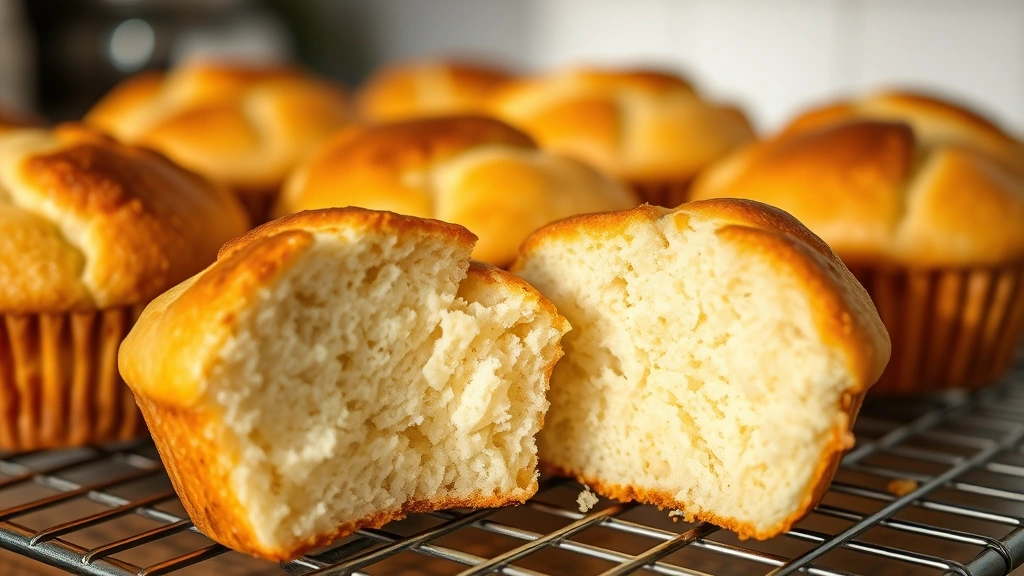
Cloud Bread Recipe? Dietitian Approved
Cloud bread has taken the internet by storm, and for good reason. This ethereal, pillowy creation seems almost too good to be true—a bread that’s practically carb-free, requires just a handful of ingredients, and tastes surprisingly satisfying. Whether you’re following a keto diet, managing blood sugar levels, or simply looking for innovative ways to enjoy bread without the traditional guilt, cloud bread might just be your answer. As a dietitian-approved option, it checks multiple nutritional boxes while delivering genuine flavor and texture that keeps people coming back for more.
The beauty of cloud bread lies in its simplicity and versatility. Made primarily from eggs and cream cheese (with optional flavorings), this recipe transforms basic pantry staples into something that feels indulgent and special. Unlike many low-carb bread alternatives that disappoint with dense, crumbly textures, cloud bread achieves an almost supernatural lightness—hence the name. It’s the kind of recipe that works equally well as a breakfast treat, a sandwich base, or even a dessert component when flavored appropriately.

What Is Cloud Bread?
Cloud bread is a modern low-carb bread alternative that emerged from the keto community but has since gained mainstream popularity. At its core, it’s a soufflé-like creation made by whipping egg whites into stiff peaks and folding them with a cream cheese base, creating an incredibly light crumb structure. The result is something that feels and tastes remarkably like traditional bread despite containing virtually no flour or sugar.
The magic happens through the science of egg white foaming. When you whip egg whites, you’re incorporating air bubbles that get stabilized by proteins, creating the structure that gives cloud bread its signature texture. This same principle is used in homemade bread baking, though cloud bread takes it to an extreme with a much higher ratio of air to solid ingredients.
What makes cloud bread particularly appealing is its macronutrient profile. A typical slice contains approximately 1-2 grams of carbohydrates, 4-5 grams of protein, and 3-4 grams of fat, making it exceptionally suited to ketogenic and low-carb diets. The cream cheese contributes a subtle tang and richness that prevents the bread from tasting egg-heavy, a common complaint with other egg-based bread alternatives.
Nutritional Benefits & Dietitian Insights
From a nutritional standpoint, cloud bread offers several advantages that explain its dietitian approval. The ultra-low carbohydrate content makes it particularly valuable for individuals managing type 2 diabetes or prediabetes, as it doesn’t cause significant blood sugar spikes. Each serving delivers a meaningful amount of protein from eggs, which promotes satiety and helps maintain muscle mass during weight loss.
The inclusion of cream cheese provides fat-soluble vitamins and adds nutritional completeness. Eggs themselves are nutritional powerhouses, containing choline (essential for brain health), lutein and zeaxanthin (beneficial for eye health), and complete proteins with all nine essential amino acids. When dietitians recommend cloud bread, they’re endorsing a food that combines nutrient density with practical carbohydrate reduction.
However, dietitians also note important considerations. Cloud bread shouldn’t completely replace traditional whole grains, which provide fiber, B vitamins, and minerals that cloud bread lacks. Instead, think of it as a strategic substitution for specific meals or occasions. The eggs used should ideally be from pastured or high-quality sources for optimal nutrient profiles. Additionally, portion control remains important—while cloud bread is low in calories, it’s not a “free food” that can be consumed in unlimited quantities.
For individuals following specific diets, cloud bread offers flexibility. It’s naturally gluten-free, making it suitable for celiac disease or gluten sensitivity. It’s dairy-based but can be modified with dairy-free cream cheese alternatives for those with lactose intolerance. The recipe adapts well to various dietary frameworks, from keto to paleo to low-carb Mediterranean approaches.
Basic Cloud Bread Recipe
Ingredients:
- 3 large eggs, separated
- 3 ounces cream cheese, softened to room temperature
- ½ teaspoon vanilla extract
- ¼ teaspoon salt
- ¼ teaspoon cream of tartar (optional but recommended)
- 1 tablespoon powdered sweetener (optional, for subtle sweetness)
Equipment needed:
- Stand mixer or hand mixer with whisk attachment
- Separate bowls for yolks and whites
- Muffin tin or small baking sheet lined with parchment
- Rubber spatula for folding
This basic recipe yields approximately 6-8 cloud bread “muffins” or one larger cloud bread loaf, depending on your baking vessel and portion preferences. The recipe is intentionally simple, allowing the quality of your ingredients to shine through while providing a perfect foundation for creative variations.
Step-by-Step Instructions
Preparation Phase: Begin by preheating your oven to 300°F (150°C). This lower temperature is crucial—it allows the cloud bread to cook through gently without browning too quickly on the outside before the inside sets. Line your baking vessel with parchment paper, creating a non-stick surface that prevents sticking and allows for easy removal. Allow your cream cheese to sit at room temperature for at least 30 minutes. Cold cream cheese will create lumps that won’t incorporate smoothly, resulting in an uneven texture.
Creating the Base: Separate your eggs carefully, ensuring absolutely no yolk gets into your whites—even a tiny amount of yolk will prevent proper whipping. Place the yolks in one bowl and whites in another. Add the softened cream cheese, egg yolks, vanilla extract, and salt to the yolk bowl. Using your mixer on medium speed, blend these ingredients until completely smooth and well-combined, approximately 1-2 minutes. The mixture should be homogeneous with no visible cream cheese streaks. This creates your flavor and fat base.
Whipping the Whites: Pour the egg whites into a clean, grease-free bowl. If you have cream of tartar available, add it now—it stabilizes the foam and helps achieve maximum volume. Begin beating on medium speed, gradually increasing to high speed. You’re aiming for stiff peaks, where the whites stand upright when you lift the beaters. This typically takes 3-5 minutes depending on your mixer’s power. Stiff peaks are essential—soft peaks will result in denser, less impressive cloud bread.
The Folding Technique: This is the most critical step. Add one-third of the whipped whites to your cream cheese mixture and fold gently using a rubber spatula. This initial addition can be more vigorous since you’re not risking deflating a fully aerated mass. Once partially combined, add the remaining whites in two additions, folding gently but thoroughly after each addition. Fold from the bottom of the bowl upward, rotating the bowl as you work. You want to preserve as much air as possible while ensuring even distribution of ingredients. The final mixture should be light, fluffy, and relatively uniform in color, though some streaks of white are acceptable.
Baking: Divide the batter evenly among your prepared muffin cups (filling each about three-quarters full) or spread into a prepared baking pan. Bake at 300°F for 20-30 minutes, depending on your oven and the size of your portions. The cloud bread is done when the tops are set and lightly golden, and a toothpick inserted into the center comes out clean. The tops should feel slightly firm but still springy to the touch. Overbaking will dry out the bread, so check at 20 minutes and then at 5-minute intervals.
Cooling: Allow cloud bread to cool in the pan for 5-10 minutes before carefully removing. It will be quite delicate when hot, so handle gently. Once removed, cool completely on a wire rack. This prevents condensation from making the bottoms soggy. The bread will firm up slightly as it cools, achieving its final texture.
Flavor Variations & Toppings
The beauty of cloud bread is its adaptability. The basic recipe serves as a blank canvas for numerous flavor profiles. For a cinnamon swirl version, add 1 teaspoon cinnamon and ½ teaspoon nutmeg to the yolk mixture. Before baking, sprinkle additional cinnamon on top of each muffin for a classic flavor combination. This pairs beautifully with homemade fruit preserves as a topping.
For chocolate cloud bread, blend 2 tablespoons unsweetened cocoa powder with the cream cheese mixture, adding an extra ½ teaspoon vanilla for depth. This creates a surprisingly decadent treat that satisfies chocolate cravings without excessive carbohydrates. You can dust the tops with cocoa powder before baking for visual appeal.
Savory variations open up entirely different applications. Add 1 teaspoon Italian seasoning, ½ teaspoon garlic powder, and 2 tablespoons grated Parmesan cheese to the yolk mixture for an herb and cheese version. This works wonderfully as a sandwich base or alongside homemade pasta sauce. A lemon poppy seed version combines 1 tablespoon lemon zest and 1 tablespoon poppy seeds with the basic recipe, creating a bright, sophisticated flavor.
Topping suggestions extend cloud bread’s versatility further. For breakfast, top with almond butter and berries, or a small drizzle of honey. For lunch sandwiches, cloud bread provides a sturdy yet light base for proteins and homemade salad dressings. Savory versions pair excellently with healthy chicken recipes and roasted vegetables. Even plain cloud bread, lightly toasted with a touch of butter, makes a satisfying snack.
Troubleshooting Common Issues
Dense, Heavy Cloud Bread: The most common issue stems from deflated egg whites. Ensure your bowl and beaters are completely grease-free (even a tiny amount prevents proper whipping), and don’t overbeat whites past stiff peaks. Also verify you’re using room-temperature cream cheese—cold cream cheese requires more aggressive mixing that deflates whites. Additionally, folding too vigorously destroys the air structure.
Flat, Pancake-Like Results: If your cloud bread spreads rather than rises, your egg whites likely weren’t whipped to proper stiff peaks. The mixture should be very voluminous and light. Also check that your oven temperature is accurate using an oven thermometer—too hot causes the outside to set before the inside rises, while too cold prevents proper rising throughout.
Eggy Taste: While cloud bread inherently has an egg component, an overwhelming eggy flavor suggests too many eggs relative to flavoring. Increase vanilla extract to 1 teaspoon, or add another flavoring component like almond extract (¼ teaspoon) or lemon zest (1 tablespoon). Ensure cream cheese is fully incorporated into the yolk mixture, as lumps of cream cheese can create uneven flavor distribution.
Soggy Bottom: This typically results from condensation trapping moisture. Ensure cloud bread cools completely on a wire rack rather than in the pan. If you’re storing it, ensure it’s completely cool and dry before sealing in containers. You can revive slightly soggy cloud bread by toasting it lightly.
Overly Brown Exterior: Lower your oven temperature or reduce baking time. 300°F is already quite low, but some ovens run hot. Use an oven thermometer to verify actual temperature. If browning continues, cover loosely with foil partway through baking.
Storage & Make-Ahead Tips
Cloud bread stores remarkably well, making it an excellent meal-prep option. Room temperature storage works for up to 2 days in an airtight container. The bread will firm up slightly and become more sandwich-friendly as it sits. Refrigeration extends shelf life to 5-7 days. Place cloud bread in an airtight container or sealed bag, separating layers with parchment paper to prevent sticking.
Freezing is your best option for longer storage. Wrap individual pieces in plastic wrap, then place in a freezer bag, removing as much air as possible. Cloud bread freezes beautifully for up to 3 months without significant quality loss. Thaw at room temperature for 30-60 minutes, or toast directly from frozen for a few minutes to restore optimal texture.
For meal planning, consider baking a double batch on weekends. Portion into your preferred serving sizes and freeze immediately. This provides grab-and-go options throughout the week. Toasting frozen cloud bread actually improves texture by evaporating any accumulated moisture, creating a slightly crispier exterior while maintaining the light interior.
You can also prepare the egg white mixture the evening before, storing it in the refrigerator in an airtight container. However, the whipped whites will deflate slightly overnight. Rewhip briefly before folding in the cream cheese mixture and baking. The yolk mixture can be prepared ahead and refrigerated separately for up to 2 days.
Pairing Ideas with Other Recipes
Cloud bread’s neutral, slightly tangy flavor makes it an exceptional companion to numerous recipes. For breakfast applications, pair it with vintage grandma recipes like scrambled eggs with herbs or smoked salmon with cream cheese and capers. The cloud bread’s delicate texture provides a sophisticated base for these preparations.
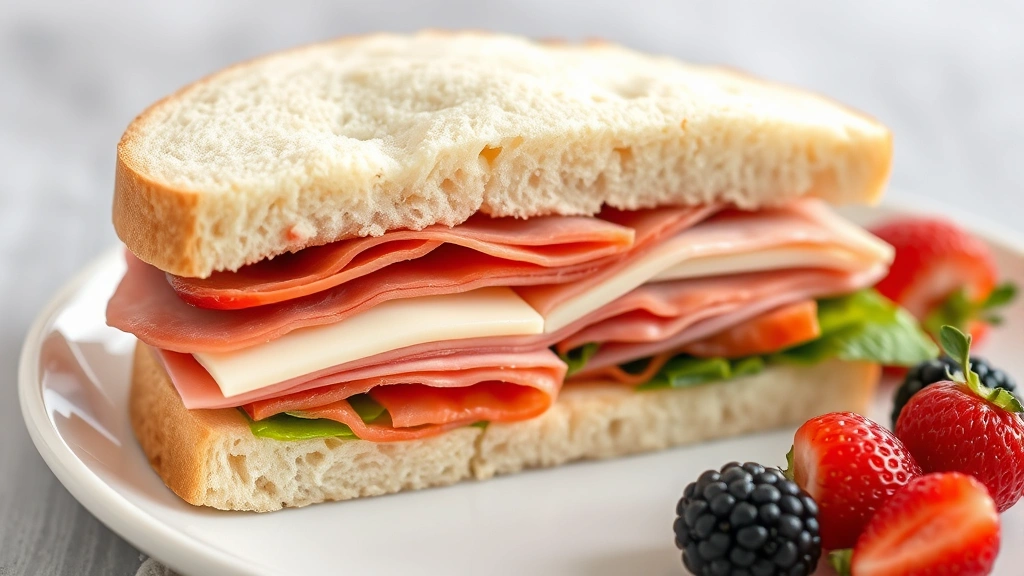
For lunch sandwiches, cloud bread accommodates virtually any filling. Layer with deli meats, cheese, and vegetables for a substantial meal without excessive carbohydrates. The bread’s slight sweetness (especially in the basic recipe) balances savory fillings beautifully. For lighter options, spread with almond butter and top with sliced vegetables or fresh berries.
Dinner applications include using cloud bread as a vehicle for homemade pasta sauce, creating open-faced sandwiches with roasted vegetables and protein, or serving alongside soups and stews. The bread absorbs sauce without becoming soggy, thanks to its dense structure relative to its weight.
Dessert applications surprise many people. Cloud bread with a light dusting of cinnamon and a touch of honey satisfies sweet cravings. Alternatively, top with whipped cream and fresh berries for an elegant, low-carb dessert. The chocolate variation mentioned earlier works wonderfully with sugar-free chocolate spreads or nut butters.
FAQ
Can I make cloud bread without cream cheese?
While cream cheese is traditional and contributes important flavor and texture, you can substitute with full-fat Greek yogurt (use 3 ounces) or mascarpone cheese. The texture will be slightly different—potentially less fluffy—but still acceptable. Dairy-free cream cheese works for those avoiding dairy, though some products produce less impressive results than others. Test with a small batch first.
Why does my cloud bread taste too eggy?
An overwhelming egg flavor typically indicates insufficient flavoring or improper incorporation of cream cheese. Increase vanilla extract, add almond extract, or incorporate citrus zest. Ensure your cream cheese mixture is completely smooth before folding in whites, as lumps create uneven flavor distribution. Also verify you’re using fresh, high-quality eggs—older eggs have more pronounced flavors.
Is cloud bread suitable for people with egg allergies?
Unfortunately, no. Eggs are the structural foundation of cloud bread—they provide the protein structure that creates the characteristic lightness. There’s no effective egg-free substitute that produces comparable results. Individuals with egg allergies should explore other low-carb bread alternatives like almond flour-based options.
Can I double the recipe?
Yes, doubling works well. Simply multiply all ingredients by two and use a larger baking vessel or divide between two pans. Increase baking time slightly—check at 25 minutes and bake until the centers are set. Don’t attempt to triple or quadruple in a single batch, as the volume becomes difficult to handle and whip properly.
What oven temperature is best?
300°F is the standard recommendation because it allows gentle, even cooking without excessive browning. Some sources suggest 325°F for faster baking (reduce time to 15-25 minutes), but this risks overbrowning. Use an oven thermometer to verify accuracy, as many home ovens run 25+ degrees off from their settings.
Can cloud bread be made in a bread loaf pan?
Absolutely. Spread the batter evenly in a parchment-lined loaf pan and bake at 300°F for 25-35 minutes, depending on your oven. The result will be a larger loaf that can be sliced into portions. Cooling time increases slightly due to larger mass, so ensure it cools completely before slicing to prevent compression.
How do I know when cloud bread is done baking?
The top should be set and lightly golden, and a toothpick inserted in the center should come out clean. The bread should feel slightly firm on top but still springy to the touch. Overbaking dries it out noticeably, so start checking at 20 minutes and proceed in 5-minute intervals.
Is cloud bread appropriate for diabetic diets?
Yes, cloud bread is excellent for diabetes management due to its minimal carbohydrate content (1-2 grams per serving) and meaningful protein (4-5 grams per serving). However, individual responses vary, so monitor blood sugar if newly incorporating cloud bread into your diet. As with any food, portion control remains important.


