Colossal Onion Recipe: Chef’s Secret Method for Maximum Flavor
Onions are the backbone of countless cuisines, yet most home cooks never unlock their true potential. A colossal onion—whether roasted whole, caramelized to perfection, or transformed into a showstopping dish—represents the pinnacle of onion cookery. Professional chefs understand that treating onions as a star ingredient rather than a supporting player elevates any meal from ordinary to extraordinary. This comprehensive guide reveals the techniques, timing, and tricks that separate restaurant-quality onion dishes from mediocre attempts.
The secret to exceptional onion dishes lies in understanding the vegetable’s chemistry. When onions are cooked slowly, their natural sugars caramelize, creating a complex sweetness that deepens with time. The sulfur compounds that make raw onions pungent transform into savory, umami-rich flavors. By mastering these transformations, you’ll create dishes that leave your guests asking for the recipe.
Selecting and Preparing Your Colossal Onions
The foundation of any exceptional onion dish begins with ingredient selection. Colossal onions typically weigh between 1 to 2 pounds each and measure 4-5 inches in diameter. Yellow onions are the chef’s choice for their balanced sugar content and complex flavor development during cooking. Vidalia onions offer sweetness but lack the depth needed for caramelization. Spanish onions work beautifully for roasting, while red onions provide visual drama and slightly different flavor notes.
When shopping, select onions with papery, unblemished skin and no soft spots. The onion should feel heavy for its size, indicating good moisture content. Store them in a cool, dry place with proper air circulation—never in plastic bags, which trap moisture and encourage rot. At room temperature, properly stored onions last 4-6 weeks.
Preparation technique matters significantly. For caramelizing, slice onions lengthwise through the root, then cut into half-moons roughly ¼-inch thick. Uniform thickness ensures even cooking. For roasting whole, trim the root end minimally—you want the layers to remain intact. Cut off the papery top third of the onion and set aside. This creates a natural vessel for butter, herbs, and seasonings.
The Classic Caramelized Onion Method
Caramelized onions represent the chef’s secret weapon. This technique transforms humble onions into liquid gold that elevates soups, burgers, pizzas, and sandwiches. Unlike quick-cooked onions, true caramelization requires patience and proper technique.
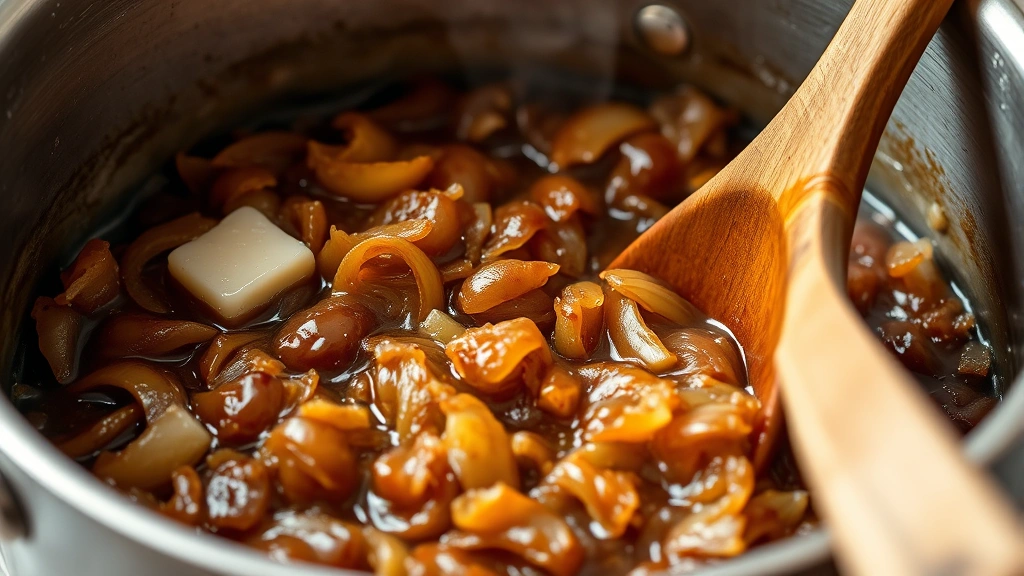
The Low-and-Slow Approach: Begin with 4-5 colossal onions, sliced as described above. You’ll need a heavy-bottomed pot or Dutch oven—stainless steel or cast iron works best. Light a medium flame and add 3 tablespoons of butter or olive oil. The fat should coat the entire bottom of your pot.
Add your sliced onions and stir to coat completely. Here’s where patience becomes essential: resist the urge to increase heat. Medium heat allows water to evaporate gradually while sugars caramelize slowly. Stir every 5-7 minutes initially to prevent sticking. After 15 minutes, the onions will release their moisture and appear wet—this is normal and necessary.
Continue cooking for 30-40 minutes total, stirring occasionally. Around the 25-minute mark, the moisture will have largely evaporated and the onions will begin browning. Add ½ teaspoon of salt, which helps draw out remaining liquid and seasons the onions. If they stick to the bottom, add 2 tablespoons of water and scrape with a wooden spoon.
At the 40-minute mark, your onions should be deep golden brown with a jam-like consistency. For even more intense flavor, continue cooking another 10-15 minutes until they’re a rich mahogany color. Add 1 tablespoon of balsamic vinegar and ½ teaspoon of sugar to deepen the flavor complexity. Cook for 2 more minutes, stirring constantly.
Use caramelized onions as a topping for sourdough focaccia, mixed into compound butter, or as a base for French onion soup. A single batch yields enough for multiple meals.
Roasted Whole Onions with Herbs
This method creates a visually stunning presentation worthy of fine dining. Whole roasted onions develop a sweet, mellow flavor while maintaining their structure.
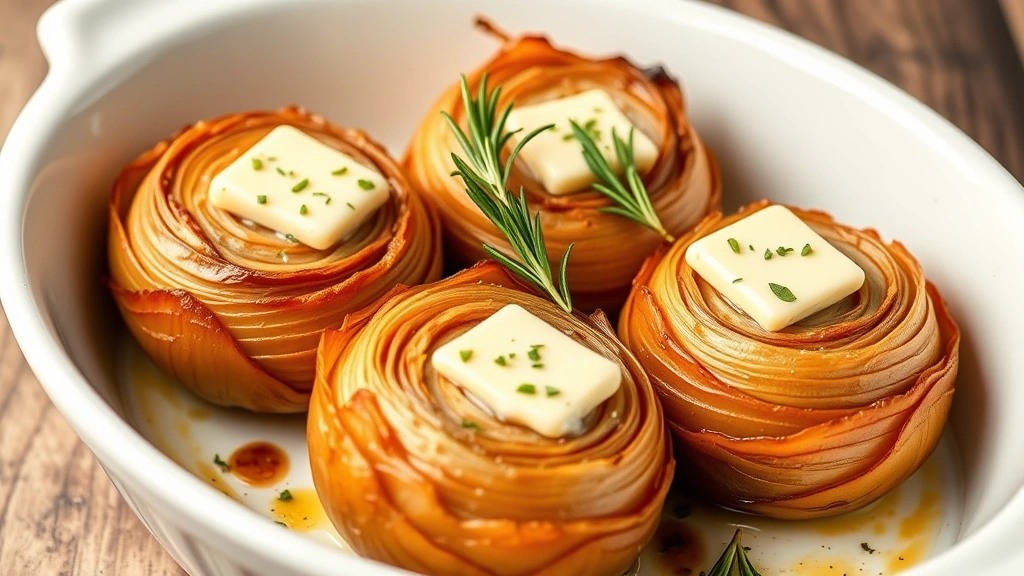
Preparation: Preheat your oven to 400°F. Take 2-3 colossal onions and remove the papery outer skin. Trim the root end but leave enough to hold the onion together. Cut off the top quarter of the onion and reserve. Brush the exposed flesh with olive oil and season generously with salt and pepper.
Aromatics and Seasonings: Create a compound butter by mixing softened butter with minced fresh thyme, rosemary, and garlic. Place a spoonful of this mixture in the center cavity of each onion, along with a bay leaf or sprig of fresh herbs. Replace the top of the onion like a hat.
Wrap each onion loosely in parchment paper or foil, leaving the top exposed. Place on a baking sheet and roast for 45-55 minutes, depending on onion size. The onion is done when a fork easily pierces the flesh and the layers have softened considerably.
Unwrap carefully—steam will be hot—and place on serving plates. The onion can be eaten layer by layer, with each layer revealing increasingly tender, sweet flesh. Serve alongside chicken and biscuits or as an elegant vegetable side dish.
Stuffed Colossal Onions
Stuffed onions represent the ultimate transformation of this ingredient, creating a complete main course that’s both impressive and delicious.
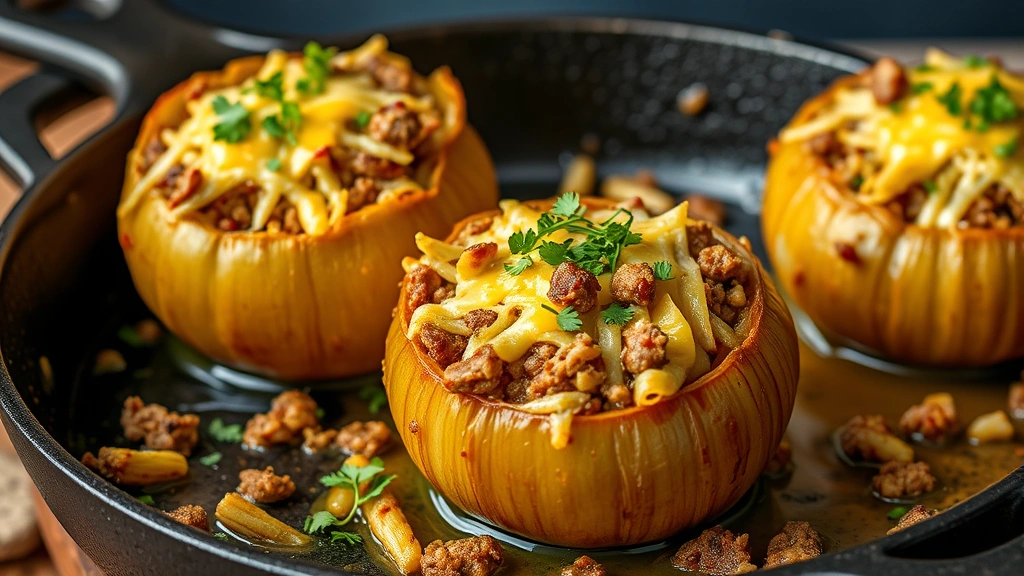
Creating Onion Vessels: Select 4 colossal onions and cut them in half horizontally. Scoop out the centers carefully, leaving a ½-inch shell. Chop the scooped-out onion flesh into small pieces—you’ll use this in your filling.
Building the Filling: Sauté your chopped onion flesh in butter until softened, about 5 minutes. Add 8 ounces of ground beef or Italian sausage and brown thoroughly. Incorporate 1 cup of cooked rice, ½ cup of grated Parmesan cheese, 2 minced garlic cloves, 1 teaspoon of dried oregano, and salt and pepper to taste. Cook for 3 minutes to blend flavors.
Divide the filling among your onion halves, mounding slightly. Place in a buttered baking dish and add ½ cup of beef or vegetable broth to the bottom. Cover with foil and bake at 375°F for 35-40 minutes. Remove foil, top with additional cheese, and bake uncovered for 10 minutes until golden.
These stuffed onions pair beautifully with healthy crockpot recipes for meal planning, or serve as a standalone dinner with a simple salad.
Creamed Onion Elegance
Creamed onions elevate the vegetable to refined sophistication, perfect for holiday tables or upscale dinners.
The Process: Slice 4-5 colossal onions into thin rings. Bring a large pot of salted water to boil and blanch the onions for 3 minutes—this mellows their sharpness. Drain thoroughly and set aside.
In a heavy saucepan, melt 3 tablespoons of butter over medium heat. Whisk in 3 tablespoons of all-purpose flour to create a roux. Cook, stirring constantly, for 2 minutes until golden and fragrant. Gradually whisk in 2 cups of whole milk, stirring continuously to prevent lumps. Cook for 5-7 minutes until the sauce thickens enough to coat the back of a spoon.
Add the blanched onions, ½ cup of heavy cream, ½ teaspoon of nutmeg, and salt and pepper to taste. Simmer gently for 10 minutes, allowing flavors to meld. The dish should be creamy but not thick—adjust consistency with additional milk if needed.
Transfer to a buttered baking dish, top with panko breadcrumbs mixed with melted butter, and bake at 350°F for 15 minutes until golden. This pairs wonderfully with easy chicken casserole recipes for a complete comfort meal.
Pairing Your Onion Dishes
Understanding complementary flavors elevates your colossal onion recipes from good to exceptional. Caramelized onions pair beautifully with beef, supporting the natural umami of the meat. The sweetness of caramelized onions balances rich proteins like duck or pork.
Roasted whole onions work as elegant sides for any protein, particularly shredded chicken dishes where the onion’s sweetness complements the meat’s mild flavor. Creamed onions are traditional with turkey and work equally well with lamb.
Stuffed onions function as complete main courses and benefit from simple side dishes—a green salad with vinaigrette or roasted vegetables. Wine pairings depend on your filling: beef-filled onions pair with Cabernet Sauvignon, while lighter vegetable-based fillings work with Pinot Grigio.
Consider these dishes for best breakfast food recipes adaptations too—caramelized onions on toast with eggs create a sophisticated brunch dish.
Storage and Make-Ahead Tips
One of the greatest advantages of colossal onion dishes is their make-ahead potential. Caramelized onions store beautifully in the refrigerator for up to 5 days in an airtight container. Freeze them for up to 3 months—they’ll thaw and reheat perfectly for quick meals.
Roasted whole onions keep refrigerated for 3-4 days and reheat gently in a 300°F oven for 10-15 minutes. Stuffed onions can be assembled the day before cooking, covered, and refrigerated. Add 5 minutes to the cooking time if baking from cold.
Creamed onions store for 3-4 days refrigerated and reheat gently on the stovetop over low heat, stirring frequently and adding splash of milk if they’ve thickened too much. Don’t freeze creamed onions, as the sauce may separate upon thawing.
For meal planning, prepare caramelized onions in bulk on your day off. Portion into ice cube trays and freeze for easy additions to soups, sandwiches, and grain bowls throughout the week.
FAQ
How long does caramelization actually take?
True caramelization requires 40-50 minutes minimum, though some chefs extend this to 60-90 minutes for maximum depth. The time depends on onion moisture content and your specific stovetop. Never rush this process with high heat, as you’ll burn rather than caramelize the onions.
Can I use a slow cooker for caramelized onions?
Yes, slow cookers work beautifully for caramelizing onions. Cook on low for 8-10 hours, stirring every couple hours. The result is equally delicious with less active cooking time, though you’ll sacrifice some of the deep browning that stovetop cooking provides.
What’s the difference between yellow, Vidalia, and Spanish onions?
Yellow onions contain more sulfur compounds and develop deeper, more complex flavors during cooking. Vidalia onions are naturally sweeter but less flavorful when cooked. Spanish onions are larger and milder, ideal for roasting whole. For colossal onion recipes, yellow onions are the professional choice.
Why do my roasted onions turn mushy?
Overcooking or using onions that were already old causes mushiness. Ensure your onions are fresh and firm at purchase. Watch cooking time carefully—onions should be tender but maintain some structure. If roasting, check with a fork at 40 minutes rather than waiting the full 55.
Can I prepare stuffed onions ahead and freeze them?
Absolutely. Assemble stuffed onions, wrap individually in plastic wrap and foil, and freeze for up to 3 months. Bake from frozen, adding 15-20 minutes to the cooking time. This makes them perfect for meal prep.
What external resources help master onion cookery?
The Culinary School Central offers comprehensive guides to vegetable preparation techniques. Serious Eats provides scientific explanations of cooking processes including caramelization. Incredible Vegetables specializes in vegetable-forward cooking techniques. The KitchenAid cooking techniques guide offers equipment-specific advice for onion preparation. For advanced techniques, Modernist Cuisine explores the food science behind caramelization and flavor development.


