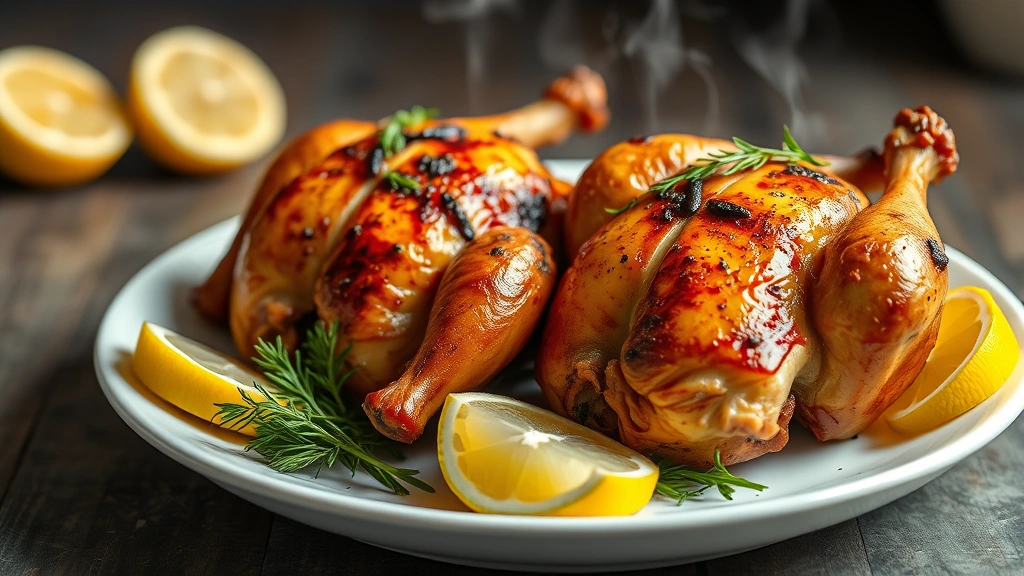
Cornish Game Hen Delight: Chef-Approved Recipe for Elegant Home Cooking
Cornish game hens represent the perfect marriage of elegance and practicality in the modern kitchen. These petite poultry birds, weighing between 1 to 2 pounds each, deliver restaurant-quality results without requiring advanced culinary expertise. Whether you’re planning an intimate dinner for two or hosting an impressive dinner party, mastering Cornish game hen recipes opens doors to sophisticated presentations that rival five-star establishments.
What makes these diminutive fowl so special? Their tender meat, delicate flavor profile, and individual portion sizes create an inherent elegance that larger chickens simply cannot replicate. A perfectly roasted Cornish game hen arrives at the table as its own complete presentation, impressing guests before a single bite is taken. The cooking time is remarkably efficient—typically 45 to 60 minutes—making weeknight entertaining entirely achievable.
This comprehensive guide walks you through everything from selection and preparation to advanced cooking techniques that will elevate your dinner table. We’ll explore flavor combinations, timing strategies, and professional tips that transform these humble birds into show-stopping centerpieces.
Selecting and Preparing Your Cornish Game Hens
The foundation of any exceptional dish begins with ingredient selection. When shopping for Cornish game hens, look for birds with unblemished skin, a golden hue, and firm texture. Fresh birds are superior to frozen options, though frozen specimens work admirably if thawed properly in refrigeration over 24 hours. Plan for one hen per person—their modest size ensures elegant plating while providing satisfying portions.
Pat your birds dry with paper towels before cooking; this crucial step ensures crispy, golden skin rather than steamed, pallid results. Remove giblets from the cavity and reserve them for stock-making. Allow your hens to rest at room temperature for 30 minutes before cooking—this promotes even heat distribution and more consistent results throughout the bird.
Trussing (tying the legs and wings close to the body) is optional but recommended. This technique promotes even cooking and creates a more compact, elegant presentation. Use kitchen twine and follow simple YouTube demonstrations if you’re unfamiliar with the technique. Your sous vide recipes background may help you appreciate precision cooking; Cornish hens reward meticulous attention to detail.
Season generously inside and outside. Don’t be timid—these birds benefit from bold flavoring. Salt penetrates deeply when applied well in advance; even 12 hours of dry-brining produces noticeably superior results. Freshly ground black pepper, paprika, and garlic powder create an excellent foundation for any preparation.
Classic Herb-Roasted Cornish Game Hen
Ingredients (serves 2):
- 2 Cornish game hens (1.5 pounds each)
- 4 tablespoons unsalted butter, softened
- 3 cloves garlic, minced
- 2 tablespoons fresh rosemary, finely chopped
- 1 tablespoon fresh thyme leaves
- 1 tablespoon fresh sage, finely chopped
- Zest of 1 lemon
- Sea salt and freshly ground black pepper
- 1 cup chicken stock
- ½ cup dry white wine
Instructions:
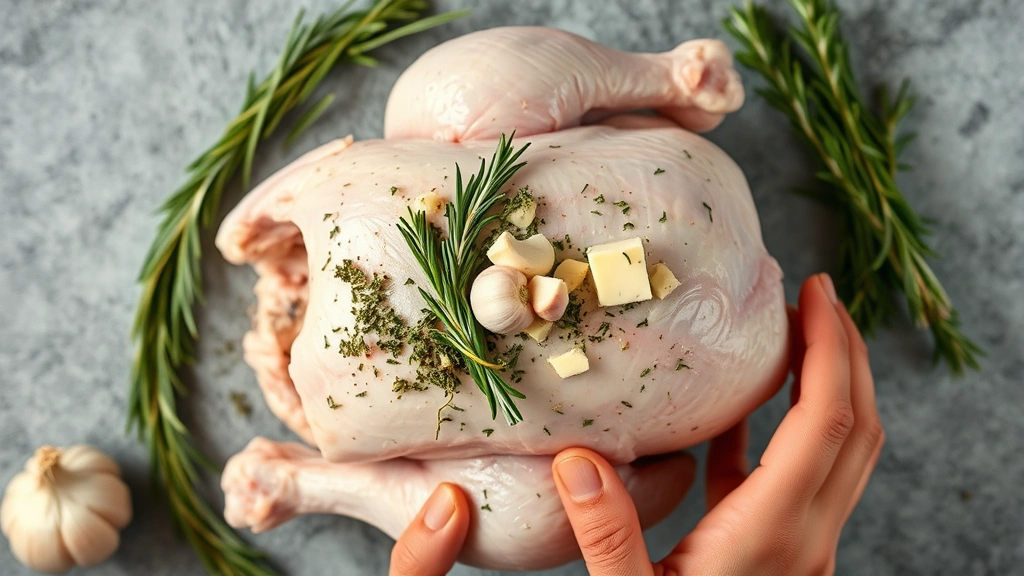
- Prepare the herb butter: Combine softened butter with minced garlic, rosemary, thyme, sage, and lemon zest. Mix thoroughly until well incorporated. This aromatic compound butter will infuse your birds with incredible flavor.
- Season the hens: Pat birds dry and season generously inside and out with salt and pepper. Gently separate the skin from the breast meat using your fingers, being careful not to tear the delicate skin. Spread approximately half the herb butter under the skin, distributing it evenly across the breast and thighs. Rub remaining butter over the exterior surface.
- Arrange for roasting: Preheat your oven to 450°F (230°C). Position hens breast-side up in a roasting pan. Stuff the cavity of each bird with lemon halves, rosemary sprigs, and thyme. Pour chicken stock and white wine into the bottom of the pan—this creates steam that keeps the meat moist while developing a flavorful pan sauce.
- Roast: Place in the preheated oven for 45 to 55 minutes, depending on bird size. The skin should turn deep golden brown. Test doneness by piercing the thigh with a fork—juices should run clear, and the internal temperature should reach 165°F (74°C) when measured with a meat thermometer at the thickest part of the thigh, not touching bone.
- Rest and finish: Remove from oven and allow birds to rest for 5 to 8 minutes. This resting period allows residual heat to distribute and carryover cooking to complete. Meanwhile, place the roasting pan over medium-high heat and reduce the pan juices by half, creating an intensely flavored sauce to drizzle over your finished dish.
This foundational technique serves as the springboard for countless variations. If you enjoy Mexican chicken recipes, you’ll appreciate how adaptable the base method truly is.
Flavor Variations and Marinades
Once you master the basic roasting technique, exploring flavor variations becomes thrilling. Cornish game hens accept virtually any flavor profile you can imagine, from Mediterranean to Asian-inspired preparations.
Mediterranean Variation: Replace the herb butter with a mixture of Dijon mustard, minced garlic, oregano, and crumbled feta cheese. Roast with kalamata olives, sun-dried tomatoes, and spinach in the pan. The result is bright, assertive, and utterly compelling.
Asian-Inspired Preparation: Create a glaze combining soy sauce, fresh ginger, sesame oil, and rice vinegar. Brush this mixture over the birds during the final 15 minutes of roasting. Serve with jasmine rice and steamed bok choy for an elegant presentation that rivals takeout restaurants.
Spiced Variations: Explore cumin, coriander, and smoked paprika for southwestern-inspired renditions. Consider pork adobo recipe flavor profiles—the warm spice combinations translate beautifully to poultry. Create a dry rub combining these spices with brown sugar and apply it generously before roasting.
Marinating Strategy: For deeper flavor penetration, marinate your prepared hens for 4 to 12 hours before roasting. Acidic marinades (incorporating lemon juice, vinegar, or wine) tenderize the meat while infusing flavor. Combine your chosen acid with oil, aromatics, and seasonings in a large zip-top bag. Submerge the birds completely and refrigerate, turning occasionally to ensure even exposure.
Citrus and Herb Marinade: Blend fresh lemon juice, lime juice, orange juice, olive oil, minced garlic, oregano, and crushed red pepper flakes. This bright, acidic marinade works beautifully with Cornish game hens and creates a naturally lighter preparation perfect for spring entertaining.
Advanced Cooking Methods
While roasting remains the gold standard, advanced cooking techniques offer exciting possibilities for cornish game hen recipes. Professional chefs employ various methods to achieve specific textural and flavor outcomes.
Spatchcocking Method: This technique involves removing the backbone and flattening the bird before cooking. Spatchcocked hens cook 15 to 20 percent faster than whole birds, with more surface area exposed to direct heat. This creates exceptionally crispy skin while maintaining tender, juicy meat. Using kitchen shears, cut along both sides of the backbone and discard it. Flip the bird over and press firmly on the breastbone to flatten. This method works beautifully under a broiler or on a grill.
Grilling Technique: Prepare your grill for two-zone cooking (direct and indirect heat). Spatchcock your hens and season generously. Start them skin-side up over indirect heat for 30 minutes, then move to direct heat to finish, skin-side down, for 8 to 10 minutes until skin achieves charred, crispy perfection. The resulting smoky flavor elevates the dish considerably.
Brining Before Cooking: Submerge your birds in a saltwater solution (1 cup salt per gallon of water) for 8 to 12 hours. This osmotic process distributes moisture and seasoning throughout the meat, resulting in extraordinarily juicy results. Pat birds dry thoroughly before cooking to ensure crispy skin development.
High-Heat Roasting: Increase oven temperature to 500°F (260°C) and reduce cooking time to 35 to 40 minutes. This aggressive heat creates exceptional skin browning while keeping interior meat tender. Monitor carefully to prevent burning, and reduce heat if the exterior browns too quickly.
Rotisserie Cooking: If you have access to a rotisserie, Cornish game hens are absolutely ideal candidates. Their compact size and uniform shape cook evenly while constant rotation ensures self-basting. Plan for 45 to 55 minutes at medium-high heat. The result is restaurant-quality crackling skin and incredibly moist meat.
Professional chefs also appreciate how these techniques complement other preparations. Your experience with ground chicken recipe approaches provides valuable perspective on poultry preparation methods.
Perfect Side Dishes and Wine Pairings
Cornish game hen’s delicate flavor profile demands thoughtful side dish selection. The bird itself should remain the focal point, with accompaniments playing supporting roles.
Vegetable Pairings: Root vegetables roasted alongside the hens absorb flavorful drippings while developing caramelized exteriors. Arrange baby potatoes, fingerling potatoes, pearl onions, and baby carrots around the birds during roasting. These vegetables finish cooking simultaneously with the hens, creating a complete one-pan meal.
Grain Accompaniments: Wild rice pilaf, farro risotto, or quinoa salads provide textural contrast and nutritional balance. Consider how best breakfast food recipes utilize grains—the same principles apply to dinner preparations. A simple pilaf with toasted nuts and dried cranberries complements herb-roasted hens beautifully.
Sauce Considerations: Beyond the pan reduction, consider preparing complementary sauces. A verjus reduction adds subtle acidity. Chimichurri sauce (parsley, garlic, olive oil, and red wine vinegar) provides brightness. Pan sauce infused with Dijon mustard and tarragon offers classic French elegance.
Wine Pairing Strategy: Light to medium-bodied white wines are ideal partners. Pinot Grigio, Sauvignon Blanc, and unoaked Chardonnay won’t overpower the delicate meat. If you prefer red wine, select lighter options like Pinot Noir or Beaujolais. The wine used in your pan sauce (typically dry white wine) should be drinkable—avoid “cooking wines” with added sodium.
Vegetable Medley: Roasted asparagus with lemon and garlic, creamed spinach, or Brussels sprouts with pancetta all pair exceptionally well. Green vegetables provide visual contrast on the plate while offering nutritional benefits. Consider foods rich in antioxidants when planning your meal composition—roasted vegetables deliver substantial antioxidant content alongside aesthetic appeal.
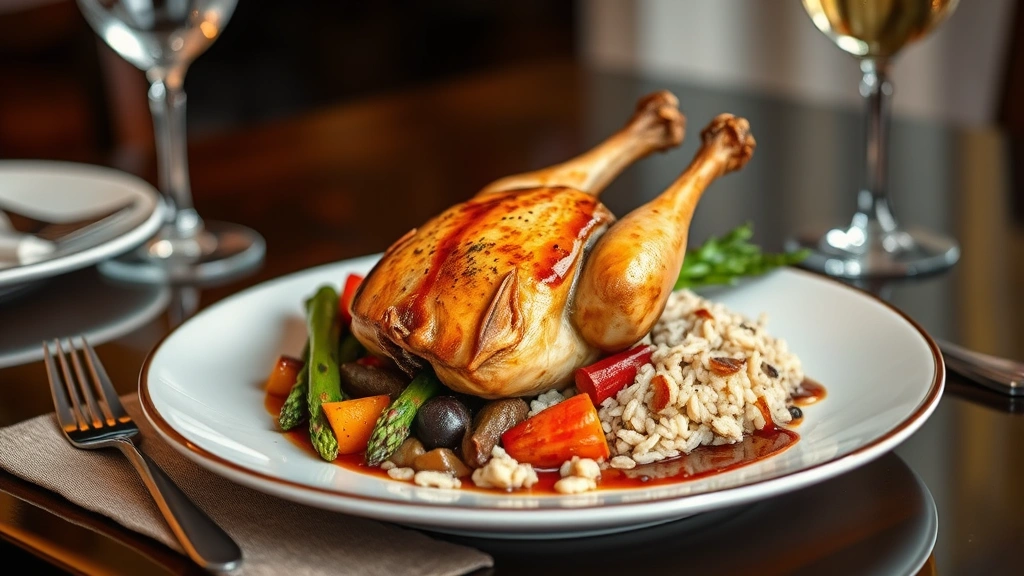
Presentation Technique: Arrange the rested hen at the center of your plate, surrounded by vegetables in a balanced composition. Drizzle pan sauce around the plate’s perimeter rather than pouring it over the bird—this maintains the visual impact of the golden skin while ensuring diners experience the sauce with each bite.
FAQ
How long does it take to cook a Cornish game hen?
Standard roasting at 450°F (230°C) requires 45 to 55 minutes for a 1.5-pound bird. Cooking time varies based on oven accuracy, bird size, and whether you’ve trussed the bird. Always use a meat thermometer—internal temperature at the thickest part of the thigh (not touching bone) should reach 165°F (74°C). This objective measurement is far more reliable than timing estimates.
Can I cook Cornish game hens from frozen?
Frozen birds require thawing before cooking. Plan for approximately 24 hours of thawing time in the refrigerator. Never thaw at room temperature, as this promotes bacterial growth. Once thawed, follow standard preparation and cooking procedures. The flavor and texture of properly thawed birds matches fresh specimens.
What’s the difference between Cornish game hens and regular chickens?
Cornish game hens are a specific breed of chicken selected for compact size and tender meat. They’re typically 4 to 6 weeks old when processed, whereas standard broiler chickens are 6 to 8 weeks old. The younger age and genetics result in more tender meat and more delicate flavor. Their small size makes them ideal for individual portions and elegant presentations.
How do I know if my Cornish game hen is cooked through?
Use a meat thermometer inserted into the thickest part of the thigh without touching bone—the temperature should read 165°F (74°C). Alternatively, pierce the thigh with a fork; juices should run clear rather than pink. The thigh meat should be completely opaque with no pink coloring visible.
Can I prepare Cornish game hens in advance?
Absolutely. Marinate prepared birds for up to 12 hours in advance. You can also apply your herb butter and seasoning several hours ahead, then cover and refrigerate. Remove from refrigeration 30 minutes before roasting to allow the meat to reach closer to room temperature, promoting even cooking. Fully cooked birds can be refrigerated for up to 3 days and reheated gently in a 350°F (175°C) oven until warmed through.
What should I do with the giblets?
Save giblets (heart, liver, gizzard) to create rich stock. Sauté them with aromatics, cover with water, and simmer for 2 to 3 hours. Strain and use this stock as your pan liquid for roasting, creating deeper flavor complexity. Some cooks enjoy incorporating chopped cooked giblets into pan sauces for added richness.
Are Cornish game hens expensive?
They typically cost more per pound than standard chickens but less per serving than many restaurant entrées. The elegant presentation and individual portion size justify the cost for special occasions. Buying from warehouse clubs or ethnic markets often yields better pricing than conventional supermarkets.


