Crispy Cottage Cheese Chips? Proven Snack Recipe
Cottage cheese chips are a revolutionary snack that transforms a humble dairy staple into something unexpectedly crunchy and delicious. If you’ve never considered baking cottage cheese until it becomes golden and crispy, you’re about to discover one of the most protein-packed, guilt-free snacking solutions available. This recipe delivers the satisfying crunch of traditional chips with significantly more nutritional value and versatility in flavor options.
What makes cottage cheese chips so special is their incredible versatility and nutritional profile. High in protein, lower in carbohydrates than grain-based snacks, and surprisingly addictive once you nail the technique, these chips can be customized with endless seasoning combinations. Whether you’re looking for a savory afternoon snack, a pre-workout bite, or something to serve at your next gathering, cottage cheese chips deliver on taste and nutrition.
Why Cottage Cheese Makes Perfect Chips
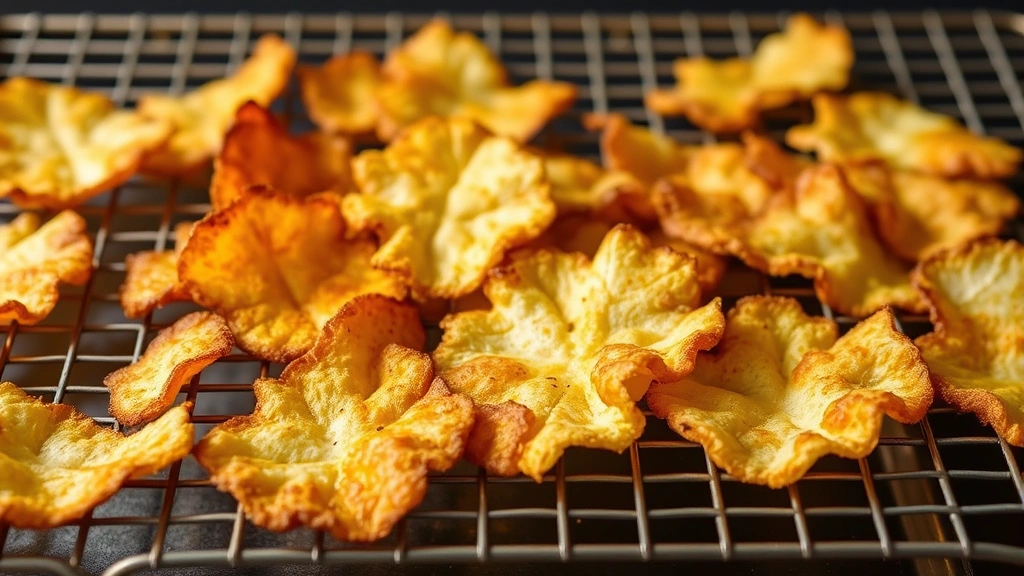
Cottage cheese has undergone a remarkable transformation in recent years, moving from a breakfast bowl staple to an ingredient in innovative recipes. The reason cottage cheese works so exceptionally well for making chips comes down to its composition. When cottage cheese is spread thin and exposed to dry heat, the moisture gradually evaporates while the proteins and fats crisp up beautifully. This process creates a texture remarkably similar to traditional potato chips but with dramatically different nutritional properties.
According to the Culinary Institute of America, the Maillard reaction—the chemical process that creates browning and complex flavors—occurs readily in dairy products when heat is properly applied. This scientific principle explains why cottage cheese chips develop such appealing flavor depth and color. The protein content in cottage cheese (typically 12-14 grams per half cup) becomes concentrated as moisture is removed, creating a snack that keeps you satisfied longer than conventional chips.
Compared to traditional potato chips, cottage cheese chips offer superior protein content, less fat per serving, and virtually no refined carbohydrates. They’re also naturally gluten-free and can be adapted for various dietary preferences. For those interested in other protein-forward snacks, our chocolate truffles recipe offers another creative way to incorporate nutritious ingredients into indulgent-tasting treats.
Ingredients You’ll Need
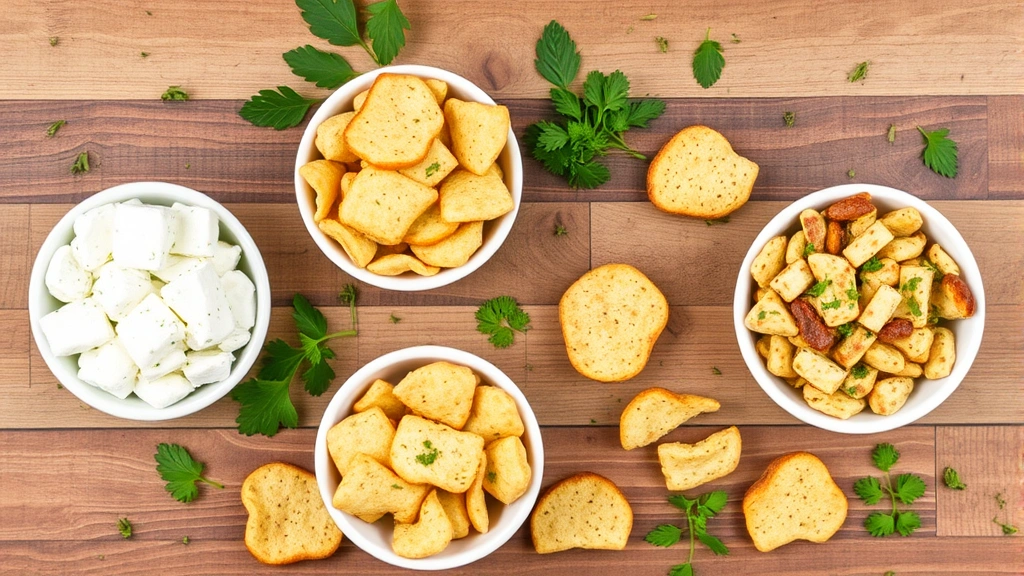
The beauty of this recipe lies in its simplicity. The base ingredients are minimal, but the seasoning possibilities are endless. Here’s what you need to get started:
- 2 cups full-fat or 2% cottage cheese – The quality of your cottage cheese matters significantly. Look for brands with minimal additives and a creamy consistency
- 1 tablespoon cornstarch or tapioca starch – This helps bind the mixture and creates extra crispness
- 1/2 teaspoon fine sea salt – Or adjust to taste depending on your seasoning blend
- 1/4 teaspoon black pepper – Freshly ground pepper provides better flavor
- Optional: 1/2 teaspoon garlic powder, onion powder, or paprika – For your preferred flavor profile
Quality ingredients make a tangible difference in this recipe. Avoid low-fat cottage cheese, which tends to become rubbery rather than crispy. Similarly, fresh cottage cheese produces better results than varieties that have been sitting in the refrigerator for weeks. If you’re exploring other recipes that celebrate simple, quality ingredients, our Magnolia Bakery banana pudding recipe demonstrates how premium components elevate everyday desserts.
Equipment and Preparation
Successful cottage cheese chips require specific equipment to achieve optimal results. You’ll need:
- Parchment paper or silicone baking mats – Essential for preventing sticking and ensuring even browning
- Baking sheets – Use at least two for batch production
- A blender or food processor – To achieve a smooth consistency
- A spatula or offset spatula – For spreading the mixture evenly
- A kitchen scale (optional but helpful) – For consistent results
- An oven – Preheated to 350°F (175°C)
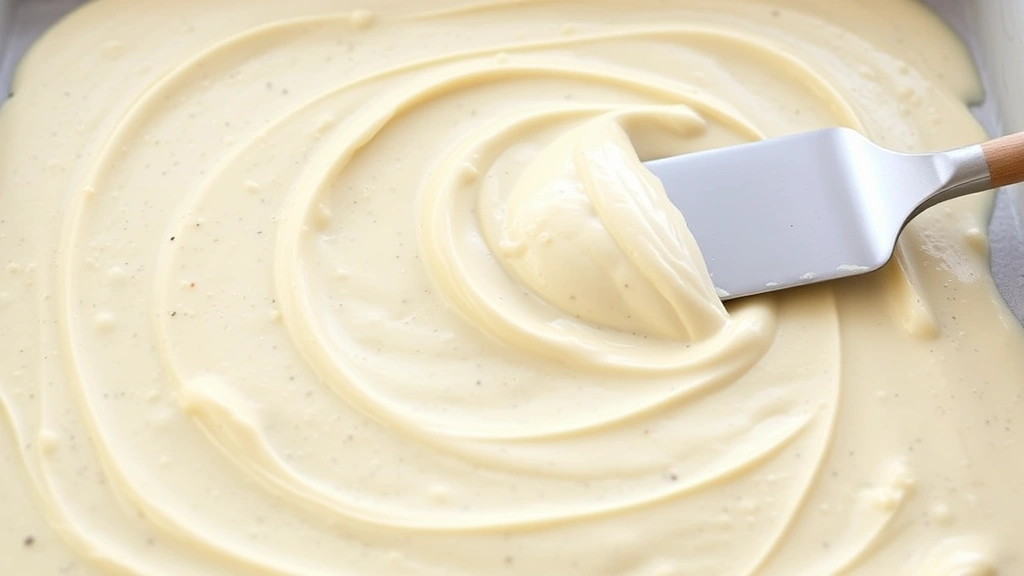
Preparation begins with blending your cottage cheese mixture until completely smooth. This step cannot be skipped—any lumps will result in uneven cooking and inconsistent texture. Process the cottage cheese for 1-2 minutes until it resembles a thick yogurt or pudding. Add your starch and seasonings during this blending process to ensure even distribution.
Step-by-Step Instructions
Step 1: Prepare Your Mixture
Add your cottage cheese to a food processor or blender. Process for 1-2 minutes until the mixture is completely smooth with no visible curds. This creates the foundation for crispy chips. Add cornstarch, salt, pepper, and any other seasonings. Pulse until everything is thoroughly combined and the mixture has a uniform consistency.
Step 2: Line Your Baking Sheets
Cover two large baking sheets with parchment paper or silicone baking mats. These prevent sticking and ensure even heat distribution. If you only have one baking sheet, you can work in batches, though this extends your total cooking time.
Step 3: Spread the Mixture
Divide your cottage cheese mixture between the prepared baking sheets. Using an offset spatula or the back of a spoon, spread the mixture into a thin, even layer approximately 1/8 to 1/4 inch thick. The thinner you spread it, the crispier your chips will be, but extremely thin layers (under 1/8 inch) may burn before crisping properly. Aim for consistency across the entire sheet—thicker spots will remain chewy while thin spots may char.
Step 4: Bake Initially
Place both sheets in a preheated 350°F (175°C) oven. Bake for 15-20 minutes until the mixture begins to set and the edges start turning golden. At this point, you’ll notice the mixture transitioning from wet to firm. Don’t remove it from the oven yet.
Step 5: Score and Continue Baking
Remove the sheets from the oven. Using a sharp knife or pizza cutter, score the cottage cheese layer into chip-sized pieces (roughly 1-2 inches). This step is crucial because it creates natural breaking points and allows heat to penetrate between pieces. Return to the oven and continue baking for 15-25 minutes until the chips are golden brown and crispy. The exact time depends on your oven’s characteristics and how crispy you prefer your chips.
Step 6: Final Crisping
For maximum crispness, increase the oven temperature to 400°F (200°C) for the final 5-10 minutes of cooking. Watch carefully during this stage to prevent burning. The chips should be golden to light brown and feel completely dry to the touch. If any areas remain soft, return to the oven for another few minutes.
Step 7: Cool Completely
Remove the baking sheets from the oven and allow the chips to cool for 10-15 minutes on the pan. They will continue crisping as they cool. Once completely cooled, break along the score lines and separate any pieces that remain stuck together. Transfer to an airtight container for storage.
Seasoning Combinations That Work
The fundamental recipe serves as a blank canvas for endless flavor possibilities. Here are proven seasoning combinations that consistently deliver excellent results:
Classic Ranch
Combine 1/2 teaspoon garlic powder, 1/2 teaspoon onion powder, 1/4 teaspoon dried dill, 1/4 teaspoon dried parsley, and 1/4 teaspoon paprika. This combination mimics the beloved ranch flavor profile that appeals to virtually everyone.
Spicy Sriracha
Mix 1 tablespoon sriracha sauce into your cottage cheese before blending, then add 1/4 teaspoon cayenne pepper and 1/2 teaspoon garlic powder. The result is a chip with serious heat and complex flavor depth.
Italian Herb Blend
Combine 1/2 teaspoon dried oregano, 1/4 teaspoon dried basil, 1/4 teaspoon dried thyme, 1/2 teaspoon garlic powder, and a pinch of red pepper flakes. These Mediterranean flavors create sophisticated snacking.
Everything Bagel
Use everything bagel seasoning blend (typically containing sesame seeds, poppy seeds, garlic, onion, and sea salt) at 1 teaspoon per batch. Sprinkle additional seasoning on top before baking for extra flavor intensity.
Barbecue Smoke
Combine 1/2 teaspoon smoked paprika, 1/4 teaspoon cayenne, 1/4 teaspoon garlic powder, 1/4 teaspoon onion powder, and 1/8 teaspoon liquid smoke. These chips deliver genuine barbecue flavor without any meat.
For those interested in exploring more adventurous flavor combinations, our pumpkin dump cake recipe demonstrates how seasonal ingredients can be incorporated into unexpected recipes.
Storage and Shelf Life
Proper storage is essential for maintaining the crispness of your cottage cheese chips. Store completely cooled chips in an airtight container at room temperature for up to 5 days. Glass containers with tight-sealing lids work better than plastic bags, which can trap moisture and cause chips to soften.
For extended storage, you can refrigerate chips in an airtight container for up to one week, though they may gradually lose some crispness. Freezing is not recommended, as the texture becomes compromised during thawing.
If your chips do soften over time, you can restore crispness by placing them on a baking sheet and heating in a 300°F (150°C) oven for 5-10 minutes. This drives off residual moisture and restores that satisfying crunch.
Troubleshooting Common Issues
Chips Won’t Crisp Up
If your chips remain chewy after the full baking time, several factors may be responsible. First, ensure you’re using full-fat or 2% cottage cheese—low-fat versions contain too much water. Second, make sure your mixture is spread thin enough; thicker layers require longer baking. Finally, check that your oven temperature is accurate using an oven thermometer, as many home ovens run cooler than indicated.
Chips Burn Before Crisping
This typically indicates either an oven running too hot or mixture spread too thin. Lower your oven temperature by 25°F and increase baking time accordingly. Ensure even spreading so all chips finish cooking simultaneously.
Chips Stick to the Pan
Always use parchment paper or silicone baking mats; never bake directly on bare baking sheets. If sticking still occurs, ensure your mats are properly secured and the cottage cheese mixture is spread completely to the edges of the mat.
Uneven Browning
Rotate your baking sheets halfway through cooking. Ovens often have hot spots that cause uneven browning. Rotating ensures consistent results across both sheets.
Variations and Creative Twists
Once you’ve mastered the basic recipe, experimentation opens exciting possibilities. Try adding grated Parmesan cheese (2-3 tablespoons) for extra umami depth, or incorporate nutritional yeast for a cheesy flavor with added B vitamins.
Sweet variations work surprisingly well with cottage cheese chips. Create cinnamon-sugar chips by adding 1 tablespoon sugar and 1 teaspoon ground cinnamon to your mixture. These pair wonderfully with coffee or tea and satisfy sweet cravings with minimal added sugar.
Experiment with hot sauce mixed into the base mixture, curry powder for Indian-inspired chips, or lemon zest and dried herbs for Mediterranean flair. The versatility of this base recipe encourages creative exploration.
For those who enjoy combining savory snacks with sweet treats, consider pairing your cottage cheese chips with our how to make homemade ice cream guide for a complete snacking experience. The contrast between savory and sweet creates memorable flavor combinations.
Another interesting pairing option involves incorporating cottage cheese chips into a sophisticated snack board alongside our snow ice cream recipe, creating a temperature-contrasting dessert experience that impresses guests.
FAQ
Can I use Greek yogurt instead of cottage cheese?
Greek yogurt can work but produces slightly different results. It tends to brown faster and may not achieve the exact same crispness as cottage cheese. If substituting, reduce oven temperature by 25°F and monitor closely during baking.
What’s the nutritional content of cottage cheese chips?
A typical serving (approximately 1 ounce or 28 grams) contains roughly 8-10 grams of protein, 2-3 grams of fat, and less than 1 gram of carbohydrates. This makes them an excellent option for high-protein, low-carb diets. Exact nutrition varies based on cottage cheese fat content and added seasonings.
Are cottage cheese chips keto-friendly?
Yes, cottage cheese chips are excellent for ketogenic diets. They’re low in carbohydrates, high in protein, and contain healthy fats. One serving typically contains fewer than 1 gram of net carbohydrates, making them ideal for maintaining ketosis.
Can I make these without an oven?
An air fryer can work as an alternative. Spread the mixture on parchment paper in your air fryer basket and cook at 350°F (175°C) for 20-30 minutes, shaking occasionally. Results may differ slightly from oven-baked chips.
How can I prevent the mixture from spreading unevenly?
Use a damp offset spatula or the back of a wet spoon to spread the mixture. The moisture prevents sticking and makes spreading easier. Work methodically from the center outward for consistent thickness.
Do I need to add starch to the recipe?
Cornstarch or tapioca starch improves texture and crispness, but the recipe works without it. Omitting starch produces slightly less crispy chips with a texture closer to crackers. For maximum crispness, include the starch.
Can I add wet ingredients like hot sauce directly?
Small amounts of wet ingredients can be incorporated, but they increase overall moisture content and extend baking time. If adding hot sauce or other liquids, reduce the amount of cottage cheese slightly to compensate. Limit wet additions to 1-2 tablespoons per batch.
What should I do if my cottage cheese is very watery?
Drain excess liquid by placing cottage cheese in a fine-mesh strainer lined with cheesecloth for 30 minutes before using. This removes excess whey and improves your final chip texture significantly.
Can cottage cheese chips be made ahead for parties?
Absolutely. Make chips up to 5 days ahead and store in airtight containers. If they soften slightly, refresh in a 300°F oven for 5-10 minutes before serving. This makes them perfect for entertaining without last-minute stress.
Are there any foods I should avoid pairing with cottage cheese chips?
Cottage cheese chips pair well with virtually any dip or topping. However, extremely wet dips may soften the chips. Pair with thicker dips like guacamole, hummus, or sour cream-based options for optimal results.


