Crab Brulee Recipe: Chef-Approved Delight
Crab brulee represents one of the most elegant and sophisticated appetizers in modern fine dining. This French-inspired technique meets seafood brilliance, creating a dish that impresses both visually and gastronomically. The caramelized sugar crust crackles beneath your spoon to reveal creamy, luxurious crab custard infused with delicate flavors and premium ingredients. Whether you’re preparing this for a special dinner party or exploring advanced cooking techniques, this chef-approved crab brulee recipe will elevate your culinary repertoire.
The beauty of crab brulee lies in its contrast of textures and temperatures. The crispy, bitter-sweet caramelized top juxtaposes perfectly with the smooth, savory custard beneath. Fresh lump crab meat, combined with cream, eggs, and aromatic seasonings, creates a foundation that’s both indulgent and refined. This dish demonstrates how traditional French pastry techniques can transform premium seafood into something extraordinary. Unlike conventional brulee recipes that rely solely on vanilla sweetness, crab brulee balances umami-rich seafood with subtle caramelization.
Our comprehensive guide walks you through every step, from selecting the finest crab to mastering the torch technique. You’ll discover professional tricks used by chefs at Michelin-starred restaurants, troubleshooting tips for common mistakes, and creative variations to personalize your creation. Even if you’ve never attempted brulee before, our detailed instructions ensure success on your first attempt.
Ingredients and Essential Supplies
Creating exceptional crab brulee begins with gathering premium ingredients and proper equipment. The quality of your components directly impacts the final dish’s flavor profile and texture. Here’s everything you’ll need for four servings:
Ingredients
- Fresh lump crab meat: 12 ounces (highest quality available)
- Heavy cream: 1 cup (full-fat for richest texture)
- Whole milk: ½ cup
- Egg yolks: 4 large (room temperature)
- Old Bay seasoning: ¼ teaspoon
- Sea salt: ½ teaspoon (adjust to taste)
- White pepper: ⅛ teaspoon
- Fresh tarragon: 1 tablespoon (finely chopped)
- Dijon mustard: ½ teaspoon
- Lemon zest: ½ teaspoon
- Dry sherry: 2 tablespoons
- Granulated sugar: 3-4 tablespoons per ramekin (for caramelizing)
Essential Equipment
- Four ceramic ramekins (6-ounce capacity)
- Kitchen torch (culinary-grade with safety features)
- Large mixing bowl
- Whisk
- Saucepan for heating cream mixture
- Fine-mesh strainer
- Thermometer (instant-read preferred)
- Water bath pan (larger than ramekins)
- Shallow baking dish for water bath
When selecting crab meat, visit a reputable seafood provider for best quality. Lump crab meat offers superior texture compared to claw meat, which contains more moisture and fibers. Request freshly picked crab whenever possible, as it provides the cleanest, sweetest flavor profile essential for this delicate dish.
Selecting Premium Crab Meat
The foundation of exceptional crab brulee is undoubtedly the crab meat itself. Premium quality seafood cannot be substituted without compromising the entire dish. Understanding crab meat grades and sourcing strategies ensures you achieve restaurant-quality results.
Understanding Crab Meat Grades
Jumbo lump crab represents the finest grade, consisting of large, intact pieces from the body. This meat offers superior sweetness and minimal shell fragments. Lump crab includes smaller body pieces with occasional shell bits, requiring careful inspection. Backfin crab combines lump and smaller pieces, offering good value but requiring more cleaning. Claw meat provides stronger flavor but contains excessive moisture unsuitable for custard applications.
For crab brulee specifically, jumbo lump or premium lump grades are non-negotiable. The visual presentation of distinct crab pieces showing through the custard elevates the dish’s elegance. When preparing your crab meat, spread it on a clean kitchen towel and carefully pick through it with your fingers, removing any remaining shell fragments or cartilage. This meticulous preparation prevents unpleasant surprises during dining.
Purchase crab meat on the day you plan to cook, or no more than 24 hours before. Fresh crab meat deteriorates quickly, developing off-flavors and unpleasant odors within days. Store it in the coldest section of your refrigerator, ideally between 32-35°F. If purchasing pre-packaged crab, check the “packed on” date and avoid any products nearing their expiration date.
Creating the Perfect Custard Base
The custard base transforms simple ingredients into a silky, luxurious foundation for your crab brulee. This component requires precision, timing, and understanding of how heat affects egg proteins. The technique mirrors classic French creme brulee but incorporates seafood-specific flavor enhancements.
Tempering Your Eggs
Begin by separating four large eggs, reserving only the yolks in a medium mixing bowl. Combine heavy cream and whole milk in a heavy-bottomed saucepan over medium heat. Warm the mixture to approximately 160°F, stirring occasionally. This temperature kills potential pathogens while preserving cream’s delicate flavor.
While the cream heats, whisk your egg yolks with a pinch of sea salt until they lighten slightly in color, approximately 2 minutes. This whisking incorporates air and distributes salt evenly. Once the cream reaches temperature, remove it from heat and let it cool for 2-3 minutes. Slowly pour the warm cream into the egg yolks while whisking constantly. This tempering process gradually raises the eggs’ temperature, preventing scrambling.
Continue whisking until the mixture is completely homogeneous and smooth. Pass the entire custard mixture through a fine-mesh strainer into a clean bowl. This crucial step removes any cooked egg bits or foam that would compromise your brulee’s silky texture. Chef-approved technique emphasizes this straining process as non-negotiable for professional results.
Flavoring Your Custard
Once strained, whisk in your aromatic seasonings: Dijon mustard, Old Bay seasoning, white pepper, lemon zest, fresh tarragon, and dry sherry. The sherry adds subtle sweetness and complexity without overpowering the delicate crab flavor. Old Bay provides traditional seafood seasoning that diners expect. Tarragon contributes a slight licorice note that complements crab’s natural sweetness. Taste your custard base and adjust seasonings if needed—remember that flavors intensify during baking.
Gently fold your carefully picked crab meat into the custard base using a rubber spatula. Handle the crab with extreme gentleness to maintain the integrity of those premium lump pieces. Excessive stirring breaks apart the meat, resulting in a paste-like texture rather than distinct pieces. Your custard should be studded with visible crab chunks, not homogenized into a uniform mixture.
Baking and Chilling Process
Proper baking technique determines whether your crab brulee achieves that perfect silky texture or becomes overcooked and rubbery. Water bath baking provides gentle, even heat distribution essential for custard-based preparations. Preheat your oven to 325°F. This moderate temperature prevents the edges from overcooking while the center remains underdone.
Preparing Your Ramekins
Arrange four ceramic ramekins in a large baking dish or roasting pan. Divide your crab custard mixture evenly among the ramekins, filling each approximately three-quarters full. The reserved space allows for slight expansion during baking. Pour hot water into the baking dish until it reaches halfway up the sides of the ramekins. This water bath maintains consistent, gentle heat throughout the baking process, preventing cracks and ensuring creamy texture.
Transfer the water bath carefully to your preheated oven. Bake for 25-30 minutes, until the custards appear set around the edges but still jiggle slightly in the center when gently shaken. The center should move as a single unit, not slosh like liquid. This slight jiggle indicates carryover cooking will reach perfect doneness as the custards cool. Overbaking results in grainy, separated custard—a common mistake even experienced cooks make.
Cooling and Chilling
Remove the baking dish from the oven and carefully lift the ramekins from the water bath using tongs or a slotted spatula. Place them on a cooling rack for 15 minutes at room temperature. This prevents thermal shock that could cause cracking. Transfer the ramekins to the refrigerator and chill for at least 4 hours, preferably overnight. Cold custards caramelize more evenly and maintain better texture when torched.
The chilling period allows flavors to meld and develop. The crab’s sweetness becomes more pronounced, and the Old Bay seasoning integrates throughout. Overnight resting is superior to shorter chilling periods—professional kitchens prepare crab brulee a full day ahead for optimal flavor development.
Mastering the Caramelizing Technique
Caramelization separates exceptional crab brulee from mediocre versions. This technique requires practice, confidence, and understanding of sugar’s behavior under direct heat. Many home cooks fear the torch—proper technique eliminates this anxiety.
Sugar Selection and Application
Remove your chilled ramekins from the refrigerator 10 minutes before caramelizing. This brief warming allows the sugar to caramelize evenly without shocking the cold custard. Sprinkle 3-4 tablespoons of granulated sugar evenly across each ramekin’s surface. Use a fine, even layer—clumpy sugar burns unevenly while sparse sugar fails to create a proper crust. Some chefs prefer superfine sugar, which melts more uniformly than standard granulated sugar.
Torch Technique
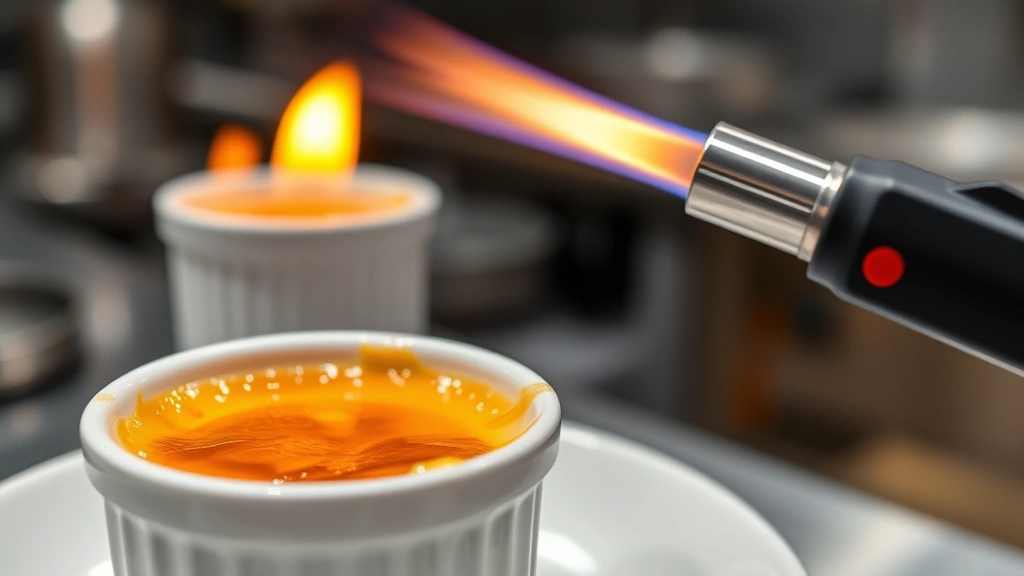
Hold your kitchen torch approximately 3-4 inches from the sugar surface. Ignite the torch and apply heat using smooth, sweeping motions across the entire surface. Avoid holding the flame in one spot, which burns the sugar black and creates bitter flavors. The sugar will begin melting immediately, turning amber-colored within 30-45 seconds.
Continue torching until the entire surface achieves a deep amber color—the color of honey or caramel sauce. This stage requires 60-90 seconds total. The sugar should appear glossy and uniform, with no white granules remaining. Listen for the subtle crackling sound as sugar caramelizes. Once complete, immediately set the ramekin down on a heat-resistant surface. The sugar hardens within 30 seconds, forming that satisfying crispy crust.
Allow each brulee to cool for 2-3 minutes before serving. The sugar sets into a brittle shell while the custard remains creamy and cold beneath. This textural contrast defines the brulee experience. If preparing multiple ramekins, torch them in sequence so the first brulees are ready to serve as you finish the last ones.
Professional chefs emphasize that caramelization is a skill refined through repetition. Your first attempts may produce uneven coloring or burnt spots—this is completely normal. Each torching session teaches you the flame’s behavior and your torch’s specific heat output. Within five to ten attempts, muscle memory develops and consistent results follow naturally.
Serving and Presentation
Presentation transforms crab brulee from excellent dish to show-stopping centerpiece. Fine dining establishments understand that diners eat with their eyes first. Strategic plating and thoughtful accompaniments elevate the entire dining experience.
Plating Strategies
Serve crab brulee in the ramekin itself—the ceramic vessel provides elegant presentation while maintaining temperature. Place each ramekin on a white or neutral-colored plate, allowing the golden custard and caramelized sugar to command visual attention. Arrange microgreens or fresh tarragon sprigs beside the ramekin, adding height and color contrast. A small spoon designed specifically for brulee (or a demitasse spoon) completes the presentation.
Complementary Accompaniments
Consider serving crab brulee with refined sides that don’t compete for attention. Crispy crostini rubbed with garlic and brushed with quality olive oil provide textural contrast. A small arugula salad dressed with lemon vinaigrette offers freshness and acidity to balance the custard’s richness. Champagne or crisp white wine like Sauvignon Blanc pairs beautifully with the savory-sweet flavors.
Some chefs prepare a light seafood reduction to drizzle around the ramekin’s base. This reduction, made from lobster or crab stock, adds visual drama and reinforces the seafood theme. A single microgreen placed atop the caramelized sugar provides the final elegant touch.
Creative Variations and Flavor Combinations
While our core recipe represents the classic approach, creative chefs constantly explore variations. These adaptations maintain the essential brulee technique while introducing new flavor dimensions. Understanding these variations empowers you to personalize the dish for different occasions or ingredient availability.
Herb-Infused Custards
Replace tarragon with fresh dill for a Scandinavian interpretation, or incorporate chervil for delicate French refinement. Chop herbs finely to distribute flavor evenly without creating visible chunks that distract from the crab. Some chefs create herb oil by blending fresh herbs with neutral oil, then drizzle this around the plated brulee for visual appeal and concentrated flavor.
Spice and Heat Variations
Introduce Calabrian chili flakes for subtle heat, or a touch of smoked paprika for depth and smokiness. These additions should complement rather than overwhelm the delicate crab flavor. Start with tiny amounts—spices intensify during cooking and chilling. A quarter teaspoon of smoked paprika creates noticeable flavor without dominating the dish.
Luxury Ingredient Additions
Some high-end establishments incorporate caviar or uni (sea urchin) into the custard base. These premium ingredients add umami complexity and visual sophistication. Caviar should be stirred in gently after straining the custard, immediately before dividing into ramekins, to preserve the pearls’ integrity. Uni, with its butter-like richness, adds an oceanic depth that pairs magnificently with crab.
Lighter Variations
For health-conscious diners, replace heavy cream with crème fraîche mixed with low-fat milk. This reduces fat content while maintaining creamy texture. The tangy crème fraîche adds subtle acidity that brightens the overall flavor profile. Alternatively, some chefs explore egg white-based custards, though these require different technique and produce lighter, less luxurious results.
Troubleshooting Common Issues
Even experienced cooks encounter challenges with crab brulee. Understanding common problems and their solutions builds confidence and ensures consistent success.
Grainy or Separated Custard
This occurs when eggs overcook, causing proteins to seize and separate from the cream. The primary culprit is excessive oven temperature or extended baking time. Always use an oven thermometer to verify your oven’s actual temperature—many ovens run 25-50°F hotter than their dial indicates. Reduce baking time by checking custards at 20 minutes rather than the full 25-30 minute window. The jiggle test becomes essential—slightly underdone custards cook perfectly as they cool, while fully set custards risk overcooking.
Watery Custard
Excessive moisture indicates insufficient cooking or too much milk relative to cream. Ensure your water bath reaches halfway up the ramekins—insufficient water depth creates uneven heating. If custards remain watery after proper baking, increase the cream-to-milk ratio to 1.25 cups cream and ¼ cup milk in future batches. Also verify that your eggs are large—smaller eggs produce thinner custards.
Uneven Sugar Caramelization
Clumpy sugar or excessive white granules result from uneven sugar distribution or insufficient torching. Always create a fine, uniform sugar layer. Practice your torch technique on a separate surface before attempting your finished brulee. Move the flame continuously in figure-eight patterns rather than circular motions—this distributes heat more evenly. If your sugar burns unevenly, allow it to cool completely, carefully scrape away the burnt portions, and re-torch with gentler heat.
Burnt Sugar Flavor
Black, heavily burnt sugar tastes acrid and bitter, overwhelming the delicate crab flavor. The solution is knowing when to stop torching. Deep amber color (like honey) is ideal; nearly black color indicates over-torching. Each torch has different heat output—test yours on a spare ramekin filled with water to understand its behavior. Some torches concentrate heat intensely, requiring greater distance from the sugar surface.
Custard Cracks During Baking
Cracks indicate thermal shock from excessive oven temperature or rapid temperature changes. Ensure your water bath uses hot (not boiling) water and that your oven temperature is accurate. Avoid opening the oven door during baking, which causes temperature fluctuations. If cracks appear, they typically don’t affect flavor—simply cover them with the caramelized sugar layer during serving.
Frequently Asked Questions
Can I prepare crab brulee ahead of time?
Absolutely. Prepare custards through the chilling stage up to 24 hours ahead. Caramelize the sugar immediately before serving for optimal crispness. If you must caramelize ahead, store the brulee in an airtight container—the sugar will gradually soften as it absorbs moisture from the custard. Re-torch for 15-20 seconds before serving to restore crispness.
What if I don’t have a kitchen torch?
While less ideal, you can use your oven’s broiler. Preheat the broiler to high, place sugar-topped ramekins on a baking sheet, and position them 4-6 inches from the heating element. Watch constantly—broiler intensity varies significantly between ovens. Broiling requires only 2-3 minutes but offers less control than torching. Some chefs use a hot metal spatula pressed onto the sugar surface, though this technique requires practice.
Can I use imitation crab meat?
No. Imitation crab is processed surimi with minimal actual crab content. It contains excessive sodium, binders, and artificial flavoring that destroy the subtle sophistication this dish demands. Authentic crab brulee requires genuine crab meat—substitutions fundamentally compromise the dish’s essence. Visit a reputable seafood source for quality crab.
How many times can I torch the sugar?
You can re-torch cooled sugar once or twice if necessary. Allow the sugar to cool completely between torchings. Multiple torching sessions risk burning the sugar excessively or creating uneven caramelization. If your first attempt produces insufficient color, wait for complete cooling before re-torching rather than immediately re-applying heat.
What wine pairs best with crab brulee?
Crisp, unoaked white wines complement crab brulee beautifully. Sauvignon Blanc offers herbaceous notes and acidity that balance the custard’s richness. Albariño or Vermentino provide mineral qualities and seafood affinity. Champagne or other dry sparkling wines add celebratory elegance. Avoid heavily oaked Chardonnays, which overpower delicate crab flavors.
Can I freeze crab brulee?
Freeze custards before caramelizing (up to 2 weeks). Thaw overnight in the refrigerator before torching the sugar. Freezing and thawing may slightly affect custard texture, creating a marginally grainier consistency, though most diners won’t notice. Never freeze after caramelizing—the sugar absorbs moisture and loses its crispness.
Is crab brulee suitable for large dinner parties?
Yes, with strategic preparation. Prepare all custards the day before, chilling them overnight. Shortly before serving, torch all ramekins in sequence. With practice, you can torch four ramekins in approximately 5-7 minutes. For parties exceeding eight guests, consider preparing some brulee while serving others—the staggered approach maintains optimal sugar crispness throughout dinner service.
How do I store leftover crab brulee?
Refrigerate uncovered for up to 2 days. The sugar crust softens significantly as it absorbs moisture from the custard. Re-torch for 20-30 seconds before serving to restore crispness. The custard itself remains delicious even after the sugar softens—simply enjoy it as a crab custard rather than a brulee.
Can I use frozen crab meat?
Fresh crab meat is strongly preferred, but quality-frozen lump crab works acceptably if fresh isn’t available. Thaw frozen crab in the refrigerator (never at room temperature), then carefully pick through it and pat dry with paper towels to remove excess moisture. Frozen crab often contains more liquid than fresh, so strain any accumulated liquid before folding into the custard. The flavor profile won’t match fresh crab, but acceptable results are achievable.
What’s the difference between crab brulee and regular crab custard?
The primary distinction is the caramelized sugar crust that defines brulee. Regular crab custard lacks this element, served plain or with garnishes. The sugar crust provides essential textural contrast and visual drama that elevates the dish from appetizer to showpiece. The caramelization also adds subtle bitter-sweet notes that complement the crab’s natural sweetness.
Can I make individual brulee without ramekins?
Small oven-safe ceramic dishes or even cleaned clamshells (for dramatic presentation) work well. Avoid glass, which conducts heat too efficiently and may cause custard to overcook around the edges. Metal cups work but conduct heat rapidly, requiring reduced baking time. Ceramic remains the gold standard for even heat distribution and elegant presentation.
Crab brulee represents the intersection of technique, quality ingredients, and creative presentation. This chef-approved recipe provides the foundation for creating restaurant-quality dishes at home. Master the fundamentals of custard preparation, develop confidence with your torch, and don’t hesitate to explore creative variations. Each preparation builds skills that enhance your overall cooking repertoire. Whether serving this sophisticated appetizer at intimate dinner parties or exploring advanced culinary techniques, crab brulee delivers consistent elegance and unforgettable flavor. Your guests will taste the care and precision you’ve invested in every element of this remarkable dish.
For additional seafood recipe inspiration and techniques, explore our comprehensive collection of culinary guides. Consider complementing your crab brulee with quick breakfast recipes featuring premium seafood, or learn about cast iron cooking methods for searing seafood accompaniments. Understanding food waste reduction tips helps you utilize every component of premium crab. Finally, explore organic versus non-organic sourcing to make informed ingredient choices.


