Easy Crockpot Pasta: Family Favorite Recipe That Saves Time
There’s nothing quite like coming home to a house that smells like a warm, homemade pasta dinner. The challenge? Finding time to prepare a quality meal after a long day. That’s where crockpot pasta recipes become your kitchen superhero. These slow-cooker creations transform simple ingredients into restaurant-quality dishes with minimal effort and maximum flavor. Whether you’re feeding a busy family or meal-prepping for the week, easy crockpot pasta delivers comfort food that actually fits your schedule.
What makes crockpot pasta so appealing is the set-it-and-forget-it convenience combined with incredibly tender noodles and deeply developed sauce flavors. Unlike stovetop pasta that requires constant attention and precise timing, slow-cooker versions develop their flavors gradually, creating a richer, more complex taste profile. Plus, everything cooks in one pot, which means less cleanup and more time for what matters.
In this comprehensive guide, we’ll explore how to make perfect crockpot pasta every single time, share variations that satisfy every palate, and provide pro tips that elevate your slow-cooker game. Let’s dive into creating family meals that everyone will love.
Why Crockpot Pasta Works: The Science Behind Slow-Cooked Comfort
Understanding why crockpot pasta produces such delicious results helps you appreciate the method and troubleshoot any issues. Traditional pasta cooking relies on rapid heat and boiling water, which can break down pasta structure and create uneven texture. Slow cookers operate differently—they use consistent, gentle heat that allows flavors to meld while maintaining pasta integrity.
The magic happens through a process called enzymatic breakdown. When tomato-based sauces simmer slowly, the acidity gradually breaks down proteins and carbohydrates, creating a smoother, more cohesive sauce. Meanwhile, aromatics like garlic and onions release their oils gradually, infusing every bite with subtle complexity. Ground meat, if included, becomes incredibly tender and flavorful as it breaks down in the low-heat environment.
Another advantage: liquid retention. Slow cookers trap steam, preventing excessive evaporation. This means your pasta cooks in a flavorful broth rather than drying out. The starch from the pasta naturally thickens the sauce, creating that perfect coating without requiring cornstarch or flour.
For those interested in understanding more about slow-cooking science, resources like the Serious Eats cooking guide provide detailed explanations of heat transfer and flavor development in slow cookers.
Essential Ingredients & Preparation: Building Your Base
The foundation of exceptional crockpot pasta starts with quality ingredients. Unlike quick-cooking methods where ingredient quality becomes immediately obvious, slow cooking allows modest ingredients to develop beautifully. Still, starting with good components ensures superior results.
Core Ingredients You’ll Need
- Pasta: Use sturdy shapes like penne, rigatoni, or rotini. Avoid delicate pasta like angel hair, which breaks down in slow cookers. Most recipes call for 1 pound.
- Tomato sauce: A 28-ounce can of crushed tomatoes or marinara forms your sauce base. Quality matters here—look for San Marzano varieties.
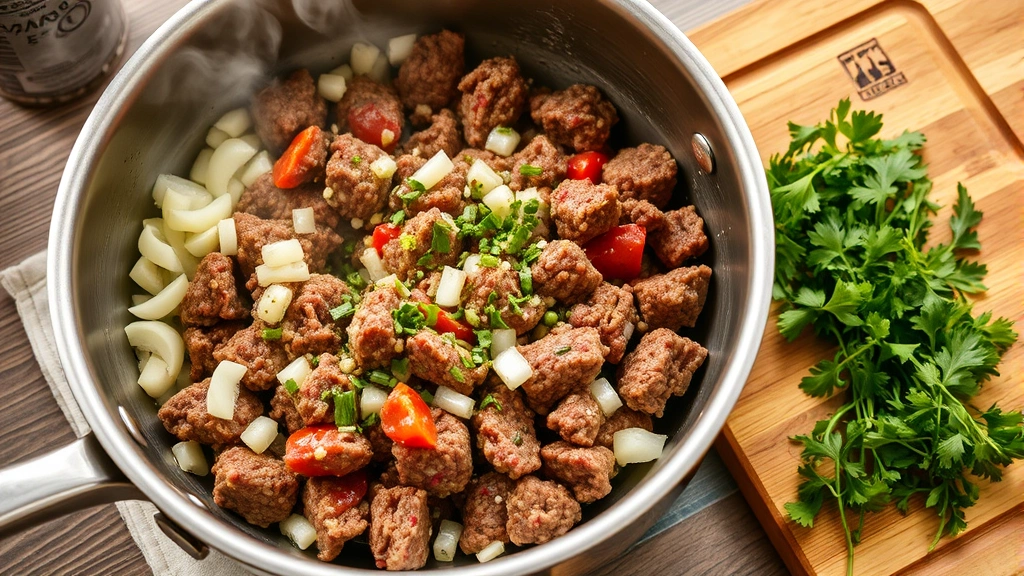
- Ground meat (optional): 1-2 pounds ground beef or Italian sausage adds richness and protein. Brown it first for better texture and to remove excess fat.
- Aromatics: One diced onion and 4-6 minced garlic cloves create flavor depth.
- Broth: 1-2 cups beef or vegetable broth prevents the dish from becoming too thick.
- Seasonings: Dried Italian herbs, salt, pepper, and red pepper flakes build complexity.
- Cheese: Mozzarella and Parmesan add richness. Reserve for topping rather than cooking in.
- Fresh herbs: Basil and parsley brighten the final dish.
Preparation Steps Before Cooking
Proper prep ensures even cooking and maximum flavor development. If using ground meat, brown it in a skillet over medium-high heat until no pink remains, breaking it into small pieces. Drain excess fat—this prevents greasiness in your finished dish. While meat browns, dice your onion into small, uniform pieces and mince garlic finely. Uniform sizes ensure even cooking and distribution of flavor throughout the slow cooker.
Measure your broth and tomato sauce into separate containers for easy pouring. Having everything prepped and ready means you can assemble your crockpot in just minutes. This practice, called mise en place by professional chefs, eliminates last-minute scrambling and ensures nothing gets forgotten.
Check your slow cooker capacity. Most recipes work best in 5-7 quart models, which provide adequate space for pasta to cook evenly and sauce to distribute properly. If your cooker is smaller, reduce ingredient quantities proportionally.
Step-by-Step Cooking Instructions: From Start to Finish
This method produces consistently delicious results whether you’re cooking for two or feeding a crowd.
Assembly Process
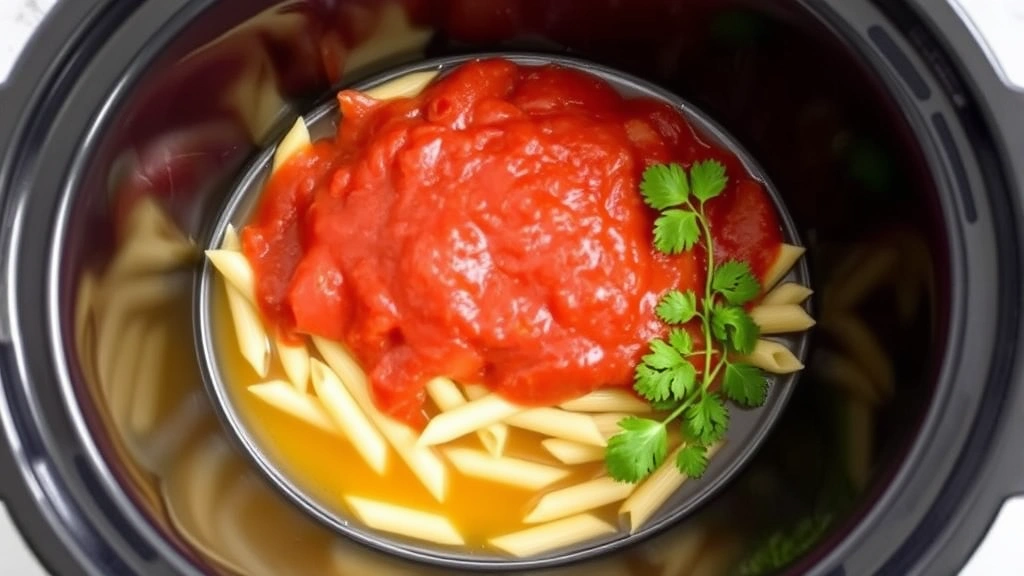
- Layer your slow cooker: Start by adding your broth to the bottom. This prevents sticking and ensures even heat distribution.
- Add sauce and meat: Pour in your tomato sauce and crushed meat (if using). Stir to combine thoroughly.
- Season generously: Add 2 teaspoons Italian seasoning, 1 teaspoon salt, ½ teaspoon black pepper, and ¼ teaspoon red pepper flakes. Stir well to distribute seasonings evenly.
- Include aromatics: Stir in your diced onion and minced garlic, ensuring they’re submerged in liquid.
- Add pasta: Pour in your uncooked pasta. Stir thoroughly so each noodle contacts the liquid. This prevents clumping and ensures even cooking.
- Final stir: Give everything a good stir, breaking up any clumps of pasta.
Cooking Phase
Cover your slow cooker and set it to low heat. Cook for 4-5 hours on low, or 2-3 hours on high. The low setting produces more tender pasta and better flavor development, so plan accordingly if possible. About halfway through cooking (around the 2-2.5 hour mark on low), give the pasta a gentle stir. This redistributes sauce and prevents sticking to the sides.
Pasta is done when it’s tender but not mushy, and sauce has thickened to your preferred consistency. If sauce seems too thin after cooking, you can leave the lid off for the final 15-20 minutes to allow evaporation. Conversely, if sauce is too thick, stir in ¼ cup broth at a time until reaching desired consistency.
Finishing Touches
Turn off your slow cooker and let the pasta rest for 5 minutes. This allows flavors to settle and sauce to set slightly, making plating easier. Taste and adjust seasonings—you may want additional salt, pepper, or a pinch of sugar if acidity seems pronounced.
Stir in fresh basil and parsley just before serving. These bright herbs contrast beautifully with the deep, slow-cooked flavors and add visual appeal. Top individual servings with freshly grated Parmesan and mozzarella. The residual heat will melt the cheese slightly without overcooking it.
Flavor Variations & Customizations: Making It Your Own
One of the greatest advantages of crockpot pasta is its versatility. Once you master the basic technique, endless variations become possible. These adaptations let you customize based on dietary preferences, available ingredients, or what your family enjoys.
Vegetarian & Vegan Options
Skip the ground meat entirely and boost vegetables instead. Add 2 cups diced mushrooms, 2 cups chopped bell peppers, 1 cup diced zucchini, and 1 cup spinach. Mushrooms provide umami depth that compensates for missing meat. For vegan versions, use vegetable broth and skip cheese toppings, or use nutritional yeast for a cheesy flavor without dairy.
Check out our collection of best healthy food recipes for more plant-based inspiration that complements your crockpot pasta meals.
Cream-Based Variations
For a richer experience, replace half the tomato sauce with heavy cream or cream cheese. Add the cream during the last 30 minutes of cooking to prevent curdling. This creates an Alfredo-style pasta that’s indulgent yet still simple to prepare. Include 2 tablespoons butter and 1 cup grated Parmesan for authentic Italian flavor.
Spicy Kick Option
If your family loves heat, increase red pepper flakes to ½ teaspoon and add 1-2 sliced jalapeños. Some cooks add hot Italian sausage instead of mild, which brings natural spiciness. A teaspoon of cayenne pepper also works beautifully. Remember that slow cooking intensifies spice, so start conservative and adjust to taste.
Protein Additions
Beyond ground meat, try Italian sausage for a more robust flavor, ground turkey for a lighter option, or shredded chicken for a different texture. Seafood lovers can add shrimp during the final 20 minutes—any longer and they become rubbery. For a protein boost, explore protein balls recipes as side dishes to complement your pasta.
Seasonal Vegetables
Summer calls for fresh zucchini and yellow squash. Fall welcomes diced butternut squash and kale. Spring brings asparagus and peas. Winter highlights root vegetables like carrots and parsnips. Add vegetables based on when they’re in season for maximum flavor and value.
Pro Tips for Perfect Results: Mastering Your Slow Cooker
These insider techniques separate good crockpot pasta from exceptional results.
Pasta Selection Matters
Choose short, sturdy pasta shapes that hold sauce well. Penne, rigatoni, fusilli, and rotini all work beautifully. Avoid thin, delicate shapes that break down in slow cookers. Whole wheat and legume-based pastas add nutritional value—chickpea pasta provides extra protein and fiber that complements the sauce beautifully.
Don’t Skip Browning Meat
While tempting to throw raw meat directly into the slow cooker, browning it first makes a dramatic difference. This Maillard reaction creates complex flavors that can’t develop during slow cooking alone. It also removes excess fat, preventing greasiness. Invest 10 minutes in this step for noticeably better results.
Control Liquid Carefully
Slow cookers trap moisture, so use less liquid than you’d think necessary. Start with 1-1.5 cups broth rather than 2-3 cups. You can always add more if sauce becomes too thick, but you can’t remove liquid once it’s in. After a few batches, you’ll develop intuition for your specific cooker’s evaporation rate.
Layer for Better Flavor Distribution
Rather than mixing everything at once, layer ingredients: broth first, then sauce, then pasta, then aromatics. This approach, though it takes an extra minute, ensures more even flavor distribution and prevents sticking.
Use Fresh Ingredients When Possible
While canned tomatoes are perfect for slow cooking, fresh garlic and onions produce superior flavor compared to jarred or powdered versions. Fresh herbs added at the end brighten the dish in ways dried herbs can’t replicate.
Temperature Control
Low settings (usually around 190-200°F) are ideal for pasta, producing tender noodles and well-developed sauce. High settings (around 280-300°F) cook faster but can result in mushy pasta if you’re not careful. Most recipes benefit from the low-and-slow approach.
Prevent Sticking
Stir halfway through cooking to prevent pasta from sticking to the slow cooker bottom. If you notice sticking despite stirring, reduce cooking time by 15-30 minutes on future attempts. Each slow cooker has slightly different heating patterns.
Serving Suggestions & Pairings: Complete Your Meal
While crockpot pasta works as a complete meal on its own, thoughtful pairings elevate the dining experience and create a more balanced meal.
Salad Pairings
A crisp, fresh salad provides textural contrast to the warm, soft pasta. Classic garden salads with vinaigrette work beautifully, as do more substantial options. Our summer salad recipes offer refreshing options that pair perfectly with hearty pasta dishes. The acidity in salad dressings also aids digestion of rich pasta sauces.
Bread Accompaniments
Garlic bread is the traditional choice, soaking up extra sauce and adding textural variety. Crusty Italian bread, focaccia, or ciabatta all work well. For a lighter option, toasted breadsticks or grissini provide crunch without heaviness.
Vegetable Sides
Roasted vegetables add nutritional balance. Broccoli, green beans, or Brussels sprouts roasted with olive oil and garlic complement pasta without competing for attention. Steamed vegetables also work if you prefer lighter preparation.
Beverage Pairings
Red wines like Chianti or Sangiovese pair wonderfully with tomato-based pasta. For non-alcoholic options, sparkling water with lemon or herbal iced tea provide refreshment. Milk-based beverages help neutralize acidity for those with sensitive stomachs.
Dessert Considerations
After a rich pasta meal, light desserts work best. Fruit-based options, sorbets, or simple cookies prevent feeling overstuffed. Chocolate pairs beautifully with Italian meals—biscotti dipped in espresso creates an authentic finish.
Meal Prep & Storage
Crockpot pasta stores beautifully, making it perfect for meal prep. Cool completely before refrigerating in airtight containers. It keeps for 3-4 days refrigerated or up to 3 months frozen. Reheat gently on the stovetop with a splash of broth, or microwave individual portions at 50% power to prevent overcooking.
For additional slow-cooker inspiration, explore our healthy crockpot recipes collection, which features numerous variations on this versatile cooking method.
FAQ
Can I use fresh pasta instead of dried?
Fresh pasta breaks down too quickly in slow cookers. Stick with dried pasta for best results. If you prefer fresh pasta texture, add it during the final 15-20 minutes of cooking on high heat.
What if my pasta came out mushy?
Reduce cooking time on your next attempt by 30-45 minutes. Slow cookers vary significantly in actual temperature and heating patterns. It may take one or two attempts to dial in perfect timing for your specific model.
Can I cook this on high instead of low?
Yes, but reduce cooking time to 2-3 hours and stir more frequently. Low settings produce better texture and flavor development, but high works in a pinch when you’re short on time.
How do I prevent the sauce from being too thin?
Use less broth—start with 1 cup instead of 2. The pasta releases starch that naturally thickens sauce. If you end up with thin sauce anyway, leave the lid off during the final 20-30 minutes to allow evaporation.
Can I make this vegetarian?
Absolutely. Skip the meat and add extra vegetables like mushrooms, zucchini, and spinach. Use vegetable broth instead of beef broth. The result is equally delicious and satisfying.
What’s the best way to reheat leftovers?
Heat gently on the stovetop over medium-low heat, stirring occasionally and adding a splash of broth if it seems dry. Avoid high heat, which can cause sauce to scorch. Microwave reheating works at 50% power for 2-3 minutes per portion.
Can I prepare ingredients the night before?
Yes! Brown your meat and chop vegetables the night before, storing them separately in the refrigerator. In the morning, assemble everything directly in the slow cooker. This makes busy mornings much easier.
Why is my pasta sticking to the bottom?
Ensure adequate liquid and stir halfway through cooking. If sticking persists, try reducing cooking time or using a slightly higher liquid ratio. Some slow cooker models have hot spots that require extra attention.
What external resources help understand slow-cooking techniques?
The Spruce Eats cooking guide offers detailed slow-cooker technique articles. For food science perspectives, Institute of Food Technologists provides research-backed cooking information. Additionally, Cook’s Illustrated publishes tested recipes with detailed technique explanations.
Can I double the recipe?
Absolutely, if your slow cooker is large enough (7+ quarts). Increase all ingredients proportionally, but don’t increase cooking time significantly—it takes longer for the center to heat, but not dramatically longer. You may need to add a few extra minutes and watch for doneness.


