
Easy Cod Recipes: Home Cook Approved
Cod is one of the most versatile and beginner-friendly fish options available to home cooks. Its mild, slightly sweet flavor pairs beautifully with countless ingredients, and its firm texture holds up well to various cooking methods. Whether you’re new to cooking fish or looking to expand your seafood repertoire, easy cod recipes offer reliable results that impress family and friends without requiring advanced culinary skills.
The beauty of cooking cod lies in its forgiving nature. Unlike delicate white fish that can fall apart easily, cod maintains its structure whether you pan-sear, bake, or poach it. This guide explores simple yet delicious methods to prepare cod that deliver restaurant-quality results in your home kitchen. From sheet pan dinners to quick weeknight meals, these recipes prove that exceptional seafood dishes don’t require hours of preparation or complicated techniques.
Why Cod is Perfect for Home Cooks
Cod stands out among fish options for several practical reasons that make it ideal for home cooking. First, its availability is consistent year-round in most grocery stores, making it a reliable protein choice for meal planning. The fish’s neutral flavor acts as a blank canvas, allowing you to experiment with different cuisines and flavor profiles without worrying about overpowering tastes.
The texture of cod is naturally firm and flaky, which means it resists overcooking better than delicate fish varieties. Even if you cook it a minute or two longer than ideal, cod remains moist and pleasant rather than becoming dry and unappetizing. This forgiving nature builds confidence in the kitchen, especially for cooks still developing their fish-cooking skills.
From a nutritional perspective, cod provides excellent protein content while being relatively low in fat and calories. It’s rich in omega-3 fatty acids, B vitamins, and selenium. These health benefits combined with its culinary versatility make cod an excellent choice for balanced weeknight dinners or meal prep sessions. The fish also offers excellent value, typically costing less than premium seafood options while delivering comparable nutritional benefits.
Pan-Seared Cod with Lemon Butter
Pan-searing is arguably the quickest method for preparing cod, delivering crispy exterior texture while maintaining a tender, moist interior. This classic technique requires minimal ingredients and takes approximately 15 minutes from start to finish, making it perfect for busy weeknights.
Ingredients:
- Four 6-ounce cod fillets
- Salt and black pepper to taste
- 2 tablespoons olive oil
- 4 tablespoons butter
- 3 cloves garlic, minced
- Juice of 1 lemon
- Fresh parsley for garnish
- Optional: homemade sauce for serving
Instructions:
- Remove cod fillets from refrigeration 10 minutes before cooking to bring them to room temperature. Pat them completely dry with paper towels—this step is crucial for achieving proper browning.
- Season both sides generously with salt and pepper. Heat olive oil in a large skillet over medium-high heat until shimmering.
- Carefully place cod fillets in the hot pan, skin-side up if the skin is attached. Resist the urge to move them; let them sit undisturbed for 4-5 minutes until golden brown.
- Flip fillets gently and cook for another 3-4 minutes on the second side. The fish should flake easily when tested with a fork.
- Reduce heat to medium and add butter and minced garlic to the pan. Tilt the pan and baste the fish with the foaming butter for 1-2 minutes.
- Remove from heat and squeeze fresh lemon juice over the fillets. Garnish with chopped parsley and serve immediately with your favorite sides.
Pro Tips: Don’t skip patting the fish dry—moisture prevents browning. Use a high-quality butter for the finishing step, as its flavor becomes the star once the fish is cooked. If your skillet isn’t large enough for all four fillets, cook them in two batches rather than crowding the pan, which causes steaming instead of searing.
Serving Suggestions: Pair pan-seared cod with crusty bread to soak up the buttery pan juices, roasted vegetables, or a simple green salad. The lemon butter sauce elevates simple sides into restaurant-worthy plates.
Baked Cod with Vegetables
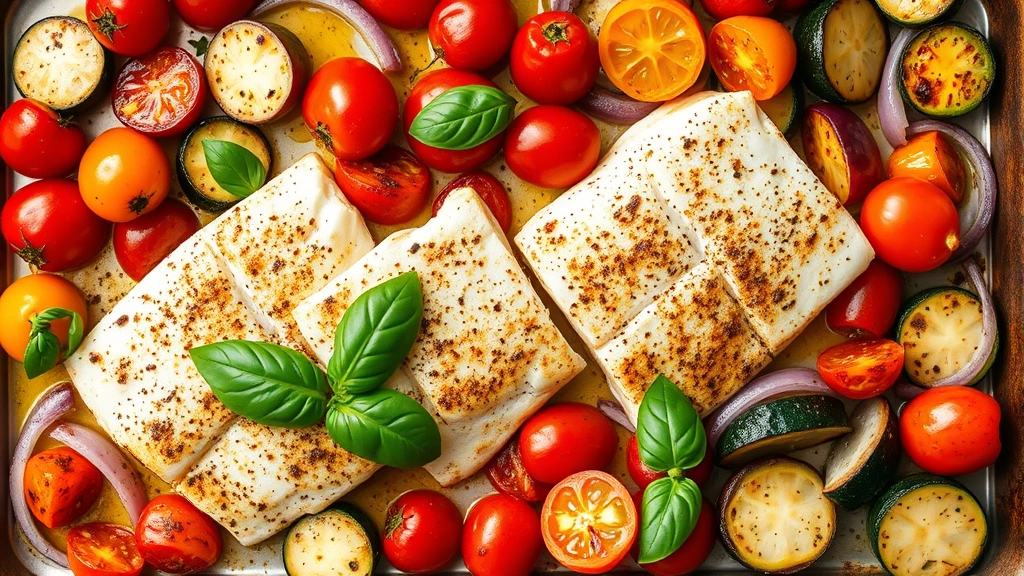
Sheet pan cooking represents the ultimate in simplicity, combining protein and vegetables in one dish that requires minimal cleanup. This method works beautifully for feeding a family or preparing multiple portions for meal prep.
Ingredients:
- Four 6-ounce cod fillets
- 2 cups cherry tomatoes, halved
- 2 bell peppers, sliced
- 1 medium zucchini, cut into half-moons
- 1 red onion, thinly sliced
- 3 tablespoons olive oil
- 2 teaspoons Italian seasoning
- Salt and pepper to taste
- Lemon slices for topping
- Fresh basil for garnish
Instructions:
- Preheat your oven to 400°F (200°C). Line a large sheet pan with parchment paper for easy cleanup.
- In a large bowl, combine sliced vegetables with 2 tablespoons olive oil, Italian seasoning, salt, and pepper. Toss until evenly coated.
- Spread vegetables in an even layer on the prepared sheet pan, creating a bed for the cod.
- Pat cod fillets dry and arrange them on top of the vegetables. Drizzle with remaining olive oil and season with salt, pepper, and additional Italian seasoning.
- Top each fillet with lemon slices. Bake for 12-15 minutes until the fish flakes easily with a fork and vegetables are tender.
- Remove from oven and garnish generously with fresh basil. Serve directly from the sheet pan for casual family-style dining.
Customization Options: This recipe adapts easily to whatever vegetables you have on hand. Asparagus, green beans, fennel, and mushrooms all work wonderfully. You can also vary the seasonings—try Mediterranean herbs, Asian-inspired flavors with ginger and soy sauce, or Cajun spices for different flavor profiles.
Make-Ahead Strategy: Prep vegetables the night before and store them in an airtight container. In the morning, simply assemble the sheet pan and refrigerate until ready to bake. Add 2-3 minutes to the cooking time if baking directly from cold.
Quick Cod Tacos
Fish tacos bring casual, vibrant flavor to the weeknight dinner table. Cod’s mild taste pairs perfectly with bright, zesty taco accompaniments, creating a meal that feels special yet requires minimal effort.
Ingredients:
- 1.5 pounds cod fillets
- 2 teaspoons cumin
- 1 teaspoon paprika
- 1 teaspoon garlic powder
- ½ teaspoon cayenne pepper (optional)
- Salt and pepper to taste
- 2 tablespoons olive oil
- Corn or flour tortillas
- Shredded cabbage
- Diced avocado
- Fresh cilantro
- Lime wedges
- Optional toppings: sour cream, salsa, pickled onions
Instructions:
- Combine cumin, paprika, garlic powder, cayenne, salt, and pepper in a small bowl to create a spice blend.
- Pat cod fillets dry and rub both sides evenly with the spice mixture.
- Heat olive oil in a large skillet over medium-high heat. Once shimmering, carefully place cod fillets in the pan.
- Cook for 4-5 minutes on the first side without moving, then flip and cook for another 3-4 minutes until the fish flakes easily.
- Remove from heat and break the cod into large, rustic chunks using a wooden spoon or fork.
- Warm tortillas according to package directions. Assemble tacos by layering shredded cabbage, cod pieces, avocado, and cilantro on each tortilla.
- Serve immediately with lime wedges and desired toppings.
Flavor Enhancement: Create a quick crema by mixing sour cream with lime juice and a pinch of cumin. Drizzle this over your tacos for added richness. Pickled red onions provide tangy contrast that balances the spiced fish beautifully.
Crowd-Pleasing Setup: Set out all toppings in separate bowls and let family members build their own tacos. This interactive approach works especially well for weeknight dinners with varied preferences at the table.
Poached Cod in White Wine
Poaching represents a gentler cooking method that produces incredibly moist, delicate results. This classic French technique might sound fancy, but it’s actually quite straightforward and requires just basic ingredients.
Ingredients:
- Four 6-ounce cod fillets
- 1 cup dry white wine
- 1 cup fish or vegetable broth
- 1 small onion, sliced
- 2 carrots, cut into thin strips
- 3 sprigs fresh thyme
- 1 bay leaf
- Salt and pepper to taste
- 2 tablespoons butter
- 1 tablespoon fresh dill
Instructions:
- Combine white wine, broth, onion, carrots, thyme, and bay leaf in a large, shallow skillet. Bring to a gentle simmer over medium heat.
- Allow the poaching liquid to simmer for 5 minutes, letting flavors meld together.
- Season cod fillets with salt and pepper. Carefully place them in the simmering liquid, ensuring they’re mostly submerged.
- Reduce heat to low and maintain a gentle simmer—the liquid should barely bubble. Cook for 8-10 minutes until the fish flakes easily with a fork.
- Using a slotted spatula, carefully remove cod fillets and arrange on serving plates.
- Strain the poaching liquid through a fine-mesh sieve. Return 1 cup of the strained liquid to the skillet and whisk in butter over medium heat until melted.
- Pour the butter sauce over the cod and garnish with fresh dill and cooked vegetables from the poaching liquid.
Sauce Variation: For a creamier finish, whisk 2 tablespoons of heavy cream into the butter sauce just before serving. This transforms the simple cooking liquid into a luxurious pan sauce that elevates the entire dish.
Wine Selection: Choose a white wine you’d actually drink—avoid cooking wines labeled as such, as they contain added salt. Sauvignon Blanc, Pinot Grigio, or Chablis all work beautifully.
Crispy Cod Fish and Chips
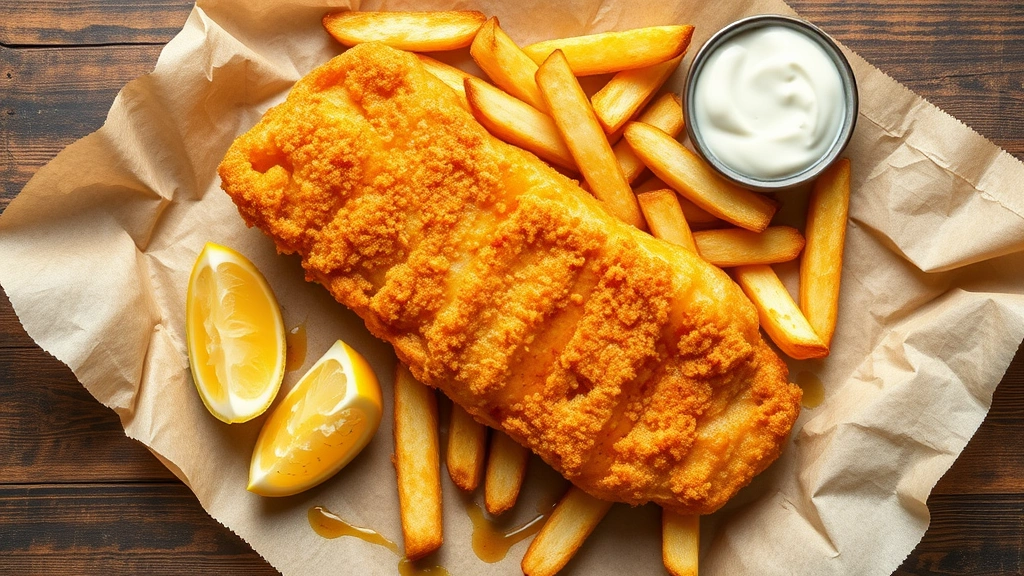
Homemade fish and chips delivers superior results compared to takeout versions, with control over oil temperature and ingredient quality. While it requires slightly more effort than other methods, the results justify the extra work for special family dinners.
Ingredients:
- 1.5 pounds cod fillets
- 1 cup all-purpose flour
- 1 teaspoon salt
- ½ teaspoon black pepper
- ½ teaspoon paprika
- 1 cup panko breadcrumbs
- 2 eggs, beaten
- Oil for frying (vegetable or peanut oil)
- Potatoes for chips
- Malt vinegar for serving
- Fresh lemon wedges
Instructions:
- Prepare three shallow bowls: one with flour mixed with salt, pepper, and paprika; one with beaten eggs; and one with panko breadcrumbs.
- Pat cod fillets completely dry. Working with one fillet at a time, coat thoroughly in flour, shaking off excess, then dip in beaten egg, and finally coat evenly with panko breadcrumbs.
- Heat oil to 350°F (175°C) in a heavy-bottomed pot or deep skillet. Use a thermometer to maintain accurate temperature.
- Carefully lower breaded cod into hot oil, working in batches to avoid overcrowding. Fry for 4-5 minutes until golden brown and the fish flakes easily inside the crust.
- Remove with a slotted spoon and drain on paper towels. Season immediately with additional salt.
- Serve with hot chips, malt vinegar, tartar sauce, and lemon wedges.
Oil Temperature Importance: Maintaining proper oil temperature is crucial—too cool and the coating absorbs oil, making it greasy; too hot and the exterior burns before the interior cooks. An instant-read thermometer eliminates guesswork.
Healthier Alternative: For an air-fryer version, spray breaded fillets with cooking oil and air-fry at 400°F (200°C) for 10-12 minutes. While not quite as crispy as deep-fried versions, this method delivers satisfying texture with significantly less oil.
Flavor Pairings and Sauce Ideas
Understanding which flavors complement cod’s mild taste expands your recipe possibilities exponentially. Cod responds beautifully to bright, acidic elements like lemon and vinegar, richness from butter and cream, and aromatic herbs.
Mediterranean Flavors: Combine cod with tomatoes, olives, capers, and fresh oregano. This combination evokes sunny European coastal cooking and pairs beautifully with cottage cheese bread for soaking up pan juices. Anchovies add umami depth without fishiness when used sparingly.
Asian-Inspired Preparations: Soy sauce, ginger, sesame oil, and scallions create bold flavor profiles that energize mild cod. Try steaming fillets over ginger-infused broth or creating a quick pan sauce with soy, rice vinegar, and a touch of honey. These preparations pair wonderfully with steamed rice and bok choy.
Creamy Sauce Options: Prepare homemade sauces by whisking together sour cream or Greek yogurt with fresh herbs, lemon juice, and minced garlic. These light cream sauces add richness without heaviness, perfect for drizzling over poached or baked cod.
Spiced Rubs: Cumin, coriander, and smoked paprika create warming spice blends that transform cod into something exotic. These work particularly well with pan-searing or baking methods that allow the spices to develop deeper flavor through heat.
Herb-Forward Preparations: Fresh dill, parsley, chives, and tarragon all enhance cod beautifully. Create herb butters by mixing softened butter with finely chopped herbs and a squeeze of lemon—dollop these on hot-from-the-pan cod for elegant simplicity.
Storage and Make-Ahead Tips
Proper Storage: Fresh cod should be cooked within 1-2 days of purchase. Store it on the coldest shelf of your refrigerator, ideally in its original packaging or wrapped tightly in plastic wrap. Keep it away from other foods to prevent cross-contamination.
Freezing Guidelines: Cod freezes exceptionally well for up to three months. Wrap individual fillets tightly in plastic wrap, then place them in a freezer bag to prevent freezer burn. Thaw overnight in the refrigerator before cooking—this maintains texture and moisture better than room-temperature thawing.
Cooked Leftovers: Properly stored cooked cod keeps for 3-4 days in an airtight container. Reheat gently in a 300°F (150°C) oven to prevent drying. Cooked cod works beautifully in fish tacos, atop salads, or flaked into pasta dishes.
Meal Prep Strategy: Prepare multiple fillets using the baked sheet pan method, then portion and refrigerate. Throughout the week, you can quickly reheat portions or use them cold in salads and sandwiches. This approach ensures you always have protein-rich options available.
Sauce Preparation: Many accompanying sauces can be prepared 1-2 days ahead. Store in airtight containers and bring to room temperature or gently reheat before serving. This advance preparation streamlines weeknight cooking considerably.
FAQ
How do I know when cod is fully cooked?
Properly cooked cod should flake easily when tested with a fork and appear opaque white throughout, with no translucent areas remaining. The internal temperature should reach 145°F (63°C) when measured with an instant-read thermometer inserted into the thickest part of the fillet. Overcooked cod becomes dry and loses its pleasant texture, so err on the side of slightly underdone rather than overdone.
Can I substitute cod with other white fish?
Absolutely. Halibut, haddock, pollock, and tilapia all work beautifully in these recipes. Cooking times may vary slightly based on fillet thickness, so adjust accordingly. Halibut tends to be slightly firmer and may require an extra minute or two, while tilapia is more delicate and cooks faster than cod.
What’s the difference between frozen and fresh cod?
Quality frozen cod, when properly thawed, performs nearly identically to fresh fish. Flash-freezing at peak freshness locks in nutrients and flavor. The key difference lies in thawing—always thaw in the refrigerator overnight rather than at room temperature to maintain texture and prevent bacterial growth.
Should I remove the skin from cod fillets?
This depends on personal preference and cooking method. For pan-searing, keeping the skin on creates a protective barrier that helps the fillet hold together while developing a crispy exterior. For baking and poaching, skin-on or skin-off matters less. Many people find the crispy skin delicious, while others prefer to remove it. Most fishmongers will remove it upon request if you prefer boneless, skinless fillets.
How much cod should I cook per person?
Plan for 5-7 ounces (140-200 grams) of cod per person as a main course. This accounts for a satisfying portion with vegetables and sides. For appetizers or lighter meals, reduce to 4 ounces per person.
What wine pairs well with cod dishes?
Lighter white wines like Sauvignon Blanc, Pinot Grigio, and Albariño complement cod beautifully. These wines’ acidity and brightness echo the fish’s delicate flavor without overwhelming it. For richer preparations with cream sauces, consider Chardonnay. Sparkling wines work wonderfully with fried preparations.
Can I cook cod in a slow cooker?
While technically possible, slow cooking isn’t ideal for cod due to its delicate texture. The extended cooking time tends to make the fish mushy. If using a slow cooker, set it to low and cook for just 30-40 minutes with minimal liquid, checking frequently for doneness. Poaching on the stovetop offers superior results with similar hands-off convenience.
What vegetables pair best with cod?
Cod pairs beautifully with asparagus, green beans, roasted potatoes, zucchini, bell peppers, tomatoes, and leafy greens. Avoid vegetables with strong flavors that might overpower the mild fish. Root vegetables work well when roasted alongside cod, as do Mediterranean vegetables like eggplant and fennel.
How can I add more flavor to mild cod?
Layer flavors through cooking liquid, seasonings, and finishing sauces. Poaching in broth-based liquids infuses flavor throughout. Spice rubs before cooking build complexity. Finishing with herb butters, pan sauces, or fresh citrus brightens the entire dish. Don’t underestimate the power of proper seasoning with salt and pepper at multiple stages of cooking.
Is cod sustainable to eat?
Sustainability depends on sourcing. Look for cod certified by the Marine Stewardship Council (MSC), which indicates responsibly managed fisheries. Avoid Atlantic cod from certain regions where overfishing has been problematic. Pacific cod and Alaskan cod generally represent more sustainable choices. Speak with your fishmonger about sourcing options available in your area.


