Quick & Easy Instant Pot Meals? Chef Approved
The Instant Pot has revolutionized home cooking by transforming how we approach weeknight dinners. What once required hours of slow simmering or careful stovetop monitoring now happens in a fraction of the time, without sacrificing flavor or quality. Whether you’re a busy parent juggling multiple schedules, a professional looking to minimize kitchen time, or simply someone who appreciates efficiency without compromise, the Instant Pot delivers restaurant-quality results with minimal effort.
The beauty of this electric pressure cooker lies in its versatility and speed. From tender braised meats to creamy risottos, from hearty soups to perfectly cooked proteins, the Instant Pot handles it all with remarkable consistency. The sealed cooking environment concentrates flavors while the high pressure breaks down connective tissues quickly, producing meals that taste like they’ve been simmering for hours in just 20-30 minutes of actual cooking time.
This guide explores chef-approved Instant Pot techniques and recipes that deliver exceptional results every single time. You’ll discover how to maximize this powerful appliance, avoid common pitfalls, and create impressive meals that will have your family and guests asking for seconds.
Why Chefs Love the Instant Pot
Professional chefs recognize the Instant Pot as a legitimate kitchen tool that produces consistent, high-quality results. Unlike microwave cooking or other shortcuts, pressure cooking actually enhances certain dishes by creating an environment where flavors concentrate and textures develop properly. The key difference between home cooking and professional cooking often comes down to technique and understanding your equipment, both of which apply equally to Instant Pot preparation.
The pressure cooking method works by trapping steam inside a sealed vessel, raising the internal temperature above boiling point. This higher temperature accelerates the cooking process while maintaining moisture. For tough cuts of meat, this means collagen breaks down into gelatin, creating that desirable tender texture and rich mouthfeel. For legumes and grains, it ensures even cooking and proper texture development. The result is food that tastes intentional and well-developed rather than rushed.
Chefs also appreciate the Instant Pot’s ability to develop deep flavors through the sauté function before pressure cooking. This Maillard reaction—the browning that creates complex, savory flavors—cannot be rushed and cannot be replaced by pressure alone. The best Instant Pot meals begin with proper searing and aromatics, just like traditional cooking. This is why experienced cooks treat the Instant Pot as a complement to classical technique rather than a replacement for it.
Essential Instant Pot Techniques
Mastering a few fundamental techniques transforms your Instant Pot results from acceptable to exceptional. These methods form the foundation of every successful pressure-cooked meal.
The Sauté Foundation: Always begin by using the sauté function to brown your proteins and aromatics. Set the Instant Pot to high heat and allow it to preheat for a few minutes. Add oil or butter, then sear meat until a golden crust forms on all sides. This step takes 8-12 minutes but creates the flavor base for your entire dish. Don’t skip this step regardless of time constraints—it’s the difference between good and great.
The Aromatics Layer: After removing your protein, sauté onions, garlic, and other aromatics until fragrant and slightly softened. This typically requires 2-3 minutes. Use roasted garlic or fresh minced garlic depending on your recipe and desired intensity. The aromatics should become translucent and release their oils into the cooking fat, creating a flavorful base that permeates your entire dish.
The Deglazing Step: After sautéing aromatics, deglaze the pot by adding liquid (broth, wine, or water) and scraping up all the browned bits stuck to the bottom. These flavorful particles, called fond, contain concentrated umami that will enhance your final dish. Use a wooden spoon to scrape thoroughly, ensuring nothing remains stuck. This step takes only a minute but dramatically improves flavor depth.
The Layering Method: Arrange ingredients strategically within the pot. Place thicker, denser items on the bottom where they contact the heating element most directly. Arrange more delicate ingredients or those requiring less cooking time on top. This ensures even cooking throughout. For example, in a mixed vegetable dish, potatoes go on the bottom, then carrots, then more delicate vegetables on top.
Natural Pressure Release vs. Quick Release: These two methods serve different purposes. Natural pressure release (allowing pressure to drop on its own) takes 10-20 minutes and is ideal for large pieces of meat or dishes where you want to minimize carryover cooking. Quick pressure release (manually venting steam) happens in 1-2 minutes and works well for vegetables or when you want cooking to stop immediately. Understanding when to use each method prevents overcooking and maintains proper texture.
Protein-Packed Main Courses
The Instant Pot excels at cooking proteins to perfect tenderness in minimal time. These chef-approved recipes showcase the appliance’s best capabilities.
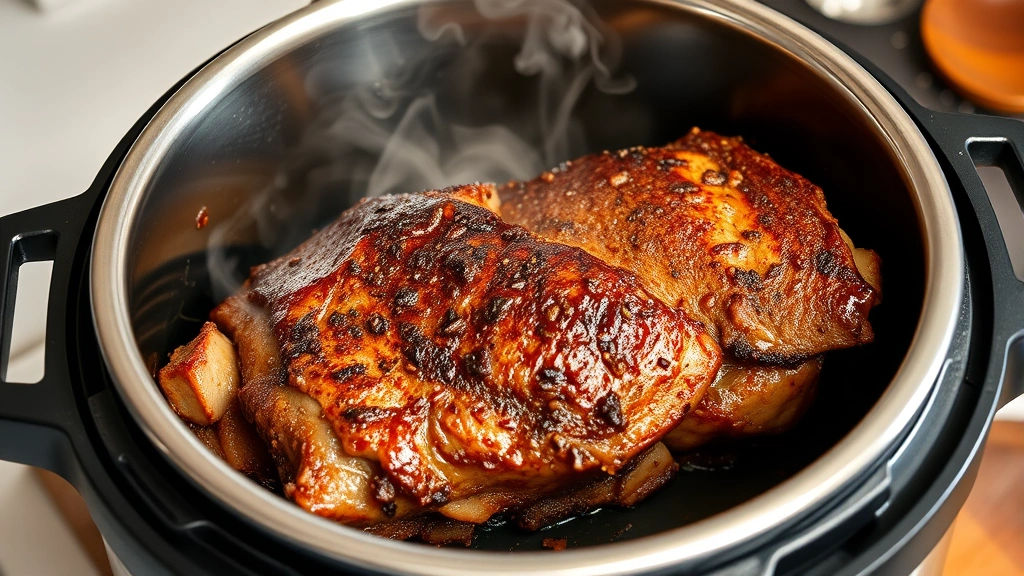
Tender Beef Brisket with Depth: Select a 3-4 pound brisket and pat it dry with paper towels. Season generously with rib rub recipe spices or simple salt and pepper. Sauté on high heat for 4-5 minutes per side until deeply browned. Remove and set aside. Sauté diced onions, carrots, and celery for 3 minutes, then add 2 cups beef broth and deglaze thoroughly. Return the brisket, fat-side up. Cook on high pressure for 50 minutes, then allow natural pressure release for 15 minutes. Slice against the grain and serve with cooking liquid as au jus. The result is impossibly tender meat with concentrated beef flavor.
Chicken in Blackened Seasoning Sauce: Coat chicken breasts or thighs with blackened spices, then sauté briefly in the Instant Pot until the exterior is charred and fragrant, about 2 minutes per side. This creates a flavorful crust. Remove chicken and sauté diced bell peppers and onions for 2 minutes. Add 1 cup chicken broth and a splash of cream, then return chicken. Cook on high pressure for 8 minutes for breasts or 10 minutes for thighs. Quick release pressure and finish with a splash of heavy cream and fresh herbs. The chicken emerges incredibly moist while the sauce carries deep, complex spice flavors.
Tender Pork Carnitas: Use a 3-pound pork shoulder cut into 3-inch chunks. Sauté until browned on multiple sides, about 10 minutes total. Sauté minced garlic, diced onion, and fresh cilantro stems for 2 minutes. Add 1 cup chicken broth, then return pork. Cook on high pressure for 35 minutes with natural pressure release for 10 minutes. Shred the pork directly in the Instant Pot—it will fall apart effortlessly. The meat develops incredible depth and tenderness that rivals traditional slow-cooked versions but requires only 45 minutes total.
Fish and Seafood Perfection: Delicate proteins require shorter cooking times and careful attention. Place a trivet in the Instant Pot and add 1 cup water. Arrange a steamer basket on top, then add seasoned fish fillets. Cook on high pressure for just 3-4 minutes depending on thickness. Quick release pressure immediately. The gentle steam cooking preserves delicate texture while the brief cooking time prevents any drying out. Serve with lemon, herbs, and your choice of sauce.
One-Pot Comfort Meals
Some of the Instant Pot’s greatest strengths emerge in complete one-pot meals where proteins, vegetables, and starches cook together, creating harmonious flavor combinations.
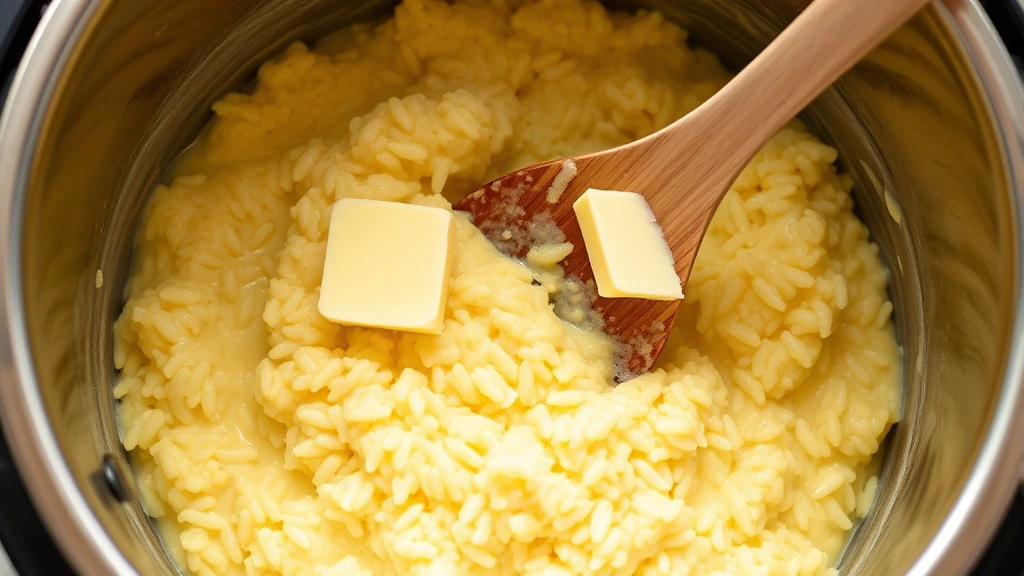
Creamy Risotto in Minutes: Traditional risotto requires constant stirring for 20+ minutes. The Instant Pot delivers equally creamy results in 6 minutes of pressure cooking plus a brief finishing period. Sauté diced onions and minced garlic in butter until softened, then add arborio rice and toast for 2 minutes, stirring frequently. Add 3 cups warm broth and cook on high pressure for 6 minutes. Quick release pressure, then stir vigorously while adding butter, parmesan cheese, and any additional ingredients like mushrooms or roasted garlic. The result rivals restaurant risotto with minimal active work.
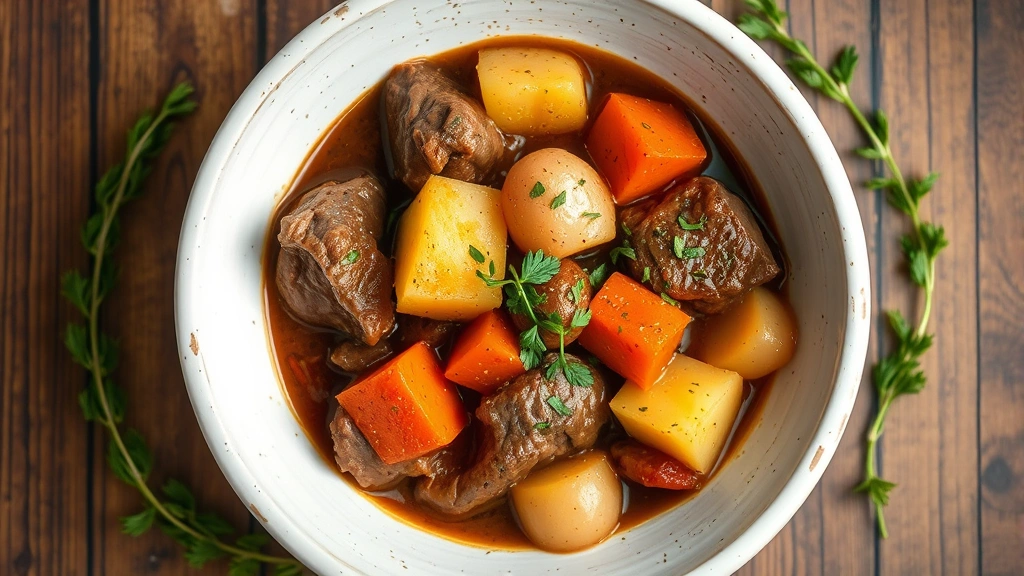
Beef Stew with Complex Flavors: Brown 2 pounds cubed beef chuck, then sauté aromatics with tomato paste for 2 minutes. Add 3 cups beef broth, return beef, then add potatoes, carrots, celery, and herbs. Cook on high pressure for 25 minutes with natural pressure release. The long, slow-seeming pressure cooking time actually cooks the vegetables perfectly while the meat becomes fork-tender. This is genuine comfort food that tastes like it simmered for hours.
Pasta Dishes with Built-in Sauce: Combine browned ground beef or sausage with sautéed onions, garlic, and tomato paste. Add canned tomatoes, broth, and pasta (uncooked) directly to the pot. Cook on high pressure for half the pasta package’s recommended time. The pasta absorbs the liquid, creating a naturally thick sauce rather than requiring separate cooking and draining. Add fresh basil and parmesan after cooking. This approach reduces cleanup while building better flavor integration.
Legume-Based Dishes: Dried beans that normally require overnight soaking and hours of cooking become tender in the Instant Pot. Combine soaked or unsoaked beans with aromatics, spices, and broth. Cook on high pressure for 20-30 minutes depending on bean type. The pressure cooking not only speeds cooking but also makes beans more digestible by breaking down complex sugars. Finish with your choice of garnishes and seasonings. You can also make beef bone broth recipe variations by combining bones, vegetables, and aromatics for 2 hours on high pressure.
Flavor Foundations and Aromatics
Professional cooking recognizes that flavor development happens in layers. The Instant Pot’s design allows for these layered approaches that create restaurant-quality depth.
Building Umami: Umami, the savory fifth taste, comes from glutamates and nucleotides present in ingredients like aged parmesan, mushrooms, tomato paste, soy sauce, and properly browned meat. In the Instant Pot, develop umami by thoroughly browning proteins, using tomato paste, incorporating mushrooms, and finishing with aged cheese. These elements combined create profound savory satisfaction that makes dishes feel complete and satisfying.
Incorporating Carne Asada Marinade Recipe Principles: The citrus and spice elements from traditional marinades work beautifully in Instant Pot cooking. Add lime juice, cumin, chiles, and cilantro to your braise liquids for Mexican-inspired dishes. The pressure cooking helps these flavors penetrate the meat while the acidity brightens the overall dish. This technique transforms simple proteins into restaurant-quality presentations.
Herb Integration: Fresh herbs added before pressure cooking will lose their delicate qualities, so reserve most fresh herbs for finishing. However, hardy herbs like thyme, rosemary, and bay leaves withstand pressure cooking beautifully and contribute depth to your braise liquid. Add these at the beginning. Tender herbs like basil, cilantro, and parsley go in after cooking to maintain their bright, fresh character.
Spice Blooming: Sauté whole or ground spices in fat for 1-2 minutes before adding liquid. This blooming process activates essential oils and distributes spice flavors throughout the dish. A brief sauté of cumin, coriander, or other spices creates noticeably better results than simply adding them to liquid. This simple technique, borrowed from Indian cooking traditions, transforms Instant Pot dishes from one-dimensional to complex.
Acid Balance: A squeeze of lemon juice, splash of vinegar, or dollop of yogurt added after cooking brightens heavy dishes and creates better balance. Professional chefs always taste and adjust acid at the end. The Instant Pot’s sealed environment concentrates flavors, sometimes making dishes taste heavier than desired. A small amount of acid cuts through richness and makes all other flavors pop forward.
Pro Tips for Perfect Results
Liquid Ratios Matter: The Instant Pot requires minimum liquid to generate steam, but too much liquid dilutes your sauce. The general rule is 1 cup liquid per 5 minutes of pressure cooking for most dishes. However, ingredients release their own moisture, so adjust based on what you’re cooking. Vegetables release significant liquid, while dried beans require more liquid. Start with recommended amounts and adjust in future batches based on your results.
Prevent Burn Notices: The “Burn” warning appears when food particles stick to the heating element, preventing steam generation. Prevent this by ensuring enough liquid touches the bottom of the pot, avoiding thick pastes in the bottom, and using the trivet for delicate foods. If you get a burn notice, quick release pressure, stir, add more liquid if needed, and restart. It’s inconvenient but easily avoided with proper technique.
Validate Your Instant Pot: Not all Instant Pots cook identically. Variations in sealing quality, heating element efficiency, and sensor calibration mean cooking times vary slightly between units. Keep notes on your cooking times and adjust future batches accordingly. After a few uses, you’ll understand your specific unit’s personality.
Prepare Ingredients Properly: Cut vegetables uniformly so they cook at the same rate. Pat meat dry before browning so it sears rather than steams. Bring cold broth to room temperature if possible to reduce initial heating time. These small preparations compound into better results and more consistent cooking times.
Finish with Boursin Pasta Recipe Style Additions: Just as garlic and herb butters elevate simple pasta, finishing your Instant Pot dishes with compound butters, fresh herbs, or quality cheese elevates them from good to exceptional. A pat of herb butter melted into soup, a sprinkle of fresh cilantro over curry, or a handful of parmesan in risotto takes minimal effort but creates noticeable impact.
Use the Sauté Function for Finishing: After pressure cooking, use the sauté function to reduce excess liquid, create a glaze, or finish a sauce. This active finishing step prevents your dish from tasting steamed and creates more complex, refined results. Reduce cooking liquid by half to concentrate flavors and create a silky sauce consistency.
Invest in Quality Accessories: A good trivet, silicone steamer basket, and stainless steel insert dramatically expand your Instant Pot capabilities. These accessories enable proper steaming, allow for layered cooking, and make cleanup easier. Quality accessories transform the Instant Pot from a pressure cooker into a versatile cooking platform.
FAQ
How long does it take to come to pressure?
Pressure buildup typically takes 5-15 minutes depending on the amount of liquid and ingredients. This time varies based on starting temperature and how full your pot is. This preheat time isn’t counted in your pressure cooking time—only the actual time under pressure matters for your recipe.
Can I cook frozen meat in the Instant Pot?
Yes, but add 50% more cooking time than fresh meat requires. Frozen meat takes longer to reach the cooking temperature, but the Instant Pot handles it well. However, browning frozen meat is impossible, so you lose the flavor development from searing. When possible, thaw meat beforehand for better results.
Why is my meat tough?
Tough results usually indicate insufficient cooking time or improper pressure release. Ensure your recipe uses adequate pressure cooking time for your specific cut and size. Also verify that pressure actually built—if the pot never sealed properly, cooking won’t occur. If you’re using quick release on large pieces, try natural pressure release instead to allow gradual carryover cooking.
How do I prevent mushy vegetables?
Layer vegetables strategically, placing hardy vegetables on the bottom and delicate ones on top. Use the trivet to elevate more delicate items. Alternatively, add vegetables during the last few minutes of cooking using the sauté function after pressure cooking. This keeps them properly textured rather than overcooked.
Can I make desserts in the Instant Pot?
Absolutely. Cheesecakes, custards, brownies, and rice puddings all pressure cook beautifully using the water bath method. Place a trivet in the pot, add water, then place your cheesecake or pudding on the trivet. Cook according to recipe instructions. The moist environment creates incredibly creamy results.
What’s the difference between the Instant Pot models?
Various models differ in size, number of preset programs, and wattage. The basic cooking function remains the same across models. For beginners, a 6-quart model with basic pressure cooking functions suffices. Advanced models with additional programs don’t necessarily produce better results—understanding technique matters more than having every preset available.


