
The Best Carne Asada Marinade? Chef Approved!
Carne asada has become a beloved staple at backyard barbecues and Mexican restaurants alike, but the secret to truly exceptional carne asada lies in the marinade. A properly crafted carne asada marinade recipe transforms simple cuts of beef into tender, flavorful masterpieces that capture the authentic taste of Mexico. Whether you’re preparing for a family gathering or impressing guests with restaurant-quality results, understanding the fundamentals of this marinade will elevate your grilling game considerably.
The magic of carne asada marinade isn’t just about mixing random ingredients together. It’s a careful balance of acidic components, aromatic spices, fresh herbs, and fat that work synergistically to penetrate the meat, break down tough muscle fibers, and infuse deep, complex flavors. Professional chefs understand that the marinade process is as important as the cooking method itself, which is why this guide will walk you through everything you need to know to create restaurant-quality results at home.

What Makes the Perfect Carne Asada Marinade
The foundation of exceptional carne asada begins with understanding the three critical components that define any successful marinade: acid, fat, and flavor. The acid—whether from citrus juices, vinegar, or other sources—serves a dual purpose. It tenderizes the meat by denaturing proteins and breaking down collagen, while simultaneously helping to distribute flavors more evenly throughout the protein. The fat carries flavor compounds that water cannot dissolve, ensuring that aromatic oils from spices and herbs penetrate deeply into the meat. The flavor profile, built from spices, herbs, and aromatics, creates the distinctive taste that defines authentic carne asada.
Professional chefs recognize that the best marinades contain a balance of these elements in proportions that complement the specific cut of beef being used. Tougher cuts with more connective tissue benefit from longer marinating times and stronger acidic components, while premium cuts like skirt steak or carne asada-specific cuts require gentler treatment to avoid over-marinating and compromising texture. Understanding these principles allows you to adjust recipes based on what’s available at your local butcher or grocery store.
The science behind marinating reveals why timing matters. The initial hours of marinating involve the acid penetrating the outer layers of meat. Between six and twelve hours, the marinade works deeper into the muscle structure. Beyond twenty-four hours, the acid can begin breaking down the proteins too aggressively, potentially resulting in a mushy texture rather than the desired tenderness. This is why experienced cooks recommend a sweet spot of eight to twenty-four hours for optimal results.
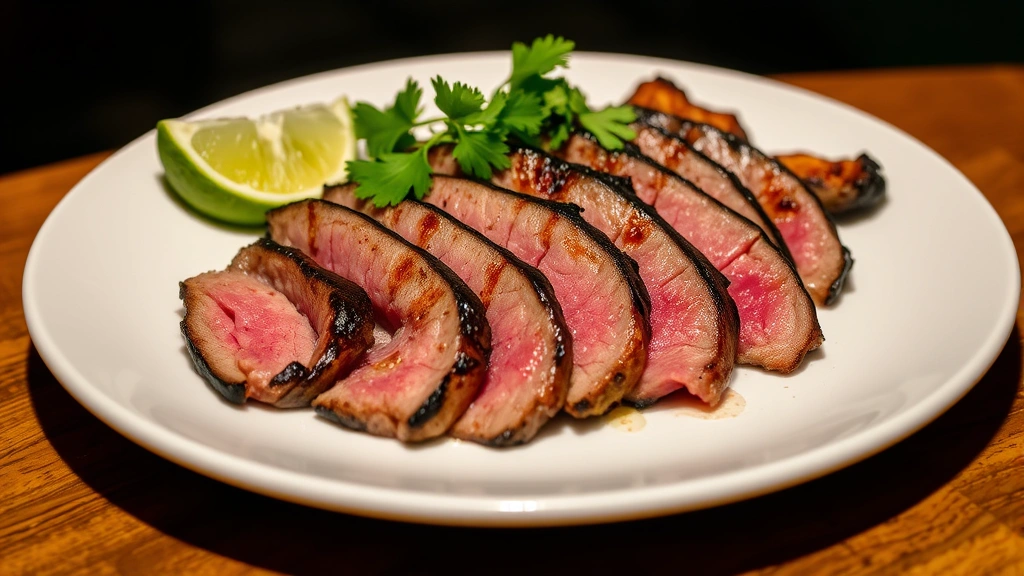
Essential Ingredients Breakdown
Citrus Juices: Fresh lime juice and orange juice form the acidic backbone of authentic carne asada marinades. Lime juice provides bright, sharp acidity with a distinctive flavor that defines the dish, while orange juice adds subtle sweetness and helps balance the acid’s intensity. Always use fresh-squeezed citrus when possible—bottled versions contain preservatives that can interfere with the marinating process. A typical marinade uses equal parts lime and orange juice, usually about one cup of combined citrus juice for a two-pound batch of meat.
Vinegar: White vinegar or apple cider vinegar can complement or replace some of the citrus juice, providing additional acidity and a subtle tang. Many traditional recipes incorporate a quarter cup of vinegar to deepen the flavor profile. The choice between vinegars affects the final taste—white vinegar is more neutral and allows other flavors to shine, while apple cider vinegar adds a fruity note that some chefs prefer.
Oil: High-quality olive oil is essential, typically using one-third to one-half cup per marinade batch. The oil not only carries fat-soluble flavors but also helps protect the meat’s surface during grilling, preventing excessive charring while allowing proper browning. Some chefs prefer a combination of olive oil and vegetable oil, with olive oil providing flavor and vegetable oil offering a higher smoke point for grilling.
Garlic and Onion: Fresh garlic cloves—usually four to six, minced or sliced—provide pungent, complex flavors that develop and mellow during the marinating process. White or yellow onion, chopped into small pieces, adds sweetness and aromatic compounds that complement the citrus and spices. These aromatics are non-negotiable in authentic carne asada marinades.
Fresh Herbs: Cilantro and Mexican oregano are the traditional herbs of choice. Cilantro brings a bright, fresh note that cuts through the richness of the meat, while oregano—particularly the Mexican variety, which is more citrusy than Mediterranean oregano—provides earthy, slightly minty undertones. Use about one-quarter cup of fresh cilantro and one tablespoon of dried oregano, adjusting to personal preference.
Spices: Cumin, chili powder, and paprika form the spice foundation. Cumin provides warmth and earthiness with subtle citrus notes, making it particularly complementary to the lime juice. Chili powder adds depth and gentle heat, while smoked paprika introduces a subtle smokiness that echoes the grilling process to come. A pinch of red pepper flakes can increase heat for those who prefer spicier marinades.
Salt and Pepper: Quality sea salt and freshly ground black pepper are essential. Salt not only seasons the meat but also helps it retain moisture during cooking through a process called dry brining when applied in advance. Use kosher salt for better control over saltiness, as its larger crystals are easier to measure accurately.
Step-by-Step Marinade Recipe
Ingredients (serves 4-6 people, approximately 2 pounds of beef):
- 1 cup fresh lime juice (approximately 6-8 limes)
- 1/2 cup fresh orange juice
- 1/4 cup white vinegar or apple cider vinegar
- 1/2 cup extra virgin olive oil
- 6 garlic cloves, minced
- 1 medium white onion, finely chopped
- 1/4 cup fresh cilantro, chopped
- 1 tablespoon dried Mexican oregano
- 2 teaspoons ground cumin
- 1 teaspoon chili powder
- 1 teaspoon smoked paprika
- 1/2 teaspoon red pepper flakes (optional)
- 2 teaspoons kosher salt
- 1 teaspoon freshly ground black pepper
- 2 tablespoons honey or agave nectar (optional, for balancing acidity)
Instructions:
- Prepare your mixing vessel: Use a large non-reactive bowl (glass, ceramic, or food-grade plastic). Avoid metal bowls, as the acid in the marinade can react with certain metals and affect both flavor and safety.
- Combine citrus and vinegar: Pour the lime juice, orange juice, and vinegar into your bowl. Stir well to combine. If you prefer a less acidic marinade, reduce the vinegar by one-quarter and increase the oil by the same amount.
- Add the oil: Slowly drizzle in the olive oil while whisking continuously. This helps emulsify the mixture and distribute the oil evenly throughout the marinade, creating a more cohesive flavor profile.
- Incorporate aromatics: Add the minced garlic and chopped onion. Stir thoroughly, ensuring the garlic is evenly distributed. The onion will soften during marinating and distribute its flavors throughout the liquid.
- Mix herbs and spices: Add the cilantro, oregano, cumin, chili powder, paprika, and red pepper flakes if using. Stir well, breaking up any clumps of dried herbs. The mixture should be aromatic and well-combined.
- Season and balance: Add the kosher salt and black pepper. Taste the marinade—it should be bold and flavorful since it will season the meat. If it tastes too acidic, add the honey or agave nectar to balance the flavors. The sweetness shouldn’t be noticeable but should round out the sharp edges of the acid.
- Final adjustment: Stir the entire mixture one final time, ensuring all ingredients are well incorporated. The marinade should be aromatic, with visible flecks of garlic, onion, and cilantro throughout.
This base recipe can be adjusted based on personal preferences and available ingredients. Some cooks add a splash of beer or tequila for additional complexity, while others incorporate fresh jalapeños for extra heat. The beauty of understanding the fundamentals is that you can customize while maintaining the essential balance.
Marinating Time and Techniques
The duration of marinating significantly impacts the final result. Short marinades (2-4 hours) work best for thin cuts like carne asada-specific skirt steak, allowing surface flavoring without over-tenderizing. Medium marinades (8-12 hours) are ideal for most cuts and provide optimal flavor penetration and tenderization. Extended marinades (18-24 hours) work well for tougher cuts and develop deeper, more complex flavors as the ingredients continue to meld.
When preparing your beef for marinating, pat it dry with paper towels before adding it to the marinade. Moisture on the surface can dilute the marinade and prevent proper flavor absorption. Place the meat in a large, shallow container—a glass baking dish or large zip-lock bag works perfectly. Pour the marinade over the meat, ensuring it’s completely submerged. If using a bag, remove as much air as possible before sealing.
During marinating, turn the meat every few hours if possible. This ensures even exposure to the marinade and prevents any portions from becoming over-marinated while others remain under-marinated. If marinating in the refrigerator (which is essential for food safety), remove the meat thirty minutes before grilling to allow it to reach closer to room temperature, which promotes more even cooking.
Many home cooks wonder if they can reserve some marinade as a sauce. The answer is yes, but only if you set aside a portion before adding raw meat. Never use marinade that has contacted raw meat as a serving sauce unless it’s been brought to a rolling boil for at least one minute to eliminate potential pathogens. Better yet, prepare a separate batch of the same marinade specifically for serving.
Grilling Your Marinated Beef
Proper grilling technique is crucial for transforming your perfectly marinated beef into carne asada perfection. Before grilling, remove the meat from the refrigerator and let it sit at room temperature for twenty to thirty minutes. This allows the interior to warm up, promoting more even cooking throughout the meat. While the meat rests, prepare your grill for high-heat cooking.
Pat the marinated beef dry with paper towels before placing it on the grill. Excess marinade on the surface can cause flare-ups and prevent proper browning. The goal is to achieve a flavorful crust while maintaining a tender, juicy interior. Preheat your grill to medium-high heat, approximately 400-450°F for gas grills or until coals are hot and glowing for charcoal.
Place the beef directly over the heat source and resist the urge to move it around. Let it cook undisturbed for 3-4 minutes to develop a proper crust. Flip the meat and cook for another 3-4 minutes for medium-rare doneness. Use an instant-read meat thermometer to check for desired doneness: 130-135°F for medium-rare, 135-145°F for medium. Remember that the meat will continue to cook slightly after removal from the grill.
Once cooked to your preference, remove the beef from the grill and let it rest on a cutting board for five to ten minutes. This crucial step allows the juices to redistribute throughout the meat, ensuring it remains moist when sliced. Slice against the grain into quarter-inch strips, which maximizes tenderness and allows the marinade flavors to be distributed throughout each bite.
Common Mistakes to Avoid
Over-marinating: Leaving meat in acidic marinades for more than twenty-four hours can result in a mushy texture. The acid will continue breaking down proteins excessively, compromising the meat’s structure. Set a timer and stick to recommended marinating times.
Using bottled lime juice: Bottled citrus juice contains preservatives and lacks the fresh flavor of squeezed fruit. The difference is noticeable in the final dish. Taking five minutes to squeeze fresh citrus is worth the effort.
Insufficient salt: Undersalting the marinade results in bland meat. Remember that salt seasons the meat and helps it retain moisture. Don’t be shy with kosher salt, as its larger crystals make it easier to measure accurately.
Skipping the rest period: Cutting into meat immediately after grilling causes juices to escape onto the plate rather than remaining in the meat. Those ten minutes of resting time are essential for achieving juicy results.
Using cold meat: Grilling meat straight from the refrigerator leads to uneven cooking with a cold interior and overcooked exterior. Always allow meat to reach room temperature before grilling.
Neglecting to pat dry: Wet surfaces prevent proper browning and can cause sticking. Pat meat dry before placing it on the grill for optimal results.
Chef Tips for Maximum Flavor
Professional chefs employ several techniques to elevate carne asada beyond the basic recipe. One advanced approach involves creating a dry marinade paste that’s applied to the meat several hours before the wet marinade. This involves combining the spices, herbs, salt, and minced garlic with a small amount of oil to create a paste. Rubbing this onto the meat and allowing it to sit for 2-4 hours before adding the liquid marinade creates multiple layers of flavor development.
Another professional technique involves using Greek yogurt as a marinade component. While not traditional, adding two to three tablespoons of Greek yogurt to the marinade creates a creamier base that helps the meat retain moisture while tenderizing it gently. The yogurt’s natural enzymes work alongside the acid to break down tough fibers without the risk of over-marinating.
Consider the quality of your ingredients as a direct investment in your final dish. Sourcing organic vs non-organic ingredients can affect both flavor and nutritional value. Premium beef from grass-fed cattle takes marinades differently than grain-fed varieties, often requiring slightly less marinating time due to different fat distribution and muscle structure.
Many chefs recommend preparing your marinade a day in advance, allowing the flavors to meld and develop before it contacts the meat. This pre-marination blending creates a more cohesive, integrated flavor profile. Additionally, some chefs add a tablespoon of soy sauce or fish sauce to their marinades for umami depth—these additions are subtle but create complexity that guests will notice without identifying the source.
Temperature control during grilling is paramount. Using a dual-zone grill setup—with one side at high heat and one at medium—allows you to sear the meat quickly over high heat and then finish it more gently over medium heat if needed. This prevents charring while ensuring proper internal cooking.
For those interested in exploring complementary flavors, preparing homemade salad dressings with similar citrus and cilantro profiles creates a cohesive meal. The flavors echo each other, creating a unified dining experience. Additionally, serving carne asada with summer salad recipes featuring fresh vegetables and lime vinaigrettes balances the rich, marinated beef perfectly.
For those seeking additional grilling guidance, resources like Serious Eats offer detailed cooking science explanations, while Fine Cooking provides professional chef perspectives on technique. The International Association of Culinary Professionals maintains resources for understanding food preparation science, and ChefSteps offers detailed cooking videos demonstrating proper marinating and grilling techniques.
FAQ
Can I prepare carne asada marinade without citrus juice?
While citrus is traditional, you can substitute with vinegar-based marinades using equal parts vinegar and water, adjusting spices accordingly. However, the distinctive bright flavor will be different. For best results, citrus is really worth sourcing.
How long can I store prepared marinade before using it?
Prepared marinade keeps refrigerated for up to five days. You can also freeze it for up to three months, thawing it in the refrigerator before using. Freezing actually helps flavors develop and meld over time.
Is it safe to reuse marinade that’s been in contact with raw meat?
No, you should never reuse marinade that has contacted raw meat unless it’s boiled for at least one minute first. For safety, always reserve a portion of marinade before adding raw meat if you plan to use it as a sauce.
What’s the best cut of beef for carne asada?
Skirt steak is the traditional choice due to its rich flavor and ideal texture when properly marinated. Flank steak, carne asada-specific cuts, and even thin-sliced ribeye work well. Avoid very lean cuts like tenderloin, which can dry out.
Can I marinate in a metal bowl?
It’s best to avoid metal bowls, as the acid in the marinade can react with certain metals, affecting flavor and potentially compromising the bowl. Glass, ceramic, or food-grade plastic containers are ideal.
What if I don’t have Mexican oregano?
Mediterranean oregano can substitute in a pinch, though it’s more earthy and less citrusy. Use the same amount, but be aware the flavor profile will shift slightly. If possible, order Mexican oregano online for authentic results.
How do I know when my carne asada is done grilling?
Use an instant-read meat thermometer for accuracy. Medium-rare (the recommended doneness) registers 130-135°F. Remember the meat continues cooking slightly after removal from the grill, so remove it slightly before reaching target temperature.
Can I marinate frozen meat?
Thaw meat completely before marinating. Frozen meat won’t absorb marinade properly, and partially thawed meat may not marinate evenly. Always thaw in the refrigerator, which takes 24 hours for thick cuts.


