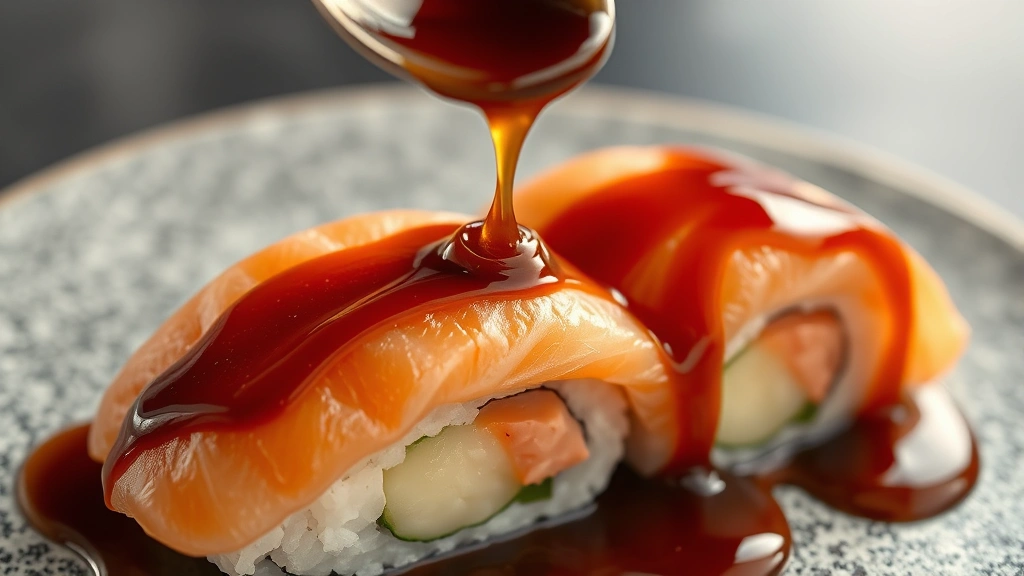
How to Make Eel Sauce: Expert Tips for Perfect Homemade Glazes
Eel sauce, known as unagi no tare in Japanese cuisine, is a rich, glossy glaze that transforms simple proteins and vegetables into restaurant-quality dishes. This sweet and savory condiment has become a staple in sushi bars and Asian restaurants worldwide, yet many home cooks remain intimidated by the prospect of making it from scratch. The truth is, creating authentic eel sauce at home requires only a handful of ingredients and basic cooking techniques—no specialized equipment or culinary degree necessary.
Whether you’re preparing nigiri sushi, grilled fish fillets, or even glazed vegetables, understanding how to craft the perfect eel sauce elevates your cooking repertoire significantly. This guide walks you through every step, from ingredient selection to troubleshooting common mistakes, ensuring you achieve that coveted glossy finish and complex flavor profile that defines exceptional eel sauce.
What Is Eel Sauce and Why It Matters
Eel sauce is fundamentally a reduction of soy sauce, mirin, and sugar combined through careful heating to create a thick, glossy coating that clings beautifully to food. Despite its name, traditional eel sauce contains no actual eel—instead, it earned this designation because Japanese chefs historically used this glaze to coat grilled eel (unagi), where it became legendary for enhancing the fish’s natural flavors.
The significance of eel sauce extends beyond sushi preparation. This versatile condiment serves as a flavor bridge between sweet and umami-rich savory notes, making it ideal for:
- Drizzling over sushi rolls and nigiri
- Glazing grilled fish, chicken, and tofu
- Finishing roasted vegetables
- Dipping sauce for tempura and fried appetizers
- Marinade base for Asian-inspired proteins
Understanding the science behind eel sauce helps you appreciate why precise cooking temperatures and timing matter. When soy sauce and mirin combine with heat, the natural sugars caramelize while the salty soy components concentrate, creating layers of flavor complexity. The reduction process transforms thin, liquid ingredients into a glossy coating with the perfect viscosity to adhere to food without running off.
Essential Ingredients Breakdown
Creating authentic eel sauce requires understanding each ingredient’s role. Unlike some recipes that call for obscure specialty items, genuine eel sauce relies on three primary components readily available at most supermarkets and Asian markets.
Soy Sauce: The foundation of eel sauce, soy sauce provides umami depth and saltiness. Use high-quality Japanese soy sauce (shoyu) rather than Chinese varieties, as Japanese soy sauce offers a more refined, balanced flavor profile. The fermentation process in quality soy sauces develops complex notes that inferior versions cannot replicate. Avoid low-sodium varieties, as the salt concentration directly impacts the sauce’s ability to reduce properly and achieve the correct consistency.
Mirin: This sweet rice wine contributes natural sweetness and a subtle fermented complexity. Mirin exists in three varieties: hon-mirin (true mirin with 14% alcohol content), shio-mirin (salted mirin), and ama-mirin (sweet mirin). For eel sauce, hon-mirin delivers the most authentic results, though ama-mirin works acceptably if hon-mirin proves unavailable. Mirin’s glucose content creates the glossy sheen characteristic of properly made eel sauce, so this ingredient cannot be substituted with simple sugar alone.
Sugar: While mirin provides sweetness, additional sugar intensifies the glaze and helps achieve the ideal consistency. Use granulated white sugar for the most neutral flavor and predictable results. Some cooks prefer brown sugar for deeper caramel notes, though this is a matter of personal preference and slightly alters the final color.
Optional Flavor Enhancers: Many chefs add sake (Japanese rice wine) for additional depth, though this remains optional. A small amount of rice vinegar can balance excessive sweetness, and some recipes include ginger, garlic, or dashi (Japanese stock) for specialized applications.
Step-by-Step Recipe Instructions
Basic Eel Sauce Recipe (Makes approximately 3/4 cup)
Ingredients:
- 1/2 cup soy sauce
- 1/4 cup mirin
- 3 tablespoons sugar
- 1 tablespoon sake (optional)
Instructions:
- Combine soy sauce, mirin, sugar, and sake in a small saucepan. Use a medium-sized pot to allow adequate surface area for reduction without splattering.
- Place the saucepan over medium-high heat. Do not cover the pot, as steam must escape during the reduction process.
- Bring the mixture to a gentle boil, stirring occasionally to ensure sugar dissolves completely. Watch for small bubbles breaking the surface—this indicates proper heat level.
- Once boiling, reduce heat to medium. The mixture should maintain a gentle, rolling boil with steady steam production but should not violently bubble.
- Allow the sauce to reduce for 8-12 minutes, depending on your desired thickness. Stir occasionally to prevent burning on the bottom.
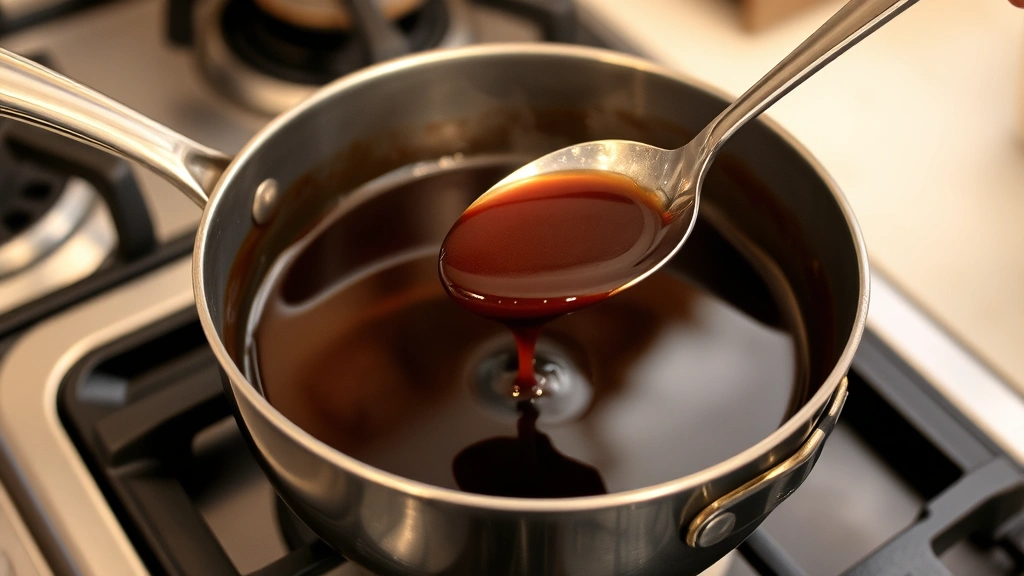
- Test consistency by dipping a spoon into the sauce. Tilt the spoon horizontally—the sauce should coat the back and slowly drip off. If it runs immediately, continue cooking.
- Remove from heat when the sauce reaches your desired consistency. Remember that the sauce continues thickening as it cools, so remove it slightly thinner than your target consistency.
- Allow the sauce to cool completely before transferring to a storage container. The cooling process further thickens the glaze.
- If the sauce becomes too thick after cooling, warm it gently over low heat or add small amounts of water to thin.
This basic formula serves as your foundation. Once you master the technique, you can adjust the ratio of ingredients to suit your taste preferences. Some cooks prefer sweeter sauce (increase mirin), while others favor deeper umami (reduce sugar slightly).
Cooking Techniques for Perfect Consistency
Achieving the ideal eel sauce consistency separates amateur attempts from professional-quality results. The target thickness resembles honey or light maple syrup—thick enough to coat food visibly but fluid enough to pour and distribute evenly.
Temperature Control: Maintaining consistent heat throughout the reduction process proves critical. Medium-high heat initiates the boil quickly, but medium heat during reduction prevents scorching while allowing proper evaporation. If your heat is too high, the sauce reduces too quickly, potentially burning before adequate thickening occurs. Conversely, insufficient heat extends cooking time and may cause uneven reduction.
The Spoon Test: Professional cooks rely on the spoon test to gauge doneness accurately. Dip a metal spoon into the sauce, then hold it horizontally over the pot. The sauce should coat the entire back of the spoon. Tilt the spoon slightly—properly reduced sauce should slowly drip off rather than running immediately. This visual indicator accounts for variations in pot size, stove type, and ingredient batches.
Timing Considerations: While the recipe suggests 8-12 minutes, your specific timing depends on several factors. A wider pot accelerates evaporation, potentially reducing cooking time by 2-3 minutes. Conversely, narrower pots with less surface area may require additional time. The altitude where you cook also affects water evaporation rates—those at higher elevations may need slightly longer cooking times.
Cooling and Setting: Remember that eel sauce thickens significantly as it cools. Remove the sauce from heat when it appears slightly thinner than your target consistency—it will firm up during cooling. If you remove it too thick, reheating becomes necessary, and repeated heating can concentrate flavors excessively or cause crystallization.
Storage and Shelf Life Tips
Properly stored eel sauce maintains quality for extended periods, making batch preparation practical and economical.
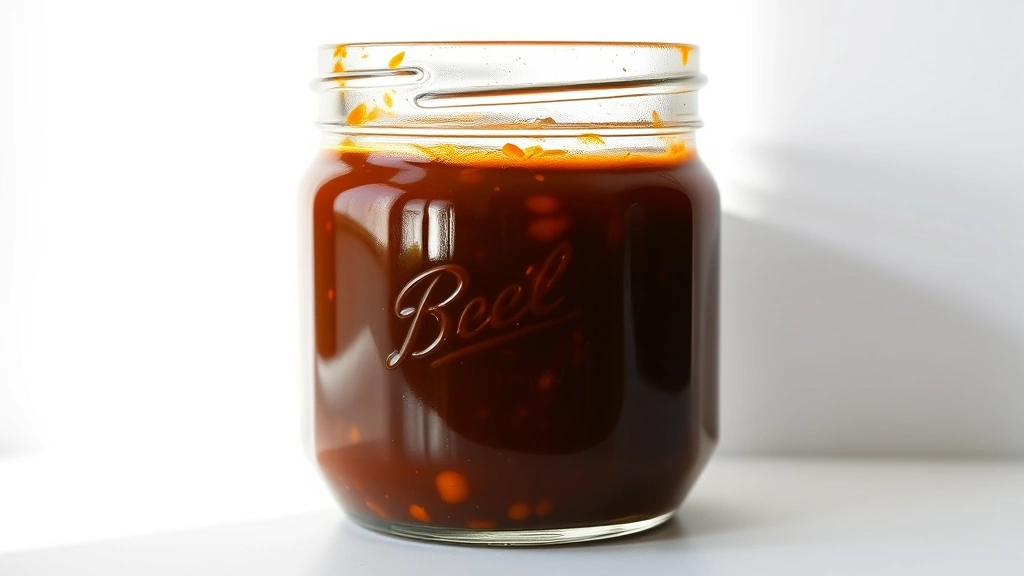
Container Selection: Transfer cooled eel sauce to clean glass jars or airtight plastic containers. Glass preserves flavor better than plastic, which can absorb odors and discolor over time. Ensure containers are completely dry before filling to prevent water dilution.
Refrigerator Storage: Eel sauce keeps refrigerated for up to two months. The high sugar and salt content act as natural preservatives, inhibiting bacterial growth. Store containers away from strong-smelling foods, as the sauce can absorb odors.
Freezer Storage: For longer preservation, freeze eel sauce in ice cube trays for convenient portioning. Once frozen, transfer cubes to freezer bags. Frozen eel sauce maintains quality for up to six months. Thaw frozen sauce in the refrigerator overnight before use.
Shelf Stability: Properly made eel sauce with correct sugar and salt ratios can remain shelf-stable in sealed containers for several weeks at room temperature. However, refrigeration remains the safest option for home preparations, as commercial versions use preservatives and specialized processing.
Variations and Creative Applications
Once you master the basic eel sauce, explore variations that expand your culinary possibilities. These modifications maintain the sauce’s essential character while introducing new flavor dimensions.
Spicy Eel Sauce: Add 1/2 to 1 teaspoon of sriracha or 1/4 teaspoon cayenne pepper during the final minute of cooking. This variation pairs beautifully with grilled fish and adds excitement to sushi rolls.
Garlic-Ginger Eel Sauce: Include 1 tablespoon minced fresh ginger and 2 cloves minced garlic at the beginning of cooking. These aromatics infuse the sauce with warming spice and complexity, ideal for glazing chicken or vegetables.
Citrus-Infused Version: Add 1 tablespoon fresh lime or yuzu juice at the end of cooking. The acidity brightens the sauce and provides refreshing contrast to rich proteins.
Dashi-Enhanced Sauce: Replace 2 tablespoons of soy sauce with dashi (Japanese stock) for a more delicate, umami-forward profile. This variation works exceptionally well with delicate white fish.
Consider pairing these variations with complementary drinks. The watermelon margarita recipe offers refreshing contrast to spicy eel sauce applications, while the cadillac margarita recipe provides sophisticated pairing options for upscale Asian-fusion dinners. For non-alcoholic options, the chia water recipe creates a nutritious palate cleanser between courses.
Application Beyond Asian Cuisine: While rooted in Japanese tradition, eel sauce transcends cultural boundaries. Drizzle it over grilled steak for umami enhancement, use it as a glaze for roasted root vegetables, or incorporate it into cold foam recipe applications for innovative plating presentations. The sauce’s versatility makes it invaluable for creative cooks exploring fusion cuisine.
Common Mistakes to Avoid
Overcooking the Sauce: The most frequent error involves reducing the sauce too much. Excessively thick sauce becomes difficult to apply and can crystallize as it cools. Remember that cooling causes additional thickening—aim for slightly thinner consistency while hot.
Using Low-Quality Soy Sauce: Cheap soy sauce contains additives and lacks the complexity of premium varieties. This directly compromises the final sauce quality, as soy sauce comprises the majority of the recipe. Invest in quality—it makes a measurable difference.
Skipping the Cooling Period: Attempting to use eel sauce while still hot prevents accurate consistency assessment. Always allow complete cooling before deciding if additional thickening is necessary.
Substituting Mirin Incorrectly: While honey or corn syrup might seem acceptable substitutes, they produce inferior results lacking mirin’s fermented complexity and proper glossiness. Source authentic mirin—most Asian markets stock it affordably.
Inconsistent Heat Management: Fluctuating between high and low heat produces uneven reduction and potential burning. Maintain steady medium to medium-high heat throughout the cooking process for consistent results.
Contaminating the Sauce: Always use clean spoons when tasting or transferring sauce. Bacteria from used utensils can compromise the sauce’s shelf life, particularly if stored at room temperature.
For additional culinary guidance and advanced techniques, explore resources like Serious Eats, which provides detailed food science explanations for cooking methods. The ChefSteps platform offers video demonstrations of sauce-making techniques, while Auguste Escoffier School of Culinary Arts maintains resources about classical sauce preparation principles. For ingredient sourcing expertise, consult The Spruce Eats ingredient database and Bon Appétit Magazine for quality recommendations from professional chefs.
Visit the Fresh Plated Daily Blog for additional Asian-inspired recipes and sauce variations that complement your eel sauce mastery.
FAQ
Can I make eel sauce without mirin?
While mirin is essential for authentic flavor and proper consistency, you can substitute with honey or brown sugar in equal amounts. However, the sauce will lack mirin’s fermented complexity and may not achieve the same glossy finish. Mirin is worth sourcing for superior results.
How thick should eel sauce be?
The ideal consistency resembles honey or light maple syrup. When coating food, it should visibly cling without immediately running off. The spoon test—sauce slowly dripping from a tilted spoon—indicates proper thickness.
Why is my eel sauce too thin?
Insufficient cooking time is the primary cause. Return the sauce to the stove over medium heat and continue reducing for 2-3 minute intervals, testing consistency with the spoon method until it reaches desired thickness.
Can I use this sauce for purposes beyond sushi?
Absolutely. Eel sauce works beautifully as a glaze for grilled fish, chicken, beef, and vegetables. It also serves as a dipping sauce for tempura and fried appetizers, or as a marinade base for Asian-inspired dishes.
How long does homemade eel sauce last?
Refrigerated in airtight containers, eel sauce keeps for up to two months. Frozen in ice cube trays, it maintains quality for six months. The high sugar and salt content provide natural preservation, making it one of the longest-lasting homemade sauces.
What’s the difference between eel sauce and teriyaki sauce?
While similar in appearance and some ingredients, teriyaki sauce typically contains more mirin and less soy sauce, resulting in sweeter flavor. Eel sauce maintains a better balance between sweet and savory, with more pronounced umami from higher soy sauce ratios.
Can I adjust the sweetness level?
Yes. For sweeter sauce, increase mirin by 1-2 tablespoons. For less sweetness, reduce mirin or sugar slightly. Adjust gradually and test between batches, as preference varies significantly among cooks.


