Delicious Enoki Mushroom Stir-Fry: Tried & Tasty Recipe
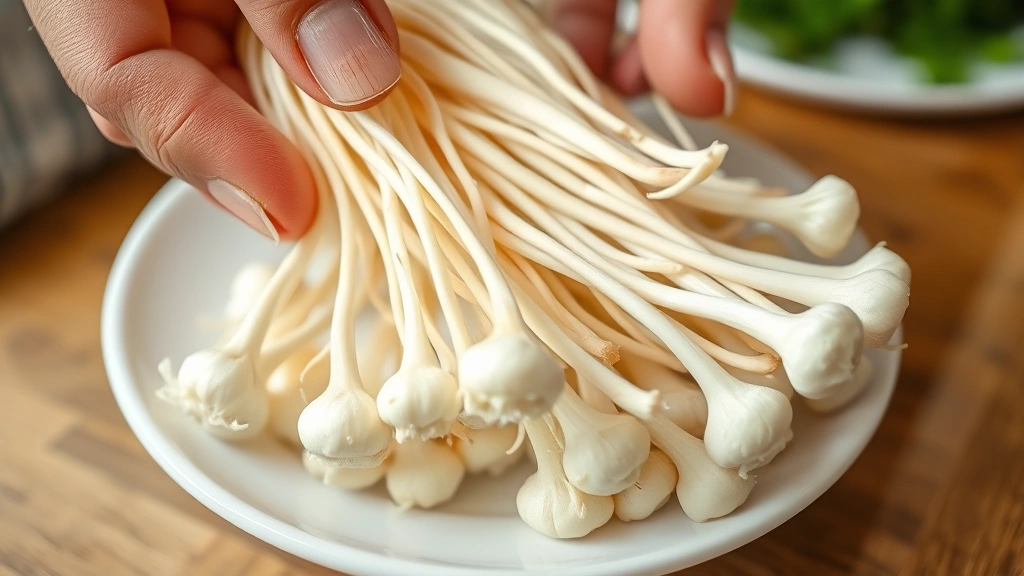
Enoki mushrooms are one of the most delightful ingredients to work with in the kitchen, especially when you’re looking for something quick, healthy, and absolutely delicious. These delicate, thread-like mushrooms with their mild, slightly sweet flavor have become a staple in Asian cuisine and are increasingly popular in home kitchens worldwide. Their unique texture—crispy on the outside yet tender within—makes them perfect for stir-frying, where they develop a beautiful golden color and concentrated umami flavor.
Whether you’re a seasoned home cook or just beginning your culinary journey, this enoki mushroom stir-fry recipe delivers restaurant-quality results in under 20 minutes. The beauty of this dish lies in its simplicity: quality ingredients, proper heat, and the right technique combine to create something truly memorable. I’ve tested this recipe countless times with friends and family, and the feedback has been consistently enthusiastic. People are often surprised by how flavorful such a straightforward dish can be, and many ask for the recipe immediately after their first bite.
This guide will walk you through everything you need to know about preparing perfect enoki mushroom stir-fry at home. From selecting the best mushrooms at your local market to mastering the high-heat cooking technique that creates those irresistible crispy edges, you’ll discover why this humble ingredient deserves a permanent place on your dinner table.
Why Enoki Mushrooms Are Perfect for Stir-Frying
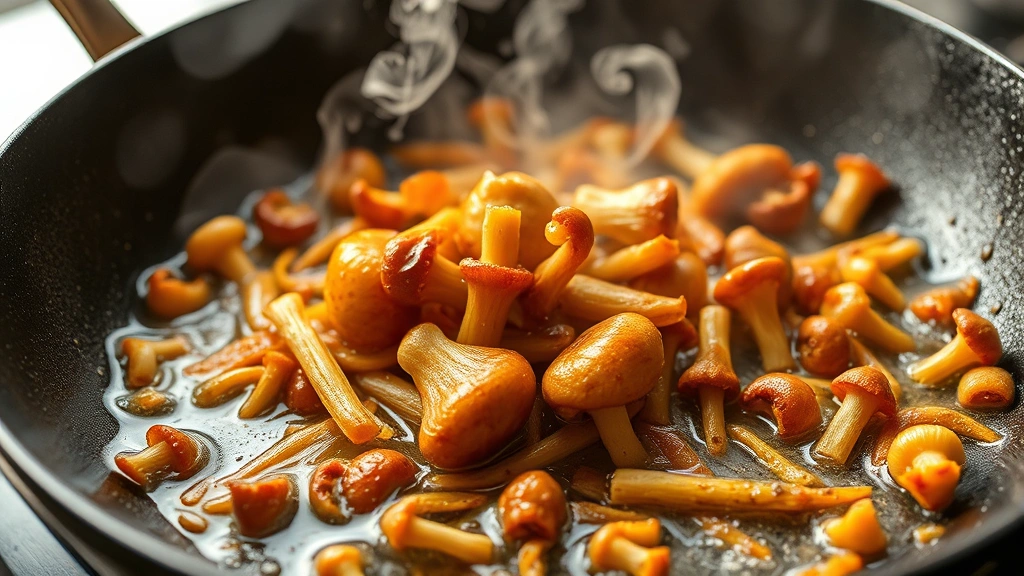
Enoki mushrooms stand out among other mushroom varieties for several compelling reasons when it comes to stir-frying. First, their high water content means they release moisture quickly when exposed to high heat, creating natural steam that helps them cook evenly while developing concentrated flavors. Unlike button or cremini mushrooms, which can become rubbery if overcooked, enoki mushrooms maintain a pleasant textural contrast—the caps become slightly caramelized while the stems stay tender.
The nutritional profile of enoki mushrooms is impressive, too. They’re rich in antioxidants, B vitamins, and amino acids while remaining extremely low in calories. A single cup of raw enoki mushrooms contains only about 24 calories, making them an excellent choice for health-conscious cooks. They also contain compounds that support immune function, which is why they’ve been valued in traditional medicine for centuries.
Another advantage is their delicate flavor that doesn’t overpower other ingredients. Enoki mushrooms act as flavor amplifiers, enhancing the taste of sauces and aromatics rather than competing with them. This makes them incredibly versatile—they work equally well in a simple garlic and soy sauce preparation or in more complex, layered flavor profiles. Their appearance is also visually striking; those thin, elegant stems and small caps create a beautiful presentation that makes home-cooked meals look restaurant-worthy.
Essential Ingredients You’ll Need
Creating an exceptional enoki mushroom stir-fry requires attention to ingredient quality. Here’s what you’ll need to gather before you start cooking:
- Enoki mushrooms: 12-14 ounces (about 2-3 packages). Look for firm, white specimens with no brown spots or slimy appearance
- Vegetable oil: 3 tablespoons. Use avocado oil or refined peanut oil for high-heat cooking
- Garlic: 4-5 cloves, minced finely. Fresh garlic is non-negotiable for the best flavor
- Ginger: 1 tablespoon, minced. This adds warmth and complexity to the dish
- Soy sauce: 3 tablespoons. Choose a quality brand; it’s worth the investment
- Oyster sauce: 1 tablespoon. This adds depth and umami richness
- Rice vinegar: 1 tablespoon. White or unseasoned varieties work best
- Sesame oil: 1 teaspoon. Add this at the end for authentic flavor
- Sugar: 1/2 teaspoon. Just a touch to balance the savory elements
- Red pepper flakes: 1/4 teaspoon (optional). For those who prefer heat
- Green onions: 2 stalks, sliced. For garnish and freshness
- Sesame seeds: 1 teaspoon. For garnish and nuttiness
Understanding how to make homemade sauces will elevate your stir-fry game considerably. Rather than relying on bottled versions, crafting your sauce from these basic components ensures you control the sodium level, sweetness, and overall flavor balance.
Preparing Your Enoki Mushrooms
Proper preparation is crucial for achieving the best results with enoki mushrooms. Unlike larger mushroom varieties that benefit from slicing, enoki mushrooms should be handled more delicately. Start by examining your mushrooms carefully. Separate the clusters gently by hand rather than cutting them. This preserves their delicate structure and allows them to cook more evenly throughout.
Rinse the mushrooms briefly under cool running water, allowing the water to flow through the thin stems. Don’t soak them, as they’ll absorb too much water and become soggy. Pat them dry thoroughly with a clean kitchen towel or paper towels. This step is absolutely essential—moisture is the enemy of achieving those crispy, caramelized edges you’re after. The drier your mushrooms are before they hit the hot oil, the better they’ll brown.
If your enoki mushroom bundles have particularly long stems (more than 3 inches), trim about half an inch from the root end where they were clustered together. This helps them cook more uniformly and improves their appearance on the plate. However, keep the stems as long as possible—they’re one of the most prized parts of the mushroom when properly cooked, becoming delightfully crispy.
Step-by-Step Cooking Instructions
Now comes the exciting part—actually cooking your stir-fry. Follow these steps carefully for consistent, delicious results:
- Heat your wok or large skillet: Place your wok or 12-inch skillet over high heat for at least 2-3 minutes. The pan should be extremely hot; a drop of water should sizzle and evaporate almost instantly. This high heat is what creates those desirable crispy edges on the mushrooms.
- Add oil and wait for it to shimmer: Pour 2 tablespoons of vegetable oil into the hot pan. Let it heat for about 30 seconds until it shimmers and moves freely across the surface. You’ll see slight wisps of smoke—this is exactly what you want.
- Stir-fry the mushrooms first: Add all your prepared enoki mushrooms to the hot oil. Don’t stir immediately. Let them sit undisturbed for 2 minutes, allowing the bottoms to make contact with the hot surface and begin browning. This technique, called “searing,” develops incredible flavor through the Maillard reaction.
- Toss and continue cooking: After 2 minutes, stir the mushrooms constantly for another 3-4 minutes. You’re looking for the caps to turn golden brown and some of the stems to develop light brown spots. The mushrooms should reduce in volume as they release their moisture.
- Create space for aromatics: Push the mushrooms to the sides of the wok, creating a well in the center. Add the remaining 1 tablespoon of oil to this well.
- Toast the garlic and ginger: Add your minced garlic and ginger to the center well. Let them cook undisturbed for about 30 seconds, allowing the residual heat to release their aromatic oils. The kitchen should smell absolutely divine at this point.
- Combine everything: Stir the garlic and ginger into the mushrooms, mixing well for about 30 seconds. This distributes the aromatics evenly throughout the dish.
- Add the sauce: In a small bowl, whisk together the soy sauce, oyster sauce, rice vinegar, sugar, and red pepper flakes. Pour this mixture into the wok while stirring constantly. The sauce should coat all the mushrooms evenly.
- Final cooking phase: Let the sauce simmer for 1-2 minutes, allowing it to reduce slightly and coat the mushrooms with a glossy finish. You’ll notice the liquid reducing and concentrating, which intensifies the flavors.
- Finish with sesame oil: Remove the wok from heat and drizzle the sesame oil over the mushrooms. Toss well to distribute. The sesame oil should never be cooked over high heat, as this destroys its delicate, nutty flavor.
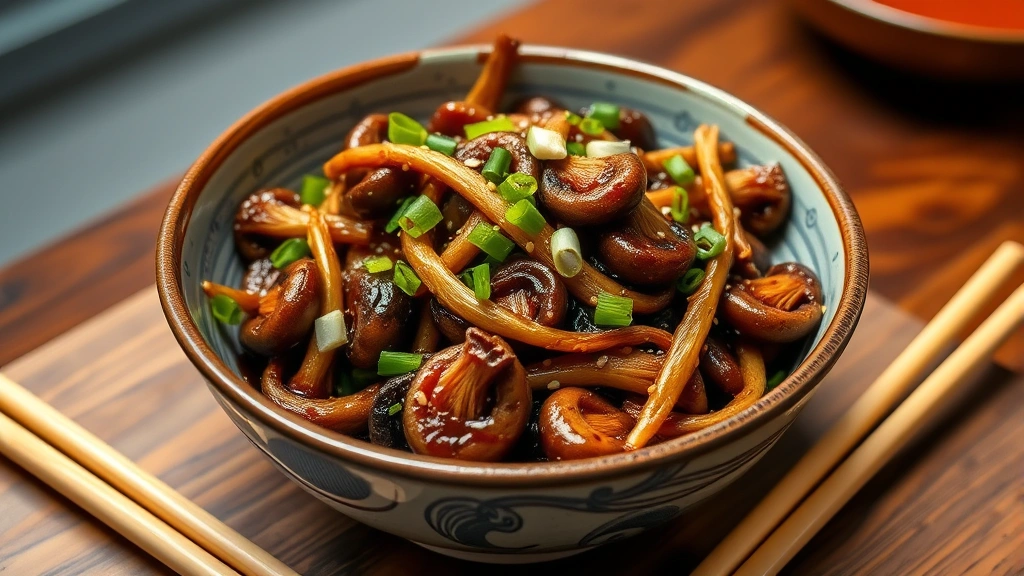
- Garnish and serve: Transfer to a serving bowl and top with sliced green onions and sesame seeds. Serve immediately while the mushrooms are still warm and the stems are at their crispiest.
Creating the Perfect Sauce
The sauce is truly the heart of this dish, transforming simple mushrooms into something extraordinary. Understanding the balance of flavors in your sauce will help you adjust it to your personal preferences and make it your own.
The foundation is soy sauce, which provides saltiness, umami depth, and a savory backbone. Oyster sauce adds body and a subtle sweetness that rounds out the flavor profile. Rice vinegar brings brightness and acidity, cutting through the richness of the oil and preventing the dish from feeling heavy. The small amount of sugar doesn’t make the dish sweet; rather, it balances the salty and acidic elements, allowing all flavors to shine equally.
If you’re interested in exploring more sauce variations, our guide on how to make homemade sauces offers numerous techniques and flavor combinations. You might experiment with adding a teaspoon of miso paste for additional umami, a splash of rice wine for depth, or a pinch of white pepper instead of red pepper flakes for a different kind of heat.
For those preferring a lighter version, reduce the soy sauce to 2 tablespoons and add 1 tablespoon of low-sodium vegetable broth. This maintains the flavor while reducing sodium content. Alternatively, those seeking more intensity can add a teaspoon of minced chili peppers or a drizzle of chili oil at the end for extra kick.
Serving Suggestions and Pairings
Enoki mushroom stir-fry is incredibly versatile and works beautifully as part of various meal compositions. As a standalone side dish, it’s light enough to pair with heavier mains like grilled fish or roasted chicken, yet flavorful enough to satisfy on its own. Serve it over steamed jasmine rice or alongside noodles for a more substantial meal.
For a vegetarian protein pairing, consider serving your stir-fry with crispy tofu cubes, chickpeas, or edamame. The mushrooms’ umami-rich sauce complements these proteins beautifully. Many home cooks also enjoy adding cooked shrimp or thinly sliced chicken during the final cooking stage to create a complete one-wok meal.
This dish also works wonderfully as part of a larger Asian-inspired menu. Pair it with spring rolls, a simple cucumber salad, and egg fried rice for an impressive home-cooked Asian feast. The mushroom stir-fry’s elegance and simplicity make it suitable for both casual weeknight dinners and more formal entertaining occasions.
Those following specific dietary approaches will appreciate how well this recipe adapts. It’s naturally gluten-free when using tamari instead of regular soy sauce, paleo-friendly when served without rice, and easily vegan as written. Consider food waste reduction tips when planning your meals—enoki mushroom stir-fry uses ingredients efficiently and comes together quickly, minimizing prep waste.
Pro Tips for Restaurant-Quality Results
Temperature control is paramount: The most common mistake home cooks make is not heating their pan sufficiently. If the pan isn’t hot enough, the mushrooms will steam rather than sear, resulting in a watery, pale final dish. Trust the process of preheating and don’t skip this step.
Don’t crowd the pan: While enoki mushrooms are delicate, they still need space to develop proper browning. If your batch seems large, cook it in two batches rather than crowding the wok. This ensures every mushroom makes contact with the hot surface.
Master the timing: The total cooking time from adding mushrooms to serving should be about 8-10 minutes. This seems quick, but enoki mushrooms are thin and cook rapidly. Overcooking them results in mushiness and lost texture.
Mise en place is essential: Prepare all your ingredients before you start cooking. Once the pan is hot and cooking begins, you won’t have time to mince garlic or measure sauce. Having everything ready ensures smooth execution and better results.
Adjust heat as needed: If you notice your pan is smoking excessively or ingredients are browning too quickly, reduce the heat slightly. Conversely, if the mushrooms aren’t browning adequately, increase the heat. Every stovetop is different, and learning your specific equipment is part of becoming a better cook.
Taste and adjust: After adding the sauce, taste a mushroom before serving. If it needs more salt, add a splash more soy sauce. If it’s too salty, a squeeze of fresh lime juice helps balance it. Developing your palate through tasting and adjusting is how you move from following recipes to truly cooking intuitively.
Serve immediately: Stir-fries are best served straight from the wok while everything is hot and the mushroom stems are at their crispiest. Unlike many dishes that improve with time, this one is best enjoyed the moment it’s ready.
FAQ
Can I prepare enoki mushrooms in advance?
Yes, you can clean and dry your enoki mushrooms up to 4 hours ahead of time. Store them in a paper towel-lined container in the refrigerator. However, don’t mix the sauce ingredients until you’re ready to cook, as the acidity in the vinegar can cause flavor degradation over time. Prepare all components separately and combine only during the cooking process.
What if I can’t find fresh enoki mushrooms?
Fresh enoki mushrooms are increasingly available in most supermarkets’ produce sections, but if you’re having trouble locating them, check Asian markets or specialty grocery stores. While frozen enoki mushrooms exist, they lose much of their textural appeal. If frozen is your only option, thaw them completely and pat them very dry before cooking, as they’ll release more water than fresh varieties.
How can I make this stir-fry spicier?
Beyond the red pepper flakes already included, you can add sliced fresh Thai chilies, sriracha sauce, or chili oil. Start with small amounts—a quarter teaspoon of chili oil or a single sliced chili—and taste as you go. Remember that heat intensifies as the sauce reduces, so it’s better to start mild and build up.
Is this recipe suitable for meal prep?
Enoki mushroom stir-fry is best enjoyed fresh, but it can be refrigerated in an airtight container for up to 2 days. Reheat gently in a wok or skillet over medium heat, adding a splash of water if needed. The texture won’t be quite as crispy as freshly cooked mushrooms, but the flavors remain delicious. For meal prep success, consider cooking the components separately and assembling just before eating.
Can I add other vegetables to this dish?
Absolutely! Bell peppers, snap peas, bok choy, broccoli florets, and water chestnuts all work beautifully. Add harder vegetables (like bell peppers and broccoli) first to give them time to cook, then add the enoki mushrooms. Leafy greens like bok choy should be added in the final minute to maintain their texture and bright color.
What’s the best oil to use for high-heat cooking?
Avocado oil, refined peanut oil, and refined vegetable oil all have high smoke points (above 400°F) suitable for wok cooking. Avoid extra virgin olive oil and butter, which burn at lower temperatures. Refined coconut oil is another option, though it imparts a subtle coconut flavor that some cooks love and others prefer to avoid.
How do I know when my enoki mushrooms are properly cooked?
Look for golden brown coloring on the mushroom caps and light browning on the stems. The mushrooms should have reduced in volume by about 30-40% as they release moisture. They should smell deeply savory and aromatic. When you taste one, the cap should have a slight firmness while the stem is tender but not mushy.
Can I use this sauce recipe for other stir-fries?
Definitely! This sauce works wonderfully with virtually any vegetable or protein stir-fry. It’s particularly good with broccoli, chicken, shrimp, and tofu. The ratio of soy sauce to oyster sauce to vinegar creates a balanced flavor that complements most ingredients. Experiment with different components while keeping the sauce formula consistent.


