Fava Bean Salad: Mediterranean Delight Recipe
Fava bean salad represents one of the Mediterranean’s most beloved vegetable dishes, celebrated for its vibrant flavors, nutritional density, and remarkable versatility. Whether served as a light lunch, elegant appetizer, or hearty side dish, this Mediterranean delight brings together fresh seasonal ingredients that sing with simplicity and sophistication. The tender, buttery texture of fava beans pairs beautifully with bright citrus, aromatic herbs, and creamy components that create a harmonious balance on the palate.
This comprehensive guide walks you through everything you need to know about creating an authentic fava bean salad that captures the essence of Mediterranean cuisine. From selecting the finest beans to mastering preparation techniques and exploring creative variations, you’ll discover why this humble legume has graced tables throughout Greece, Italy, Spain, and the Levantine region for centuries. The beauty of fava bean recipes lies in their ability to transform simple ingredients into restaurant-quality dishes that impress family and guests alike.
Understanding Fava Beans
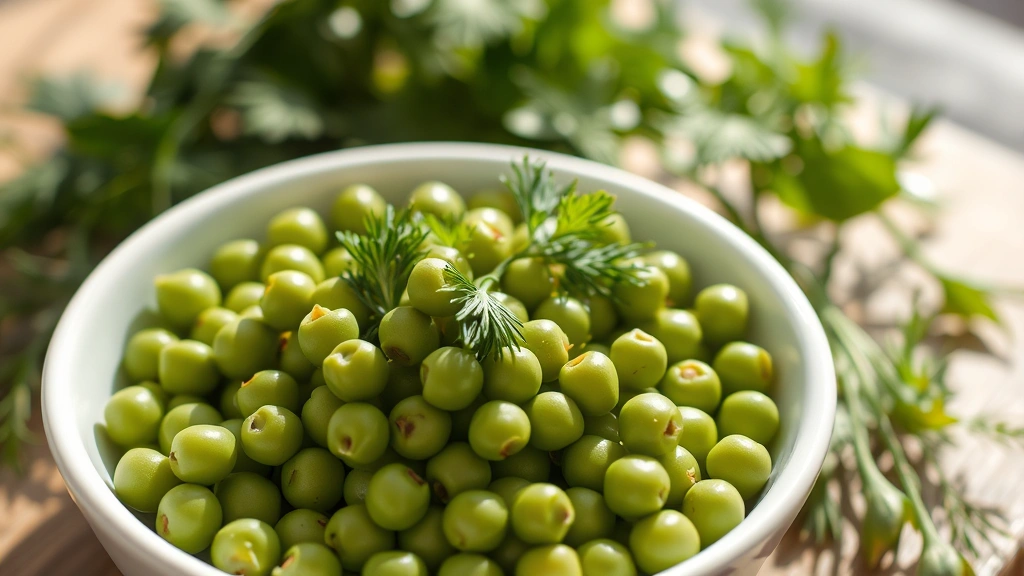
Fava beans, scientifically known as Vicia faba, are large, flat legumes that have been cultivated for over 30,000 years across Mediterranean and Middle Eastern regions. These remarkable beans contain a natural sweetness and creamy texture that distinguishes them from other legume varieties. The flavor profile evolves depending on maturity: young, tender favas offer delicate, slightly grassy notes, while mature beans develop earthier, more robust characteristics.
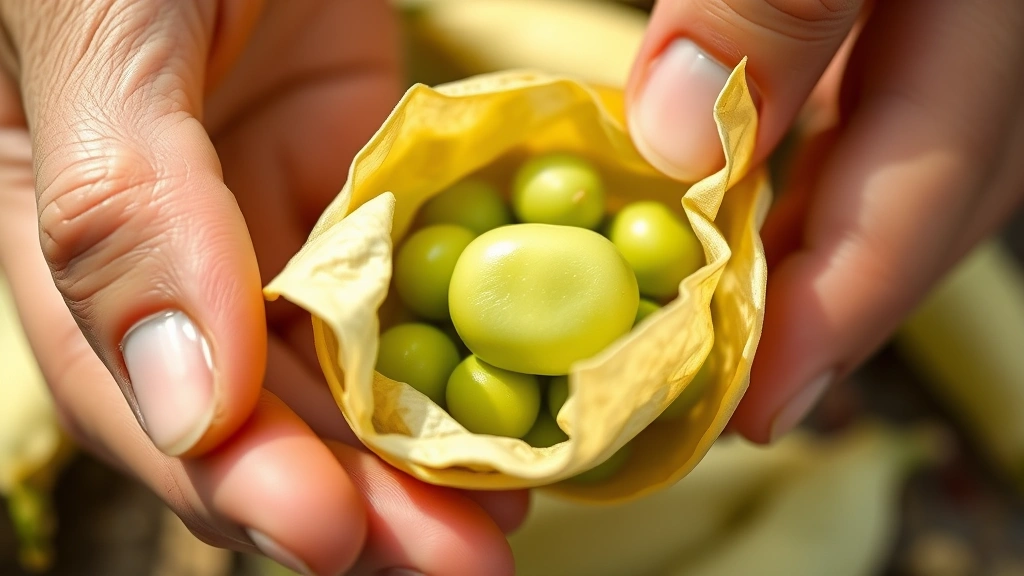
The preparation process significantly impacts the final dish. Fresh fava beans require shelling from their large pods, then often benefit from blanching to remove the thin outer skin—a step that reveals the vibrant green interior and ensures silky texture. This extra effort yields dividends in both appearance and mouthfeel. For those seeking convenience, frozen fava beans provide excellent quality and eliminate shelling requirements, making them ideal for weeknight cooking.
Understanding bean maturity helps you select the right product for your fava bean recipes. Spring markets offer young, tender pods with small beans inside, perfect for raw applications or minimal cooking. Summer markets feature mature beans requiring more substantial preparation. Frozen varieties typically represent peak-season beans that were processed immediately after harvest, preserving their nutritional value and flavor integrity.
Essential Ingredients and Substitutions
Creating an authentic Mediterranean fava bean salad requires quality ingredients that work in concert. The foundation begins with fresh or frozen fava beans—approximately two pounds of fresh pods yields about one cup of shelled beans, or you can use two cups of frozen beans as a convenient alternative.
The supporting cast includes:
- Extra virgin olive oil: Choose a robust, fruity variety that contributes depth and authentic Mediterranean character
- Fresh lemon juice: Provides bright acidity that balances richness and awakens the beans’ subtle sweetness
- Red onion: Adds sharp, peppery notes that contrast beautifully with creamy beans
- Fresh herbs: Dill, mint, parsley, and chives bring aromatic complexity and visual appeal
- Feta cheese: Contributes salty, tangy richness that complements legumes perfectly
- Garlic: Infuses warmth and umami depth throughout the composition
- Sea salt and black pepper: Essential for balancing and amplifying all other flavors
Intelligent substitutions maintain the spirit of fava bean recipes while accommodating dietary preferences. If feta proves unavailable or undesirable, creamy goat cheese, ricotta salata, or even crumbled halloumi offer similar textural contrast and salty notes. Those seeking dairy-free versions might incorporate toasted nuts like almonds or walnuts for textural interest. Cilantro can replace dill for those preferring brighter herb profiles, while arugula adds peppery sophistication when fresh greens enhance the composition.
Step-by-Step Preparation Guide
Proper technique transforms raw ingredients into a cohesive, restaurant-quality dish. Begin with fresh fava beans by gently breaking open the large pods and sliding beans into a bowl. Fresh pods should snap easily when properly mature; resistance indicates beans that may require longer cooking.
The blanching process deserves attention to detail. Bring a large pot of salted water to a rolling boil, then submerge fava beans for two to three minutes—just enough time for the outer skin to begin loosening. Immediately transfer beans to an ice bath using a slotted spoon, shocking them to halt the cooking process and set their brilliant green color. Once cooled, gently rub each bean between your fingers to slip away the papery skin, revealing the tender interior. This step, while requiring patience, dramatically improves both texture and presentation.
For frozen fava beans, thaw them completely and proceed with the blanching and skinning process if time permits, though many quality frozen varieties come pre-skinned. If using pre-skinned frozen beans, simply blanch briefly to warm through and set the color.
While beans cool, prepare the supporting ingredients. Dice red onion into small pieces and place in a bowl with fresh lemon juice, allowing the acid to gently soften and mellow the onion’s sharp edges—a technique called “marinating” that mellows harsh flavors. Mince fresh garlic finely, or use a microplane for paste-like consistency. Roughly chop fresh herbs, keeping dill and mint separate as they’re added at different points. Crumble feta cheese into bite-sized pieces.
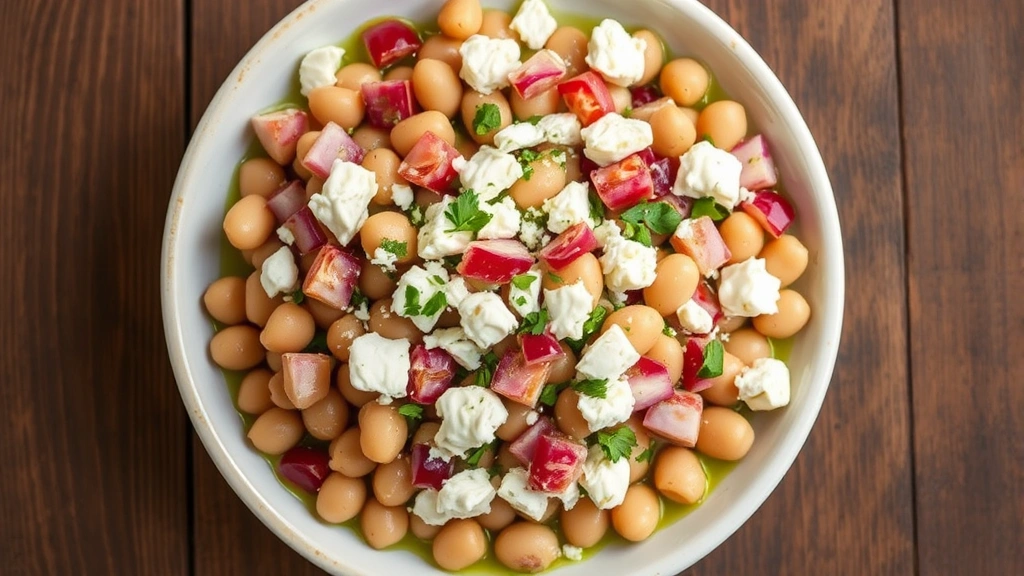
The assembly requires gentle handling to preserve bean integrity. Combine cooled fava beans with the marinated red onion mixture, then drizzle generously with excellent extra virgin olive oil. Toss gently to coat evenly, then taste and adjust salt and pepper as needed. Fold in fresh dill and half the mint, reserving some herbs for garnish. Add crumbled feta just before serving to prevent it from breaking down excessively. A final flourish of remaining fresh mint and a light drizzle of olive oil completes the presentation.
Classic Mediterranean Recipe
Ingredients (serves 4-6):
- 2 pounds fresh fava beans (or 2 cups frozen, thawed)
- 1/3 cup extra virgin olive oil
- 3 tablespoons fresh lemon juice
- 1 medium red onion, finely diced
- 3 garlic cloves, minced
- 1/4 cup fresh dill, chopped
- 2 tablespoons fresh mint, chopped
- 2 tablespoons fresh parsley, chopped
- 3/4 cup crumbled feta cheese
- Sea salt and freshly ground black pepper to taste
- Optional: zest of one lemon
Instructions:
- If using fresh fava beans, shell them from their pods into a large bowl
- Bring a large pot of heavily salted water to a boil
- Add shelled fava beans and cook for 2-3 minutes until skins begin to loosen
- Transfer immediately to an ice bath using a slotted spoon
- Once cooled, gently rub each bean to remove the thin outer skin
- Combine diced red onion with lemon juice in a small bowl and let sit for 10 minutes
- In a large mixing bowl, combine blanched fava beans, marinated onion mixture, and minced garlic
- Drizzle with extra virgin olive oil and toss gently to combine
- Season with sea salt and freshly ground black pepper, tasting as you go
- Fold in fresh dill and half the mint
- Just before serving, add crumbled feta cheese and garnish with remaining fresh mint and parsley
- Optional: finish with fresh lemon zest for brightness
This classic preparation emphasizes the natural sweetness of fava beans while allowing quality ingredients to shine. The result is a vibrant, satisfying dish that requires minimal cooking skill yet delivers sophisticated flavors.
Flavor Variations and Enhancements
While the classic version represents Mediterranean authenticity, fava bean recipes welcome creative interpretations that build upon the foundational flavor profile. Consider these exciting variations:
Creamy Tahini Version: Replace some olive oil with tahini mixed with lemon juice and water to create a luxurious, protein-rich dressing. This variation appeals to those seeking additional creaminess and nuttiness, and pairs beautifully with roasted chickpeas for added texture.
Warm Salad with Grains: Toss cooled fava beans with warm quinoa, farro, or barley to create a heartier dish that works equally well for lunch or dinner. The warm grains help soften the feta and distribute flavors more evenly throughout. This approach transforms the side dish into a complete meal.
Herb-Forward Variation: Increase fresh herbs substantially, incorporating basil, oregano, and chives for a more intensely aromatic composition. This variation celebrates the herb gardens of Mediterranean regions and creates a fresher, more vibrant profile.
Citrus Medley: Beyond lemon, incorporate grapefruit supremes or blood orange segments for unexpected brightness and subtle sweetness. The citrus acidity balances rich feta beautifully while adding visual interest.
Spiced Approach: Toast and grind coriander seeds, cumin, and fennel seeds, then sprinkle over the finished salad. These warm spices add complexity that suggests Middle Eastern influences while honoring Mediterranean traditions. This variation bridges the gap between Asian salad recipes and Mediterranean classics.
Vegetable Enhancement: Incorporate diced cucumber, cherry tomatoes, or roasted bell peppers for additional textural variety and nutritional density. These additions create a more substantial salad suitable for serving alongside chicken and potatoes recipes or other protein-focused mains.
Creamy Yogurt Base: Mix Greek yogurt with lemon juice and garlic to create a cool, tangy dressing that coats the beans beautifully. This variation reduces fat content while maintaining richness, making it ideal for health-conscious diners.
Storage and Make-Ahead Tips
Fava bean salad’s versatility extends to timing and storage. Properly handled, this dish maintains quality for several days, making it excellent for meal preparation and entertaining.
The blanched and skinned fava beans can be prepared up to two days ahead and stored in an airtight container in the refrigerator. Keep them separate from dressing components to prevent sogginess. The marinated onion mixture also stores well for two to three days, actually improving as flavors meld.
For optimal flavor and texture, assemble the complete salad no more than two hours before serving. The feta cheese should be added just before serving, as it can absorb liquid and break down if sitting too long in the acidic dressing. Fresh herbs similarly benefit from last-minute addition, maintaining their vibrant color and aromatic potency.
If you’ve made the salad ahead and it appears dry, simply drizzle additional olive oil and fresh lemon juice before serving. The beans absorb liquid over time, requiring occasional adjustment of seasoning and dressing to maintain balance.
This make-ahead flexibility makes fava bean recipes ideal for entertaining, allowing you to handle time-consuming preparation steps well in advance while finishing touches happen moments before guests arrive. The result feels fresh and intentional rather than hastily assembled.
Nutritional Benefits
Beyond their delicious taste, fava beans deliver impressive nutritional benefits that explain their prominence in Mediterranean dietary patterns. These legumes provide substantial plant-based protein, making them valuable for vegetarians, vegans, and those seeking to reduce meat consumption. A single cup of cooked fava beans contains approximately 13 grams of protein—comparable to many animal sources.
Fava beans excel as sources of dietary fiber, supporting digestive health and promoting sustained energy release. They’re rich in foods rich in antioxidants including kaempferol and quercetin, compounds that combat oxidative stress and inflammation throughout the body. The beans also provide folate, iron, manganese, and magnesium—minerals essential for energy production, bone health, and neurological function.
The combination of fava beans with olive oil, lemon, and fresh herbs creates a synergistic nutritional profile. Olive oil’s monounsaturated fats enhance absorption of fat-soluble vitamins, while vitamin C from lemon juice improves iron bioavailability from the beans. Fresh herbs contribute additional antioxidants and phytonutrients that support overall wellness.
This nutritional density explains why Mediterranean populations traditionally consuming fava bean recipes enjoy longevity and low rates of chronic disease. The dish embodies the Mediterranean diet principles that emphasize plant-forward eating, healthy fats, and minimal processing.
FAQ
Can I use dried fava beans instead of fresh?
Absolutely. Soak dried fava beans overnight, then simmer until tender—typically 45 minutes to an hour depending on size and age. Drain and proceed with the recipe as written. Dried beans often require longer blanching to remove skins, but the final result is equally delicious. Many prefer dried beans’ earthier flavor profile in traditional preparations.
What if I can’t find fava beans?
While fava beans offer unique flavor and texture, you can substitute with edamame, fresh lima beans, or even chickpeas. The final dish will differ somewhat, but the Mediterranean spirit remains intact. Edamame provides similar buttery texture, while chickpeas offer comparable protein and earthiness. Adjust cooking times according to your chosen substitute.
Is this salad suitable for meal prep?
Yes, with strategic preparation. Store blanched beans, marinated onions, and dressing separately from fresh herbs and cheese. Assemble within two hours of serving for best results. The individual components maintain quality for three to four days when properly stored in airtight containers.
How can I make this dish heartier for a main course?
Serve over mixed greens, grain bowls, or alongside grilled proteins. Adding toasted bread or incorporating cooked grains transforms it into a complete meal. Many enjoy serving fava bean salad alongside healthy crockpot recipes for balanced, nourishing dinners.
Can I prepare this without fresh herbs?
Fresh herbs elevate the dish significantly, but you can use dried alternatives at reduced quantities—approximately one-third the amount of fresh. Dried dill and oregano work particularly well. For best results, add dried herbs to the dressing earlier so they hydrate and release their flavors. Fresh mint, however, is difficult to replicate with dried versions.
What wine pairs well with fava bean salad?
Light, crisp whites like Sauvignon Blanc, Pinot Grigio, or Vermentino complement the salad beautifully. Their acidity echoes the lemon while their mineral qualities harmonize with the beans’ earthiness. Rosé also pairs wonderfully, particularly with herb-forward variations.
How do I know when fresh fava beans are at peak season?
Spring through early summer represents prime fava bean season in most regions. Look for pods that feel firm and snap easily when bent. Pods should appear bright green without blemishes or discoloration. At farmers markets, ask vendors about harvest timing—recently picked beans require less cooking and offer superior sweetness.
Can I serve this salad warm?
Certainly. Serve the salad immediately after assembly while beans retain warmth. Warm salads offer different flavor dynamics, with the warmth helping distribute flavors more evenly and making the feta creamier. Add feta just before serving to prevent excessive melting. Warm fava bean salads pair beautifully with grilled proteins and roasted vegetables.


