Frangipane Tart Secret? Pastry Chef’s Guide to Perfect Almond Cream Tarts
Frangipane is the hidden weapon in every pastry chef’s arsenal, transforming simple tarts into elegant desserts that taste far more complicated than they actually are. This luxurious almond cream filling has graced the tables of French patisseries for centuries, yet many home bakers remain intimidated by its seemingly mysterious nature. The truth? Frangipane is fundamentally simple—butter, sugar, eggs, and ground almonds combined with precision and care. What separates an exceptional frangipane tart from an ordinary one isn’t complexity; it’s understanding the science behind each ingredient and mastering a few crucial techniques.
Whether you’re preparing a stunning dessert for dinner guests or perfecting your pastry skills, this comprehensive guide reveals everything you need to know about creating restaurant-quality frangipane tarts in your own kitchen. We’ll explore the essential ingredients, step-by-step techniques, and professional secrets that transform this classic French filling into the showstopping centerpiece of your dessert table.
Understanding Frangipane: The Foundation of French Pastry
Frangipane represents one of the cornerstones of French patisserie, a filling that bridges the gap between simple and sophisticated. The name itself derives from the Frangipani family, Italian aristocrats credited with introducing this almond-based cream to French nobility during the Renaissance. What makes frangipane exceptional is its versatility—it serves as a filling for tarts, a layer in complex pastries, and a base for countless variations that professional bakers build upon.
At its core, frangipane is an almond cream that combines the richness of butter with the subtle earthiness of finely ground almonds. Unlike custard-based fillings that rely on eggs for structure, frangipane develops its characteristic creamy texture through the emulsion of butter and egg yolks, stabilized by the delicate almond flour particles. This structure creates a filling that’s neither too dense nor too light—it holds its shape when sliced yet melts on the tongue with a buttery, nutty flavor profile.
Professional pastry chefs understand that frangipane’s success depends on precise ratios and technique. The balance between butter and almonds determines the final texture, while the method of combining ingredients affects how evenly the filling bakes. When made correctly, frangipane should be smooth, spreadable, and capable of rising slightly in the oven while maintaining a tender crumb.
Essential Ingredients and Their Roles
Unsalted Butter: Butter forms the creamy foundation of frangipane, providing richness and helping create the emulsion that gives the filling its signature texture. Room-temperature butter is crucial—it incorporates air when beaten, creating a lighter, airier filling that rises during baking. Cold butter will result in a dense, heavy filling that may not cook evenly.
Granulated Sugar: Sugar not only sweetens the filling but also acts as a structural component. When beaten with butter, sugar crystals help incorporate air, creating volume and a more delicate crumb. The granulation matters—superfine sugar dissolves more readily, while regular granulated sugar provides slight texture.
Egg Yolks and Whole Eggs: Eggs serve multiple functions in frangipane. Yolks provide richness and help bind ingredients while contributing to the creamy texture. Whole eggs add moisture and help the filling rise slightly during baking. The proteins in eggs denature during heating, setting the filling and giving it structure.
Finely Ground Almonds (Almond Flour): This ingredient distinguishes frangipane from other cream fillings. Blanched almond flour—made from almonds with skins removed—provides a refined, pale appearance and mild flavor. The fine particle size ensures smooth texture and even distribution throughout the filling. Avoid almond meal, which is coarser and creates a grainier result.
All-Purpose Flour: A small amount of flour stabilizes the filling and prevents it from becoming too soft during baking. The flour’s starch absorbs moisture and helps set the structure. Most recipes use just 1-2 tablespoons per cup of almond flour.
Flavor Enhancers: Vanilla extract, almond extract, and a pinch of salt elevate the flavor profile. Vanilla adds warmth and depth, while almond extract intensifies the almond character. Salt, though used sparingly, enhances all flavors and prevents the filling from tasting one-dimensional.
The Perfect Frangipane Recipe
Ingredients:
- 1 cup (2 sticks) unsalted butter, room temperature
- 1 cup granulated sugar
- 3 large eggs, room temperature
- 1 cup finely ground blanched almond flour
- 2 tablespoons all-purpose flour
- 1 teaspoon vanilla extract
- ½ teaspoon almond extract
- ¼ teaspoon salt
- 1 pre-baked 9-inch tart shell (or your choice of pastry)
Step-by-Step Instructions:
- Prepare Your Mise en Place: Measure all ingredients and bring everything to room temperature. This ensures even mixing and proper emulsification. Cold ingredients won’t incorporate properly and may result in a separated, grainy mixture.
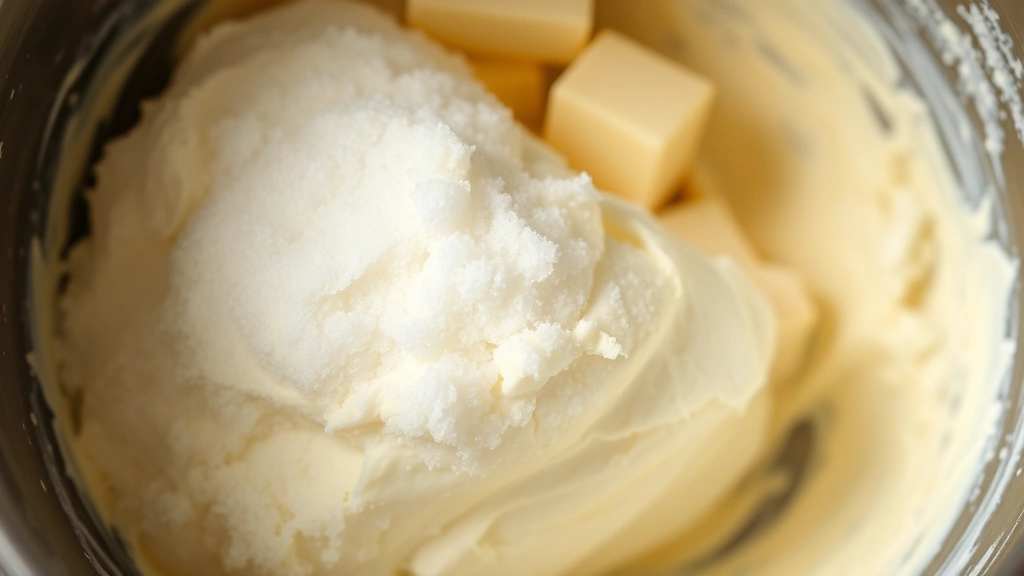
- Cream Butter and Sugar: Place room-temperature butter in a mixing bowl and beat on medium speed for 1-2 minutes until pale and fluffy. Gradually add sugar while continuing to beat for 3-5 minutes total. The mixture should be light, airy, and noticeably lighter in color. This step is critical—the air incorporated now creates a lighter filling that rises in the oven.
- Add Eggs Gradually: Add eggs one at a time, beating well after each addition. This slow incorporation prevents the mixture from breaking or becoming grainy. If the mixture appears separated or curdled, continue beating—it will usually come back together as you add the remaining eggs.
- Combine Dry Ingredients: In a separate bowl, whisk together almond flour, all-purpose flour, and salt. This distributes the flour evenly and prevents lumps when added to the wet ingredients.
- Fold in Dry Ingredients: Add the dry mixture to the butter-egg mixture in two additions, folding gently with a spatula until just combined. Avoid overmixing, which can deflate the filling and result in a denser texture. The mixture should be smooth and uniform but still light and airy.
- Add Extracts: Stir in vanilla and almond extracts with a few folds of the spatula. Don’t overmix at this point.
- Fill and Spread: Transfer the frangipane to your prepared tart shell, spreading evenly with an offset spatula. The filling should be about ½ to ¾ inch thick, depending on your tart size. Smooth the top so it bakes evenly.
The resulting frangipane should be glossy, smooth, and pale. If you’re making frangipane ahead, it can be refrigerated in an airtight container for up to 3 days, though fresh frangipane produces the best results.
Pastry Shell Preparation and Assembly
The pastry shell supporting your frangipane is just as important as the filling itself. Professional pastry chefs always pre-bake their tart shells before adding frangipane—this prevents a soggy bottom and ensures the crust stays crisp throughout baking.
Pre-baking Your Tart Shell: Line your tart pan with your chosen pastry (pâte sucrée, pâte brisée, or even puff pastry for variations). Prick the bottom with a fork to prevent puffing, then line with parchment paper and fill with pie weights or dried beans. Bake at 375°F for 12-15 minutes until the edges are set but the bottom isn’t fully baked. Remove weights and parchment, then return to the oven for 2-3 minutes to dry the bottom slightly without browning.
This blind baking step ensures your finished tart has a crisp, flaky crust that won’t become soggy from the moisture in the frangipane filling. If you skip this step, you’ll likely end up with a soft, doughy bottom crust that detracts from the overall quality of your dessert.
Optimal Assembly: While your tart shell is still slightly warm from pre-baking, spread the frangipane filling evenly across the bottom. The warmth helps the filling bond with the crust. Use an offset spatula to create a smooth, even surface that will bake uniformly.
Baking Techniques for Even Cooking
Baking frangipane tarts requires attention to temperature and timing. Professional kitchens use several techniques to ensure even, consistent results.
Temperature and Timing: Most frangipane tarts bake at 375-400°F for 25-35 minutes, depending on tart size and your specific oven. The filling should be set but still slightly jiggly in the very center—it continues cooking from residual heat as it cools. Overbaking creates a dry, dense filling that loses its delicate texture.
Preventing Uneven Browning: If your tart’s edges brown too quickly while the center remains pale, cover the edges with foil or a tart shield halfway through baking. This protects the pastry crust while allowing the center to cook fully.
The Jiggle Test: Professional bakers use the “jiggle test” to determine doneness. Gently shake the tart—the edges should be set and firm, while the center should have just a slight wobble when shaken. This indicates that the frangipane is cooked through but still tender and creamy.
Cooling Procedure: Remove the tart from the oven and let it cool in the pan for 10-15 minutes before removing the ring. This allows the filling to set enough to support itself without the pan’s structure. Complete cooling should happen at room temperature, away from drafts or temperature fluctuations.

Flavor Variations and Professional Enhancements
While classic frangipane is delicious on its own, professional pastry chefs create variations that elevate the filling and showcase different flavor profiles.
Fruit Toppings: Fresh fruit arranged on top of the frangipane before baking creates beautiful presentation and adds freshness. Raspberries, pears, apricots, and plums work exceptionally well. Arrange fruit in concentric circles or patterns on top of the filling—they’ll sink slightly as the frangipane rises, creating an elegant presentation.
Flavored Frangipane Variations:
- Pistachio Frangipane: Substitute half the almond flour with finely ground pistachios for a sophisticated, pale green filling with subtle earthiness.
- Hazelnut Frangipane: Use hazelnut flour instead of almond flour for a deeper, richer flavor that pairs beautifully with chocolate.
- Chocolate Frangipane: Add 2 tablespoons of unsweetened cocoa powder and reduce almond flour by 2 tablespoons. This creates a sophisticated chocolate-almond filling.
- Spiced Frangipane: Add ¼ teaspoon each of cinnamon and cardamom for warmth and complexity. Some chefs also add a tiny pinch of nutmeg.
- Liqueur-Enhanced Frangipane: Replace the almond extract with 1 tablespoon of Amaretto, Frangelico, or Grand Marnier for sophisticated flavor depth.
Professional Finishing Touches: After baking and cooling, dust the tart with powdered sugar for elegance, or brush with a neutral apricot glaze to create shine and protect the surface. Some pastry chefs apply a thin layer of almond paste under the frangipane for even more almond flavor.
Troubleshooting Common Frangipane Problems
Frangipane Sinks in the Center: This typically indicates either overbaking or using cold eggs when mixing. Cold eggs don’t incorporate properly, resulting in a mixture that doesn’t rise adequately. Ensure all ingredients are at room temperature before starting.
Grainy or Separated Texture: Grainy frangipane usually results from either overmixing after adding eggs or using almond meal instead of almond flour. The finer the almond flour, the smoother the final texture. If your mixture separates, continue beating—it typically comes back together with additional mixing.
Soggy Bottom Crust: Always blind-bake your tart shell before adding frangipane. This prevents moisture from seeping into the pastry and creating a soggy bottom. The brief pre-baking sets the structure and creates a barrier.
Uneven Rising: Uneven rising indicates temperature fluctuations in your oven or overfilled tart shells. Use an oven thermometer to verify your oven’s actual temperature, and ensure your filling doesn’t exceed ¾ inch in thickness.
Frangipane Too Dense: Dense frangipane usually results from insufficient creaming of butter and sugar in the initial steps. Spend adequate time beating the butter and sugar until very pale and fluffy—this step is crucial for incorporating the air that creates a light texture. Additionally, ensure you’re not overmixing after adding eggs and dry ingredients.
Pale or Insufficient Browning: If your frangipane isn’t browning adequately, your oven may not be hot enough. Use an oven thermometer to verify temperature. Additionally, ensure your tart is positioned in the center of the oven where heat circulation is most even. Some ovens require a higher temperature (up to 425°F) for adequate browning.
FAQ
Can I make frangipane ahead of time?
Yes, frangipane can be prepared up to 3 days in advance and stored in an airtight container in the refrigerator. However, it’s best used within 24 hours for optimal texture and flavor. Before using refrigerated frangipane, bring it to room temperature and stir gently to restore its creamy consistency. If it seems too stiff, beat it briefly to incorporate air again.
What’s the difference between frangipane and almond cream?
While the terms are often used interchangeably, frangipane traditionally includes a small amount of flour for structure, while almond cream is purely almond flour, butter, eggs, and sugar. The addition of flour in frangipane makes it slightly more stable and easier to work with, which is why it’s preferred for tart fillings. Almond cream tends to be richer and slightly softer.
Can I use store-bought almond flour?
Absolutely. Store-bought blanched almond flour works beautifully and is convenient for home bakers. Look for finely ground almond flour from reputable brands. Avoid almond meal, which has a coarser texture and will result in a grainier frangipane. Store almond flour in an airtight container in the refrigerator or freezer to prevent rancidity.
How should I store a finished frangipane tart?
Store your finished frangipane tart covered at room temperature for up to 2 days, or refrigerated for up to 4 days. The cool temperature keeps the pastry crisp and the filling fresh. For longer storage, wrap the tart well and freeze for up to 2 months. Thaw at room temperature before serving to restore the pastry’s texture.
What pastry works best with frangipane?
Pâte sucrée (sweet tart dough) is the classic choice, offering a buttery, tender crust that complements the rich filling. Pâte brisée (shortbread crust) also works beautifully, providing a more crumbly texture. Some bakers use puff pastry for a lighter, flakier result. Each choice creates a slightly different texture and eating experience, so experiment to find your preference.
Why is my frangipane filling not rising?
Insufficient rising typically indicates either that your butter and sugar weren’t creamed adequately in the initial step, or your eggs were too cold when added. Both of these factors prevent proper air incorporation. Additionally, ensure you’re not overmixing after adding eggs and dry ingredients, which can deflate the filling. Room-temperature ingredients are essential for success.
Can I add liquids like cream or milk to frangipane?
Most traditional frangipane recipes don’t include additional liquids beyond eggs, as the egg content provides sufficient moisture. Adding cream or milk can result in a softer, more custard-like filling that may not set properly during baking. However, some modern variations do include small amounts of milk or cream (1-2 tablespoons) for extra richness, though this requires slight adjustments to the flour content to maintain proper texture.
Frangipane represents the perfect intersection of simplicity and sophistication. With quality ingredients, proper technique, and attention to detail, you can create tarts that rival those from professional patisseries. The secrets aren’t mysterious—they’re rooted in understanding how ingredients interact and respecting the time-tested methods that French pastry chefs have perfected over centuries. Whether you’re making a classic fruit frangipane tart or experimenting with sophisticated flavor variations, these fundamentals will guide you toward consistent, delicious results that impress every time you bring them to the table.


