Classic French Onion Soup: Chef’s Favorite Recipe
French onion soup, or soupe à l’oignon gratinée, represents the pinnacle of rustic French cooking—a dish that transforms humble onions into liquid gold through patience, technique, and time. This iconic soup has graced the tables of Parisian bistros for centuries, earning its place as a beloved comfort food that proves elegance doesn’t require complexity. With just a handful of ingredients and proper caramelization, you’ll create a restaurant-quality soup that rivals any fancy establishment.
What makes French onion soup truly special is the deep, sweet caramelization of the onions—a process that cannot be rushed. Unlike quick sautéed onions, proper caramelization takes 45 minutes to an hour, allowing the natural sugars to develop into complex, rich flavors. Combined with a savory beef broth, aged Gruyère cheese, and crusty bread, this soup becomes a complete meal that warms both body and soul.
Ingredients You’ll Need
The beauty of French onion soup lies in its simplicity. You’ll need quality ingredients, as there’s nowhere for inferior products to hide. Here’s what you’ll gather:
- 2 pounds yellow onions (about 6-8 medium onions)—yellow onions caramelize beautifully and develop natural sweetness
- 3 tablespoons butter—unsalted, for better control of seasoning
- 1 tablespoon olive oil—helps prevent butter from burning during long caramelization
- 6 cups beef broth—homemade is ideal, but quality store-bought works well
- 1 cup dry white wine—adds depth and acidity to balance richness
- 2 bay leaves—for subtle herbal notes
- 1 teaspoon fresh thyme—or ½ teaspoon dried
- Salt and freshly ground black pepper—to taste
- 8 slices crusty baguette—¼ to ½ inch thick
- 2 cups Gruyère cheese—freshly grated, not pre-shredded
- 1 tablespoon Dijon mustard (optional)—adds subtle complexity
Essential Equipment
Using the right equipment makes this recipe infinitely easier. A heavy-bottomed pot or Dutch oven is crucial for even heat distribution during the long caramelization process. Cast iron cookware works exceptionally well—if you need guidance on proper cast iron use, check out our complete guide to cooking with cast iron. You’ll also want a sharp knife for slicing onions consistently, a wooden spoon for stirring, and oven-safe soup bowls or crocks for broiling the finished soup.
The Art of Caramelization
Caramelization is the foundation of this soup’s flavor profile. Many home cooks make the mistake of rushing this step or cooking at too high a temperature. True caramelization occurs when the natural sugars in onions break down and recombine into complex compounds, creating deep brown color and rich flavor.
The Science Behind It: When onions are heated, their cell walls break down, releasing sugars. These sugars then undergo the Maillard reaction and caramelization, creating hundreds of new flavor compounds. This process requires consistent, moderate heat—too high and the onions burn; too low and they simply soften without browning.
Temperature Matters: Start with medium-high heat to get the onions releasing moisture. Once they begin to soften and release their liquid (about 10 minutes), reduce heat to medium. As the liquid evaporates and they begin to brown (around 20 minutes total), lower to medium-low. This patience prevents burning while ensuring complete caramelization.
Step-by-Step Instructions
Preparation (10 minutes): Slice your onions into ¼-inch thick rings or half-moons. Consistency in size ensures even cooking. Don’t use a food processor—the onions need their structure to caramelize properly. Slice your baguette and set aside. Grate your Gruyère cheese and set aside.
Beginning Caramelization (0-15 minutes): Heat butter and olive oil in your heavy-bottomed pot over medium-high heat. Once the butter foams, add all the sliced onions. Stir frequently, coating them thoroughly in the fat. During these first 15 minutes, the onions will release their moisture and begin to soften. Don’t walk away—constant stirring prevents sticking and ensures even cooking.
Middle Caramelization (15-35 minutes): Reduce heat to medium. Continue stirring every 3-4 minutes. You’ll notice the onions beginning to turn golden brown around the edges. The bottom of the pot will develop a brown crust—this is flavorful fond, not burning. As it builds, deglaze by adding a splash of broth and scraping with your wooden spoon, incorporating these browned bits back into the onions.
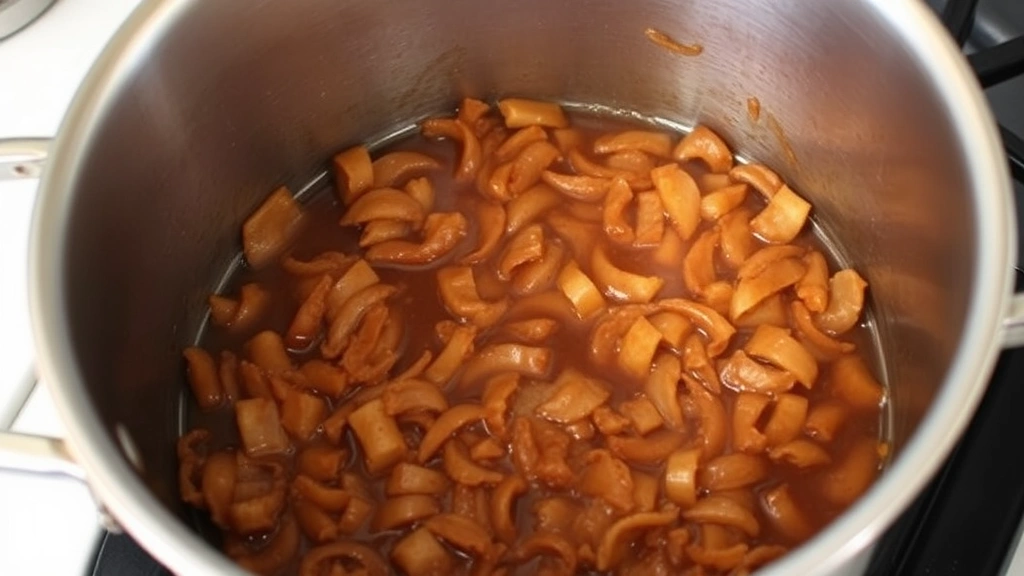
Final Caramelization (35-50 minutes): Reduce heat to medium-low. The onions should now be a rich mahogany brown. Stir less frequently (every 5 minutes) to allow more browning on the bottom. This final stage develops the deepest flavors. If the onions seem to be browning too quickly, reduce heat further. The entire process should take 45-60 minutes.
Building the Soup (10 minutes): Once onions reach deep brown color, add your white wine. Scrape the bottom thoroughly to release all the caramelized bits. Let the wine reduce by half (about 3 minutes), concentrating its flavor. Add beef broth, bay leaves, and thyme. Stir in Dijon mustard if using. Bring to a simmer, then reduce heat to low. Simmer for 15-20 minutes, allowing flavors to meld.
Seasoning & Tasting: Taste your soup and adjust seasoning with salt and pepper. Remember that the cheese topping will add saltiness, so be conservative initially. The soup should taste rich and deeply savory, with caramelized onion flavor as the star.
Chef’s Pro Tips
Don’t Rush Caramelization: This is the most critical step. Many recipes claim 30-minute caramelization is sufficient, but professional chefs know 45-60 minutes creates superior flavor. The difference is noticeable and worth the time investment.
Use Quality Beef Broth: Since broth comprises half your soup’s volume, its quality matters tremendously. Homemade broth is ideal, but if buying, look for brands with real beef and minimal additives. Avoid bouillon cubes, which taste tinny and artificial.
Fresh Gruyère is Non-Negotiable: Pre-shredded cheese contains anti-caking agents that prevent proper melting. Buy a wedge and grate it yourself for creamy, perfect results. Gruyère specifically has the right balance of flavor and melting properties—don’t substitute with cheddar or mozzarella.
Toast Your Bread: Before placing bread on the soup, toast it in a 375°F oven for 5 minutes. This prevents it from becoming soggy and adds textural contrast to the finished dish.
Broiler Technique: When broiling the finished soup, watch carefully. The cheese should bubble and brown (2-3 minutes under high broil), but not burn. If broiling multiple bowls, arrange them on a baking sheet for even heat distribution.
Beef Broth Alternatives: While beef is traditional, you can create wonderful variations with chicken broth (lighter, more delicate) or vegetable broth (vegetarian-friendly). Each creates a different flavor profile while maintaining the soup’s essential character.

Variations & Substitutions
White Onion Version: Some chefs prefer white onions, which caramelize slightly differently, developing more subtle sweetness. The cooking time remains the same, but the final color will be lighter golden rather than deep brown.
Red Wine French Onion Soup: Substitute red wine for white wine for a deeper, more robust flavor. The soup will have a slightly different character but remains authentic to regional French variations.
Cheese Variations: While Gruyère is classic, Swiss cheese creates a milder version, while aged Comté offers nuttier notes. Avoid American cheese or processed options entirely—they won’t melt properly or taste right.
Herb Additions: Some chefs add a small splash of brandy or cognac at the end for complexity. A pinch of nutmeg or cayenne pepper can add subtle warmth. Fresh parsley garnish adds color and freshness.
Vegetarian Version: Use vegetable broth instead of beef broth and ensure your broth contains no animal products. The soup becomes lighter but retains its essential character with proper caramelization of the onions.
If you’re exploring more French recipes, consider pairing this soup with our baked chicken tenders recipe for a complete French-inspired meal. For those seeking lighter options, our collection of low-carb chicken recipes offers excellent alternatives that complement this classic soup beautifully.
Storage & Make-Ahead Guide
Refrigerator Storage: Store cooled soup in airtight containers for up to 4 days. The flavors actually improve after a day, as ingredients continue melding. Reheat gently on the stovetop over medium heat, stirring occasionally, until warmed through.
Freezing: French onion soup freezes beautifully for up to 3 months. Store in freezer-safe containers, leaving ½ inch headspace for expansion. Thaw overnight in the refrigerator, then reheat gently. Freeze the soup without cheese topping—add fresh cheese and bread when reheating for best results.
Make-Ahead Strategy: Prepare the soup through the simmering stage (before bread and cheese) up to 2 days ahead. Store in the refrigerator, then reheat and finish with bread and cheese just before serving. This approach maximizes flavor while minimizing last-minute work.
Caramelized Onions Prep: You can caramelize the onions up to 3 days ahead, storing them in the refrigerator. Complete the soup the day you plan to serve it, adding broth and seasonings to your pre-caramelized onions.
For those interested in cast iron cooking methods for soups and other dishes, explore our detailed guide to cooking with cast iron, which covers proper care and heating techniques perfect for soup-making.

FAQ
Why does my French onion soup taste bitter?
Bitterness typically indicates the onions burned rather than caramelized. This happens with heat that’s too high. Lower your temperature and ensure you’re stirring regularly. Burnt onions cannot be salvaged—start fresh. Additionally, ensure your wine isn’t cheap or overly acidic, as this can create bitter notes.
Can I make French onion soup without wine?
While traditional recipes include wine, you can substitute with additional beef broth or a splash of apple cider vinegar for acidity. The soup will be slightly less complex, but still delicious. Add the vinegar at the end, tasting as you go, since its flavor is potent.
What’s the best cheese for French onion soup?
Gruyère is the classic choice due to its ability to melt smoothly while maintaining flavor complexity. Aged Gruyère (18 months or older) offers deeper, nuttier notes. Avoid pre-shredded varieties, which contain anti-caking agents that prevent proper melting.
How do I know when onions are properly caramelized?
Properly caramelized onions are deep mahogany brown, have reduced to about one-third their original volume, and taste sweet rather than sharp. They should smell rich and complex, not burnt. Taste a small spoonful—the flavor should be deeply sweet and savory.
Can I use a slow cooker for caramelization?
Slow cookers don’t generate enough dry heat for proper caramelization. While you can cook the soup in a slow cooker after caramelizing onions separately, the initial caramelization step requires stovetop cooking. However, once your onions are caramelized, you can transfer everything to a slow cooker for 4-6 hours on low for convenience.
Why is my soup watery?
Insufficient caramelization is the primary cause. Onions release moisture during cooking, and this liquid must evaporate before browning occurs. If you rush the process or use too high heat initially, onions steam rather than caramelize. Additionally, ensure you’re simmering rather than boiling the finished soup—a rolling boil can thin it.
Is French onion soup vegetarian?
Traditional French onion soup uses beef broth, making it non-vegetarian. However, you can easily create a vegetarian version using vegetable broth. The caramelized onions provide sufficient depth and richness that the soup remains satisfying without meat-based stock.


