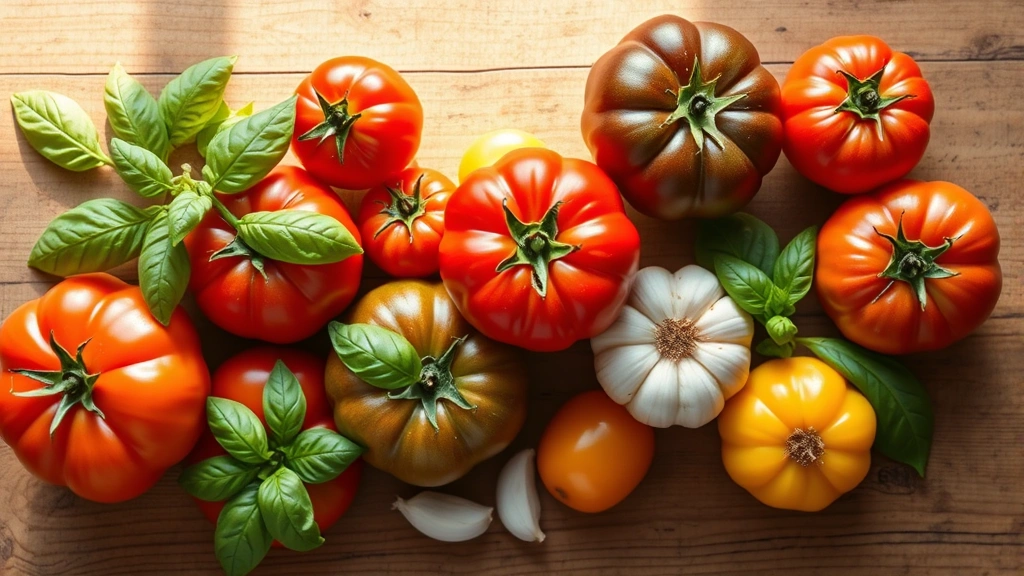
Fresh Tomato Soup Recipe: Chef’s Secret Technique for Maximum Flavor
There’s something magical about a bowl of fresh tomato soup that captures the essence of summer in every spoonful. Unlike canned varieties, a homemade fresh tomato soup recipe allows you to control every ingredient and technique, resulting in a vibrant, deeply flavored dish that tastes nothing like what you’ll find in a can. The secret isn’t just about using quality tomatoes—it’s about understanding the chemistry of how heat, acid, and fat work together to create complexity and depth.
After years of testing different approaches, I’ve discovered that the most restaurant-quality fresh tomato soup comes from a combination of proper ingredient selection, precise cooking techniques, and one often-overlooked step that professional chefs use to amplify tomato flavor. This comprehensive guide will walk you through every stage of creating a soup that’s silky, vibrant, and absolutely crave-worthy.

Choosing the Perfect Tomatoes
The foundation of any exceptional fresh tomato soup recipe starts with understanding tomato varieties and their characteristics. Not all tomatoes are created equal, and selecting the right ones will dramatically impact your final result. Beefsteak tomatoes are excellent for their large size and meaty flesh, while Roma tomatoes offer higher acidity and fewer seeds, making them ideal for soup. San Marzano tomatoes, though often associated with Italian cooking, bring a natural sweetness and lower water content that works beautifully in soups.
The peak tomato season runs from late June through September, and this is when you’ll find the most flavorful specimens at farmers markets and grocery stores. Look for tomatoes that feel heavy for their size, indicating juiciness, and that have a deep, fragrant aroma at the stem end. Avoid tomatoes with soft spots or blemishes, as these indicate decay. A ripe tomato should yield slightly to gentle pressure but not feel mushy. If you’re working outside peak season, don’t hesitate to use high-quality canned San Marzano tomatoes—they’re actually picked and processed at peak ripeness, making them superior to out-of-season fresh tomatoes.
For this fresh tomato soup recipe, you’ll need approximately 3 pounds of fresh tomatoes, which yields roughly 2 pounds of usable flesh after removing stems and cores. This quantity creates a rich, concentrated soup without requiring excessive reduction time, which can diminish the fresh tomato flavor you’re working to preserve.

Preparation and Prep Techniques
Proper preparation sets the stage for success. Begin by washing your tomatoes under cool running water and patting them dry. Using a sharp paring knife, remove the core and any blemishes. One chef’s technique that makes a tremendous difference is blanching and shocking your tomatoes before peeling. Bring a large pot of water to a rolling boil and carefully place your tomatoes in the water for exactly 30-45 seconds, depending on size. This brief immersion loosens the skin without cooking the flesh.
Immediately transfer the tomatoes to an ice bath using a slotted spoon. The thermal shock stops the cooking process and makes peeling effortless. Once cooled, the skin should slip off with minimal effort. This technique preserves the fresh, bright flavor of the tomato while making preparation significantly easier than struggling with a vegetable peeler.
After peeling, cut your tomatoes in half and gently squeeze out excess seeds and juice into a fine-mesh strainer set over a bowl. Save this liquid—it’s concentrated tomato essence that adds tremendous depth to your soup. The seeds can be discarded, but the liquid is liquid gold for flavor. Roughly chop the peeled tomato flesh into 1-inch pieces, keeping them uniform for even cooking.
Prepare your aromatics by finely dicing one large yellow onion and mincing 4-5 cloves of fresh garlic. Having everything prepped and ready before you begin cooking ensures smooth execution and prevents burnt aromatics, which can introduce bitter notes into your soup.
Building Flavor Layers
Professional chefs understand that exceptional flavor comes from layering tastes and techniques throughout the cooking process, not just at the end. Begin by heating 3 tablespoons of quality butter or olive oil in a heavy-bottomed pot over medium heat. Once the butter is foaming, add your diced onion and a generous pinch of sea salt. The salt draws out the onion’s moisture, accelerating the cooking process and promoting even caramelization.
Cook the onions for 8-10 minutes, stirring occasionally, until they become translucent and develop light golden edges. This slow, patient approach develops natural sweetness through the Maillard reaction—a chemical process that creates complex flavors impossible to achieve by rushing. Add your minced garlic and cook for another 60-90 seconds until fragrant, being careful not to let the garlic brown, which would introduce unwanted bitterness.
At this point, add your chopped tomatoes along with the reserved tomato juice. Stir in 4 cups of vegetable or chicken stock, depending on your preference (vegetable stock keeps the focus on tomato, while chicken stock adds subtle savory depth). Add one fresh basil sprig, one bay leaf, and 1 teaspoon of sugar. The sugar isn’t meant to sweeten the soup but rather to balance acidity and enhance the tomato’s natural flavors—this is a technique used by professional chefs worldwide.
Bring the mixture to a gentle simmer and cook uncovered for 25-30 minutes. This duration allows the flavors to meld while maintaining the fresh taste you’re aiming for. Avoid aggressive boiling, which can cause volatile flavor compounds to evaporate, leaving you with a duller, less vibrant soup.
The Cooking Method: The Chef’s Secret Technique
Here’s where many home cooks diverge from professional technique: the blending method makes an enormous difference in texture and mouthfeel. Rather than using a standard blender, which can aerate the soup and create an undesirable foam, professional chefs often use an immersion blender for more control. However, the technique is what truly matters.
Remove your pot from heat and let it cool for 5 minutes. Using an immersion blender, pulse the soup gently rather than running it continuously. Work in short bursts, moving the blender through the pot systematically. This approach creates a velvety texture while maintaining better control over consistency. If you prefer a completely smooth soup, blend in batches using a traditional blender, but never fill it more than halfway, and always remove the center cap from the lid to allow steam to escape.
After blending, strain your soup through a fine-mesh strainer, pressing gently with the back of a wooden spoon to extract every bit of flavor and create an impossibly silky texture. This step separates restaurant-quality soup from good homemade soup. You’ll notice some tomato solids remaining in the strainer—this is normal and desirable, as it means you’ve captured maximum flavor.
Return the strained soup to a clean pot and adjust consistency by adding more stock if it seems too thick, or by simmering gently if it needs reduction. Now comes the critical finishing step: taste and adjust seasoning. Fresh tomato soup requires careful seasoning balance. Add kosher salt gradually, tasting after each addition. Finish with fresh cracked black pepper and a squeeze of fresh lemon juice, which brightens the tomato flavor dramatically.
For a restaurant-style touch, finish with a splash of heavy cream swirled into each bowl, or for a lighter version, use Greek yogurt or crème fraîche. A basil oil drizzle or crispy basil leaf adds visual appeal and aromatic complexity.
Finishing Touches and Variations
Once you’ve mastered the basic fresh tomato soup recipe, you can explore numerous variations that maintain the core technique while adding new dimensions. Consider pairing your soup with white rice for a heartier meal, or serving it alongside crusty bread for dipping.
For a Mediterranean twist, add 1 teaspoon of dried oregano during cooking and finish with a drizzle of pesto. A Spanish-inspired version incorporates smoked paprika and chorizo for depth. For those seeking comfort, pair it with comfort food recipes like grilled cheese sandwiches for the ultimate pairing.
If you’re interested in exploring complementary dishes, 4 ingredient guacamole recipe makes an excellent addition when served with tortilla chips on the side. For those exploring global flavors, Asian recipes often feature tomato-based broths with similar techniques to those used in this soup.
Consider adding fresh herbs like tarragon, chervil, or dill for different flavor profiles. To learn more about preserving these fresh herbs for year-round use, check out this guide on how to preserve herbs: a complete guide.
Protein additions transform this soup into a complete meal. Grilled shrimp, white beans, or crispy pancetta all work beautifully. For a sophisticated presentation, top with a dollop of burrata cheese or fresh mozzarella, which melts slightly from the soup’s warmth.
Storage and Make-Ahead Tips
Fresh tomato soup actually improves after a day or two as flavors continue to develop and meld. Store in airtight containers in the refrigerator for up to 5 days. The soup can also be frozen successfully for up to 3 months, though the texture may become slightly grainy upon thawing—a quick immersion blending session restores smoothness.
For meal planning, prepare the soup through the blending stage and refrigerate. Complete the straining and seasoning process just before serving to preserve maximum freshness and vibrancy. This approach gives you restaurant-quality soup with minimal last-minute effort.
When reheating, do so gently over medium-low heat, stirring occasionally. Avoid boiling, which can cause the cream to separate and diminish delicate tomato flavors. Add a splash of stock or cream if the soup has thickened during storage.
For those interested in exploring other soups and broths, chicken mole recipe represents another complex, layered cooking technique that shares similarities with this soup’s approach to building depth.
FAQ
Can I use canned tomatoes for this fresh tomato soup recipe?
Absolutely. High-quality canned San Marzano tomatoes work wonderfully, especially outside tomato season. Use 28 ounces of canned tomatoes plus 12 ounces of tomato juice. The technique remains identical, and results are consistently excellent. Some chefs actually prefer canned tomatoes for soups because they’re processed at peak ripeness.
Why does my soup taste acidic?
Acidity is common in tomato-based dishes. Address this by adding a pinch of baking soda (it will fizz), which neutralizes acid, or by adding a small amount of butter or cream to balance the acidity. The sugar in the recipe also helps, but don’t overdo it. Sometimes lemon juice paradoxically improves acidic soup by adding a different type of acidity that tastes fresher.
Should I remove tomato seeds?
Seeds contain compounds that can make soup slightly bitter, and they create texture issues. While removing them requires extra effort, the improved flavor and silky texture justify the work. If you’re short on time, you can skip this step, though your soup won’t be quite as refined.
What’s the best way to achieve a silky texture?
The combination of an immersion blender (with gentle pulsing rather than continuous blending) followed by straining through a fine-mesh strainer creates the silkiest texture. This two-step approach is what separates home soups from restaurant-quality versions.
Can I make this soup dairy-free?
Certainly. Omit the cream finish entirely, or substitute with coconut milk, cashew cream, or oat milk. The soup is equally delicious without dairy—focus on the tomato flavor itself.
How far in advance can I prepare this soup?
You can prepare all components the day before and assemble on the day of serving. The actual cooking takes only 45 minutes, making it an efficient dish for entertaining. Completed soup keeps refrigerated for 5 days or frozen for 3 months.
What’s the ideal serving temperature?
Fresh tomato soup should be served hot but not boiling—around 160-170°F is ideal. This temperature preserves delicate flavors while ensuring the cream or garnishes integrate beautifully without breaking.


