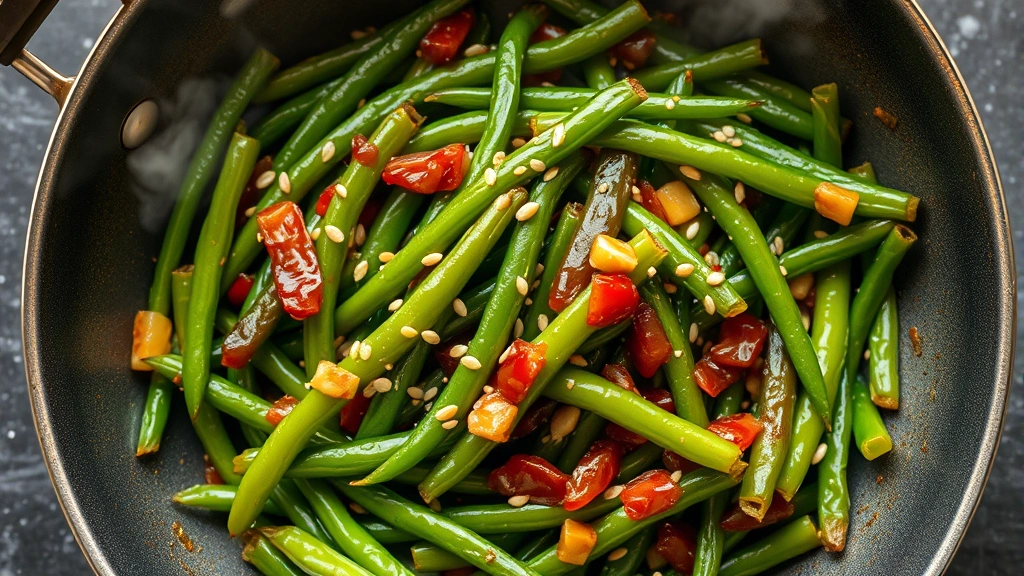
Easy Frozen Green Bean Stir-Fry! Tested Recipe
Frozen green beans are a weeknight warrior’s secret weapon. They’re pre-trimmed, consistently tender, and cook in minutes—making them perfect for busy home cooks who want restaurant-quality meals without the fuss. This easy frozen green bean stir-fry delivers crispy-tender vegetables, bold flavors, and endless customization options that transform a humble bag of frozen produce into something truly special.
Whether you’re feeding a family of four or meal-prepping for the week, this tested recipe proves that frozen vegetables deserve a permanent place in your kitchen rotation. We’ve tested multiple cooking techniques, ingredient combinations, and serving suggestions to bring you a foolproof method that works every single time. The best part? You can have dinner on the table in under 20 minutes.
Why Frozen Green Beans Are Perfect for Stir-Fries
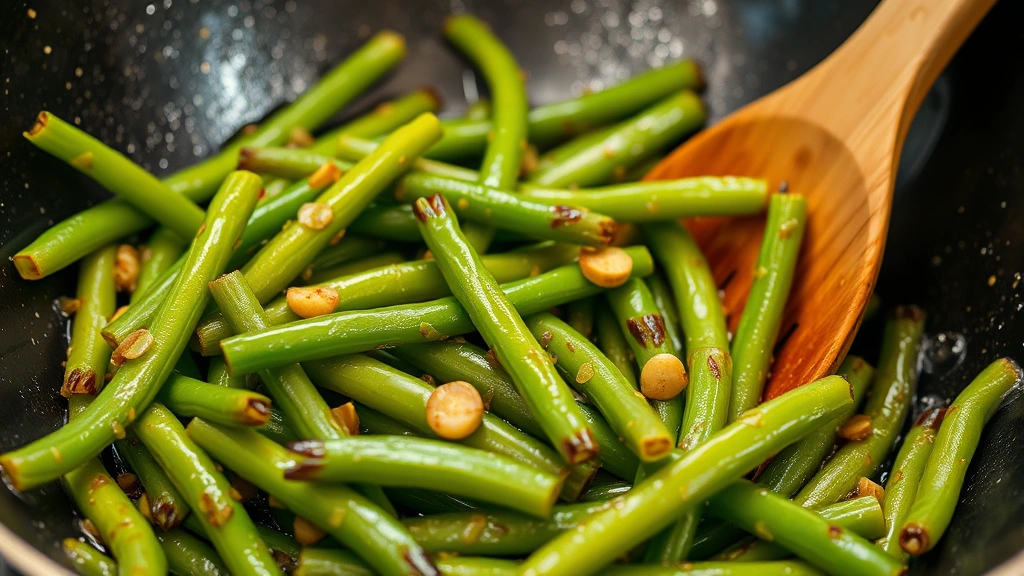
Most home cooks underestimate the quality of frozen vegetables. Unlike fresh green beans that can sit in your crisper drawer for days, losing moisture and nutrients, frozen green beans are blanched and flash-frozen at peak ripeness. This process preserves their vibrant color, crisp texture, and nutritional content better than you might expect.
From a practical standpoint, frozen green beans offer several advantages for stir-fry cooking. They require no washing, trimming, or prep work—simply pour them directly into your hot pan or wok. The slight ice crystals on the surface actually help create steam, which can contribute to that desirable tender-crisp texture. Additionally, frozen beans are typically less watery than fresh varieties that have been sitting in storage, meaning you’ll achieve better browning and caramelization in the pan.
The consistency factor cannot be overlooked. When you buy fresh green beans, you’re gambling on quality and ripeness. Frozen options guarantee uniform size and doneness, which means no overcooked or undercooked pieces in your final dish. This reliability makes frozen green bean recipes ideal for meal prep and feeding groups where everyone expects the same great result.
Ingredients and Equipment You’ll Need
For the Stir-Fry:
- 1 pound frozen green beans (about 4 cups)
- 3 tablespoons neutral oil (vegetable, canola, or peanut)
- 4 cloves garlic, minced
- 1 tablespoon fresh ginger, minced
- 3 tablespoons soy sauce
- 1 tablespoon oyster sauce
- 1 teaspoon sesame oil
- 1 tablespoon rice vinegar
- 1 teaspoon cornstarch mixed with 2 tablespoons water
- ½ teaspoon red pepper flakes (adjust to taste)
- 2 tablespoons sesame seeds (white, black, or mixed)
- 2 green onions, sliced
- Salt and black pepper to taste
Optional Protein Additions:
This stir-fry pairs beautifully with shrimp recipes with rice for a light, elegant meal. Alternatively, consider ground beef and rice recipes for heartier appetites, or add cooked chicken and noodles for a complete one-pan dinner.
Equipment Needed:
- Large wok or 12-inch skillet
- High-heat cooking utensils (wooden spoon or silicone spatula)
- Small bowl for sauce mixing
- Measuring spoons and cups
- Sharp knife for mincing garlic and ginger
Step-by-Step Cooking Instructions
Step 1: Prepare Your Mise en Place
Successful stir-frying depends on having all ingredients prepped before you start cooking. Mince your garlic and ginger, slice your green onions, measure out your sauce ingredients, and mix the cornstarch slurry in a small bowl. This preparation method prevents scrambling mid-cook when temperatures are high and timing is critical.
Step 2: Heat Your Wok or Skillet
Place your wok or large skillet over medium-high heat for 2-3 minutes. You want the cooking surface genuinely hot—this is crucial for achieving the signature crispy-tender texture that makes stir-fries addictive. A properly heated wok or skillet will cause a drop of water to sizzle and evaporate almost instantly.
Step 3: Cook the Frozen Green Beans
Add 1.5 tablespoons of oil to your hot wok. Once it shimmers (about 30 seconds), add the frozen green beans. Do not stir immediately. Let them sit undisturbed for 2-3 minutes. This crucial step allows the surface of the beans to make contact with the hot pan, creating light browning and caramelization. After 2-3 minutes, stir and toss the beans, then let them cook for another 3-4 minutes, stirring occasionally, until they’re tender-crisp and lightly charred in spots.
Step 4: Add Aromatics
Push the cooked green beans to the sides of your wok, creating a small space in the center. Add the remaining 1.5 tablespoons of oil to this center space. Add your minced garlic and ginger, stirring constantly for about 1 minute. This brief cooking time releases their aromatic oils without burning them. Be vigilant—burnt garlic tastes bitter and will ruin your dish.
Step 5: Combine and Create Sauce
Mix the soy sauce, oyster sauce, sesame oil, rice vinegar, and red pepper flakes in a small bowl. Pour this mixture over the green beans and aromatics. Stir everything together thoroughly, coating all the beans evenly. The sauce should coat the vegetables within 1-2 minutes.
Step 6: Thicken the Sauce
Give your cornstarch slurry a quick stir to recombine it, then add it to the wok while stirring constantly. Within 30-45 seconds, you’ll notice the sauce thicken and become glossy. This creates a light coating that clings to the beans rather than pooling at the bottom of the pan. This is when you know your stir-fry is perfectly executed.
Step 7: Finish and Serve
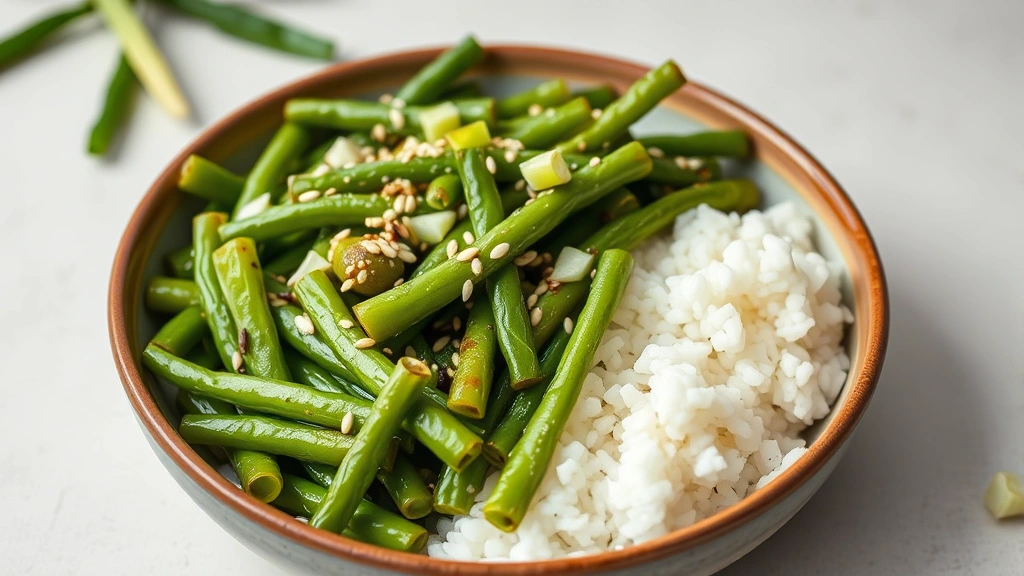
Remove the wok from heat. Taste your creation and adjust seasoning with additional salt, pepper, or soy sauce as needed. Transfer to a serving bowl or individual plates. Garnish generously with sesame seeds and sliced green onions. Serve immediately while the stir-fry maintains its ideal texture and temperature.
Total cooking time: 15-18 minutes from start to finish
Flavor Variations and Protein Pairings
Asian-Inspired Variations
The beauty of frozen green bean recipes lies in their flexibility. Create a Korean-inspired version by adding 1 tablespoon gochujang (Korean red chili paste) to your sauce and topping with toasted sesame seeds and sliced red chilies. For a Thai variation, replace the oyster sauce with 1 tablespoon of fish sauce and add 1 tablespoon of lime juice, creating a bright, tangy profile that pairs beautifully with jasmine rice.
Mediterranean Twist
Swap the Asian seasonings for Mediterranean flavors by using olive oil instead of neutral oil, adding sun-dried tomatoes, Kalamata olives, and fresh basil. This version pairs wonderfully with feta cheese—similar to our feta pasta recipe but with a vegetable-forward approach that’s equally satisfying.
Protein Integration Methods
For shrimp, cook them separately until just pink (about 3-4 minutes), then add them during the final 2 minutes of cooking to prevent overcooking. Ground beef should be browned in the wok first, broken into small pieces, then set aside before cooking the green beans; add it back when you add the sauce. Diced chicken breast can be cooked alongside the green beans in step 3, using a slightly higher heat to ensure proper cooking throughout. Tofu (pressed and cubed) should be added during the final minute to warm through without breaking apart.
Complementary Side Dishes
This stir-fry serves as an excellent standalone dish or pairs with steamed rice, noodles, or quinoa. Consider serving alongside a lighter side like our easy coleslaw recipe for textural contrast, or a warming soup like creamy tomato soup recipe on cooler evenings.
Storage and Make-Ahead Tips
Refrigerator Storage
Leftover frozen green bean stir-fry keeps beautifully in an airtight container for up to 4 days. The texture remains excellent—contrary to popular belief, properly cooked stir-fries don’t become mushy when refrigerated. Store the garnishes (sesame seeds and green onions) separately to maintain their freshness and crunch, adding them just before serving.
Reheating Methods
For best results, reheat in a skillet or wok over medium heat for 2-3 minutes, stirring occasionally. Alternatively, microwave in a covered container for 1-2 minutes, stirring halfway through. Avoid overheating, which can toughen the beans and separate the sauce.
Freezer-Friendly Prep
This recipe is excellent for meal prep. Prepare the sauce ingredients in advance and store them in a sealed container. On cooking day, you simply need to heat your wok and follow the cooking steps. The entire process remains quick enough for weeknight cooking. Do not freeze the completed stir-fry, as the texture of the beans will deteriorate upon thawing.
Batch Cooking Strategy
Double or triple this recipe using multiple woks or cooking in batches. The technique scales beautifully, and you’ll have ready-made meals for several days. This approach works particularly well when pairing with ground beef and rice recipes for comprehensive meal planning.
FAQ
Can I use fresh green beans instead of frozen?
Absolutely, though you’ll need to adjust your technique. Fresh green beans require blanching for 3-4 minutes before stir-frying to ensure they cook through properly. Frozen green beans are already blanched, which is why they cook so quickly. If using fresh, trim the ends and blanch in boiling salted water until tender-crisp, then drain thoroughly before adding to your hot wok.
What if I don’t have oyster sauce?
Oyster sauce adds umami depth, but you can substitute with an equal amount of soy sauce (increasing total soy sauce to 4 tablespoons) or fish sauce (use only 1 teaspoon due to its concentrated flavor). Both alternatives create delicious results, though the flavor profile will be slightly different.
How do I prevent my stir-fry from becoming soggy?
The key is high heat and proper technique. Don’t crowd the pan—use a wok or large skillet that allows the beans to spread in a relatively single layer. Resist the urge to stir constantly during the initial cooking phase; letting them sit allows moisture to evaporate and browning to occur. Additionally, use the cornstarch slurry to thicken excess liquid, preventing a watery final dish.
Can I make this without cornstarch?
Yes, though your sauce will be thinner. Simply omit the cornstarch slurry and let the sauce reduce naturally by cooking for an additional 1-2 minutes after adding the liquid ingredients. Alternatively, use 1 teaspoon of arrowroot powder, which works similarly to cornstarch and is a good option for those avoiding corn products.
What’s the best oil for high-heat stir-frying?
Neutral oils with high smoke points work best. Peanut oil (smoke point 450°F) is traditional in Asian cooking and adds subtle flavor. Vegetable oil and canola oil (both around 400°F) are excellent neutral alternatives. Avoid olive oil and butter, which burn at stir-fry temperatures. Sesame oil should only be used as a finishing oil due to its low smoke point and intense flavor.
How can I make this recipe spicier?
Increase the red pepper flakes to ¾ or 1 teaspoon, or add fresh sliced Thai chilies during the aromatics cooking step. For deeper heat, incorporate sriracha (1-2 tablespoons) into your sauce mixture. If you prefer smoky heat, add ¼ teaspoon of smoked paprika. Taste as you go—heat intensity varies widely depending on your ingredient choices and personal tolerance.
Is this recipe gluten-free?
This recipe is naturally gluten-free if you use tamari instead of regular soy sauce and verify that your oyster sauce is gluten-free (many traditional brands contain wheat). All other ingredients are naturally gluten-free. Always check labels on pre-made sauces and seasonings to ensure no cross-contamination or hidden gluten.
Can I cook this in a regular skillet instead of a wok?
Absolutely. While a wok’s curved sides are ideal for stir-frying, a 12-inch skillet works perfectly well. The cooking technique remains identical—high heat, proper spacing, and strategic stirring. You may need to work in slightly smaller batches with a skillet, but the final results will be equally delicious. The important factor is using a large enough cooking surface to avoid overcrowding.


