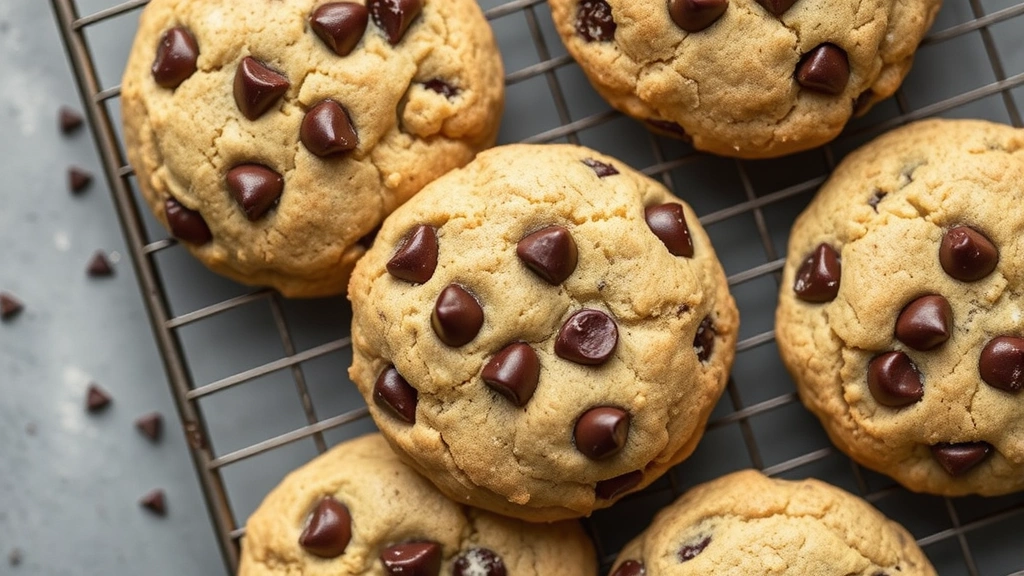
Gluten-Free Chocolate Chip Cookie Recipe: Expert Guide to Perfect Cookies Every Time
Baking gluten-free cookies doesn’t mean sacrificing taste, texture, or that irresistible chewy-crispy combination we all crave. The secret lies in understanding how gluten-free flours behave differently and selecting the right blend of ingredients to replicate the structure that traditional wheat flour provides. Whether you’re managing celiac disease, non-celiac gluten sensitivity, or simply exploring healthier baking options, mastering a gluten-free chocolate chip cookie recipe opens doors to countless delicious possibilities.
The challenge with gluten-free baking stems from gluten’s unique protein network, which creates elasticity and structure in dough. Without it, cookies can turn out dry, crumbly, or overly dense. However, with the right combination of flours, binders, and technique, you’ll create cookies that rival any traditional recipe. This comprehensive guide walks you through everything from ingredient selection to troubleshooting common baking mishaps, ensuring your gluten-free cookie adventures succeed from batch one.
Choosing the Right Gluten-Free Flours
The foundation of any gluten-free baking success starts with flour selection. Unlike all-purpose wheat flour, gluten-free flours vary dramatically in protein content, absorption capacity, and flavor profile. Using a single gluten-free flour rarely produces optimal results; instead, professional bakers blend multiple flours to achieve the best texture and taste.
Rice flour serves as an excellent base flour, providing mild flavor and moderate absorption. Brown rice flour offers slightly more nutrition and fiber than white rice flour but can create a grittier texture if not balanced properly. Almond flour contributes moisture, fat, and a subtle richness that enhances chocolate flavor. Tapioca starch (or tapioca flour) creates chewiness and helps bind ingredients together—this ingredient is crucial for achieving that coveted cookie texture.
Sorghum flour brings a slightly sweet, earthy note that pairs beautifully with chocolate. Millet flour offers a delicate, slightly sweet flavor without overpowering other ingredients. Many experienced gluten-free bakers recommend commercial gluten-free all-purpose flour blends that already contain xanthan gum or other binders, which simplifies the process considerably.
When selecting flour blends, check that they’re certified gluten-free and contain minimal additives. Brands like King Arthur Baking Company and Bob’s Red Mill offer reliable gluten-free options that perform consistently in cookie recipes.
Essential Ingredients Beyond Flour
Beyond flour selection, several key ingredients work together to replicate gluten’s binding and structural properties. Xanthan gum acts as a binder, creating the elasticity that gluten naturally provides. Most recipes require 1/2 to 1 teaspoon per cup of gluten-free flour blend. If using a commercial blend that already contains xanthan gum, omit this ingredient to avoid overdoing it.
Eggs provide structure, moisture, and binding power. Room-temperature eggs integrate more smoothly into dough, creating better emulsification. Butter (unsalted works best for flavor control) contributes richness and helps achieve that desirable crispy-chewy texture. Cold butter creates a more tender crumb, while slightly softened butter mixes more uniformly throughout the dough.
Brown sugar adds moisture and chewiness, while white sugar provides structure and crispness. The ratio between these two sugars significantly impacts final texture—more brown sugar yields chewier cookies, while more white sugar creates crispier edges. Vanilla extract amplifies chocolate flavor and masks any potential grittiness from gluten-free flours.
Quality chocolate chips make an enormous difference. Look for chips containing cocoa butter rather than vegetable oils, and verify they’re certified gluten-free. Some bakers prefer chopped dark chocolate over chips for richer flavor and better incorporation into dough.
Salt enhances all flavors and shouldn’t be overlooked. Baking soda creates lift and browning, while baking powder provides additional rise. Getting the ratio right between these leavening agents determines whether cookies spread properly or stay too thick.
Classic Gluten-Free Chocolate Chip Cookie Recipe
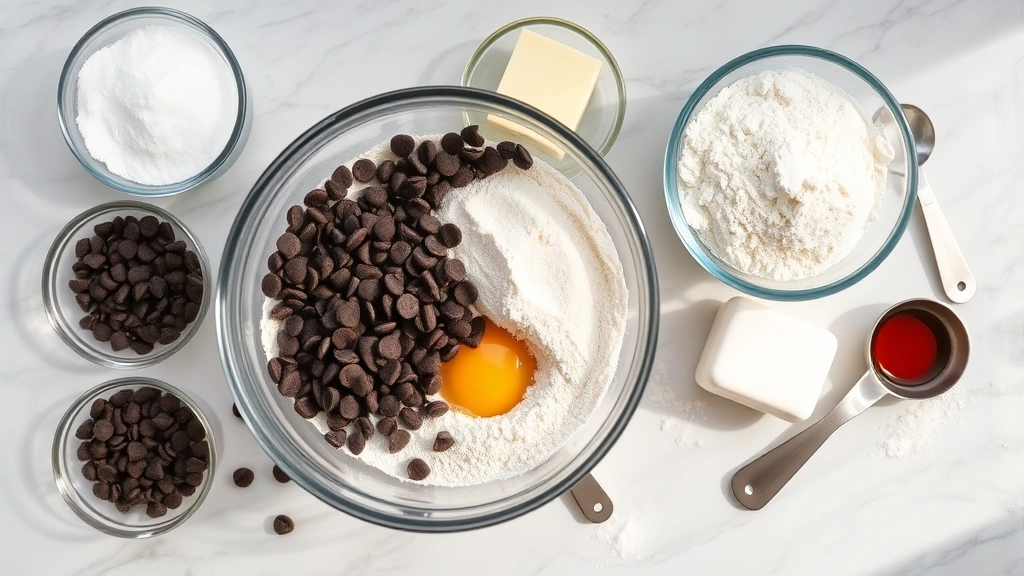
Ingredients (makes approximately 24 cookies):
- 2 1/4 cups gluten-free all-purpose flour blend (with xanthan gum included)
- 1 teaspoon baking soda
- 1/2 teaspoon baking powder
- 1 teaspoon fine sea salt
- 1 cup (2 sticks) unsalted butter, softened to room temperature
- 3/4 cup granulated white sugar
- 3/4 cup packed brown sugar
- 2 large eggs, room temperature
- 2 teaspoons pure vanilla extract
- 2 cups high-quality chocolate chips (or chopped dark chocolate)
- Optional: 1/2 cup chopped walnuts or pecans
This recipe balances chewiness and crispness while maintaining authentic chocolate cookie flavor. The combination of white and brown sugars creates depth, while the gluten-free flour blend ensures structure without grittiness.
Step-by-Step Instructions
Preparation Phase: Begin by bringing all ingredients to room temperature—this step cannot be overstated in importance. Remove eggs and butter from the refrigerator 30-45 minutes before baking. Room-temperature ingredients mix more evenly, creating a uniform dough with better texture.
Preheat your oven to 375°F (190°C). Line baking sheets with parchment paper or silicone baking mats. Proper oven temperature is crucial; gluten-free doughs often require slightly higher heat than traditional recipes to develop structure before spreading excessively.
Dry Ingredients: In a medium bowl, whisk together the gluten-free flour blend, baking soda, baking powder, and salt. Whisking aerates the flour and distributes leavening agents evenly. Set this mixture aside. If your flour blend doesn’t contain xanthan gum, add 1/2 teaspoon at this stage.
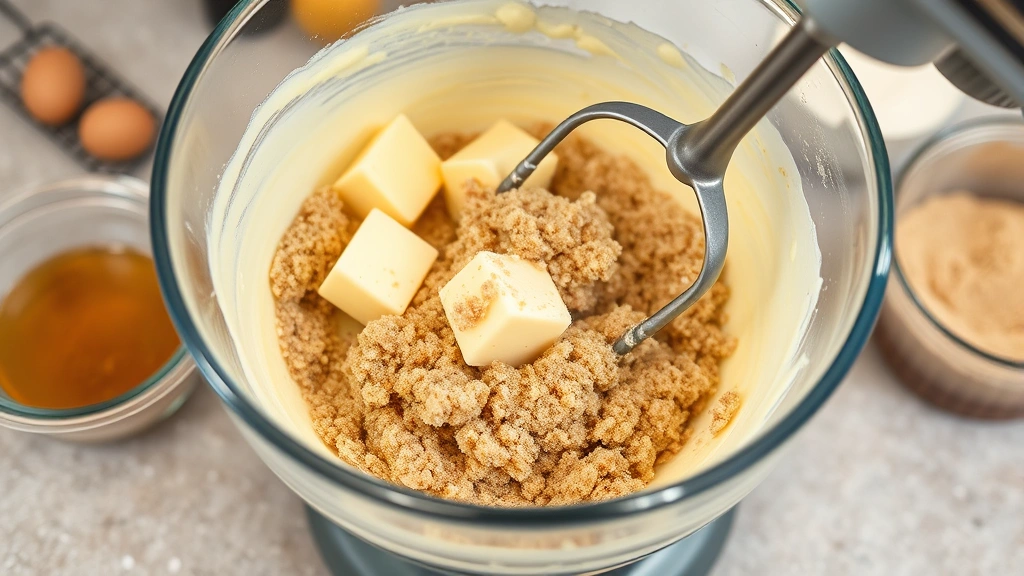
Creaming Butter and Sugars: In a large mixing bowl, combine softened butter with both sugars. Using an electric mixer on medium speed, beat for 3-4 minutes until the mixture becomes light, fluffy, and pale. This creaming process incorporates air, which helps cookies rise during baking. Scrape down bowl sides frequently to ensure even mixing.
Incorporating Eggs and Vanilla: Add eggs one at a time, beating well after each addition. Then add vanilla extract and mix until fully combined. The mixture should appear smooth and homogeneous. If it looks slightly curdled, don’t worry—this often happens with gluten-free doughs but doesn’t affect the final product.
Combining Wet and Dry: Add the dry ingredients to the wet mixture in two additions, mixing on low speed after each addition until just combined. Overmixing can develop too much structure, resulting in tough cookies. The dough should come together without visible flour streaks.
Adding Chocolate and Mix-Ins: Fold in chocolate chips and any optional nuts using a spatula or wooden spoon. Gently fold rather than stir aggressively to avoid overworking the dough. Let the dough rest for 5 minutes—this allows the gluten-free flour to fully hydrate, improving texture.
Shaping and Baking: Drop rounded tablespoons of dough onto prepared baking sheets, spacing them about 2 inches apart. Gluten-free cookies spread slightly more than traditional cookies, so adequate spacing prevents them from merging. For uniform cookies, use a cookie scoop.
Bake for 11-13 minutes, until edges turn golden brown but centers still appear slightly underdone. This is the key to chewy centers with crispy edges. Remove from oven and let cookies cool on baking sheet for 5 minutes before transferring to a cooling rack. They’ll continue cooking slightly from residual heat.
Cooling: Allow cookies to cool completely on the rack (about 15-20 minutes) before storing. This prevents condensation and maintains crispness on the outside.
If you enjoy experimenting with other recipes, consider trying your newly honed baking skills on a lemon loaf recipe, which uses similar techniques for gluten-free success.
The Baking Science Behind Success
Understanding the science behind gluten-free baking helps troubleshoot problems and create consistent results. Gluten is a protein network that traps water and gas, creating structure. Without it, cookies need alternative binding agents—this is where xanthan gum and eggs become essential.
Hydration balance differs significantly in gluten-free baking. Different gluten-free flours absorb water at different rates. Brown rice flour absorbs less water than almond flour, for example. This is why using a tested recipe matters more in gluten-free baking than traditional baking.
The Maillard reaction—the browning that creates complex flavors—occurs more readily at higher temperatures. This is why gluten-free cookies often require slightly higher oven temperatures (375°F instead of 350°F). The higher heat also helps set structure before excessive spreading occurs.
Spread control is critical in gluten-free cookies. Because there’s no gluten network to hold them in shape, cookies naturally spread more. Controlling spread involves: using cold dough (chill 30 minutes before baking if needed), proper leavening ratios, adequate flour content, and slightly higher oven temperatures. Some bakers also find that chilling the shaped dough before baking improves results.
The role of fats in gluten-free doughs is more pronounced than in traditional doughs. Fat coats flour particles, reducing gluten development—not an issue here, but it means less fat can make cookies tough, while too much fat creates excessive spreading. The 1:1 ratio of butter to sugar in this recipe provides optimal balance.
Sugar’s hygroscopic properties (ability to absorb and retain moisture) make brown sugar crucial for chewiness. The molasses in brown sugar also adds moisture and complex flavor. White sugar promotes spread and crispness. Balancing these creates the ideal texture.
Variations and Pro Tips
Dark Chocolate Lover’s Version: Replace 1 cup chocolate chips with chopped dark chocolate (70% cacao or higher). Add 1/4 teaspoon espresso powder to intensify chocolate flavor without adding coffee taste. Reduce vanilla to 1 1/2 teaspoons.
Brown Butter Enhancement: Brown your butter before creaming with sugars. Melt butter in a saucepan over medium heat, swirling occasionally until it turns golden and smells nutty (5-7 minutes). Cool completely before using. This adds sophisticated depth to gluten-free cookies.
Salted Caramel Version: Add 1/2 teaspoon of fleur de sel (finishing salt) to the dough. Fold in 1/2 cup chopped salted caramel candies along with chocolate chips. The salt-sweet combination elevates these cookies beyond ordinary.
Texture Enhancement: Add 1/2 cup of finely chopped toasted nuts (walnuts, pecans, or macadamia nuts). Toast nuts at 350°F for 8-10 minutes before chopping for deeper flavor.
Pro Tips for Consistent Success: Always measure flour by weight when possible (1 cup gluten-free flour ≈ 140-150 grams depending on the blend). Use an oven thermometer to verify actual temperature—ovens often run hot or cold. Rotate baking sheets halfway through baking for even browning. Keep a baking journal noting any adjustments and results for future reference.
Dough Consistency Check: Properly mixed gluten-free cookie dough should look similar to traditional dough but may feel slightly more compact. If it’s too dry and crumbly, add 1 tablespoon of milk at a time. If too wet, add 1 tablespoon of gluten-free flour at a time.
For those seeking additional inspiration, exploring chicken and potatoes recipe variations demonstrates how proper technique applies across different cooking methods.
Storage and Shelf Life
Room Temperature Storage: Place completely cooled cookies in an airtight container with parchment paper between layers. Stored this way, cookies remain fresh for 5-7 days. Include a piece of bread in the container—it absorbs excess moisture and keeps cookies crispy. Replace the bread daily.
Refrigerator Storage: For longer preservation, store cookies in an airtight container in the refrigerator for up to 2 weeks. The cooler temperature slows staling and prevents chocolate from melting.
Freezing: Baked cookies freeze beautifully for up to 3 months. Freeze them in a single layer on a baking sheet, then transfer to freezer bags. Thaw at room temperature for 30-45 minutes before serving. Alternatively, freeze cookie dough in portions—scoop dough onto a baking sheet, freeze, then transfer to freezer bags. Bake frozen dough directly from freezer, adding 2-3 minutes to baking time.
Dough Storage: Refrigerate unbaked dough for up to 5 days in an airtight container. Let it return to room temperature slightly before baking for best results. The dough can also be frozen for up to 3 months.
Reviving Stale Cookies: If cookies become hard, place them in an airtight container with a slice of apple for 24 hours. The apple releases moisture that softens cookies. Alternatively, warm cookies in a 300°F oven for 5 minutes.
FAQ
Why do my gluten-free cookies spread too much?
Excessive spreading typically results from: oven temperature too low (verify with a thermometer), dough too warm (chill before baking), too much sugar relative to flour, or insufficient leavening. Try using a slightly higher oven temperature (375-380°F) and chilling dough for 30 minutes before baking.
Can I substitute all-purpose flour for gluten-free flour?
No—this won’t work. Gluten-free flour blends are specifically formulated to replicate gluten’s binding properties. All-purpose flour contains gluten, which defeats the purpose of a gluten-free recipe. Always use certified gluten-free flour blends.
What’s the difference between xanthan gum and psyllium husk?
Xanthan gum is the standard binder in gluten-free baking, creating elasticity and binding moisture. Psyllium husk is a fiber supplement that also binds but adds a slightly grainy texture and isn’t ideal for cookies. Stick with xanthan gum for this recipe.
Why are my cookies too dense?
Dense cookies usually indicate overmixing, too much flour, insufficient leavening, or room-temperature ingredients that weren’t properly creamed. Ensure you’re creaming butter and sugar for the full 3-4 minutes until light and fluffy. Mix just until combined after adding dry ingredients.
Are gluten-free cookies more expensive?
Generally yes, gluten-free specialty flours cost more than all-purpose flour. However, buying larger quantities of reliable blends reduces per-batch costs. Many bakers find the investment worthwhile for health reasons or taste preferences.
Can I use coconut flour in this recipe?
Coconut flour isn’t recommended as a primary flour because it absorbs significantly more liquid and creates very dense cookies. If you want coconut flavor, add 1/4 teaspoon coconut extract instead, or use 1/4 cup unsweetened shredded coconut as a mix-in.
How do I know when cookies are done baking?
Gluten-free cookies appear done when edges turn golden brown but centers look slightly underdone. They continue cooking on the hot baking sheet after removal from the oven. If you wait until the center appears fully set, cookies will be too dry.
What if I don’t have xanthan gum?
Most commercial gluten-free flour blends already contain xanthan gum, so you may not need additional amounts. If using a blend without it and you can’t obtain xanthan gum, you can substitute with 1 tablespoon of ground flaxseed or chia seed per 1 teaspoon of xanthan gum, though results may vary slightly.
External Resources for Further Learning: For deeper understanding of gluten-free baking science, explore American Gluten Free, which offers certification and education. Celiac Central provides research-backed information about gluten-free living and baking. Serious Eats features detailed baking science articles and tested recipes. King Arthur Baking School offers comprehensive guides on gluten-free baking techniques and troubleshooting.


