Summer Potluck Hits? Grandma’s Recipe Box Secrets for Crowd-Pleasing Dishes
There’s something magical about opening grandma’s recipe box and discovering timeless dishes that have fed generations. These aren’t just recipes—they’re edible memories, passed down with love and perfected through decades of family dinners. When summer potluck season arrives, reaching into that treasure trove of classic recipes ensures you’ll bring something authentic, delicious, and unforgettable to every gathering. Grandma’s wisdom teaches us that the best potluck dishes are those made with simple ingredients, honest techniques, and genuine care for the people who’ll enjoy them.
Summer potlucks thrive on dishes that travel well, taste great at room temperature, and feed a crowd without fussing. Grandma’s recipe box contains exactly these kinds of crowd-pleasers—the casseroles, salads, breads, and sides that have earned their place at countless picnic tables and backyard celebrations. Whether you’re channeling her classic fried chicken, her famous potato salad, or her legendary desserts, these time-tested recipes deliver reliability and flavor that store-bought alternatives simply cannot match. Let’s explore the best hits from grandma’s kitchen and learn how to make them shine at your next summer gathering.
Classic Fried Chicken That Travels Well
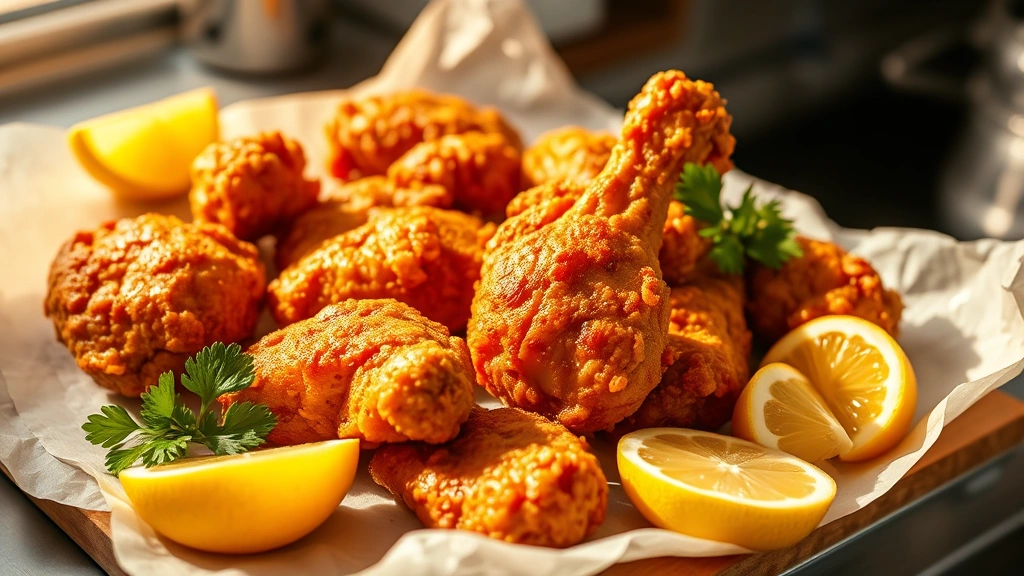
Fried chicken is the ultimate potluck protein, and grandma’s version beats restaurant versions every single time. The secret lies in brining the chicken beforehand and using a buttermilk coating that creates an impossibly crispy exterior while keeping the meat tender and juicy. Grandma understood that proper seasoning in the brine—salt, sugar, and aromatics—penetrates deep into the meat, ensuring flavor throughout.
Start by brining bone-in, skin-on chicken pieces in a mixture of salt, sugar, bay leaves, and peppercorns for at least 4 hours, though overnight is better. Remove the chicken and pat it completely dry with paper towels; this step is non-negotiable for achieving that golden-brown crust. Create your coating by combining flour with paprika, cayenne, garlic powder, onion powder, salt, and black pepper. Dredge each piece in buttermilk, then roll thoroughly in the seasoned flour mixture, pressing gently so the coating adheres.
When cooking with cast iron, maintain oil temperature between 325-350°F for even cooking without burning. Fry thighs and drumsticks for about 12-15 minutes, and breasts for 10-12 minutes. The chicken can be served hot or at room temperature, making it perfect for transport. Pack it in a shallow container lined with paper towels to absorb excess oil, and it’ll stay delicious for hours.
Grandma’s Potato Salad Magic
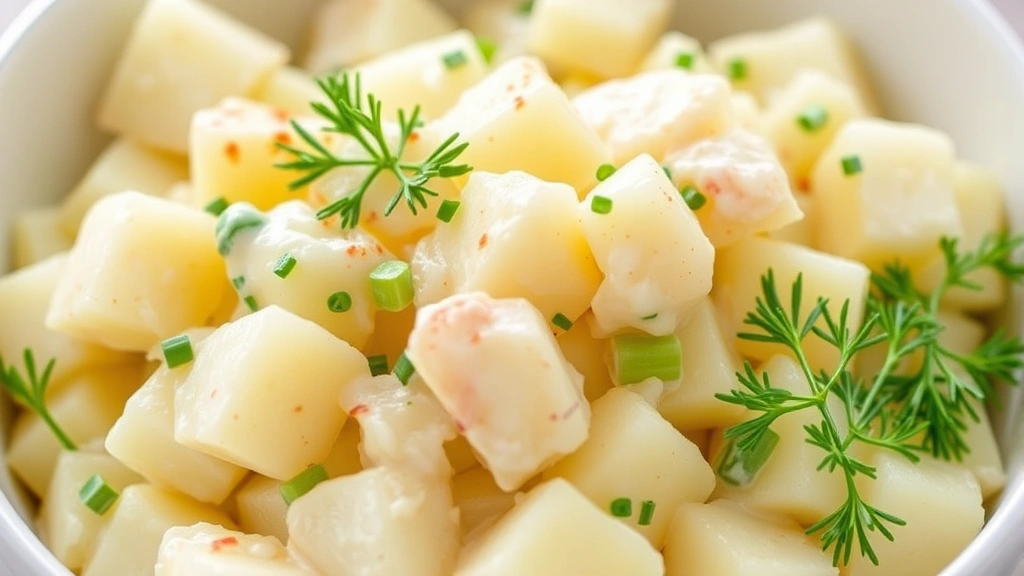
Potato salad is the backbone of summer potlucks, and grandma’s version stands apart because she understood the importance of timing. The best potato salads are dressed while the potatoes are still warm, allowing them to absorb the dressing fully. This technique—which many modern cooks overlook—creates superior flavor and texture compared to cold potato salads.
Use waxy potatoes like red potatoes or Yukon golds rather than russets, as they hold their shape better during mixing. Cut them into 1-inch cubes and boil in salted water until just tender, about 12-15 minutes. While still warm, toss with a mixture of quality mayonnaise, whole grain mustard, apple cider vinegar, and a touch of sugar. The warm potatoes absorb these flavors beautifully. Add diced celery, red onion, fresh dill, and hard-boiled eggs.
Grandma’s secret ingredient? A tablespoon of pickle juice stirred into the dressing adds brightness and complexity without making the salad taste overtly pickled. Some versions include crispy bacon, chopped fresh herbs, or a hint of paprika. The key is balancing creamy richness with acidic brightness so every bite feels fresh and satisfying, even on a hot summer day. Make this salad a day ahead—it actually improves as flavors meld overnight.
No-Fail Casserole Recipes
Casseroles are potluck gold because they’re hearty, feed crowds, and travel beautifully in their baking dish. Grandma’s casserole expertise comes from understanding that the best versions balance protein, vegetables, starch, and a binding sauce or cream base.
The classic green bean casserole—made with fresh green beans, cream of mushroom soup, crispy fried onions, and cheddar cheese—remains a proven winner. But grandma also mastered less common versions like chicken and wild rice casserole, tuna noodle bake with crushed potato chips on top, and vegetable lasagna layered with ricotta and spinach. The technique is consistent: prepare a flavorful base, combine with cooked proteins and vegetables, top with something crispy or cheesy, and bake until golden.
The beauty of casseroles is their flexibility and make-ahead nature. Assemble them the night before, refrigerate, and bake just before the potluck. If you’re transporting a hot casserole, wrap the baking dish in foil and place it in an insulated carrier with towels for protection. Grandma always labeled her dish with a toothpick flag noting any allergens—a considerate touch that modern potluck etiquette appreciates.
Homemade Bread and Rolls
Nothing says “made with love” like easy homemade bread recipes fresh from your kitchen. Grandma’s bread box always contained golden rolls, crusty loaves, or sweet quick breads that made every meal feel special. The advantage of bringing homemade bread to a potluck is that it requires minimal effort once made, stays fresh throughout the event, and impresses everyone.
Soft dinner rolls are perhaps the most practical choice. Grandma’s recipe typically uses a simple dough of flour, warm milk, butter, eggs, salt, and yeast. The dough rises for an hour, gets shaped into rolls, rises again, and bakes until golden—roughly 3 hours total from start to finish. The rolls can be made the morning of your potluck and transported in a cloth-lined basket, staying warm and fresh for hours.
For quicker options, consider quick breads like zucchini bread, banana bread, or cranberry-orange bread. These require no yeast, no rising time, and actually improve in flavor a day after baking. Slice them at home and transport in a covered container. Cornbread, biscuits, and focaccia are other crowd-pleasers from grandma’s bread repertoire that elevate any potluck table.
Summer Salads That Hold Up
Not all salads are created equal when it comes to potluck survival. Grandma knew that delicate greens wilt quickly, so her potluck salads were based on sturdy vegetables that improve with time. Coleslaw, for instance, actually tastes better after sitting for a few hours as the cabbage softens slightly and absorbs the dressing.
Creamy coleslaw combines shredded green and purple cabbage with grated carrot, dressed in a mixture of mayonnaise, apple cider vinegar, a touch of sugar, and celery seed. Make this the morning of your potluck—it’s even better by afternoon. Vinegar-based coleslaws are lighter and fresher, using a dressing of vinegar, oil, a bit of sugar, and seasonings without any mayo.
Other salads grandma favored for potlucks include bean salads (three-bean salad with kidney beans, green beans, and wax beans in a vinegar dressing), corn salad with black beans and cilantro, and composed salads with sturdy vegetables like tomatoes, cucumbers, and bell peppers. Avoid dressing these salads until just before serving, or use a very light hand and dress them at the potluck location if possible. Transport dressing separately and let guests add it themselves for optimal freshness.
Desserts Worth the Trip
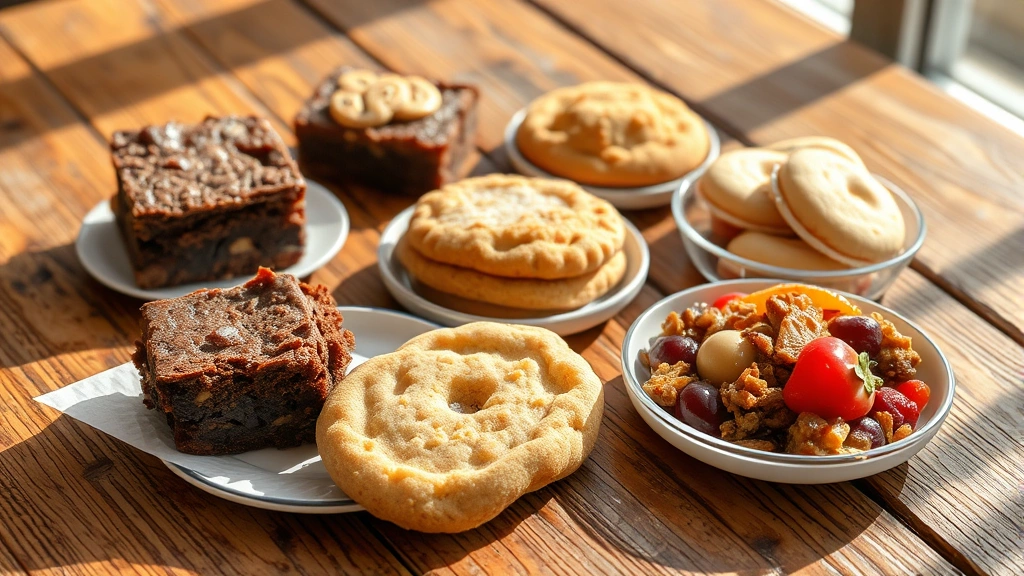
Grandma’s desserts from her recipe box are legendary for good reason. They’re often simple, always delicious, and designed to satisfy without being fussy. Brownies, cookies, sheet cakes, and bars travel exceptionally well and require no refrigeration, making them ideal potluck desserts.
Brownies are perhaps the most foolproof choice—rich, fudgy, and universally loved. Grandma’s technique involves melting butter and chocolate together, whisking in eggs and sugar, then folding in flour and sometimes nuts. Bake in a 9×13-inch pan, cool completely, and cut into squares. They’re even better the next day as flavors develop.
Sugar cookies, snickerdoodles, and chocolate chip cookies are equally portable. Sheet cakes frosted with buttercream or cream cheese frosting feed crowds and transport easily. Fruit crisps made with berries, apples, or peaches, topped with an oat crumble, offer lighter options. Bar cookies like lemon bars, magic bars, or blondies are economical for feeding many people and cut into perfect portions.
The key to transporting desserts is using a sturdy container with parchment between layers and ensuring everything is completely cool before packing. Grandma always wrapped her containers in foil for insulation and protection during transport. A simple label noting ingredients helps guests with dietary restrictions or allergies make informed choices.
Packing and Transport Tips
Even the most delicious dish loses its appeal if it arrives at the potluck disheveled or cold. Grandma’s potluck wisdom extended to smart packing strategies that ensure your contribution arrives in perfect condition.
For hot dishes, invest in an insulated carrier or wrap your baking dish securely in foil and then in towels. Place the wrapped dish in a sturdy box to prevent tipping. For cold salads and sides, use coolers with ice packs, placing ice packs on the bottom and sides rather than directly on the food. Transport dressings and sauces separately in sealed containers.
Always bring serving utensils and a small label noting the dish name and any allergens. Grandma understood that potluck hosts appreciate knowing what’s what and being able to serve food properly. Pack extra napkins, wet wipes, and a small trash bag—thoughtful touches that make cleanup easier for everyone.
Consider the logistics of your specific potluck. If it’s a backyard gathering close to home, you can bring hot dishes and assemble last-minute items. For longer trips or outdoor events, focus on dishes that taste good at room temperature or can be reheated easily. Always pack with care, drive carefully, and allow extra time so you arrive without rushing.
FAQ
How far in advance can I make potluck dishes?
Most casseroles, salads, and desserts can be made 1-2 days ahead. Fried chicken is best made the morning of your potluck. Potato salad actually improves if made a day ahead. Quick breads benefit from sitting overnight before serving. The general rule: assemble most dishes the day before, and cook proteins the morning of the event.
What’s the best way to keep hot dishes hot during transport?
Use an insulated carrier designed for food transport. Wrap your hot dish in foil, then wrap again in kitchen towels for extra insulation. Place the wrapped dish in the carrier and fill empty spaces with more towels. Avoid opening the carrier during transport. If the trip is longer than 30 minutes, you may want to reheat the dish upon arrival at the potluck location.
Can I make these recipes dairy-free or gluten-free?
Yes, most of grandma’s recipes are adaptable. For homemade sauces and creamy dressings, use dairy-free mayonnaise and non-dairy milk. For tempura batter recipe and fried coatings, use gluten-free flour blends. For breads, quality gluten-free flour blends work well with slight adjustments to liquid ratios. Always inform guests of dietary modifications so they can choose accordingly.
What if I don’t have time to make everything from scratch?
Grandma would approve of smart shortcuts. Use rotisserie chicken for casseroles, quality store-bought rolls, or bakery bread. Focus your effort on one homemade item—perhaps your specialty fried chicken or a signature dessert—and round out with quality store-bought sides. Potlucks celebrate community, not competition.
How do I know if my potluck dish is actually crowd-pleasing?
The best test is whether the dish gets finished. Grandma’s recipes lasted generations because people loved them and asked for seconds. Choose recipes with broad appeal—nothing too exotic or challenging. Balance flavors (salty, sweet, acidic, rich) and textures (creamy, crunchy, tender). When in doubt, classics from steelhead trout recipe traditions to mahi-mahi recipes show that timeless flavors win every time.
What’s the difference between grandma’s recipes and modern versions?
Grandma’s recipes often use whole, recognizable ingredients and straightforward techniques developed through repetition. They prioritize flavor development and proper seasoning over novelty. Modern cooking sometimes chases complexity, while grandma’s approach was about mastering fundamentals and letting quality ingredients shine. The best modern cooking actually returns to these time-tested principles.
Can I double or triple these recipes for larger potlucks?
Most recipes scale beautifully. Casseroles, salads, and baked goods multiply easily. For fried chicken, you may need more oil and a longer cooking time, so cook in batches rather than crowding the pan. Desserts are particularly easy to scale—just multiply all ingredients equally. Always taste as you go when scaling up, as seasonings sometimes need slight adjustment in larger quantities.


