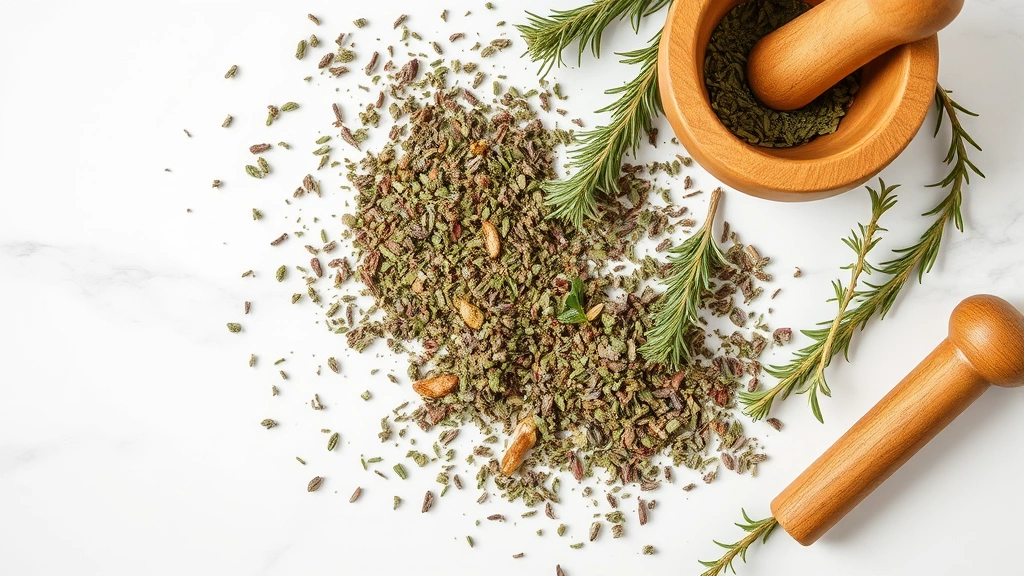
Authentic Greek Seasoning: Chef’s Guide to Homemade Blends
Greek seasoning is the soul of Mediterranean cooking, transforming simple ingredients into dishes bursting with authentic flavor. Unlike pre-packaged blends that often contain fillers and preservatives, crafting your own Greek seasoning recipe gives you complete control over quality, freshness, and intensity. This guide walks you through everything a chef needs to know about creating restaurant-quality Greek seasonings at home.
Whether you’re preparing chicken dishes, marinades, or Mediterranean vegetables, understanding the foundational spices and herbs of Greek cuisine elevates your cooking immediately. The beauty of Greek seasoning lies in its simplicity—it relies on dried herbs, aromatic spices, and salt rather than complex flavor compounds. Once you master the basics, you’ll understand how to adjust ratios for different applications and personal preferences.
Essential Ingredients for Greek Seasoning
The foundation of authentic Greek seasoning starts with understanding the individual components that create the characteristic Mediterranean flavor profile. Unlike Cajun spice recipes that build heat and complexity through peppers and pepperiness, Greek seasonings emphasize herbaceous, slightly fruity, and savory notes.
Oregano is the non-negotiable cornerstone of Greek seasoning. Greek oregano (Origanum vulgare subsp. hirtum) differs significantly from Mediterranean oregano found in other regions. It has a more robust, peppery character with subtle minty undertones. When purchasing oregano, look for the Greek or Mediterranean designation on the label. The dried leaves should maintain their vibrant green color and release an intense aroma when crushed.
Thyme adds a subtle earthiness and slight sweetness that balances oregano’s boldness. Greek cuisine traditionally uses common thyme rather than lemon thyme, though some regional variations incorporate both. Thyme’s delicate nature means it loses potency quickly, so freshness matters considerably when building your blend.
Marjoram is often overlooked but essential for authentic Greek seasoning. It’s milder than oregano with a warmer, slightly sweet profile. Marjoram bridges the gap between oregano and thyme, creating depth and complexity. Many home cooks skip marjoram, which is why their seasonings taste incomplete compared to restaurant versions.
Rosemary contributes piney, woodsy notes that evoke the Mediterranean landscape. Use it sparingly—rosemary’s potency means small amounts provide significant impact. Fresh rosemary is superior to dried for immediate use, but dried rosemary works excellently in seasoning blends.
Garlic powder provides umami depth and savory character without the moisture that fresh garlic introduces. Quality matters here—premium garlic powder has no anti-caking agents and smells intensely of garlic. Avoid products with added salt or sugar.
Sea salt acts as both a flavor component and a preservative. Mediterranean sea salt with its mineral complexity is preferred over table salt. Some chefs use Himalayan pink salt for its trace minerals, though traditional Greek cooking calls for sea salt.
Black pepper should be freshly ground from whole peppercorns just before blending your seasoning. Pre-ground pepper loses volatile oils rapidly, significantly diminishing its impact. The peppery heat balances the herbs’ earthiness.
Optional ingredients that appear in some regional Greek seasonings include dried lemon zest, fennel seeds, coriander seeds, and a pinch of red pepper flakes. These additions create variations suited to specific dishes or regional traditions.
Classic Greek Seasoning Recipe
This foundational recipe represents the most versatile Greek seasoning blend, suitable for nearly any Mediterranean dish. The measurements are by weight for precision, though volume conversions are provided for convenience.
Ingredients:
- 3 tablespoons dried Greek oregano (8g)
- 1 tablespoon dried thyme (3g)
- 1 tablespoon dried marjoram (3g)
- 1 teaspoon dried rosemary (1g), finely crushed
- 1 tablespoon garlic powder (8g)
- 2 teaspoons sea salt (12g)
- 1 teaspoon freshly ground black pepper (2g)
Instructions:
- Prepare your workspace. Ensure all containers, measuring spoons, and tools are completely dry. Any moisture introduces mold risk and degrades the blend’s shelf life.
- Measure dried herbs precisely. Use a kitchen scale for accuracy, or measure by volume and adjust to taste. The ratio of oregano to thyme to marjoram should be approximately 3:1:1 for balanced flavor.
- Crush rosemary finely. Rosemary’s needle-like leaves should be broken into small pieces to distribute evenly throughout the blend. Use a mortar and pestle or the back of a spoon against a cutting board.
- Grind black pepper. Use a pepper mill set to medium-fine grind. Freshly ground pepper is crucial—this step shouldn’t be skipped or substituted with pre-ground pepper.
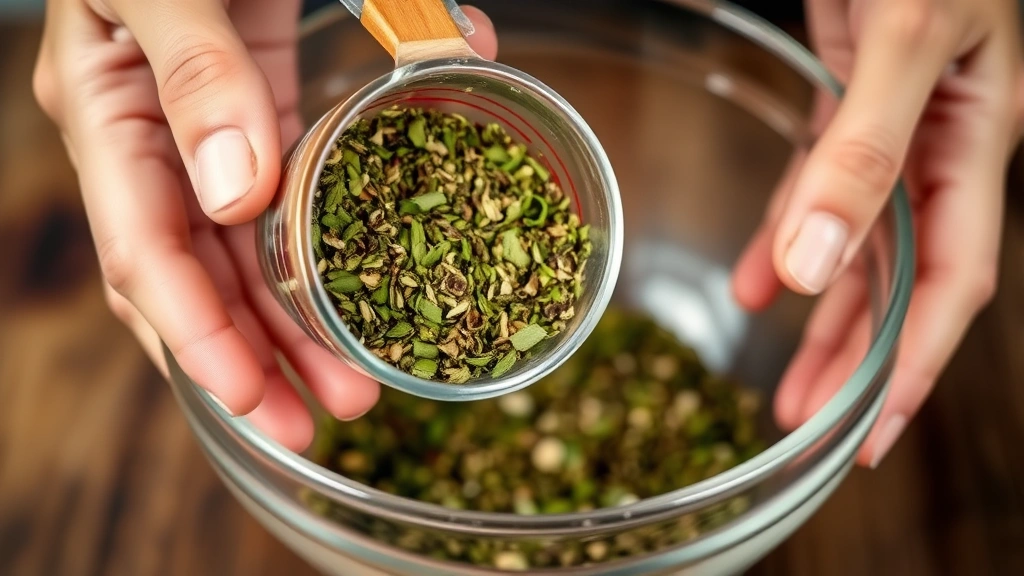
- Combine all ingredients. Add oregano, thyme, marjoram, and crushed rosemary to a clean, dry bowl. Mix thoroughly with a fork or small whisk to distribute herbs evenly.
- Add garlic powder and salt. Incorporate garlic powder and sea salt, mixing for at least one minute to ensure even distribution. Garlic powder tends to clump, so break up any aggregates as you mix.
- Add black pepper last. Fold in freshly ground black pepper gently to avoid settling to the bottom of the mixture.
- Final mixing. Transfer the blend to a clean jar and shake vigorously for 30 seconds to ensure complete homogeneity.
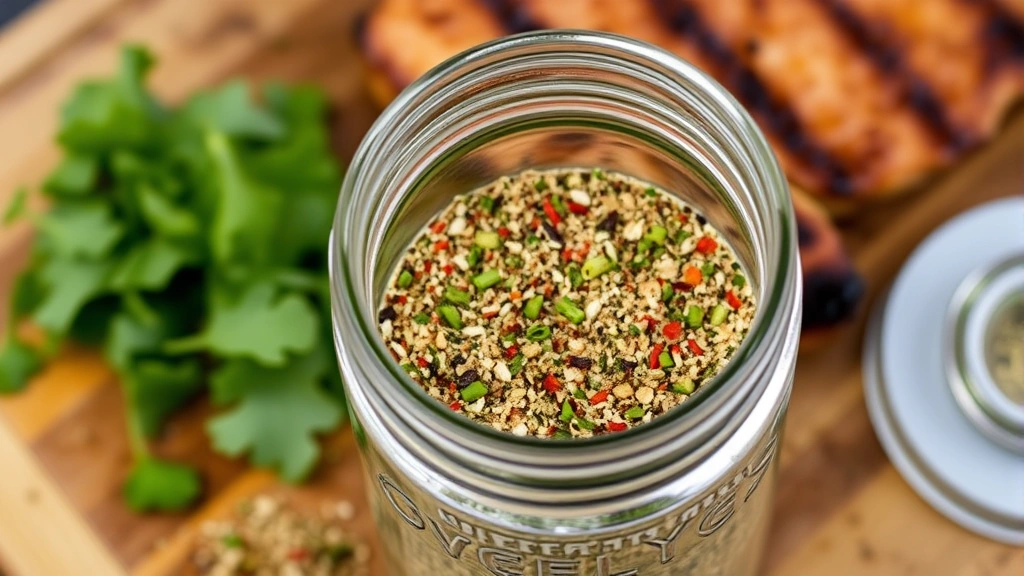
- Storage. Store in an airtight glass container away from heat, light, and moisture. Label with the date of creation.
This recipe yields approximately ¼ cup of finished seasoning, providing enough for multiple dishes or several weeks of regular use depending on your cooking frequency.
Variations and Regional Blends
Greece’s diverse regions produce distinct seasoning variations reflecting local ingredients and culinary traditions. Understanding these variations allows you to tailor your blend for specific applications.
Cretan Seasoning emphasizes oregano even more heavily than standard blends, with the addition of dried fennel seeds for subtle licorice notes. This version works beautifully with grilled meats and hearty vegetable dishes. The fennel adds complexity that complements lamb particularly well.
Aegean Island Blend incorporates dried lemon zest alongside traditional herbs, creating brightness and acidity that balances rich seafood dishes. When making this variation, dry fresh lemon zest in a low oven (200°F for 45 minutes) before adding to your blend. The citrus notes prevent the seasoning from feeling heavy with fish preparations.
Northern Greece Variation includes coriander seeds and a small amount of ground cumin, reflecting influences from neighboring Balkan regions. Toast whole coriander seeds briefly in a dry pan before grinding to intensify their flavor. This version complements Mediterranean vegetables and adds warmth to marinades.
Simplified Version for Quick Prep combines just oregano, garlic powder, salt, and pepper for immediate use when you lack time for elaborate blending. While less complex, this four-ingredient blend captures the essential Greek flavor profile and works well for everyday cooking.
Spiced Greek Blend adds red pepper flakes (½ teaspoon per batch) for those preferring heat. This variation complements quick-cooking preparations where spice adds excitement without overwhelming delicate flavors.
When experimenting with variations, always start with the classic recipe as your base, then add new ingredients in small quantities. Taste-test your blend in a simple application like plain yogurt or olive oil before committing to large batches.
Storage and Shelf Life
Proper storage directly impacts how long your Greek seasoning maintains its potency and aromatic qualities. Unlike fresh herbs that deteriorate within days, dried herb blends can remain viable for months when stored correctly.
Container selection matters significantly. Glass jars with airtight seals protect your blend from air exposure, which degrades volatile oils responsible for flavor. Avoid plastic containers, which can absorb oil residues and impart flavors. Dark glass provides additional protection from light degradation. Ceramic containers with rubber seals work adequately if glass isn’t available.
Location is critical. Store your seasoning blend in a cool, dark pantry away from direct sunlight, heat sources, and moisture. Never place seasoning containers above the stove—heat dramatically reduces shelf life. Avoid windowsills where temperature fluctuations and light exposure occur. A climate-controlled pantry or cupboard away from cooking areas is ideal.
Moisture prevention is essential for longevity. Never use wet spoons when scooping seasoning from your container. If moisture enters the blend, mold can develop. Some chefs place a small silica gel packet in their seasoning jar to absorb ambient moisture, replacing it monthly.
Shelf life expectations: A properly stored Greek seasoning blend maintains excellent flavor for 6-8 months. After 8 months, the blend remains safe to use but gradually loses aromatic potency. After one year, most blends have faded significantly. This timeline assumes storage in ideal conditions—cooler temperatures extend shelf life considerably.
Freshness testing: Before using an older blend, open the container and smell the seasoning. If the aroma is weak or absent, the blend has degraded. You can still use it, but increase quantities by 25-50% to compensate for lost potency. If any off-odors, discoloration, or visible mold appears, discard the blend immediately.
Many chefs create smaller batches more frequently rather than large quantities, ensuring maximum freshness. Making a fresh batch every 4-6 weeks guarantees optimal flavor in every application.
Application Guide for Different Dishes
Greek seasoning’s versatility extends across numerous dishes, but application methods and quantities vary for optimal results.
Grilled meats and poultry: For chicken, lamb, or pork destined for the grill, combine 2 tablespoons of Greek seasoning with ¼ cup olive oil and 2 tablespoons fresh lemon juice. Rub this paste onto meat at least 30 minutes before grilling, allowing flavors to penetrate. This approach works beautifully with smoking preparations where the seasoning’s herbs complement smoke.
Vegetable preparations: Toss fresh vegetables with olive oil and 1-2 teaspoons of Greek seasoning per pound of vegetables. For roasted vegetables, apply seasoning before cooking; for grilled preparations, season after cooking to prevent herb burning. Zucchini, eggplant, bell peppers, and tomatoes respond exceptionally well to this treatment.
Salad dressings: Incorporate Greek seasoning into homemade salad dressings by whisking 1 teaspoon of seasoning into vinaigrettes. The herbs hydrate and bloom as the dressing sits, intensifying flavor. This method works particularly well for Greek salads with tomatoes, cucumbers, and feta cheese.
Marinades and brines: Create flavorful marinades by combining 3 tablespoons Greek seasoning with 1 cup olive oil, ½ cup lemon juice, and ½ cup red wine vinegar. This mixture works for 2-3 pounds of meat or vegetables. Marinate for at least 4 hours, though overnight produces deeper flavor development.
Yogurt-based dishes: Mix Greek seasoning into Greek yogurt preparations for dips, sauces, and accompaniments. Combine 1 teaspoon seasoning with one cup yogurt, then fold in diced cucumber, garlic, and fresh dill for tzatziki variations. The yogurt’s creaminess balances the herbs’ intensity.
Soups and stews: Add Greek seasoning directly to simmering soups during cooking, allowing 15-20 minutes for flavors to fully integrate. Start with 1 teaspoon per gallon of liquid, then adjust to taste. The longer cooking time develops deeper flavor complexity than dry applications.
Fish and seafood: Sprinkle Greek seasoning directly onto fish before baking or pan-searing. The 15-20 minute cooking time is sufficient for flavor development without overwhelming delicate fish. Mediterranean fish preparations particularly benefit from the herb blend’s brightness.
Sourcing Quality Ingredients
The quality of your finished seasoning blend depends entirely on the quality of individual ingredients. Understanding where and how to source premium components elevates your final product significantly.
Oregano sourcing: Look specifically for Greek or Mediterranean oregano rather than generic oregano. Specialty spice shops, Mediterranean markets, and online retailers specializing in Greek products typically carry authentic varieties. Check the country of origin on packaging—Greek oregano should be from Greece or Turkey. Reputable suppliers include The Spice House and Penzey’s Spices, which source directly from Mediterranean regions.
Herb freshness indicators: Quality dried herbs maintain vibrant color—green oregano should be noticeably green, not brown or faded. Smell the herbs before purchasing if possible; they should release intense aroma when crushed. Avoid herbs with visible dust, debris, or any musty odors suggesting improper storage.
Bulk purchasing advantages: Buying herbs in bulk from stores with high turnover ensures freshness. Many specialty spice shops allow you to purchase exact quantities needed, reducing waste and cost. Bulk herbs are often fresher than pre-packaged versions that may have sat on shelves for months.
Growing your own herbs: For the ultimate freshness, grow oregano, thyme, marjoram, and rosemary in a Mediterranean-style garden or containers. These hardy herbs thrive in dry conditions with minimal maintenance. Harvest in early morning after dew dries, then dry slowly in a shaded, well-ventilated area. Home-grown herbs dried properly rival or exceed commercial quality.
Garlic powder quality: Premium garlic powder contains only dehydrated garlic with no additives or anti-caking agents. Check ingredient labels carefully—quality products list only garlic. Avoid products containing silicon dioxide or calcium silicate. Culinary Cooks and specialty spice retailers offer premium garlic powders without fillers.
Sea salt selection: Mediterranean sea salt or Himalayan pink salt provides mineral complexity superior to standard table salt. Specialty food markets and online retailers carry various sea salts from different regions. Taste different varieties—you’ll notice flavor variations that impact your final seasoning blend.
FAQ
Can I substitute dried herbs if I can’t find specific Greek varieties?
While authentic Greek oregano is superior, you can substitute Mediterranean or Turkish oregano with acceptable results. However, avoid Mexican oregano, which has entirely different flavor characteristics. For other herbs like thyme and marjoram, substitutions are more forgiving since regional variations are less pronounced. Always start with less and taste before adding more, as unfamiliar varieties may have different potency levels.
Should I use fresh herbs instead of dried for better flavor?
Fresh herbs provide different flavor profiles than dried versions. Fresh oregano is milder and more delicate, while dried oregano is concentrated and robust. For seasoning blends, dried herbs are necessary—fresh herbs contain moisture that promotes mold growth and significantly reduces shelf life. Use fresh herbs directly in cooking when you want their delicate characteristics; use dried herb blends for storage and convenience.
How do I adjust Greek seasoning quantities for different recipe sizes?
A general rule is 1 teaspoon of Greek seasoning per 4 ounces of protein or 2 cups of vegetables. For soups and stews, use 1 teaspoon per quart of liquid. Always start with less seasoning than you think you need—you can add more, but you cannot remove it. Taste as you cook and adjust accordingly. Different cooking methods affect seasoning intensity; grilling and roasting require less seasoning than boiling or steaming.
Can I make Greek seasoning with fresh herbs and dry it myself?
Yes, though it requires proper technique. Harvest herbs in early morning, rinse gently, and pat completely dry. Tie herbs in small bundles and hang in a warm, dark, well-ventilated area for 2-3 weeks until completely brittle. Once dry, strip leaves from stems, crush finely, and proceed with blending instructions. Home-dried herbs often have superior flavor to store-bought varieties but require careful drying to prevent mold.
What’s the difference between Greek seasoning and Italian seasoning?
Italian seasoning typically emphasizes basil, oregano, and thyme with less focus on the specific herb ratios that define Greek seasoning. Greek seasoning relies more heavily on oregano and includes marjoram, which is less common in Italian blends. Greek seasoning also typically includes garlic powder and salt, making it a complete seasoning rather than just a dried herb mixture. The flavor profiles are distinctly different—Greek seasoning is more herbaceous and savory, while Italian seasoning is brighter and slightly more floral.
Is Greek seasoning appropriate for non-Mediterranean dishes?
Absolutely. Greek seasoning’s herbal complexity works wonderfully with roasted vegetables, grilled proteins, and even some Asian-inspired dishes. The key is understanding that it adds Mediterranean character to whatever you’re cooking. Experiment with small quantities in different cuisines to discover how the blend complements various flavor profiles. Many chefs use Greek seasoning in unexpected applications where its herbaceous quality adds welcome depth.


