
Easy Hashbrown Casserole: A Family Favorite Recipe
Hashbrown casserole is the ultimate comfort food that brings families together at breakfast, brunch, or even dinner. This creamy, cheesy dish combines crispy shredded potatoes with a savory custard base, creating layers of flavor and texture that keep everyone coming back for seconds. Whether you’re feeding a crowd for the holidays or preparing a simple weeknight meal, this easy hashbrown casserole recipe delivers restaurant-quality results without the fuss.
What makes this dish so beloved is its incredible versatility and simplicity. You don’t need fancy techniques or hard-to-find ingredients—just quality potatoes, cheese, eggs, and a few pantry staples. The beauty of this recipe lies in how forgiving it is; you can customize it with bacon, sausage, vegetables, or herbs to match your family’s preferences. Plus, you can prepare it the night before and bake it fresh in the morning, making it perfect for busy households.
This comprehensive guide will walk you through every step of creating a perfect hashbrown casserole that rivals those served at your favorite diners. From ingredient selection to troubleshooting tips, you’ll have all the knowledge needed to make this dish a regular feature on your family table.
Ingredients You’ll Need
The foundation of an exceptional hashbrown casserole starts with quality ingredients. Here’s exactly what you need to gather before beginning:
- Frozen shredded potatoes: Two pounds of frozen hash browns (thawed) serve as your base. You can use the classic shredded variety or waffle-cut potatoes for different textures.
- Cheddar cheese: Two cups of shredded sharp cheddar provides that essential cheesy flavor and creamy texture.
- Eggs: Four large eggs bind everything together and create a custardy consistency throughout.
- Heavy cream: One cup of heavy cream adds richness and ensures a moist casserole.
- Whole milk: One cup of whole milk balances the cream and creates the perfect custard ratio.
- Butter: Four tablespoons of unsalted butter coat the baking dish and add flavor.
- Onion: One medium yellow onion, finely diced, adds aromatic depth.
- Garlic: Two cloves of minced garlic enhance the savory profile.
- Salt and black pepper: To taste for seasoning.
- Optional additions: Crispy bacon, sausage, fresh herbs like chives or parsley, or sautéed bell peppers.
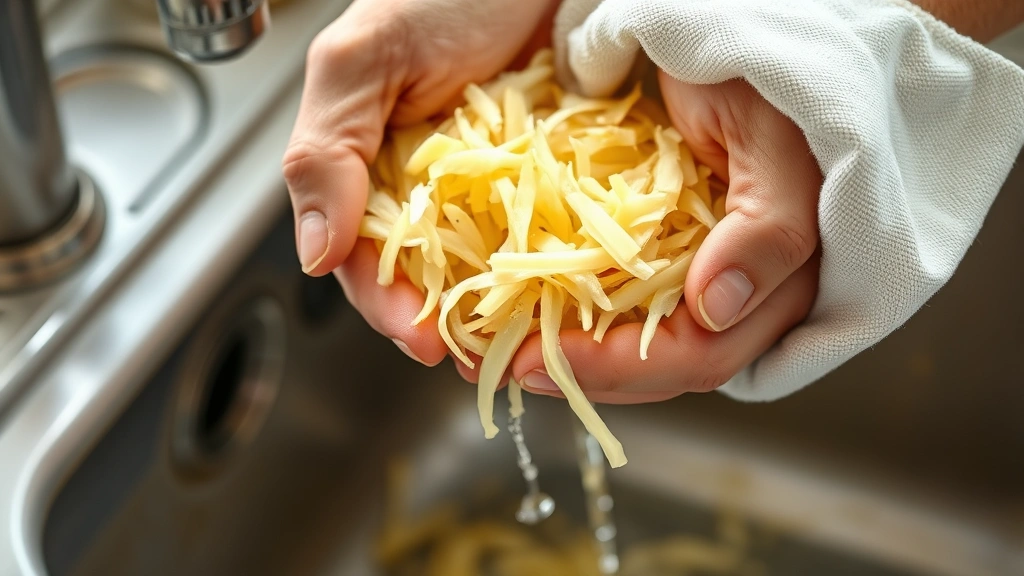
When selecting potatoes, ensure your frozen hash browns are completely thawed and excess moisture is removed. Squeeze them in a clean kitchen towel to eliminate water that could make your casserole soggy. For cheese, always shred from a block rather than using pre-shredded varieties, which contain anti-caking agents that prevent smooth melting.
Preparation Steps
Proper preparation ensures your hashbrown casserole bakes evenly and develops the perfect texture. Follow these detailed steps:
Step 1: Prepare Your Baking Dish
Preheat your oven to 350°F (175°C). Generously butter a 9×13-inch baking dish, making sure to coat the bottom and all sides. This prevents sticking and adds flavor to the edges of your casserole. If you prefer extra insurance against sticking, you can line the bottom with parchment paper after buttering.
Step 2: Process the Potatoes
Remove your frozen hash browns from the freezer and allow them to thaw at room temperature for about 30 minutes. Once thawed, place them in a fine-mesh strainer lined with cheesecloth or a clean kitchen towel. Press firmly to remove all excess moisture—this step is crucial for preventing a watery casserole. The drier your potatoes, the creamier and more cohesive your final dish will be.
Step 3: Sauté the Aromatics
In a large skillet over medium heat, melt two tablespoons of butter. Add your diced onion and cook for 3-4 minutes until softened and translucent. Add minced garlic and cook for another 30 seconds until fragrant. These aromatic vegetables form the flavor foundation of your casserole, so don’t skip this step. If using bacon or sausage, cook it separately and set aside for later layering.
Step 4: Combine the Custard Base
In a large mixing bowl, whisk together four eggs, one cup of heavy cream, and one cup of whole milk. Whisk vigorously for about one minute to fully incorporate the eggs and create a smooth custard base. Add one teaspoon of salt and half a teaspoon of black pepper. Taste and adjust seasonings as needed—remember that cheese will add saltiness, so don’t over-season at this stage.
Step 5: Layer Your Casserole
Spread half of your thawed, dried hash browns in the prepared baking dish, pressing gently to create an even layer. Sprinkle one cup of shredded cheddar cheese over the potatoes. Add your sautéed onion and garlic mixture, distributing evenly. If using meat, scatter it over this layer. Top with the remaining hash browns, pressing gently, then pour your custard mixture evenly over the entire surface. Sprinkle the remaining one cup of cheese on top. Dot with the remaining two tablespoons of butter cut into small pieces.
Baking Instructions
The baking process transforms your layered ingredients into a golden, creamy masterpiece. Here’s how to achieve perfect results:
Initial Baking
Place your prepared casserole in the preheated 350°F oven. Bake for 45-50 minutes until the top is golden brown and the edges are bubbling. The casserole should jiggle slightly in the center when gently shaken—this indicates the custard is set but still creamy. If the top browns too quickly before the center sets, tent with aluminum foil for the last 15 minutes of baking.
Checking for Doneness
Insert a knife into the center of the casserole—it should come out clean or with just a few moist crumbs. The internal temperature should reach 160°F (71°C) when measured with a meat thermometer. Remember that the residual heat will continue cooking the casserole after removal from the oven, so slightly underbaking is better than overbaking, which can cause the custard to curdle.
Cooling and Serving
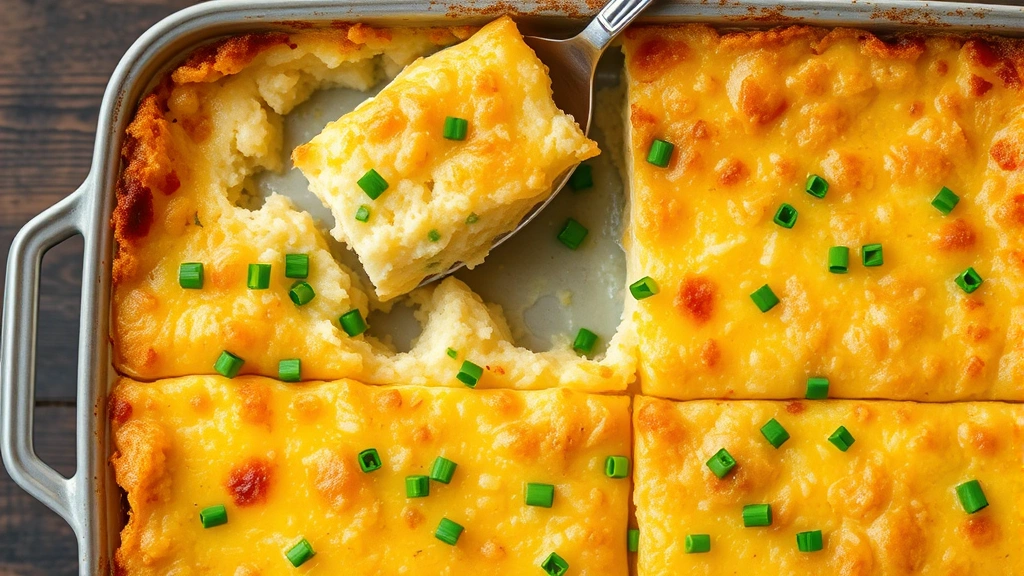
Remove the casserole from the oven and let it rest for 5-10 minutes before serving. This resting period allows the custard to set slightly, making it easier to portion and serve. Use a sharp knife or cake server to cut clean squares, wiping between cuts for presentation. The casserole is best served warm, straight from the oven, though it reheats beautifully.
For a presentation tip, garnish with fresh chopped chives, parsley, or a sprinkle of paprika just before serving. This adds color and a fresh flavor contrast to the rich, creamy casserole.
Delicious Variations
One of the best aspects of hashbrown casserole is how easily you can customize it. Here are some popular variations:
Loaded Breakfast Casserole
Add eight slices of crispy bacon, crumbled, and one cup of diced ham to create a meat lover’s version. You can also substitute the cheddar with a blend of cheddar and gruyere cheese for added complexity. This variation pairs wonderfully with fresh fruit on the side.
Vegetable Garden Version
Sauté one cup of mixed vegetables such as bell peppers, mushrooms, and broccoli with your onions. This adds nutritional value and creates a more balanced dish. Consider pairing with a lighter cheese like Swiss or a combination of cheddar and white cheddar.
Spicy Southwest Style
Add one diced jalapeño, one teaspoon of cumin, and one teaspoon of smoked paprika to the custard base. Use pepper jack cheese instead of cheddar and top with crispy chorizo. Serve with sour cream and salsa on the side.
Creamy Herb Infusion
Mix fresh herbs directly into your custard base—try two tablespoons of fresh dill, one tablespoon of fresh thyme, and one tablespoon of fresh rosemary for an herbaceous version. This elegant variation works beautifully for brunch entertaining.
You can also experiment by preparing an easy fall casserole version with caramelized onions and sage, or incorporate ingredients from your favorite comfort food recipes for inspiration on flavor combinations.
Storage and Make-Ahead Tips
Preparing the Night Before
This recipe is perfect for advance preparation. Assemble your casserole completely through the custard pour, cover tightly with plastic wrap, and refrigerate overnight. The next morning, simply remove it from the refrigerator 30 minutes before baking to bring it closer to room temperature. You may need to add 5-10 minutes to the baking time since it will start cold.
Refrigerator Storage
Leftover hashbrown casserole keeps well in an airtight container in the refrigerator for up to three days. The texture remains creamy and delicious, making it perfect for quick breakfasts or lunch. Simply cover and refrigerate after the casserole has cooled completely.
Freezing Instructions
You can freeze an unbaked casserole for up to two months. Prepare it completely, wrap tightly in plastic wrap and then aluminum foil, and label with the date. When ready to bake, thaw overnight in the refrigerator and bake as directed, adding a few extra minutes if needed. Alternatively, freeze baked casserole in individual portions for easy reheating.
Reheating Your Casserole
Reheat refrigerated casserole in a 325°F oven, covered with foil, for 15-20 minutes until warmed through. For frozen casserole, bake from frozen at 325°F for 30-40 minutes until heated throughout. You can also reheat individual portions in the microwave for 1-2 minutes, though oven reheating preserves texture better.
FAQ
Can I use fresh potatoes instead of frozen hash browns?
Yes, you can use fresh potatoes, though the texture will differ slightly. Peel and shred three to four medium russet potatoes using a box grater or food processor. Immediately place shredded potatoes in cold water to prevent browning, then drain and squeeze dry thoroughly. The blanching process removes some starch, which can actually result in a creamier casserole. Fresh potatoes may require slightly less baking time, so check for doneness around 40 minutes.
What type of cheese works best?
Sharp cheddar is the classic choice because it melts smoothly and provides robust flavor. However, you can experiment with gruyere for a nuttier taste, fontina for creaminess, or a blend of cheeses for complexity. Avoid pre-shredded cheese when possible, as anti-caking agents can prevent smooth melting. Always use real cheese rather than processed cheese product for the best results.
Why is my casserole watery?
Excess moisture from the potatoes is the primary culprit. Ensure you thoroughly squeeze your hash browns after thawing. Additionally, don’t add extra liquid beyond what the recipe specifies. If your casserole seems watery after baking, it may have been underbaked—the custard needs to set completely. Overbaking can also cause separation; aim for that slight jiggle in the center.
Can I make this casserole dairy-free?
Yes, substitute the heavy cream and milk with unsweetened plant-based alternatives like oat or cashew milk in equal proportions. Use dairy-free cheese or a combination of nutritional yeast and cashew cream for the cheese component. The texture will be slightly different but still delicious. Ensure your butter is dairy-free as well, or use olive oil for cooking the aromatics.
How do I prevent the edges from burning?
If your casserole edges brown too quickly, tent with aluminum foil during the first 30 minutes of baking, then remove to allow the top to brown. Ensure your oven temperature is accurate using an oven thermometer. Positioning your baking dish on the middle oven rack rather than the bottom also prevents over-browning on the bottom.
What should I serve with hashbrown casserole?
This versatile dish pairs beautifully with fresh fruit, toast, or a simple green salad. For a complete breakfast spread, serve alongside scrambled eggs, sausage links, and fresh orange juice. It also works wonderfully as a side dish for lunch or dinner, paired with grilled chicken or roasted vegetables. Consider pairing it with your favorite easy granola recipe for a sweet-savory contrast.
Can I double this recipe?
Absolutely. Double all ingredients and use two 9×13-inch baking dishes or one larger dish if available. Baking time may increase by 10-15 minutes for a single larger dish. Check for doneness using the same methods—the top should be golden and the center should jiggle slightly when shaken.
Is this recipe suitable for meal prep?
Definitely. This recipe is ideal for meal prep because you can assemble it completely, refrigerate, and bake throughout the week. Portion into individual containers after baking for grab-and-go breakfasts. It pairs well with other prepared foods from your meal prep routine and reheats perfectly.
What’s the difference between hashbrown casserole and breakfast casserole?
Hashbrown casserole specifically features shredded potatoes as the main ingredient, while breakfast casserole is a broader category that might include bread, eggs, or other starches. Hashbrown casserole is typically more potato-forward and creamy, whereas breakfast casseroles can vary widely in composition. This recipe is specifically a hashbrown casserole, though you could add cubed bread to create a hybrid version.
How can I make this recipe healthier?
Use half-and-half instead of heavy cream, or a combination of milk and Greek yogurt. Reduce cheese by half and add more vegetables like spinach, mushrooms, or zucchini. Use turkey sausage or lean bacon instead of regular. You can also use egg whites instead of whole eggs, though this will affect the custard’s richness. Despite these modifications, the casserole remains delicious and satisfying.
For more inspiration on creating memorable family meals, explore our collection of dessert recipes and other homemade comfort foods. Understanding proper cooking techniques and ingredient selection, as detailed by resources like the Culinary Schools Directory, helps elevate any recipe. For deeper food science knowledge, consult Serious Eats for detailed cooking techniques and ingredient interactions.
This easy hashbrown casserole recipe delivers incredible flavor and texture with minimal effort, making it the perfect addition to your regular meal rotation. Whether you’re feeding your family on a busy morning or impressing guests at brunch, this dish never disappoints. With the variations and tips provided, you’ll have endless ways to customize it to your preferences. Start with this classic version, then experiment with different ingredients until you create your own family favorite.


