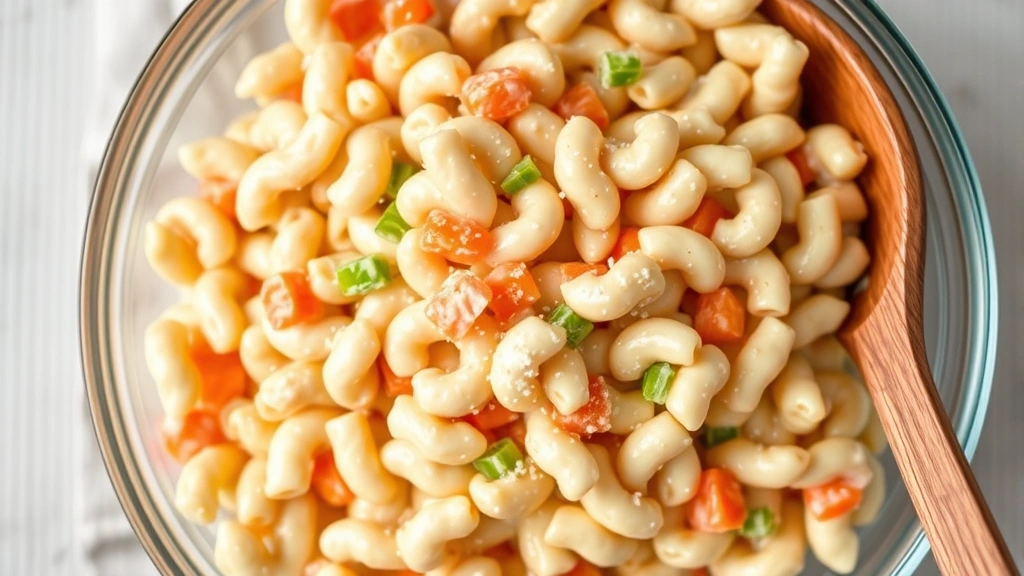
Authentic Hawaiian Mac Salad: Island-Approved Recipe
Hawaiian macaroni salad is more than just a side dish—it’s a cultural icon that represents the melting pot of island cuisine. This creamy, slightly sweet, and tangy salad has graced plate lunches, family gatherings, and potlucks across Hawaii for generations, becoming as essential to island dining as poi and kalua pork. What makes this dish authentically Hawaiian isn’t just the ingredients, but the philosophy behind it: simplicity, comfort, and the ability to feed a crowd while celebrating local flavors.
Unlike mainland macaroni salad variations, the Hawaiian version relies on a specific balance of mayonnaise, vinegar, and sugar that creates its signature creamy-tangy profile. The key to mastering this recipe lies in understanding how these components work together and why certain shortcuts simply won’t deliver the same nostalgic, delicious results that locals have enjoyed for decades. Whether you’re preparing this for a backyard luau or simply craving authentic island flavors, this guide will walk you through every step to achieve restaurant-quality results at home.
What Makes Hawaiian Mac Salad Authentic
The authenticity of Hawaiian macaroni salad comes from its historical roots in the plantation era when Japanese, Filipino, Portuguese, and other immigrant communities brought their culinary traditions to Hawaii. Over time, these influences merged into a distinctly Hawaiian cuisine that reflects the islands’ diverse population. The mac salad emerged as a practical, affordable dish that could be made in large batches and transported easily—perfect for the working families of Hawaii’s agricultural communities.
What distinguishes authentic Hawaiian mac salad from other versions is the ratio of mayonnaise to vinegar and the inclusion of granulated sugar, which creates that characteristic slightly sweet undertone. Many people mistakenly assume it’s overly sweet, but true Hawaiian mac salad maintains balance—the sweetness should be subtle, almost imperceptible, while the vinegar provides a gentle acidic brightness. The texture should be creamy yet not heavy, with each piece of pasta coated evenly but not drowning in dressing.
Authentic recipes also emphasize the importance of fresh, quality ingredients and proper timing. The salad should be made a few hours before serving to allow the pasta to fully absorb the dressing, but not so far in advance that it becomes mushy or the vegetables lose their crispness. This timing consideration is crucial and often overlooked by those unfamiliar with traditional preparation methods.

Essential Ingredients Breakdown
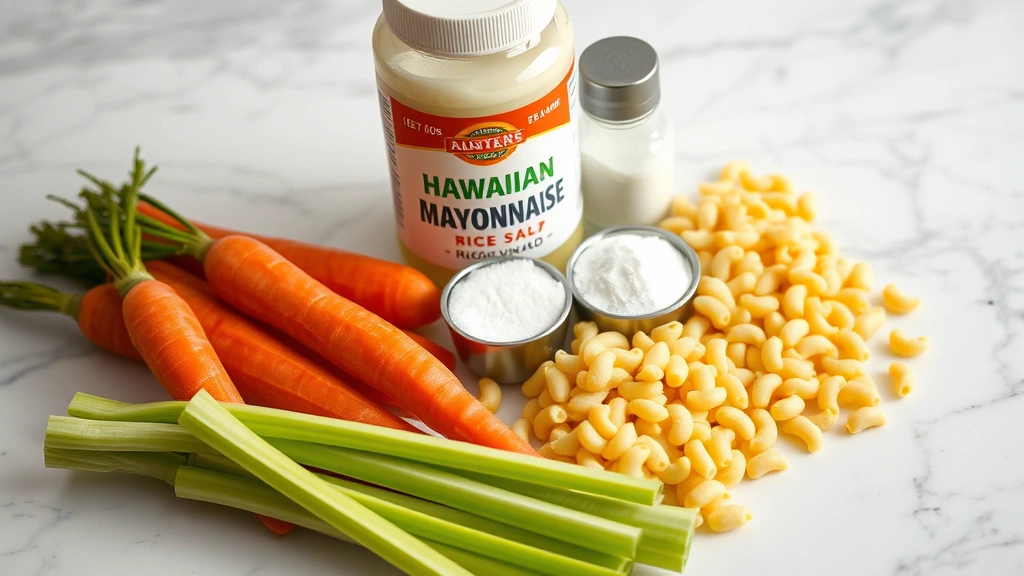
Pasta: Use elbow macaroni—this is non-negotiable for authenticity. The small tubes trap the dressing perfectly and provide the right texture. Cook it al dente; overcooked pasta will become mushy when combined with the dressing. Most recipes call for one pound of dry pasta, which yields approximately six to eight servings.
Mayonnaise: This is the backbone of the dressing. Use full-fat, high-quality mayonnaise for the best results. Some local Hawaiian cooks swear by Japanese brands like Kewpie, which has a slightly tangier, richer profile than American brands. You’ll need about two cups for a standard batch.
Rice Vinegar: This is preferable to distilled white vinegar because it offers a gentler, more nuanced acidity that doesn’t overpower the other flavors. Rice vinegar has a slightly sweet undertone that complements the mayo beautifully. One-quarter to one-third cup is typically sufficient.
Granulated Sugar: Just two to three tablespoons creates that signature Hawaiian sweetness without making the salad taste like a dessert. The sugar should dissolve into the dressing, not be visible as granules.
Salt and White Pepper: White pepper is traditional in Hawaiian cuisine and provides a more subtle heat than black pepper. Season to taste—you’ll typically need one-half to one teaspoon of salt and one-quarter teaspoon of white pepper.
Vegetables: Finely diced carrots and celery are the classic additions. Some recipes include diced onion, though this is optional. The vegetables should be cut into small, uniform pieces so they distribute evenly throughout the salad. Fresh, crisp vegetables are essential—avoid pre-shredded options that may have lost their texture.
Optional Additions: While not traditional, many cooks enhance their mac salad with roasted garlic for depth, pickled red onions for tang and color, or even diced ham for protein. Some recipes incorporate a touch of soy sauce for umami depth.
Step-by-Step Preparation Guide
Step 1: Cook the Pasta Bring a large pot of salted water to a rolling boil. Add one pound of elbow macaroni and cook according to package directions, but reduce the time by one minute—you want it al dente, not soft. Drain in a colander and rinse briefly with cool water to stop the cooking process. Spread the pasta on a clean kitchen towel to dry slightly while you prepare the other components. This prevents excess moisture from diluting your dressing.
Step 2: Prepare the Dressing In a large mixing bowl, combine two cups of mayonnaise, one-third cup of rice vinegar, three tablespoons of granulated sugar, one-half teaspoon of salt, and one-quarter teaspoon of white pepper. Whisk vigorously for two to three minutes until the mixture is completely smooth and homogeneous. The dressing should have a uniform color and texture with no streaks of unmixed ingredients. This thorough mixing ensures even distribution of flavors throughout the salad.
Step 3: Prepare the Vegetables While the dressing comes together, finely dice one large carrot and three celery stalks. For finer texture, you can use a food processor with the pulse setting, but be careful not to over-process—you want small pieces, not a paste. If including onion, finely dice one-quarter of a medium sweet onion. Pat the vegetables dry with paper towels to remove excess moisture.
Step 4: Combine All Components Add the cooled pasta to the dressing bowl and fold gently with a large spatula or wooden spoon. Make sure every piece of pasta is coated. Add the diced vegetables and fold again until evenly distributed. The key here is gentle folding rather than vigorous stirring, which can break the pasta and create a mushy texture.
Step 5: Chill and Rest Transfer the salad to a serving bowl or storage container and refrigerate for at least two hours before serving. This resting period allows the pasta to fully absorb the dressing and the flavors to meld together. Many cooks prefer to make this salad four to six hours ahead, or even the night before, for optimal flavor development. Just before serving, give it a gentle stir and taste for seasoning adjustments.
Flavor Customization Options
While authenticity is important, there’s room for personal preference and creativity within the traditional framework. Consider these variations that honor the spirit of Hawaiian mac salad while adding your own touch:
Protein Additions: Diced cooked chicken transforms this side into a light main course. You can also add diced ham, crispy bacon, or even grilled shrimp for a seafood twist. Keep protein additions to about one to one-and-a-half cups per batch to maintain balance.
Enhanced Umami: A tablespoon of soy sauce or tamari added to the dressing deepens the savory profile without overwhelming the other flavors. This nod to the Japanese influence in Hawaiian cuisine creates additional complexity.
Spicy Kick: For those who enjoy heat, add one-quarter to one-half teaspoon of white pepper or a pinch of cayenne. Alternatively, drizzle finished salad with bang bang sauce for a creamy-spicy element that complements the cool salad beautifully.
Acid Variations: While rice vinegar is traditional, you can experiment with apple cider vinegar for a slightly fruity undertone, or mix half rice vinegar with half fresh lemon juice for brightness. Avoid balsamic vinegar, which would be too heavy, though balsamic vinaigrette could inspire a different salad altogether.
Vegetable Variations: Add finely diced red bell pepper for sweetness and color, fresh diced pineapple for tropical authenticity, or edamame for crunch and protein. Keep additions to about one-half cup total to maintain the traditional pasta-to-vegetable ratio.
Creamy Enhancements: Some cooks add a tablespoon of rice vinegar or a touch of lime juice to lighten the mayo if they prefer less richness. Others incorporate a touch of Dijon mustard for sophistication, though this deviates from traditional recipes.
Storage and Serving Tips
Proper storage extends the life of your Hawaiian mac salad while maintaining its quality. Store in an airtight container in the refrigerator for up to three days. The salad will continue to absorb dressing as it sits, which some prefer as the flavors intensify, while others find it becomes too heavy. If the salad seems dry after a day or two, whisk together a small amount of mayo and rice vinegar and fold it in gently.
For serving, bring the salad out of the refrigerator about fifteen minutes before guests arrive—this allows it to reach a cooler room temperature rather than being ice-cold, which helps flavors shine. Serve alongside kalua pork, teriyaki chicken, or grilled fish. Traditional Hawaiian plate lunch accompaniments also include other classic dishes featured on food blogs, creating a complete island experience.
For large gatherings, you can make this salad up to one day ahead. Transport it in a covered container and keep it cool in an insulated bag with ice packs. If you’re serving at a potluck, avoid leaving it at room temperature for more than two hours due to the mayonnaise content.
Pro Tips for Perfect Results: Always use fresh ingredients—particularly the vegetables and mayonnaise. Don’t skip the resting period; it’s essential for proper flavor development. If you’re doubling the recipe, maintain the same proportions rather than simply multiplying; mayo-based dressings can become too heavy if over-proportioned. Taste and adjust seasoning before serving, as flavors can mellow during refrigeration.
FAQ
Can I use a different type of pasta?
While you technically can, elbow macaroni is traditional and provides the ideal texture and ability to absorb dressing. Small pasta shells or ditalini could work in a pinch, but larger pastas won’t coat evenly and the eating experience will differ significantly from authentic Hawaiian mac salad.
Is Hawaiian mac salad supposed to be sweet?
It should have a subtle sweetness, not be dessert-like. If your version tastes too sweet, reduce the sugar to two tablespoons or add a bit more rice vinegar to balance it. The sweetness should be barely noticeable—more of a background note than a prominent flavor.
Can I make this salad vegan?
Yes, substitute vegan mayonnaise for regular mayo and ensure all other ingredients are plant-based. The flavor will be slightly different, but the salad can still be delicious. Some vegans prefer using a cashew-based creamy dressing for even richer results.
How far in advance can I prepare this?
Prepare it two to four hours before serving for optimal texture. You can make it up to one day ahead, but be aware the pasta will continue absorbing dressing and may become softer. If making ahead, store the dressing separately and combine with pasta and vegetables just before serving for the freshest result.
Why does my mac salad taste watery?
This usually happens because vegetables released excess moisture, or you used wet pasta. Always dry your cooked pasta thoroughly and pat vegetables dry before adding them. Additionally, ensure your mayo-to-liquid ratio is correct—too much vinegar can make the salad watery.
Can I freeze Hawaiian mac salad?
Freezing is not recommended as the mayo-based dressing separates when thawed and the pasta becomes mushy. It’s best enjoyed fresh or within three days of preparation. If you must prepare far ahead, freeze the cooked pasta separately and make the salad fresh when needed.
What’s the difference between Hawaiian and Japanese macaroni salad?
While both share heritage, Hawaiian mac salad typically uses more mayo and has a slightly sweeter profile, while Japanese versions often incorporate soy sauce, mirin, and sometimes include additions like corn or hard-boiled eggs. Hawaiian mac salad is creamier and less assertively flavored overall.


