Healthy Granola Recipe: Nutritionist Approved
Granola has earned a reputation as a health food staple, but many store-bought varieties contain hidden sugars, unhealthy oils, and unnecessary additives that undermine their nutritional value. The good news? Making your own healthy granola recipe at home is simpler than you might think, and it allows you to control every ingredient that goes into your breakfast bowl. This homemade approach ensures you’re getting genuine nutrition without compromising on taste or texture.
Whether you’re looking to start your morning with sustained energy, support your fitness goals, or simply enjoy a wholesome snack, a best healthy food recipe like homemade granola delivers real results. Nutritionists consistently recommend making granola from scratch because it allows you to eliminate refined sugars, choose high-quality fats, and incorporate nutrient-dense seeds and nuts. This recipe has been tested and approved by nutrition experts who recognize the importance of whole grains, plant-based proteins, and heart-healthy ingredients.
In this comprehensive guide, we’ll walk you through everything you need to know about crafting the perfect batch of granola. From selecting premium ingredients to mastering the baking technique, you’ll discover how to create a cereal that tastes indulgent while delivering genuine nutritional benefits. We’ll also explore creative variations, proper storage methods, and ways to customize your granola to match your dietary preferences and taste preferences.
Why Homemade Granola Beats Store-Bought
Commercial granola products often contain surprising amounts of added sugars—sometimes as much as 12-15 grams per serving. Manufacturers add sweeteners to enhance flavor and shelf stability, but this practice contradicts the health benefits granola claims to offer. When you make granola at home, you control the sweetness level completely, allowing you to reduce sugar while maintaining delicious taste through natural flavors like vanilla, cinnamon, and coconut.
Another significant advantage involves the types of fats used. Many commercial brands utilize vegetable oils high in omega-6 polyunsaturated fats, which can promote inflammation when consumed in excess. Homemade granola allows you to use healthier fat sources like coconut oil, olive oil, or nut butters that provide beneficial nutrients and support overall wellness. You also avoid artificial flavoring agents, preservatives, and fillers that have no place in genuine health food.
Cost represents another compelling reason to make your own healthy granola recipe. Bulk purchases of oats, nuts, and seeds from wholesale suppliers cost significantly less than pre-packaged granola, which often carries premium pricing despite modest ingredient lists. A single batch yields multiple servings at a fraction of retail cost, making homemade granola an economical choice for families and health-conscious individuals alike.
Additionally, the satisfaction of creating something nutritious with your own hands enhances the eating experience. You understand exactly what’s in your breakfast bowl, knowing you’ve invested time and care into nourishing your body. This mindful approach to eating often leads to better dietary choices throughout the day and increased appreciation for whole foods.
Essential Ingredients for Healthy Granola
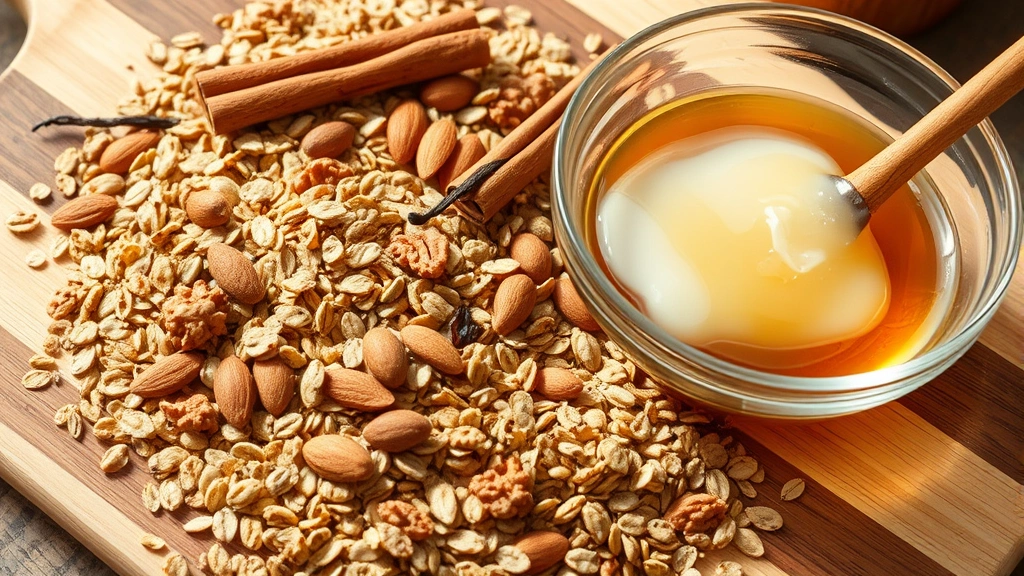
Base Grains and Oats: Old-fashioned rolled oats form the foundation of any quality granola. Choose certified organic oats when possible to avoid pesticide residues. Rolled oats provide complex carbohydrates, fiber, and beta-glucans—compounds that support heart health and stable blood sugar levels. Plan on using 2-3 cups of oats per batch as your primary ingredient.
Nuts and Seeds: These ingredients deliver protein, healthy fats, and micronutrients essential for sustained energy. Almonds, walnuts, pecans, and cashews each offer unique nutritional profiles. Pumpkin seeds provide magnesium and zinc, while sunflower seeds contribute vitamin E and selenium. Flax seeds and chia seeds add omega-3 fatty acids and additional fiber. Use a combination of at least three different varieties to maximize nutritional diversity.
Sweeteners: Instead of refined white sugar, opt for healthy sweetening options like raw honey, pure maple syrup, or coconut nectar. These natural sweeteners contain beneficial compounds and provide more complex flavor profiles than processed sugar. Use approximately ½ to ¾ cup sweetener per batch, depending on your preference for sweetness. Remember that dried fruits will add additional natural sugars, so adjust accordingly.
Healthy Fats: Coconut oil, extra virgin olive oil, or almond butter bind ingredients together while providing nutritional value. Coconut oil adds a subtle tropical note, while olive oil contributes Mediterranean flavor and polyphenols. Use about ¼ cup of fat per batch. Avoid vegetable oil and canola oil, which contain inflammatory omega-6 fats in unfavorable ratios.
Flavor Enhancers: Vanilla extract, cinnamon, sea salt, and nutmeg transform basic ingredients into something truly special. These spices contain bioactive compounds—cinnamon helps regulate blood sugar, while nutmeg supports digestive health. Don’t underestimate the power of quality vanilla extract; it elevates the entire flavor profile dramatically.
Dried Fruits: Add dried cranberries, raisins, apricots, or dates after baking to preserve their texture and prevent burning. Dried fruits provide natural sweetness, fiber, and antioxidants. Use about ¾ to 1 cup of dried fruit per batch, added after the granola cools completely.
Step-by-Step Recipe Instructions
Ingredients:
- 3 cups old-fashioned rolled oats
- 1 cup raw almonds, roughly chopped
- ½ cup raw walnuts, roughly chopped
- ½ cup raw pumpkin seeds
- ¼ cup raw sunflower seeds
- ¼ cup ground flax seeds
- ½ cup raw honey or pure maple syrup
- ¼ cup extra virgin coconut oil, melted
- 2 teaspoons vanilla extract
- 1½ teaspoons ground cinnamon
- ½ teaspoon ground nutmeg
- ½ teaspoon sea salt
- ¾ cup unsweetened dried cranberries or raisins
Instructions:
- Preheat your oven to 325°F (163°C). Line two large baking sheets with parchment paper to prevent sticking and ensure even browning. This temperature is crucial—higher heat burns the granola, while lower temperatures won’t achieve proper crispiness.
- Combine dry ingredients in a large mixing bowl. Add oats, chopped almonds, walnuts, pumpkin seeds, sunflower seeds, flax seeds, cinnamon, nutmeg, and sea salt. Mix thoroughly with a wooden spoon or your hands, ensuring spices distribute evenly throughout. This step prevents pockets of concentrated spice flavor.
- Prepare wet mixture in a separate small bowl. Whisk together honey or maple syrup, melted coconut oil, and vanilla extract until well combined. The wet ingredients should look smooth and homogeneous before adding to the dry mixture.
- Combine wet and dry by pouring the honey mixture over the oat combination. Using a sturdy wooden spoon or your hands (clean hands work best), mix thoroughly until every oat and nut piece is coated with the sweetened oil. This requires patience and attention—underseasoning results in bland granola, while proper coating ensures consistent flavor throughout.
- Distribute on baking sheets evenly, spreading the mixture into a single layer approximately ½ inch thick. Don’t compress the granola too firmly; it needs air circulation to bake properly. If using two baking sheets, divide the mixture equally between them.
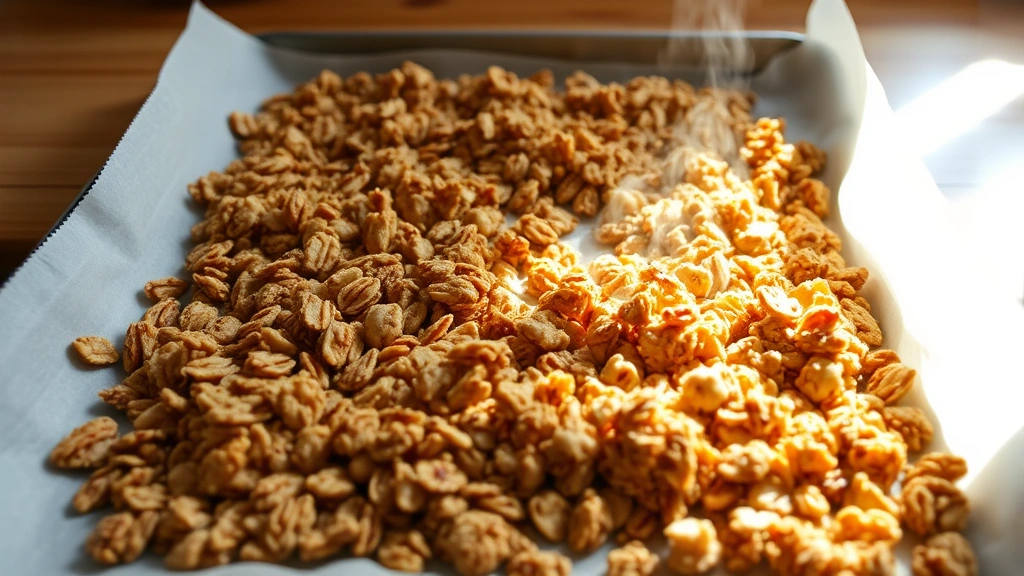
- Bake for 25-30 minutes, stirring every 8-10 minutes. This frequent stirring prevents burning on the edges while ensuring even toasting throughout. The granola should turn golden brown and smell wonderfully fragrant. When done, it will feel slightly moist but not wet.
- Cool completely on the baking sheets before handling. This step is essential—granola continues to crisp as it cools. Attempting to break it apart while warm results in a mushy texture. Allow 15-20 minutes for complete cooling.
- Break into clusters once fully cooled. Use your hands to break the granola into bite-sized pieces. Some will form natural clusters, while others remain individual pieces—both are desirable textures in quality granola.
- Add dried fruit by folding in your choice of dried cranberries, raisins, or apricots. Wait until after baking and cooling to add dried fruit; this prevents burning and maintains their chewy texture. Mix gently to distribute evenly.
- Store properly in airtight containers. Glass jars work beautifully and allow you to see when supplies are running low. Properly stored granola maintains freshness for up to two weeks, though most batches disappear much faster.
Nutritional Benefits Explained
This healthy granola recipe delivers comprehensive nutritional benefits that justify its reputation as genuine health food. Each serving provides approximately 250-300 calories, with a macronutrient distribution that supports sustained energy without blood sugar spikes. The high fiber content—around 5-7 grams per serving—promotes digestive health, feeds beneficial gut bacteria, and creates lasting satiety that prevents mid-morning snacking.
Protein content comes primarily from nuts, seeds, and oats, providing roughly 8-10 grams per serving. This protein supports muscle maintenance, hormone production, and immune function. Combined with the healthy fats from nuts and seeds, this protein helps slow digestion and maintain stable blood glucose levels—critical for sustained energy and mental clarity throughout your morning.
Heart-healthy fats constitute a significant portion of this granola’s nutritional profile. Almonds and walnuts contain monounsaturated and polyunsaturated fats that support cardiovascular health and reduce inflammation. Pumpkin seeds provide magnesium, which supports heart rhythm and blood pressure regulation. The coconut oil, while containing saturated fat, includes medium-chain triglycerides that your body metabolizes differently than other saturated fats.
Micronutrient density distinguishes this homemade version from commercial alternatives. Nuts and seeds deliver vitamin E, an antioxidant that protects cells from oxidative damage. Pumpkin seeds provide bioavailable zinc, essential for immune function and wound healing. Flax seeds contribute lignans, plant compounds with potential anti-inflammatory properties. The cinnamon adds polyphenols that support metabolic health and blood sugar regulation.
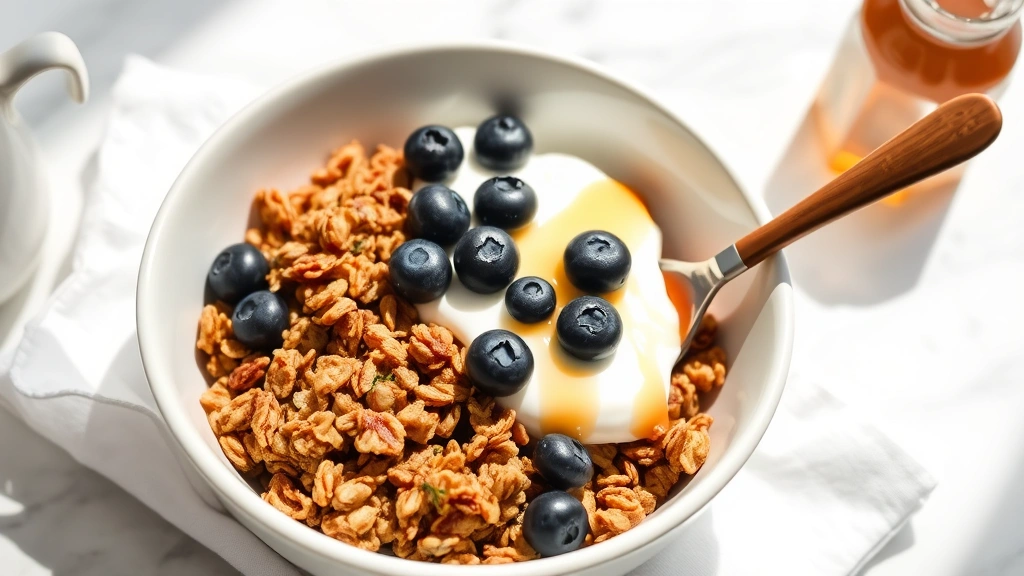
When paired with nutritious meal options throughout your day, this granola becomes part of a comprehensive healthy eating strategy. Serve it with unsweetened Greek yogurt for added protein, or mix with almond milk for a quick breakfast that provides sustained energy for hours.
Flavor Variations and Customizations
Apple Pie Granola: Add ½ teaspoon of allspice and ¼ teaspoon of cardamom to the dry ingredients. After baking, fold in dried apple pieces and a touch more cinnamon. This variation tastes like dessert for breakfast while maintaining nutritional integrity.
Tropical Coconut Version: Replace ½ cup of oats with unsweetened shredded coconut. Add ¼ teaspoon of ginger powder and use macadamia nuts instead of some almonds. Fold in dried mango pieces after cooling. This variation transports your taste buds to warmer climates while providing unique nutrient profiles.
Chocolate Lover’s Mix: Add 3 tablespoons of unsweetened cocoa powder to the dry ingredients and increase vanilla extract to 1 tablespoon. Fold in cacao nibs after cooling instead of dried fruit. This satisfies chocolate cravings while providing antioxidants from cacao.
Protein-Boosted Version: Add ½ cup of plant-based protein powder or unflavored collagen peptides to the dry ingredients. Reduce honey slightly since protein powder adds subtle sweetness. This customization suits athletes and fitness enthusiasts needing additional protein.
Nut-Free Alternative: For those with allergies, replace all nuts with additional seeds—sunflower, pumpkin, and hemp seeds provide similar nutritional benefits. Add tahini instead of nut butters for creamy richness. This version maintains the health benefits while accommodating dietary restrictions.
Savory Herb Granola: Reduce sweetener to 2 tablespoons and add rosemary, thyme, and black pepper. This unconventional version works beautifully sprinkled over salads or paired with savory yogurt bowls. It demonstrates granola’s versatility beyond traditional breakfast applications.
Storage and Shelf Life Tips
Proper storage determines how long your granola maintains its quality and crispiness. Glass jars with tight-sealing lids work best, protecting granola from moisture and air exposure that cause staleness. Avoid plastic containers, which can leach chemicals and don’t seal as effectively. Mason jars, apothecary jars, or similar glass containers maintain granola quality for up to two weeks at room temperature.
Location matters significantly. Store granola in a cool, dark cupboard away from direct sunlight and heat sources. Avoid the refrigerator, as moisture and temperature fluctuations degrade quality. The pantry or a closed cabinet maintains ideal conditions. If your kitchen runs particularly warm, a cool closet or basement works well.
Humidity control prevents granola from becoming soggy. If you live in a humid climate, add food-grade silica packets to your storage containers to absorb excess moisture. These packets, available inexpensively online, keep granola crispy for extended periods. Replace packets monthly or when they become saturated.
Batch frequency ensures freshness and prevents waste. Rather than making enormous quantities, prepare fresh granola every 10-14 days. This approach guarantees you always have fresh product while allowing flexibility to experiment with variations. Smaller batches also suit seasonal ingredient availability—summer might feature different dried fruits than fall.
Freezer storage extends shelf life significantly if you want to make larger quantities. Properly stored granola freezes well for up to three months. Use freezer-safe glass containers or heavy-duty freezer bags, removing as much air as possible. Thaw at room temperature in a sealed container to prevent condensation, which would make granola soggy.
Signs of spoilage include rancid smell (indicating fat oxidation), visible mold, or unusual texture. Nuts and seeds contain oils that eventually oxidize, creating off-flavors and odors. While this doesn’t pose food safety risks immediately, rancid granola tastes unpleasant and lacks nutritional value. When in doubt, discard and make a fresh batch.
For additional healthy recipe ideas to complement your breakfast routine, explore our collection of nutritious meal options that work beautifully with homemade granola.
FAQ
Can I make this granola without nuts for allergies?
Absolutely. Replace nuts entirely with seeds—use a combination of sunflower, pumpkin, hemp, and flax seeds for similar nutritional profiles and satisfying crunch. Tahini or sunflower seed butter can replace nut butters for creamy richness. The granola will taste slightly different but remain equally nutritious and delicious.
What’s the best way to serve granola for maximum nutrition?
Pair granola with unsweetened Greek yogurt for additional protein and probiotics, or mix with plant-based milk and add fresh berries for antioxidants. You can also sprinkle over smoothie bowls, salads, or eat as a standalone snack. The key is pairing with protein sources to slow digestion and maintain stable blood sugar.
How much granola should I eat per day?
A typical serving is ¼ to ⅓ cup, which provides approximately 250-300 calories. This works as a complete breakfast when paired with yogurt or milk, or as a snack with fruit. Listen to your body’s hunger cues—granola’s nutrient density means you may feel satisfied with less than you’d expect.
Can I reduce the sweetener further?
Yes, you can decrease honey or maple syrup to ⅓ cup, though this affects texture and binding. The granola may be crumblier rather than clustered. Alternatively, increase vanilla extract to ½ tablespoon for more flavor depth without additional sweetness, or add more spices like cinnamon and nutmeg for complexity.
What’s the difference between rolled oats and steel-cut oats?
Rolled oats are flattened and partially cooked, making them ideal for granola as they toast evenly and create proper texture. Steel-cut oats are chopped but not flattened, resulting in a grainier, chewier texture unsuitable for granola. Always use old-fashioned rolled oats for this recipe.
Can I substitute honey with another sweetener?
Yes. Pure maple syrup, coconut nectar, or brown rice syrup work well as 1:1 replacements. Avoid artificial sweeteners, which don’t provide the same binding properties and often leave unpleasant aftertastes. Dates blended into a paste also work, though they create denser clusters.
Why does my granola turn out soggy?
Sogginess results from insufficient cooling time, improper storage, or high humidity. Always cool granola completely on baking sheets before storing in airtight containers. If your climate is humid, use silica packets in storage containers. Ensure your oven temperature was accurate—thermometers sometimes run hot or cold.
Is this granola suitable for specific diets?
This recipe is naturally gluten-free if using certified gluten-free oats. It’s vegan when using maple syrup instead of honey. It’s paleo-friendly when using dates or coconut nectar as sweetener. The recipe’s flexibility allows customization for most dietary preferences and restrictions.
How can I use granola beyond breakfast?
Granola works beautifully sprinkled over salads for crunch, mixed into smoothie bowls, used as a yogurt parfait layer, or eaten straight as a snack. You can even create a savory version with herbs for topping soups or grain bowls. Its versatility makes it valuable beyond traditional breakfast applications.
What’s the nutritional difference between homemade and store-bought granola?
Homemade granola typically contains 50-70% less added sugar, uses higher-quality fats, includes no artificial additives, and provides superior ingredient freshness. Store-bought versions often contain vegetable oils, preservatives, and added sugars that negate health benefits. Homemade versions cost less and taste significantly better.
Making your own healthy granola recipe represents one of the simplest ways to improve your breakfast nutrition and overall health. With this guide, quality ingredients, and a bit of oven time, you’ll create something far superior to anything commercially available. Start with the basic recipe, then experiment with variations that match your preferences. Your body will thank you for the wholesome, delicious nutrition you’re providing.


