High Protein Recipes for Weight Loss: Dietitian-Approved Options
Building a sustainable weight loss plan doesn’t mean sacrificing flavor or satisfaction. One of the most effective strategies dietitians recommend is incorporating high protein recipes for weight loss into your meal rotation. Protein keeps you fuller longer, preserves lean muscle mass during weight loss, and has a higher thermic effect than carbohydrates—meaning your body burns more calories digesting it.
Whether you’re meal prepping for the week or planning special dinners, these dietitian-approved recipes deliver impressive protein counts without compromising taste. From quick weeknight dinners to impressive dishes that feel indulgent, you’ll discover how easy it is to make protein the star of your plate while reaching your weight loss goals.
The key to long-term success isn’t restriction—it’s finding delicious, satisfying meals you actually want to eat. Let’s explore proven recipes and strategies that make high-protein eating feel effortless.
Why Protein Matters for Weight Loss
Protein is the most satiating macronutrient, meaning it keeps hunger at bay longer than fats or carbohydrates. When you prioritize protein in your meals, you’re less likely to reach for snacks between meals or overeat at dinner. Research from the Academy of Nutrition and Dietetics consistently shows that higher protein intake supports sustainable weight loss and helps prevent muscle loss during caloric deficits.
Protein also boosts your metabolic rate through the thermic effect of food (TEF). Your body uses approximately 20-30% of protein calories just to digest it, compared to 5-10% for carbs and 0-3% for fats. This means eating 100 calories of protein burns more energy during digestion than 100 calories from other sources.
Beyond weight loss, adequate protein intake supports bone health, immune function, and hormone balance—all critical components of overall wellness. Most dietitians recommend consuming 0.7-1.0 grams of protein per pound of body weight when actively working toward weight loss, though individual needs vary based on activity level and health status.
Best Protein Sources for Weight Loss
Not all proteins are created equal when it comes to weight loss. The best sources combine high protein content with moderate calories and beneficial nutrients:
- Lean poultry: Skinless chicken breast and turkey provide 25-35g protein per 3-ounce serving with minimal fat
- Fish and seafood: Salmon offers omega-3 fatty acids alongside 25g protein per serving; white fish like cod provides even leaner options
- Eggs: One large egg contains 6g protein and all nine essential amino acids, plus choline for brain health
- Greek yogurt: Nonfat varieties deliver 15-20g protein per serving with probiotics for gut health
- Cottage cheese: Often overlooked, cottage cheese provides 14g protein per half-cup with slow-digesting casein protein
- Legumes: Lentils and beans offer plant-based protein plus fiber for sustained energy
- Tofu and tempeh: Excellent vegetarian options with complete amino acid profiles
When selecting proteins, prioritize whole food sources over processed options. A grilled miso salmon recipe delivers far more nutritional benefit than processed deli meat, even if protein content appears similar on labels.
Easy High-Protein Dinner Recipes
Dinner is where many people struggle with weight loss because they’re tired and tempted by convenience foods. These recipes prove that satisfying, protein-rich dinners take just as little time as takeout:
Mediterranean Baked Cod with Vegetables
This 35-minute meal delivers 40g protein per serving. Cod is one of the leanest fish available, making it perfect for weight loss. Pair it with roasted vegetables and a light lemon-herb sauce for a restaurant-quality dinner that feels indulgent.
Season cod fillets with oregano, garlic, and lemon juice. Arrange on a sheet pan with cherry tomatoes, zucchini, and bell peppers tossed in one tablespoon olive oil. Bake at 400°F for 15-18 minutes until fish flakes easily. The vegetables absorb the fish’s natural juices, creating a complete meal without heavy sauces.
Grilled Chicken Breast with Chimichurri
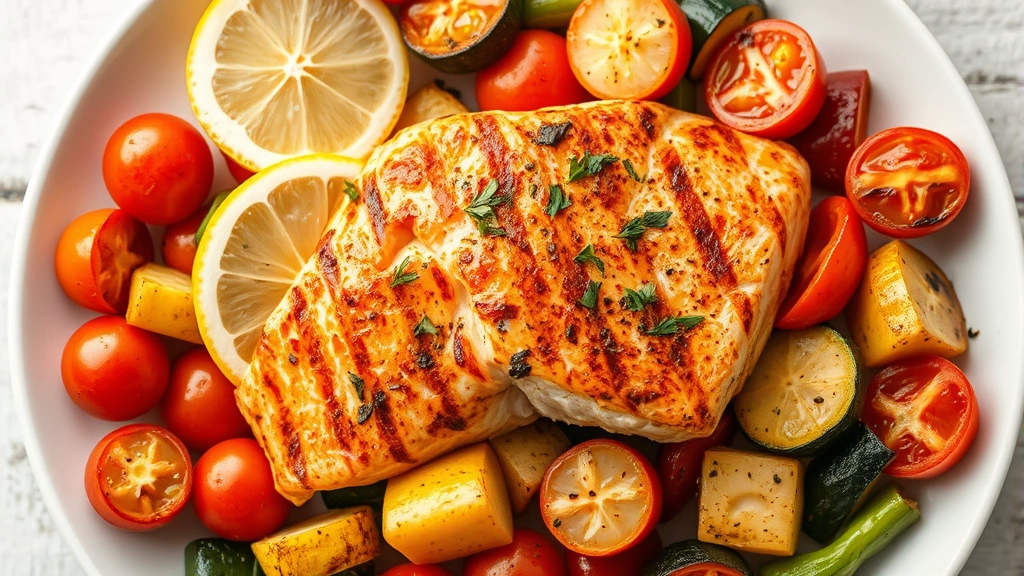
Chicken breast is the go-to protein for weight loss, but it needs proper preparation to avoid dryness. Pound breasts to even thickness, season with salt and pepper, and grill over medium-high heat for 6-7 minutes per side. The key is not overcooking—use a meat thermometer to reach 165°F internally.
Serve with chimichurri sauce made from fresh parsley, cilantro, garlic, red wine vinegar, and olive oil. This Argentine condiment adds tremendous flavor with minimal calories. Each 6-ounce breast provides 40g protein with under 200 calories.
Shrimp Stir-Fry
Our bang bang shrimp recipe offers a delicious take on this classic. Shrimp cooks in minutes, making it ideal for busy weeknights. Six ounces of shrimp delivers 18g protein with only 100 calories.
Sauté shrimp in a wok or large skillet with minimal oil, then toss with stir-fried vegetables like broccoli, snap peas, and mushrooms. Use tamari or low-sodium soy sauce to keep sodium in check. Serve over cauliflower rice for a complete low-calorie meal with 25g protein.
Turkey Meatball Soup
Ground turkey is leaner than beef while maintaining satisfying flavor. Mix ground turkey with grated zucchini, egg white, and breadcrumbs to keep meatballs moist. Simmer in low-sodium broth with spinach, tomatoes, and white beans for a complete meal.
This soup freezes beautifully for meal prep. Each serving contains 30g protein, 8g fiber, and under 250 calories. The combination of protein and fiber creates exceptional satiety, making this ideal for weight loss.
Quick Lunch Ideas with 30g+ Protein
Lunch is often where weight loss plans derail due to convenience and limited options. These ideas prove that high-protein lunches can be prepared in minutes:
Protein-Packed Salad Bowl
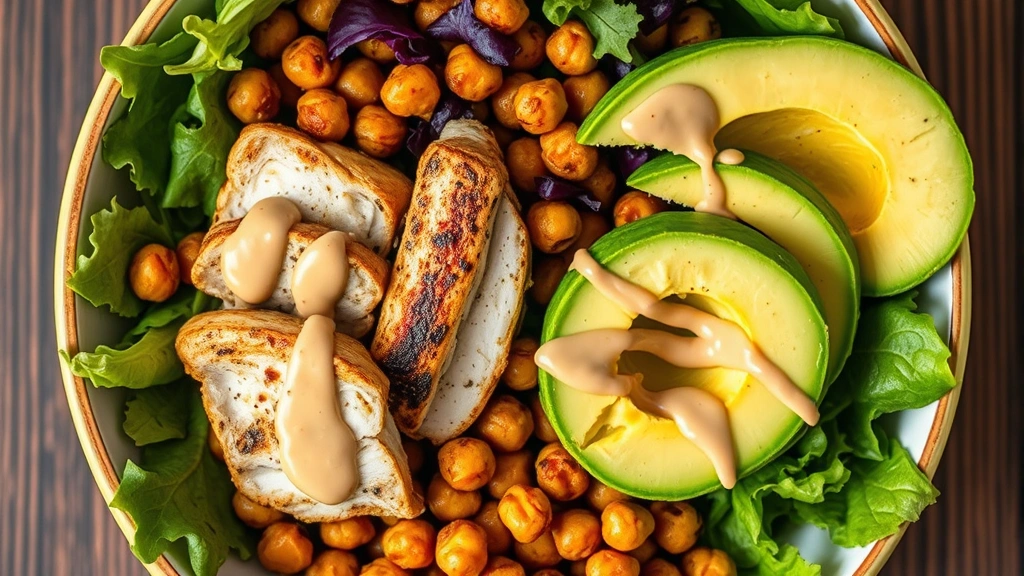
Build your salad starting with leafy greens, then add a protein source (grilled chicken, canned tuna, hard-boiled eggs, or chickpeas), colorful vegetables, and a healthy fat like avocado or nuts. Top with a vinaigrette made from olive oil and vinegar rather than creamy dressings.
A salad with 4 ounces grilled chicken, two tablespoons almonds, and olive oil vinaigrette delivers 35g protein with sustained energy from fiber and healthy fats.
Upgraded Tuna Salad Lettuce Wraps
Mix canned tuna (in water) with nonfat Greek yogurt, diced celery, red onion, and fresh dill. Serve in butter lettuce leaves for a crunchy, satisfying lunch that’s ready in five minutes.
One serving (one can tuna plus vegetables and yogurt) provides 28g protein, 2g carbs, and under 150 calories. This is a perfect option when you’re short on time.
Chickpea Pasta with Vegetables
Chickpea pasta contains 25g protein per serving compared to 7g in regular pasta. Toss with sautéed vegetables, garlic, and a light olive oil sauce. Add fresh herbs like basil and parsley for flavor without calories.
This satisfying lunch feels indulgent while supporting weight loss goals. Eight ounces of chickpea pasta with vegetables and two tablespoons olive oil provides 35g protein.
Egg Salad Sandwich
Hard-boil a dozen eggs on Sunday for grab-and-go lunches all week. Mix with nonfat Greek yogurt, Dijon mustard, and chopped vegetables. Serve on whole grain bread or in lettuce wraps.
Two eggs plus bread delivers 15g protein with sustained energy from whole grains. This classic lunch deserves revival in any weight loss plan.
High-Protein Breakfast Options
Starting your day with protein sets the tone for better food choices throughout the day. Research shows that high-protein breakfasts reduce cravings and support more consistent calorie intake.
Greek Yogurt Parfait
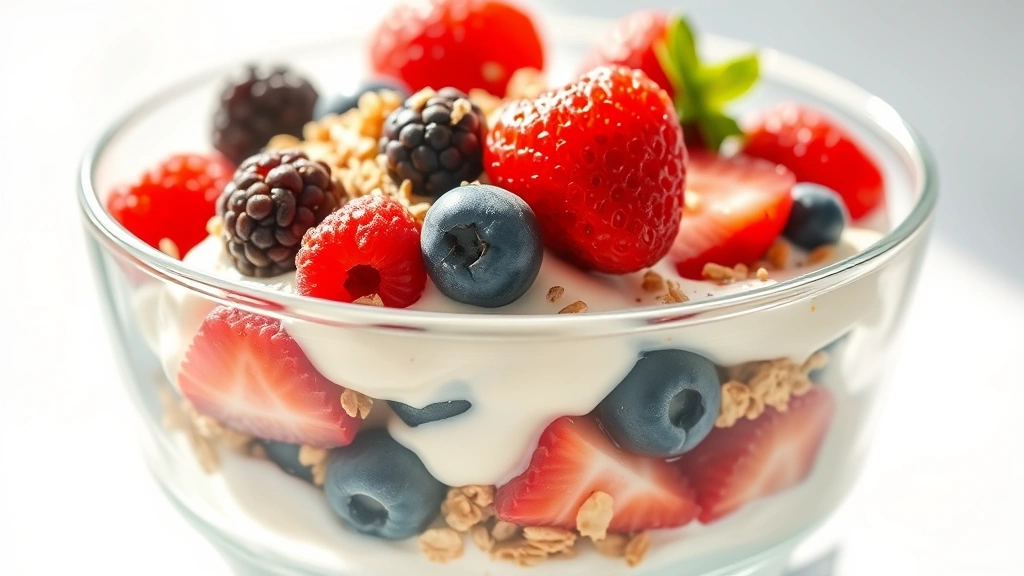
Layer nonfat Greek yogurt with fresh berries, ground flaxseed, and a small amount of granola. One cup Greek yogurt provides 20g protein, making this the ultimate high-protein breakfast.
Add cinnamon and vanilla extract for flavor without calories. This takes two minutes to assemble and provides sustained energy from protein, fiber, and antioxidants.
Veggie-Loaded Omelet
Whisk three eggs with a splash of milk, then cook in a nonstick pan. Fill with sautéed vegetables like spinach, mushrooms, tomatoes, and onions. One omelet delivers 18g protein plus vitamins and minerals from vegetables.
Serve with a slice of whole grain toast for a complete breakfast that keeps you satisfied until lunch. The combination of protein and fiber prevents mid-morning hunger.
Protein Pancakes
Mix one cup nonfat Greek yogurt with two eggs and one-half teaspoon vanilla extract. Cook on a griddle like regular pancakes. Top with fresh berries rather than syrup.
These pancakes contain 25g protein per serving compared to 5g in traditional pancakes. They’re surprisingly fluffy and satisfying, proving that weight loss breakfasts don’t require deprivation.
Breakfast Burrito
Scramble eggs with black beans, diced peppers, and low-fat cheese. Wrap in a whole wheat tortilla. Make several on Sunday for grab-and-go breakfasts.
Each burrito provides 20g protein, 8g fiber, and sustained energy to power through your morning. The combination of protein, fiber, and complex carbs creates optimal satiety.
Snacks and Sides to Boost Protein
Strategic snacking prevents overeating at meals. These high-protein options keep hunger at bay between meals:
- String cheese with almonds: 10g protein, perfectly portable
- Nonfat cottage cheese with berries: 15g protein per half-cup
- Hard-boiled eggs: 6g protein each, prepare ahead for convenience
- Roasted chickpeas: 12g protein per ounce, crunchy and satisfying
- Turkey jerky: 10-12g protein per ounce, no refrigeration needed
- Protein smoothie: Blend Greek yogurt, berries, and protein powder for 30g protein
- Edamame: 11g protein per cup, naturally satisfying
Try our easy chicken casserole recipe as a hearty side dish that pairs with salads or vegetables for additional protein at dinner.
For sweet cravings, try our apple crisp recipe with oats made with protein powder mixed into the topping for a guilt-free dessert with 8g protein per serving.
Meal Prep Strategies
Successful weight loss requires planning. These meal prep strategies ensure you always have high-protein options available:
Sunday Protein Preparation
Dedicate one hour on Sunday to preparing proteins for the week. Grill or bake four chicken breasts, roast a sheet pan of salmon fillets, and hard-boil a dozen eggs. Store in glass containers for easy grab-and-go meals throughout the week.
Having prepared proteins available eliminates the excuse to grab convenience foods. You’re far more likely to make healthy choices when nutritious options require zero effort.
Batch Cook Recipes
Double recipes like turkey meatball soup or lentil chili. Freeze half for future weeks. This strategy reduces cooking time while ensuring you always have healthy meals available.
Our boursin pasta recipe makes an excellent base for meal prep containers. Portion into individual containers and reheat throughout the week for consistent 35g protein lunches.
Protein-Focused Grocery Shopping
Build your shopping list around protein sources first, then add vegetables and whole grains. This ensures you prioritize the most important macronutrient for weight loss rather than adding it as an afterthought.
Stock your freezer with frozen chicken breasts, shrimp, and fish. These last for months and cook quickly when you’re short on time. Frozen vegetables are equally nutritious as fresh and reduce prep work.
Container Strategy
Invest in quality glass meal prep containers. Divide each meal into appropriate portions, making it easy to grab and go. Seeing portioned meals in your refrigerator makes healthy choices automatic.
Aim for each container to include a protein source (4-6 ounces), vegetables (at least half the container), and a healthy fat or whole grain (one-quarter of the container).
Flavor Rotation
Prevent boredom by rotating seasonings and sauces. Prepare the same protein with different flavor profiles throughout the week. Monday’s lemon herb chicken becomes Thursday’s buffalo chicken and Saturday’s Asian-inspired chicken.
This approach requires minimal additional effort while keeping meals interesting. Flavor variety is crucial for long-term adherence to any eating plan.
FAQ
How much protein do I need daily for weight loss?
Most dietitians recommend 0.7-1.0 grams per pound of body weight when actively losing weight. For a 150-pound person, this means 105-150 grams daily. However, individual needs vary based on activity level, age, and overall health. Consult with a registered dietitian for personalized recommendations using resources like the Academy of Nutrition and Dietetics directory.
Can I eat too much protein?
Most healthy individuals tolerate high protein intake well. However, those with kidney disease should consult their healthcare provider. For the general population, consuming up to 2.0 grams per pound of body weight is considered safe. Focus on distributing protein evenly throughout the day (25-35g per meal) rather than consuming excessive amounts in single meals.
Are plant-based proteins as effective as animal proteins for weight loss?
Plant-based proteins like legumes, tofu, and tempeh are equally effective for weight loss when consumed in adequate quantities. They provide complete amino acid profiles (when combined appropriately) and offer additional benefits like fiber. The key is consuming sufficient quantity to meet your protein targets.
How do I make high-protein meals taste good?
Flavor comes from seasonings, herbs, cooking methods, and complementary ingredients—not from calorie-dense sauces. Invest in quality spices, fresh herbs, and cooking techniques like grilling and roasting. Acidic components like vinegar and lemon juice add tremendous flavor without calories.
Can I drink protein shakes instead of eating whole food?
Protein shakes offer convenience but shouldn’t replace whole foods entirely. Whole foods provide fiber, micronutrients, and satiety that shakes alone cannot match. Use shakes as occasional supplements or post-workout recovery options, but prioritize whole food sources for most of your protein intake.
What’s the best time to eat protein?
Distribute protein evenly throughout the day rather than consuming large amounts in single meals. This approach maximizes muscle protein synthesis and maintains consistent satiety. Aim for 25-35g protein at each meal for optimal results.
How do I prevent protein boredom during weight loss?
Rotate between different protein sources: chicken, fish, turkey, eggs, Greek yogurt, cottage cheese, and legumes. Vary cooking methods and seasonings. Try our collection of high-protein recipes including the fall recipes section for seasonal inspiration.
Are high-protein diets sustainable long-term?
Yes, when focused on whole foods and enjoyable meals. The key to sustainability is finding recipes you genuinely like rather than forcing yourself through boring options. High-protein eating naturally reduces cravings and hunger, making it easier to maintain than restrictive approaches.


