High Protein Slow Cooker Recipes: Nutritionist Approved Guide
Building muscle and maintaining energy throughout the day doesn’t require hours in the kitchen. High protein slow cooker recipes offer the perfect solution for busy professionals, athletes, and anyone committed to fitness goals. By leveraging your slow cooker’s gentle heat and extended cooking time, you can transform lean meats, legumes, and plant-based proteins into tender, flavorful meals that deliver 30-50 grams of protein per serving.
A nutritionist-approved approach to slow cooking focuses on three critical elements: protein quality, cooking methods that preserve nutrients, and balanced macronutrient ratios. This comprehensive guide walks you through everything you need to know about creating satisfying, protein-rich meals using your slow cooker, from selecting the best protein sources to mastering timing and flavor combinations.
Why Slow Cookers Excel for High Protein Cooking
Slow cookers have revolutionized meal preparation for protein-focused diets. Unlike traditional cooking methods that can denature proteins through high heat exposure, slow cookers maintain temperatures between 190-210°F, allowing proteins to break down gradually and remain bioavailable. This gentle approach means your body can absorb and utilize more amino acids from each serving.
The extended cooking time—typically 6-8 hours on low or 3-4 hours on high—creates an ideal environment for collagen conversion to gelatin, which not only improves texture but also provides additional amino acids like glycine and proline. When you combine this with the convenience factor, slow cookers become indispensable for meal preppers and busy professionals.
Research from the Institute of Food Technologists demonstrates that slow cooking preserves more B vitamins and minerals compared to rapid boiling methods. For athletes and fitness enthusiasts, this means better nutrient absorption and superior muscle recovery support.
Best Protein Sources for Slow Cookers
Selecting appropriate protein sources makes the difference between mediocre and exceptional slow cooker results. Different proteins respond differently to extended low-heat cooking, and understanding these nuances helps you achieve optimal texture and nutritional value.
Beef cuts like chuck roast, brisket, and short ribs contain higher collagen content, making them perfect for slow cooking. These cuts transform from tough to fork-tender while releasing their gelatin, which adds body to cooking liquid. A 3-ounce serving of slow-cooked beef chuck provides approximately 26 grams of protein with minimal fat loss.
Pork shoulder and pork butt are similarly excellent choices, delivering lean protein while maintaining moisture throughout the cooking process. Pork contains all essential amino acids and provides thiamine, crucial for energy metabolism. Ground pork works wonderfully in chili and curry applications.
Chicken breasts and thighs require careful attention in slow cookers. Chicken breasts can become dry if overcooked, so timing is critical—typically 4-5 hours on low. Chicken thighs, with their higher fat content, remain juicier and more forgiving. Both deliver approximately 26 grams of protein per 3-ounce serving.
Legumes and beans provide plant-based protein ranging from 15-18 grams per cooked cup. Lentils, chickpeas, black beans, and split peas develop better texture and digestibility in slow cookers compared to stovetop cooking. Combining legumes with grains creates complete proteins containing all nine essential amino acids.
For seafood enthusiasts, explore best seafood recipes that adapt wonderfully to slow cooking. Fish and shellfish require shorter cooking times but deliver omega-3 fatty acids alongside complete proteins.
Essential Tips for Maximum Protein Retention
Optimizing your slow cooker technique ensures you extract maximum nutritional value from every meal. These evidence-based practices come from culinary nutritionists and food science professionals.
Sear your protein first. Browning meat in a skillet before adding to the slow cooker creates a flavorful crust through the Maillard reaction while sealing in juices. This 5-minute step significantly impacts final flavor and helps preserve protein structure. Use high heat and avoid overcrowding the pan.
Control liquid ratios carefully. Excess liquid dilutes flavors and can leach nutrients. Aim for just enough liquid to create steam and prevent sticking—typically ½ to 1 cup for a 6-quart cooker. Root vegetables naturally release moisture, so account for this when planning recipes.
Layer ingredients strategically. Place denser vegetables like carrots and potatoes on the bottom where heat concentrates. Layer proteins in the middle, and add delicate vegetables and herbs during the final hour. This prevents overcooking while ensuring even cooking throughout.
Choose appropriate cooking times. Cooking too long breaks down proteins excessively. Beef and pork handle 8 hours well, but chicken typically needs only 4-5 hours. Fish and shellfish require just 1-2 hours. Legumes benefit from 6-8 hours depending on variety and size.
Add acids strategically. Vinegar, tomato products, and citrus juice not only enhance flavor but also help preserve protein structure and improve mineral absorption. Add acidic ingredients early in cooking for maximum benefit.
Season at the right time. Salt initially draws out moisture but becomes beneficial after several hours when it helps retain protein structure. Add half your salt at the beginning and half during the final 30 minutes for optimal flavor development.
Beef and Pork High Protein Recipes
Red meat provides the highest bioavailable protein and iron, making beef and pork staples for serious athletes. These recipes deliver 35-45 grams of protein per serving while remaining incredibly flavorful.
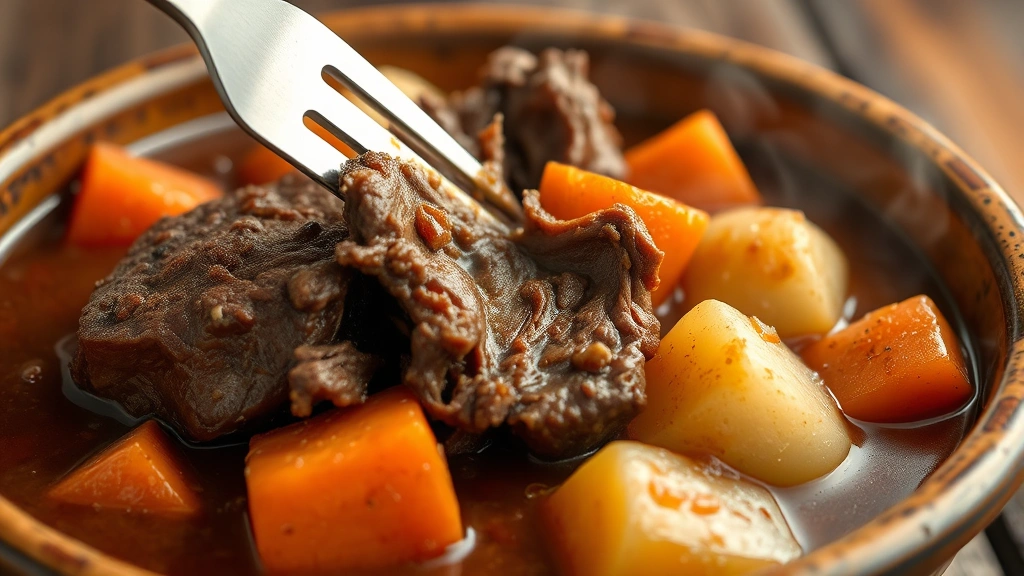
Garlic Herb Beef Stew combines 2 pounds of chuck roast, cubed and seared, with carrots, celery, potatoes, and pearl onions. Add 1 cup beef broth, 2 tablespoons tomato paste, 4 minced garlic cloves, 2 bay leaves, 1 teaspoon dried thyme, and ½ teaspoon black pepper. Cook on low for 8 hours. The result delivers approximately 38 grams of protein per serving with rich, complex flavors developed through extended cooking. Serve with crusty bread for complete carbohydrate balance.
Spiced Pork Carnitas starts with a 3-pound pork shoulder rubbed with cumin, chili powder, oregano, and salt. Add ½ cup orange juice, ¼ cup lime juice, and 6 smashed garlic cloves. Cook on low for 8 hours until meat shreds easily. Shred the pork and return it to the cooking liquid. Use in tacos, grain bowls, or salads for a versatile protein base delivering 32 grams per 3-ounce serving.
Beef Chili Protein Bowl uses 2 pounds ground beef, browned and drained, combined with 2 cans black beans, 1 can kidney beans, 1 can diced tomatoes, 1 onion, 3 minced garlic cloves, 2 tablespoons chili powder, 1 tablespoon cumin, and ½ teaspoon cayenne. Cook on low for 6 hours. Top with Greek yogurt, diced onion, and cilantro. This delivers 40 grams of protein per 1.5-cup serving, making it ideal for post-workout nutrition.
Pulled Pork Protein Tacos require a 4-pound pork butt rubbed with paprika, garlic powder, onion powder, and black pepper. Add 1 cup apple cider vinegar and 2 tablespoons honey. Cook on low for 10 hours. The extended time creates incredibly tender meat perfect for shredding. Serve on whole grain tortillas with avocado, salsa, and cabbage for a complete 35-gram protein meal.
Chicken and Poultry Slow Cooker Meals
Chicken offers lean protein with minimal fat, making it perfect for those watching calorie intake while maintaining muscle mass. The key to success lies in precise timing and moisture management.
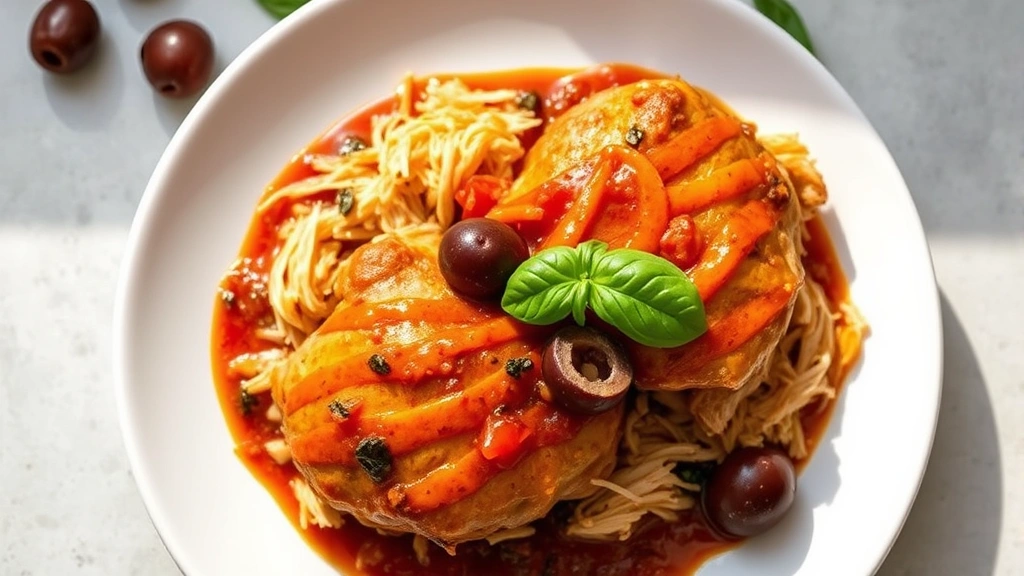
Mediterranean Chicken Breast combines 8 boneless, skinless chicken breasts with 1 can diced tomatoes, ½ cup chicken broth, 1 cup kalamata olives, 1 sliced red onion, 3 minced garlic cloves, 1 teaspoon dried oregano, and fresh basil. Cook on low for 4 hours only—overcooking causes dryness. Each serving delivers 42 grams of protein with Mediterranean flavors. Serve over quinoa or with roasted vegetables.
Teriyaki Chicken Thighs use 12 boneless, skinless chicken thighs (which stay moist better than breasts) with ½ cup low-sodium soy sauce, ¼ cup rice vinegar, 3 tablespoons honey, 4 minced garlic cloves, 1 tablespoon grated ginger, and ½ teaspoon red pepper flakes. Cook on low for 5 hours. The thighs provide 35 grams of protein per serving with Asian-inspired flavors perfect over brown rice or cauliflower rice.
Buffalo Chicken Protein Wraps start with 6 chicken breasts cooked on low for 4 hours with 1 cup buffalo sauce and ½ cup chicken broth. Shred the chicken and return to the cooker for 30 minutes to absorb flavors. Serve in whole wheat wraps with Greek yogurt ranch, celery, and carrot sticks. Each wrap provides 38 grams of protein with bold, satisfying flavors.
Lemon Herb Chicken Soup combines 4 chicken breasts, 8 cups low-sodium chicken broth, 2 cups diced carrots, 2 cups diced celery, 1 cup diced onion, 4 minced garlic cloves, juice and zest of 2 lemons, 2 teaspoons dried thyme, and 1 teaspoon dried rosemary. Cook on low for 5 hours. Shred chicken and return to broth. Add 2 cups spinach during final 15 minutes. This delivers 32 grams of protein per 1.5-cup serving with immune-boosting nutrients.
Seafood and Plant-Based Proteins
While traditional slow cookers work best with longer-cooking proteins, modern techniques allow seafood and plant-based options to thrive. These recipes expand your high-protein repertoire beyond conventional choices.
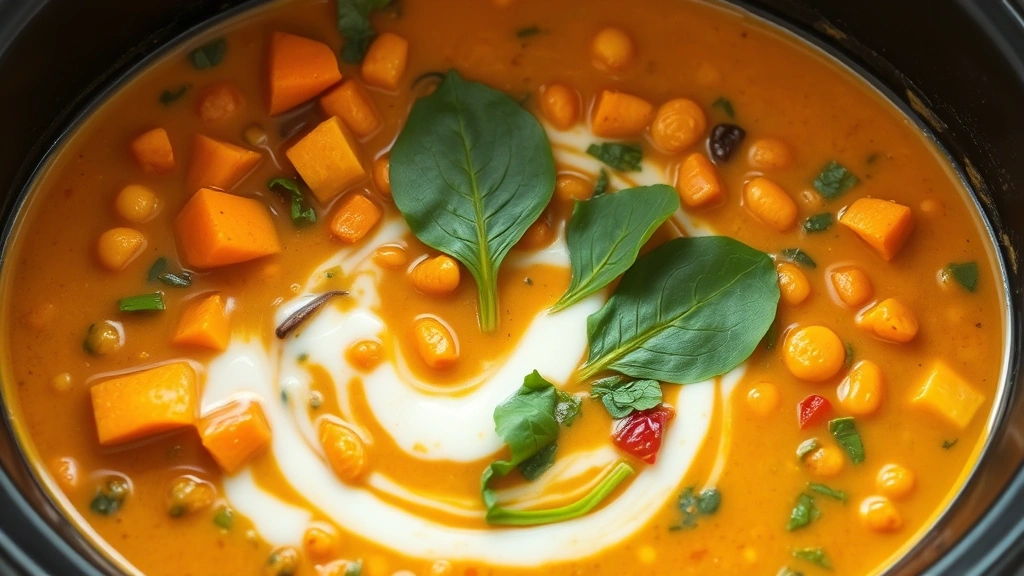
Lentil and Vegetable Protein Curry combines 2 cups dried lentils, 1 large onion, 4 minced garlic cloves, 2 tablespoons curry powder, 1 tablespoon ginger, 1 can coconut milk, 4 cups vegetable broth, 2 cups diced sweet potato, and 2 cups spinach. Cook on low for 6 hours. Each 1.5-cup serving provides 18 grams of plant-based protein with complete amino acids when served with rice or quinoa. The extended cooking time allows lentils to develop tender texture while flavors meld beautifully.
Chickpea and Tomato Stew uses 3 cans chickpeas (drained and rinsed), 2 cans diced tomatoes, 1 large onion, 4 garlic cloves, 1 tablespoon cumin, 1 teaspoon smoked paprika, 4 cups vegetable broth, and 3 cups kale. Cook on low for 5 hours. Each serving delivers 16 grams of plant-based protein with iron-rich kale supporting oxygen transport and muscle function.
For seafood applications, explore best seafood recipes adapted for slow cooking. Poached Salmon with Herbs uses a slow cooker’s gentle heat to cook 4 salmon fillets in ½ cup chicken broth with fresh dill, lemon slices, and thin-sliced fennel for just 2 hours on low. The result: perfectly cooked salmon with 35 grams of protein per fillet, omega-3 fatty acids, and delicate texture impossible to achieve with high-heat methods.
White Bean and Vegetable Soup combines 2 cans white beans, 8 cups vegetable broth, 2 cups diced carrots, 2 cups diced celery, 1 large onion, 4 garlic cloves, 2 teaspoons Italian seasoning, and 3 cups spinach added during final 20 minutes. Cook on low for 6 hours. Each 1.5-cup serving provides 14 grams of plant-based protein with prebiotic fiber supporting digestive health and nutrient absorption.
Flavor Combinations That Work
Mastering flavor development transforms basic protein into restaurant-quality meals. These combinations represent culinary principles used by professional chefs and nutritionists alike.
Warm spice profiles featuring cinnamon, cumin, and paprika work beautifully with beef and pork. These spices contain polyphenols with anti-inflammatory properties, supporting recovery. Combine with acidic elements like tomato or vinegar for balance and improved mineral absorption.
Asian-inspired flavors using soy sauce, ginger, garlic, and sesame work with poultry and legumes. These ingredients enhance protein digestion through enzymes in ginger and beneficial bacteria support from fermented soy products. Add coconut milk for richness and healthy fats that improve nutrient absorption.
Mediterranean combinations featuring olive oil, garlic, oregano, lemon, and tomatoes complement all proteins. Olive oil’s monounsaturated fats improve cardiovascular health while herbs provide antioxidants. These flavor profiles have sustained athletes for millennia.
Smoky and bold flavors using smoked paprika, chipotle, cumin, and chili powder appeal to those preferring intense tastes. These seasonings contain capsaicin, which may boost metabolism and reduce inflammation. Perfect for chili, carnitas, and bean-based dishes.
Herb-forward approaches using fresh basil, cilantro, thyme, and rosemary brighten heavy proteins. Add delicate herbs during final 30 minutes to preserve volatile oils and bright flavors. Dried herbs work during cooking; fresh herbs at the end.
Umami development through tomato paste, soy sauce, mushrooms, and aged cheese creates deeply satisfying flavors that reduce cravings. Umami activates satiety signals, helping you feel fuller longer on appropriate portion sizes.
Consider pairing slow cooker meals with quick breakfast recipes for balanced daily nutrition, or explore healthy crockpot recipes for additional inspiration on maximizing your slow cooker’s potential.
Professional chefs at The Culinary Institute of America emphasize that slow cooking teaches fundamental cooking principles through extended observation. You develop intuition about protein doneness, flavor development, and timing that translates across all cooking methods.
FAQ
How much protein should I aim for daily?
General recommendations suggest 0.8 grams per kilogram of body weight for sedentary individuals, but athletes and those building muscle benefit from 1.6-2.2 grams per kilogram. A 150-pound person should consume 110-150 grams daily for muscle development. High-protein slow cooker recipes make reaching these targets convenient and delicious.
Can I freeze slow cooker meals for meal prep?
Absolutely. Most slow cooker recipes freeze beautifully for up to 3 months. Cool completely, divide into portions, and store in airtight containers or freezer bags. Thaw overnight in the refrigerator before reheating on the stovetop or in the oven. Avoid refreezing thawed meals. This approach maximizes meal prep efficiency while maintaining nutritional quality.
What’s the difference between low and high settings?
Low settings maintain approximately 190°F while high settings reach 210°F. Low cooking takes roughly twice as long as high cooking but produces more tender results with better flavor development. For most protein-focused recipes, low setting is preferable: it provides superior texture and allows more complete flavor melding.
Do I need to add liquid to slow cooker meals?
Yes, but less than you might think. Slow cookers trap steam, so minimal evaporation occurs. Use just enough liquid to create steam and prevent sticking—typically ½ to 1 cup for standard recipes. Excess liquid dilutes flavors and leaches nutrients. Root vegetables naturally release moisture, so account for this when planning recipes.
How do I prevent chicken from becoming dry?
Cook chicken breasts on low for no more than 4-5 hours. Bone-in, skin-on chicken thighs stay juicier than breasts due to higher fat content. Searing chicken before slow cooking helps seal in moisture. Finally, avoid opening the cooker frequently—each lid lift extends cooking time by 15-20 minutes and releases steam needed for even cooking.
Can I use slow cooker liners?
Yes, slow cooker liners made from food-grade plastic or silicone simplify cleanup without affecting cooking quality. They don’t impact protein retention or flavor development. This convenience factor helps busy professionals maintain consistent meal prep routines essential for reaching protein targets.
What proteins have complete amino acid profiles?
All animal proteins (beef, pork, chicken, fish) contain all nine essential amino acids. Plant-based proteins typically lack one or more essential amino acids individually but provide complete profiles when combined with grains. Lentils with rice, chickpeas with quinoa, or beans with whole wheat create complete plant-based proteins rivaling animal sources.
How do I reheat slow cooker meals safely?
Reheat to 165°F internal temperature using the stovetop (fastest), oven (best for texture), or microwave (most convenient). Stovetop reheating in a saucepan over medium heat preserves texture better than microwaving. Add a splash of broth if needed to restore moisture lost during storage.


