Hummus Without Tahini? Chef’s Secret Recipe
Making authentic hummus without tahini might seem impossible to traditional Mediterranean cooks, but this chef’s secret recipe proves otherwise. Tahini, the ground sesame paste that typically anchors hummus, can be replaced with equally delicious alternatives that maintain the creamy texture and rich flavor profile you crave. Whether you’re dealing with a sesame allergy, out of tahini at the last minute, or simply looking to experiment with new flavor dimensions, this guide reveals professional techniques used in top culinary kitchens worldwide.
The beauty of hummus lies not in rigid adherence to a single ingredient, but in understanding the science of emulsification and how different components work together. Chefs at renowned culinary institutes have experimented with countless substitutions, and the results are surprisingly sophisticated. By mastering these alternatives, you’ll expand your cooking repertoire and create hummus variations that might actually surpass the traditional version.
This comprehensive guide walks you through every method, from using creamy nuts and seeds to incorporating unexpected ingredients that transform your hummus into something genuinely special. We’ll explore why these substitutions work, how to achieve perfect consistency, and troubleshooting tips from professional kitchens.
Why Tahini Matters in Hummus
Understanding why tahini plays such a crucial role in traditional hummus helps explain how to successfully replace it. Tahini serves three essential functions: it creates the smooth, creamy base; it contributes a subtle nutty flavor that balances the earthiness of chickpeas; and it acts as an emulsifier, helping oil and water-based ingredients blend seamlessly.
The fat content in tahini (approximately 55% fat) is what creates that luxurious mouthfeel. When combined with chickpea proteins and lemon juice acidity, tahini’s oils emulsify into a stable, homogeneous mixture. This is why many hummus failures result from using low-fat substitutes—they lack the necessary fat content to achieve proper emulsification.
Professional chefs understand that food science principles dictate texture and consistency. When replacing tahini, you need an ingredient with similar fat content and emulsifying properties. This is the key to creating hummus without tahini that genuinely rivals the original.
Best Tahini Substitutes Explained
Not all substitutes perform equally. The best alternatives share specific characteristics: high fat content (40-60%), neutral to complementary flavor profiles, and natural emulsifying properties. Let’s examine which options work best and why.
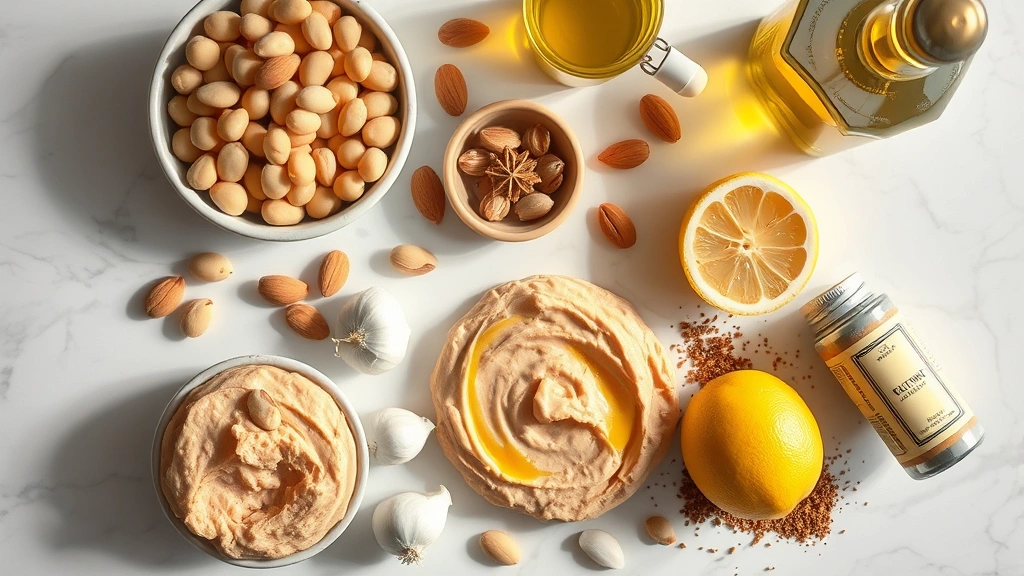
Almond Butter stands as the most accessible substitute. It contains approximately 50% fat, making it nearly identical to tahini in lipid content. The flavor is slightly sweeter and earthier, adding complexity to your hummus. Natural, unsalted almond butter works best to maintain control over your final seasoning.
Sunflower Seed Paste offers an excellent tahini alternative for those with nut allergies. With similar fat content and a mild, slightly nutty flavor, sunflower seed paste creates remarkably authentic-tasting hummus. Many Mediterranean chefs now use this as a primary ingredient in allergen-friendly preparations.
Coconut Cream provides a tropical twist while maintaining necessary fat content. This option works particularly well when you’re creating Greek yogurt recipes variations, as the coconut adds richness without overpowering the chickpeas.
Greek Yogurt combined with neutral oils creates an interesting hybrid approach. While yogurt alone lacks sufficient fat, when combined with oil, it produces a lighter hummus with added protein and probiotic benefits.
Almond Butter Method
This is the chef’s preferred method when tahini isn’t available. The process requires understanding proper ratios and blending techniques to achieve professional results.
Ingredients:
- 2 cups cooked chickpeas (canned and drained works perfectly)
- ½ cup natural almond butter
- 3 tablespoons fresh lemon juice
- 2 cloves garlic, minced
- ¼ teaspoon cumin
- 3-4 tablespoons reserved chickpea liquid or water
- 2 tablespoons extra virgin olive oil
- Salt and white pepper to taste
Step-by-Step Process:
- Prepare your base: Add chickpeas, almond butter, and minced garlic to your food processor. Pulse initially to break down chickpeas into smaller pieces. This prevents overheating the motor during extended blending.
- Add acidic elements: Pour in lemon juice and add cumin. The acid is crucial—it helps break down chickpea cell walls and improves emulsification. Blend for 30 seconds.
- Gradual liquid addition: This step separates amateur cooks from professionals. Add chickpea liquid one tablespoon at a time while blending continuously. This gradual approach allows proper emulsification rather than creating a thin, broken mixture.
- Incorporate oil: With the processor running, slowly drizzle olive oil into the mixture. This mimics the technique used in professional culinary training for mayonnaise preparation. The slow incorporation ensures stable emulsion.
- Taste and adjust: Stop the processor and taste. Add salt gradually—remember that you’ll likely add more olive oil for serving, which doesn’t contribute salt. Blend for another 30 seconds after seasoning adjustment.
- Texture refinement: If the mixture seems too thick, add liquid one teaspoon at a time. If too thin, add more almond butter by the teaspoon. Professional hummus should be smooth yet hold its shape when dolloped.
The almond butter method produces hummus with a slightly more delicate flavor than tahini-based versions, making it perfect for serving alongside healthy chicken recipes or Mediterranean grain bowls.
Sunflower Seed Paste Alternative
For allergen-conscious cooking, sunflower seed paste represents the gold standard substitute. This method creates hummus with remarkable authenticity, fooling even tahini purists.
Key Advantages:
- Nearly identical fat profile to tahini (approximately 48% fat)
- No tree nut allergens, making it safer for diverse dietary needs
- Mild flavor that doesn’t overshadow other ingredients
- Widely available in most grocery stores
- Often less expensive than quality tahini
Recipe Modifications:
Use the same ingredient list as the almond butter method, substituting sunflower seed paste for almond butter in equal measure. The blending process remains identical. However, sunflower seed paste sometimes requires slightly more lemon juice (add an extra ½ tablespoon) because its flavor is more delicate and benefits from additional brightness.
Professional chefs note that sunflower seed paste hummus pairs exceptionally well with roasted vegetables and works beautifully as a base for carnivore recipes that incorporate roasted meats and cured proteins.
Coconut Cream Approach
This method introduces tropical notes while maintaining authentic hummus structure. It’s particularly popular in modern Mediterranean restaurants experimenting with fusion cuisine.
Ingredients:
- 2 cups cooked chickpeas
- ⅓ cup coconut cream (the thick part from a can of full-fat coconut milk)
- 3 tablespoons natural almond or sunflower seed butter (coconut cream alone lacks sufficient protein)
- 3 tablespoons fresh lemon juice
- 1 tablespoon lime juice (adds brightness to balance coconut sweetness)
- 2 cloves garlic
- ¼ teaspoon cumin
- Pinch of turmeric (optional, but adds lovely color and earthiness)
- 2-3 tablespoons chickpea liquid
- 2 tablespoons extra virgin olive oil
- Sea salt and white pepper
Blending Instructions:
Combine chickpeas, coconut cream, seed butter, both citrus juices, garlic, and spices. Blend for one minute until relatively smooth. The coconut cream’s density means this mixture requires more initial blending than other methods. Add chickpea liquid gradually while blending, then incorporate olive oil in a thin stream. The result should be silkier than traditional hummus, with subtle tropical undertones.
This variation works wonderfully when serving alongside sous vide recipes featuring seafood, as the coconut adds a sophisticated complement to delicate proteins.
Greek Yogurt Blend Technique
Greek yogurt hummus represents a lighter, protein-enhanced approach favored by fitness-conscious cooks and professional nutritionists. This method reduces fat content while adding beneficial probiotics.
Ingredients:
- 1½ cups cooked chickpeas
- ½ cup plain Greek yogurt (full-fat preferred)
- 3 tablespoons extra virgin olive oil
- 3 tablespoons fresh lemon juice
- 2 cloves garlic, minced
- ¼ teaspoon cumin
- 2-3 tablespoons chickpea liquid
- Salt and pepper to taste
- Optional: fresh herbs like parsley or cilantro
Method:
Add chickpeas, Greek yogurt, lemon juice, and garlic to your food processor. Blend for 45 seconds. The yogurt’s tangy flavor and protein content create a lighter hummus that’s still satisfyingly creamy. Gradually add chickpea liquid while blending to reach desired consistency. With the processor running, slowly incorporate olive oil. Finish with salt, pepper, and optional fresh herbs.
This approach yields hummus with approximately 25% less fat than traditional versions, making it ideal for health-conscious eating plans. The Greek yogurt also extends shelf life due to its natural acidity and probiotic content.
Creative Nut and Seed Combinations
Professional chefs often layer multiple nut and seed butters to create complex flavor profiles. These combinations elevate hummus from simple dip to gourmet component.
Cashew and Sunflower Combination:
Mix 3 tablespoons cashew butter with 2 tablespoons sunflower seed paste. Cashews contribute buttery richness while sunflower seeds add subtle earthiness. This blend creates exceptionally smooth hummus with sophisticated depth.
Walnut and Almond Blend:
Combine 3 tablespoons almond butter with 1 tablespoon walnut butter. This creates a more assertive, earthy flavor profile perfect for pairing with roasted vegetables. Walnuts contain higher omega-3 content, adding nutritional benefits.
Pumpkin Seed Innovation:
Pumpkin seed butter (pepita paste) creates surprisingly excellent hummus with mineral-rich flavor notes. Use 4 tablespoons pumpkin seed butter combined with 1 tablespoon almond butter for balanced results. This combination works particularly well when you add a pinch of smoked paprika and fresh cilantro.
Sesame Seed Alternative:
If you want tahini’s sesame flavor without tahini itself, make fresh sesame seed paste at home. Toast ½ cup raw sesame seeds in a dry skillet over medium heat for 3-4 minutes, stirring constantly. Process in a food processor for 8-10 minutes, scraping sides occasionally. The natural oils will eventually create a paste. This homemade version often tastes superior to store-bought tahini.
Achieving Perfect Texture
Texture separates mediocre hummus from restaurant-quality preparations. Professional kitchens understand that consistency requires precise technique and ingredient understanding.
The Creamy Sweet Spot:
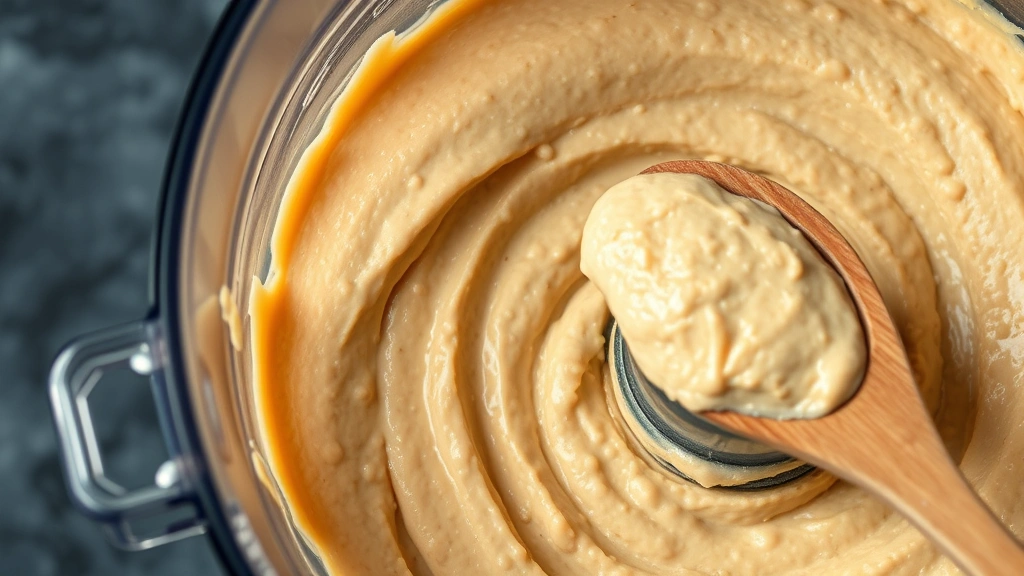
Perfect hummus should be smooth enough to pipe through a piping bag yet hold its shape when dolloped. It should spread easily on pita without being runny. This consistency typically requires a ratio of approximately 2 cups chickpeas to ½ cup fat source (nut/seed butter) to 3-4 tablespoons liquid.
Blending Duration:
Most home cooks under-blend their hummus. Professional preparation requires 2-3 minutes of continuous blending, not the 30 seconds many recipes suggest. This extended blending breaks down chickpea cell walls more thoroughly, releasing starches that contribute to creaminess. The longer processing time also ensures complete emulsification.
Temperature Considerations:
Food processors generate heat during extended blending. If your hummus becomes warm, the emulsion can break. Stop blending every 60 seconds and feel the processor bowl. If it’s warm to the touch, let it rest for 30 seconds. Some professional kitchens pre-chill their processor bowls by running them under cold water before use.
Liquid Management:
The liquid you use significantly affects final texture. Chickpea liquid (aquafaba) contains starches and proteins that improve emulsification better than plain water. If using water, add it more conservatively. Room-temperature liquid works better than cold, as it blends more smoothly without causing emulsion shock.
Flavor Enhancement Secrets
Creating exceptional hummus requires understanding how individual components contribute to the whole. Professional chefs layer flavors strategically.
Lemon Juice Technique:
Fresh lemon juice is non-negotiable—bottled juice simply won’t produce the same brightness. Use approximately 3 tablespoons for every 2 cups chickpeas. The acid serves multiple purposes: it emulsifies, it balances earthiness, and it prevents oxidation that would turn hummus brown. Add half the lemon juice initially, then taste before adding the remainder. This prevents over-acidification, which can create a thin, broken texture.
Garlic Intensity:
Raw garlic creates stronger flavor than cooked. For subtle garlic notes, use one small clove; for pronounced flavor, use three large cloves. Some chefs roast their garlic first, which mellows the intensity and adds sweetness. To roast garlic: wrap whole cloves in foil and bake at 400°F for 20 minutes until soft and golden.
Spice Integration:
Cumin is traditional, but don’t stop there. Add smoked paprika (½ teaspoon) for depth, a pinch of cayenne for warmth, or fresh cilantro for brightness. Ground coriander (¼ teaspoon) adds unexpected complexity. Toast whole spices briefly in a dry skillet before grinding—this releases essential oils and intensifies flavor.
Salt Strategy:
Season in stages rather than all at once. Add ½ teaspoon initially, blend, taste, then adjust. This prevents over-salting. Remember that you’ll typically drizzle additional olive oil on top before serving, and this oil won’t contribute salt, so account for that in your seasoning.
Finishing Oil Importance:
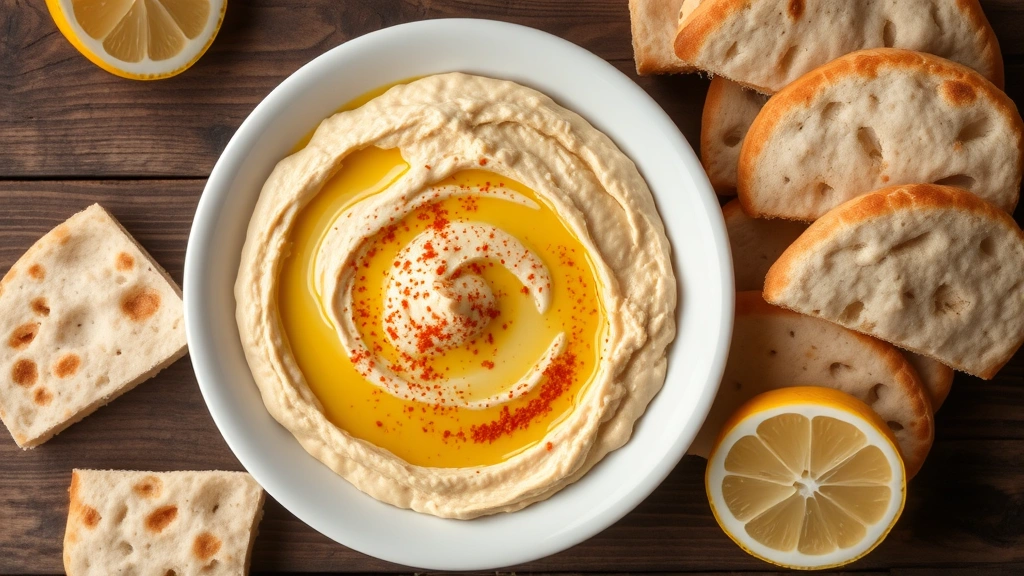
The olive oil drizzled on top before serving isn’t just for presentation—it’s crucial for flavor and mouthfeel. Use your best quality extra virgin olive oil here. The polyphenols and subtle fruit notes in premium oil make a dramatic difference. Drizzle approximately 1 tablespoon per serving in a spiral pattern.
Storage and Make-Ahead Tips
Understanding proper storage extends the life of your hummus and maintains quality throughout the week.
Refrigerator Storage:
Hummus without tahini typically lasts 4-5 days when stored in an airtight container. The lack of tahini’s natural preservative properties means these versions don’t last quite as long as traditional hummus. Cover the surface with a thin layer of olive oil before storing—this prevents oxidation and browning.
Freezing Success:
Most hummus variations freeze successfully for up to three months. Portion into ice cube trays for convenient serving sizes, or freeze in flat portions in freezer bags for easier thawing. Thaw overnight in the refrigerator. The texture remains excellent after freezing, though you may need to re-blend briefly after thawing to restore smoothness.
Make-Ahead Strategy:
Prepare hummus up to three days in advance for entertaining. This allows flavors to meld and develop more complex profiles. Store without the olive oil topping, then add fresh oil just before serving. This timing works beautifully when you’re planning pressure cooker meals or other time-intensive cooking projects.
Consistency Restoration:
If hummus thickens over time, whisk in a tablespoon of lemon juice or water to restore creaminess. If it seems separated, blend briefly in the food processor with a splash of liquid.
FAQ
Can I use peanut butter as a tahini substitute?
While peanut butter has appropriate fat content, its strong flavor overwhelms chickpeas and creates hummus that tastes more like peanut dip than hummus. It’s not recommended unless you’re specifically creating a fusion variation. Almond butter, sunflower seed paste, or cashew butter work much better.
Why does my hummus without tahini taste grainy?
Graininess typically indicates insufficient blending time or chickpeas that weren’t cooked until completely soft. Blend for at least 2-3 minutes continuously. If using canned chickpeas, drain them thoroughly and rinse, but don’t skip this step—the starch on their surface aids emulsification.
How can I make hummus without any nuts or seeds?
This is challenging because nuts and seeds provide necessary fat for emulsification. However, you can create a lighter version using Greek yogurt combined with avocado oil, or coconut cream combined with olive oil. The result will be less creamy than traditional hummus but still delicious.
Is homemade sesame seed paste really better than store-bought tahini?
Yes, homemade often tastes fresher and more vibrant. Store-bought tahini sometimes develops off-flavors during storage. Making your own takes just 10 minutes and yields superior results. Toast the seeds first for even better flavor.
Can I use raw chickpeas for hummus?
No, raw chickpeas are toxic and indigestible. Always use cooked chickpeas—either canned (drained and rinsed) or home-cooked dried chickpeas. Cooking breaks down enzyme inhibitors and makes the protein and nutrients bioavailable.
What’s the best container for serving hummus without tahini?
Shallow bowls work better than deep ones, allowing you to create the traditional well in the center for olive oil and garnish. The shallow presentation also makes it easier for guests to scoop with pita or vegetables.
How do I prevent my hummus from separating?
Separation usually indicates inadequate emulsification or too much liquid relative to fat. Blend longer (3+ minutes), use the proper ratio of chickpeas to fat source, and add liquid very gradually. If separation occurs, blend again with a tablespoon of lemon juice or oil.
Can I make hummus in a blender instead of a food processor?
Food processors work better because they have wider bowls and slower blade speeds, preventing excessive aeration. Blenders can work but often incorporate too much air, creating a lighter, less creamy texture. If using a blender, pulse rather than continuous blend, and work in smaller batches.
What’s the ideal serving temperature for hummus?
Room temperature is traditional and allows flavors to shine. Some people enjoy chilled hummus on hot days. Avoid serving warm hummus unless it’s been intentionally warmed as a hot dip—cold storage is standard for food safety.
How can I make hummus less acidic if I find it too tangy?
Reduce lemon juice to 2 tablespoons instead of 3, or add a pinch of baking soda (¼ teaspoon) to neutralize acidity. Baking soda will cause slight fizzing—blend immediately after adding. Alternatively, add a touch of honey (½ teaspoon) to balance tartness.
Mastering hummus without tahini opens countless creative possibilities. Whether you choose almond butter for its accessibility, sunflower seed paste for allergen safety, or creative combinations for sophisticated depth, these methods produce genuinely excellent results. The key lies in understanding emulsification principles, blending thoroughly, and adjusting seasonings to your preference. With practice, you’ll develop intuition for achieving perfect consistency and flavor every time, impressing dinner guests and elevating simple meals into memorable culinary experiences.


