Ultimate Italian Sandwich Recipe: A Chef’s Favorite Guide
There’s something magical about a truly exceptional Italian sandwich. It’s not just about stacking cold cuts between two slices of bread—it’s an art form that requires understanding flavor balance, texture contrast, and the quality of each ingredient. This ultimate Italian sandwich recipe has been perfected through years of culinary experience, combining traditional Italian techniques with chef-tested methods that guarantee restaurant-quality results every single time.
Whether you’re preparing lunch for your family, hosting a gathering, or simply craving an authentic taste of Italy, this comprehensive guide will walk you through every step. From selecting the perfect bread to layering ingredients with precision, you’ll discover the secrets that separate an ordinary sandwich from an extraordinary one that keeps people coming back for more.
Understanding Italian Sandwich Fundamentals
The Italian sandwich, also known as a hoagie or sub in various regions, represents centuries of culinary tradition combined with practical simplicity. What makes an Italian sandwich truly exceptional is the harmony between its components. Unlike casual sandwiches, a proper Italian sandwich requires balance—balancing salty cured meats with fresh vegetables, creamy textures with crisp elements, and bold flavors with subtle undertones.
The foundation of every great Italian sandwich rests on three pillars: quality ingredients, proper assembly technique, and respect for traditional flavor combinations. Each component should enhance the others rather than compete. When you understand these fundamentals, you’re not just making a sandwich—you’re creating an experience that transports your palate directly to Italy.
Professional chefs know that the Italian sandwich isn’t about quantity; it’s about precision. Every slice of meat, every vegetable layer, and every condiment application serves a specific purpose. This methodical approach ensures that each bite delivers consistent flavor and texture, which is the hallmark of a truly exceptional sandwich.
Essential Ingredients Selection
Creating the ultimate Italian sandwich begins with sourcing premium ingredients. This isn’t the place to compromise on quality, as inferior products will immediately diminish your final result. Here’s what you need:
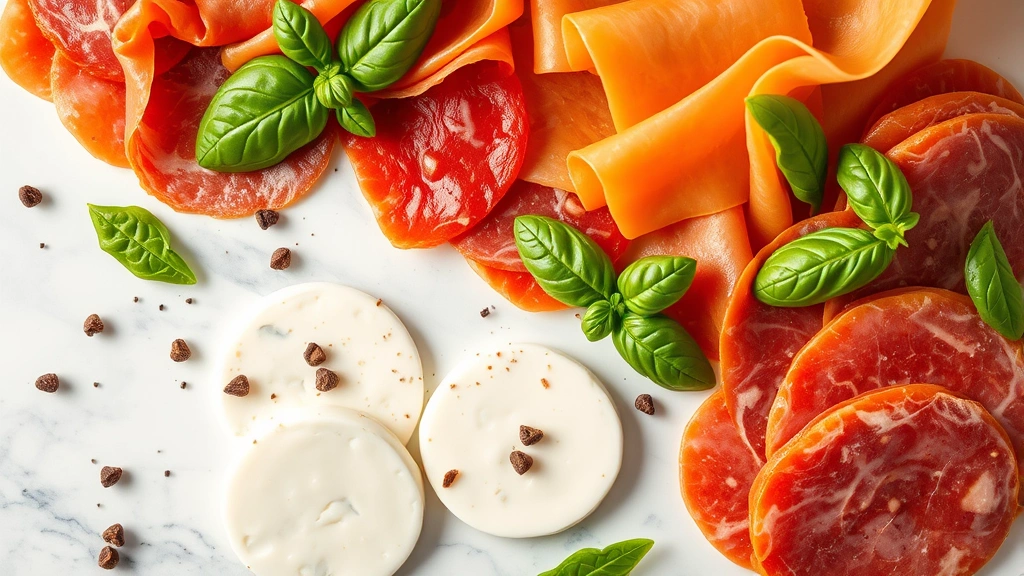
Cured Meats: The soul of any Italian sandwich comes from carefully selected cured meats. Authentic Italian prosciutto, authentic Italian mortadella, and genuine Italian capicola are non-negotiable. Look for meats sliced paper-thin at a quality deli counter, not pre-packaged versions from the grocery store. When meats are properly sliced, they absorb flavors more effectively and create a more refined texture.
Cheeses: Fresh mozzarella, aged provolone, and creamy Italian fontina create a magnificent cheese layer. Avoid low-moisture mozzarella; instead, seek out buffalo mozzarella or high-quality fresh mozzarella that offers a delicate, milky flavor. You could also explore homemade cheese alternatives if you’re looking for creative options.
Vegetables: Fresh roasted red peppers, crisp lettuce, ripe tomatoes, and thinly sliced red onions provide textural contrast and freshness. Choose vegetables at peak ripeness for maximum flavor impact. Roasting peppers yourself intensifies their sweetness and creates a more sophisticated flavor profile than jarred versions.
Condiments: High-quality olive oil, aged balsamic vinegar, and Italian herbs form the flavor foundation. These aren’t afterthoughts—they’re essential components that tie everything together.
Bread Selection and Preparation
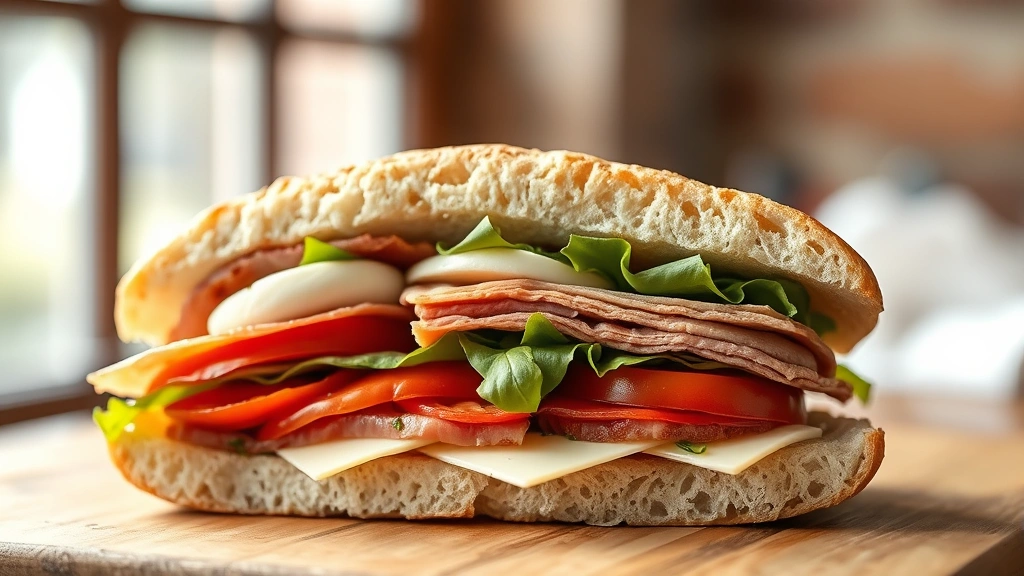
The bread is your canvas, and selecting the right one determines whether your sandwich succeeds or fails. Traditional Italian hoagie rolls feature a crispy exterior and soft, airy interior that can hold substantial fillings without becoming soggy. However, if you’re passionate about baking, you might consider making homemade bread for an extra special touch.
Bread Characteristics: Your ideal bread should have a sturdy crust that provides structural integrity while remaining slightly yielding. The crumb should be open enough to absorb flavors from oils and vinegars without becoming mushy. A 12-inch hoagie roll or Italian sub roll is standard, though some chefs prefer ciabatta for its rustic appeal.
Preparation Method: Before assembly, lightly score the interior of your bread roll. This creates tiny channels that help distribute oils and seasonings more effectively. Some professional chefs prefer a gentle toast on the cut sides, which adds subtle depth without overwhelming the delicate ingredients inside.
Oil Infusion: The most critical preparation step involves infusing your bread with quality olive oil and vinegar. Mix equal parts high-quality extra virgin olive oil and aged balsamic vinegar with minced garlic, dried oregano, and a pinch of red pepper flakes. Brush this mixture generously on both cut surfaces of your bread, allowing it to soak in for 30 seconds before proceeding with assembly.
Building Your Sandwich Layer by Layer
Now we arrive at the most critical component: proper assembly. The order of layers matters tremendously, as each layer serves a functional purpose in addition to contributing flavor.
Layer One – The Moisture Barrier: Begin with thin slices of fresh mozzarella on the bottom half of your bread. This creates a protective barrier that prevents oils from soaking directly into the bread while adding creaminess that binds other flavors together.
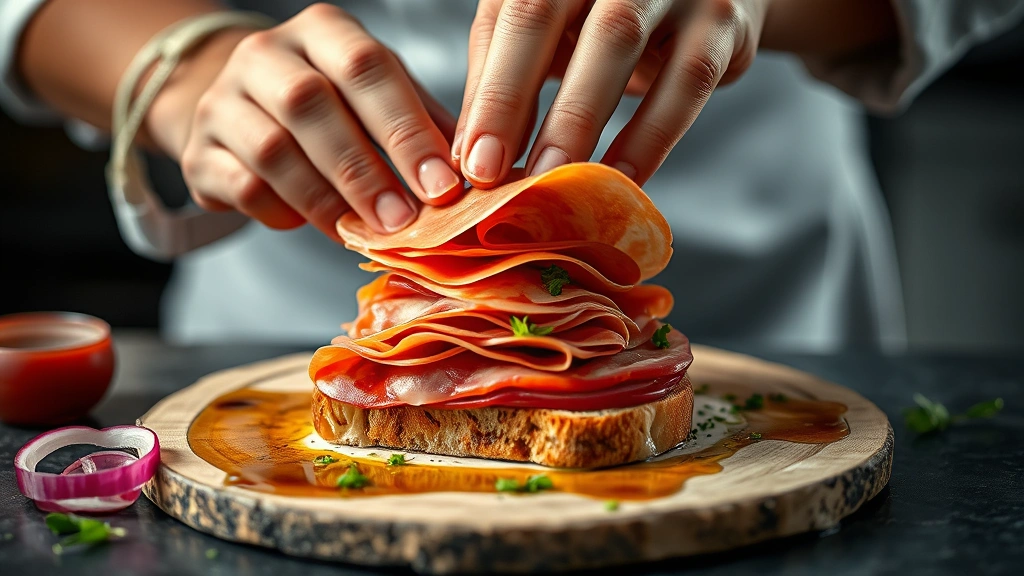
Layer Two – The Protein Foundation: Arrange your cured meats in overlapping layers. Start with prosciutto, add mortadella, then finish with capicola. Use approximately 2-3 ounces of each meat, ensuring they’re arranged in a single layer rather than bunched up. This distribution ensures every bite contains balanced meat flavor.
Layer Three – The Cheese Layer: Add thin slices of aged provolone over your meats. The provolone will slightly soften from the warmth of the other ingredients, creating a cohesive layer that binds the sandwich together.
Layer Four – The Vegetable Base: Place your roasted red peppers first, as they’re sturdy enough to provide structural support. Follow with crisp lettuce leaves, ensuring they’re completely dry to prevent sogginess. Pat them with paper towels if necessary.
Layer Five – The Brightness: Add thin tomato slices, ensuring they’re at room temperature and not cold from refrigeration. Cold tomatoes lack flavor intensity. Season these slices lightly with sea salt and freshly cracked black pepper.
Layer Six – The Finishing Touch: Add thin red onion slices and a final sprinkle of Italian herbs. Some chefs prefer adding a small amount of giardiniera (Italian pickled vegetables) at this stage for extra complexity.
Top Assembly: Place the top half of your bread roll on your carefully assembled layers. Press down gently but firmly, allowing the bread to compress slightly and help the flavors meld together. This compression is crucial—it prevents your sandwich from falling apart while eating and allows flavors to intermingle.
Flavor Profiles and Seasoning Techniques
Understanding how flavors work together elevates your Italian sandwich from good to exceptional. Italian cuisine relies on balance between five fundamental taste profiles: salty, sweet, sour, bitter, and umami.
Salty Elements: Your cured meats provide natural saltiness from the curing process. This is why additional salt must be applied sparingly. The prosciutto, mortadella, and capicola already contain substantial sodium, so resist the urge to over-season.
Sweet Notes: Roasted red peppers contribute natural sweetness that balances the salty meats. Some traditional recipes include a thin spread of roasted garlic paste or a subtle touch of aged balsamic reduction on the bread, which adds depth without overpowering.
Sour Components: Aged balsamic vinegar and quality olive oil create the acidic component that brightens all other flavors. This is why the oil and vinegar infusion on your bread is absolutely essential—it acts as a flavor catalyst that ties everything together.
Umami Development: Aged cheeses, cured meats, and roasted vegetables all contribute savory umami flavors. This creates a satisfying, mouth-filling sensation that makes the sandwich deeply satisfying despite its relatively simple ingredient list.
Herb Integration: Dried oregano is the signature Italian herb for sandwiches, but some chefs add fresh basil at the last moment for brightness. If using fresh basil, add it just before closing the sandwich to prevent wilting.
Pro Tips from Professional Chefs
After years of perfecting the Italian sandwich recipe, professional chefs have developed techniques that guarantee superior results. Here are their most closely guarded secrets:
Temperature Matters: Allow all ingredients to reach room temperature before assembly. Cold ingredients don’t release their flavors effectively, and cold bread resists oil absorption. Remove your meats and cheeses from the refrigerator 30 minutes before assembly.
The Pressing Technique: After assembly, wrap your sandwich tightly in parchment paper and place it under a light weight for 15 minutes. This allows flavors to meld while the bread absorbs oils evenly. Many Italian delis do this overnight, claiming the sandwich tastes even better the next day as flavors continue developing.
Moisture Control: Pat all vegetables completely dry before assembly. Excess water is the primary culprit in soggy sandwiches. Use paper towels generously, especially with tomatoes and roasted peppers.
Meat Selection Timing: Have your meats sliced fresh at the deli counter immediately before purchasing. Pre-sliced meats oxidize and lose flavor intensity within hours. This single step makes a noticeable difference in your final product.
Oil Quality Investment: Spend extra money on premium extra virgin olive oil. Since it’s a primary flavor component, inferior oil will compromise your entire sandwich. Look for oils with harvest dates and single-origin designations.
Bread Sourcing: Build a relationship with a quality bakery rather than relying on grocery store bread. Freshly baked hoagie rolls made with high-quality flour taste dramatically different from mass-produced alternatives. If you’re interested in the science behind bread making, explore resources from King Arthur Baking Company, which offers extensive educational content about bread techniques.
Variations and Creative Adaptations
While the classic Italian sandwich recipe is perfect, creative chefs often develop variations that honor tradition while introducing exciting new dimensions.
The Warm Italian Sandwich: Some regions prefer heating their Italian sandwiches. After assembly, wrap your sandwich in foil and warm it in a 350°F oven for 10 minutes. This allows cheeses to soften and flavors to deepen. The warm version pairs beautifully with Italian wedding soup or minestrone.
Vegetarian Italian Sandwich: Skip the cured meats and layer roasted vegetables: eggplant, zucchini, artichoke hearts, and sun-dried tomatoes. Add creamy burrata cheese and fresh basil for a satisfying vegetarian option that doesn’t sacrifice authenticity.
Seafood Variation: Replace traditional meats with thin slices of Italian tuna, marinated anchovies, or fresh calamari. This Mediterranean variation works beautifully with lemon-infused olive oil instead of balsamic vinegar.
The Gourmet Version: Elevate your sandwich by adding truffle oil to your oil-vinegar mixture, using San Daniele prosciutto instead of standard prosciutto, and incorporating burrata cheese for creaminess. This version deserves quality wine pairings.
Herb-Infused Variations: Experiment with different Italian herbs beyond oregano. Fresh marjoram, thyme, or basil create subtle flavor shifts while maintaining authenticity. Some chefs add a whisper of fennel seed for complexity reminiscent of traditional Italian sausage.
You might also draw inspiration from related Italian dishes. The techniques used in creating quality Italian sandwiches parallel those used in preparing layered Italian casseroles, where proper ingredient sequencing determines the final result.
FAQ
How long can I store an assembled Italian sandwich?
An assembled Italian sandwich is best consumed within 2-3 hours of preparation. If you must store it longer, wrap it tightly in parchment paper and refrigerate for up to 24 hours. However, the bread will gradually absorb moisture, potentially becoming soggy. For longer storage, keep ingredients separate and assemble just before serving.
Can I prepare Italian sandwiches ahead for events?
Yes, but with strategy. Assemble sandwiches up to 4 hours ahead and wrap individually in parchment paper. Keep them at room temperature in a cool location. Avoid refrigerating if possible, as cold temperatures dull flavors. If you must refrigerate, remove sandwiches 30 minutes before serving to allow them to return to optimal temperature.
What’s the best way to cut an Italian sandwich?
Using a serrated bread knife, cut diagonally at a 45-degree angle. This creates two elegant triangular pieces and prevents the filling from squishing out. Make one smooth, confident cut rather than sawing back and forth, which can compress your carefully arranged layers.
Should I toast the bread for an Italian sandwich?
Traditional Italian sandwiches aren’t heavily toasted, as this can overpower delicate flavors. However, a very light toast on the cut sides (just 30 seconds in a toaster oven) can add subtle depth without compromising texture. Avoid full toasting, which creates an overly crispy texture that conflicts with soft cheeses and cured meats.
What beverages pair best with Italian sandwiches?
Italian sandwiches pair beautifully with crisp white wines like Pinot Grigio or Vermentino. For non-alcoholic options, sparkling water with lemon or traditional Italian cream sodas complement the flavors perfectly. Iced tea with fresh herbs also works wonderfully, especially on warm days.
Can I make Italian sandwiches with homemade bread?
Absolutely! Making homemade bread allows you to control every aspect of your sandwich. Homemade hoagie rolls often taste superior to commercial versions because you can use premium flour and control fermentation timing, which develops deeper flavor.
What’s the difference between an Italian sandwich and a hoagie?
These terms are often used interchangeably, though regional variations exist. An Italian sandwich traditionally emphasizes cured Italian meats and cheeses with Italian seasonings. A hoagie is a broader category that can include various fillings. The Italian sandwich is essentially a specific, traditional hoagie variation.
How do professional delis make Italian sandwiches taste so good?
Professional delis succeed because they: source meats sliced fresh daily, use quality bread from dedicated bakeries, apply oils and seasonings generously, press sandwiches to allow flavor melding, and maintain strict ingredient quality standards. They also often prepare sandwiches hours ahead and allow them to rest, which develops deeper flavor complexity.
Can I add hot peppers to an Italian sandwich?
Yes! Many Italian regions incorporate hot elements. Add sliced peperoncini (Italian hot peppers), a spread of spicy giardiniera, or a pinch of crushed red pepper flakes. These additions add brightness and heat without overwhelming the delicate balance of traditional flavors.
What makes an Italian sandwich truly “ultimate”?
The ultimate Italian sandwich combines premium ingredients, proper assembly technique, respect for traditional flavor balance, and attention to every detail. It’s not about adding exotic ingredients; it’s about perfecting the classics. Quality cured meats, fresh vegetables, aged cheese, and proper seasoning create a sandwich that satisfies completely and keeps people coming back for more.


