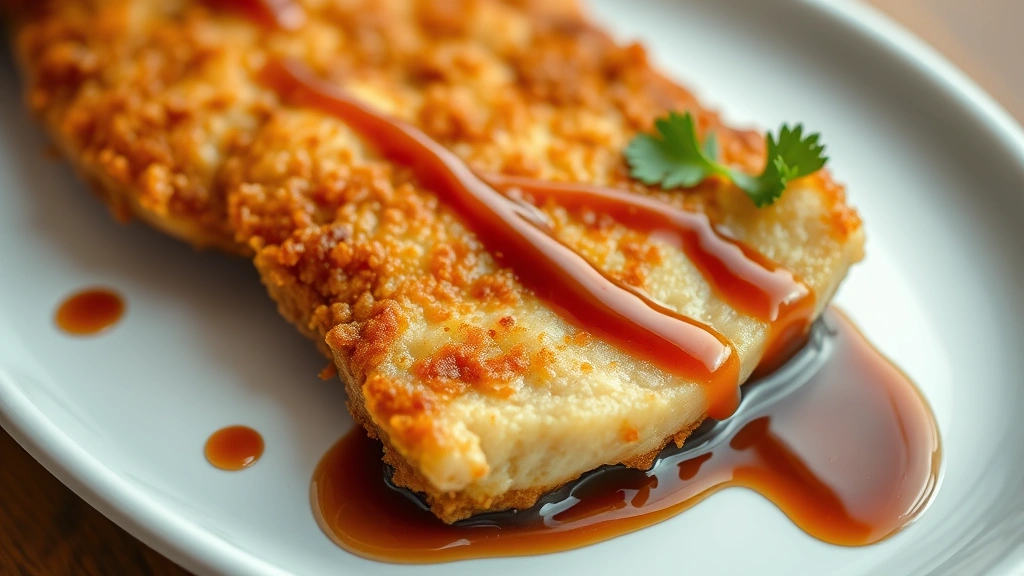
Katsu sauce is the vibrant, umami-rich condiment that transforms a simple breaded cutlet into an unforgettable meal. This Japanese staple combines sweet, savory, and tangy notes in perfect harmony, creating a sauce that’s both complex and surprisingly easy to make at home. Whether you’re preparing easy dinner recipes for beginners or mastering authentic Japanese cuisine, understanding katsu sauce is essential to capturing the true essence of this beloved dish.
The beauty of katsu sauce lies in its versatility and depth of flavor. Unlike store-bought versions loaded with preservatives, homemade katsu sauce delivers an authentic taste that professional chefs and home cooks alike prize. This guide walks you through everything you need to know about crafting the perfect katsu sauce, from ingredient selection to troubleshooting common mistakes. You’ll discover how to balance sweetness with acidity, develop rich umami notes, and create a sauce that elevates your katsu dishes to restaurant quality.
What is Katsu Sauce
Katsu sauce is a thick, glossy brown condiment originating from Japanese cuisine, specifically designed to complement breaded and fried cutlets known as katsu. The sauce derives its name from the dish it accompanies—tonkatsu (pork cutlet), chicken katsu, and beef katsu all benefit from this exceptional topping. Unlike lighter sauces, katsu sauce coats your palate with layers of flavor that complement the crispy exterior and tender meat of a perfectly executed katsu.
The sauce represents a fusion of Japanese culinary traditions with Western influences, particularly Worcestershire sauce and ketchup. This combination creates a uniquely Japanese-Western hybrid that’s become iconic in Japanese home cooking and restaurant menus worldwide. The depth comes from careful balance: sweetness from fruits and sugar, savoriness from soy sauce and fish-based ingredients, and tanginess from vinegar and spices.
What distinguishes authentic katsu sauce from casual condiments is the complexity achieved through layering flavors. Professional versions often include fruit extracts, complex spice blends, and carefully calibrated proportions that take years to perfect. However, home cooks can create remarkably authentic versions using readily available ingredients and straightforward techniques.
Essential Ingredients Explained
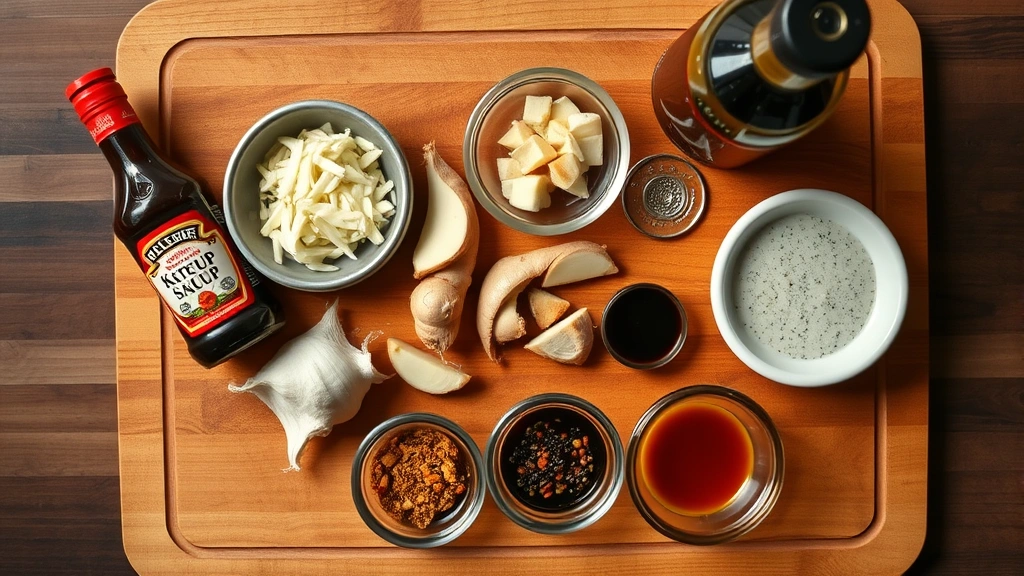
Creating authentic katsu sauce requires understanding each ingredient’s role in the final product. The foundation rests on a few key components that work synergistically to build flavor depth and achieve the characteristic texture.
Worcestershire Sauce serves as the backbone of katsu sauce, providing umami depth, slight saltiness, and complex spice notes. This fermented condiment, originally from England, contains anchovies, tamarind, and various spices that create savory complexity. When selecting Worcestershire sauce, choose a quality brand without excessive additives, as this ingredient significantly impacts your final sauce’s character.
Ketchup contributes sweetness, acidity, and tomato-based umami. Rather than using basic ketchup, many authentic recipes call for tomato sauce or tomato paste mixed with sugar for better control over sweetness levels. Ketchup also provides the sauce with its characteristic reddish-brown color and helps achieve the right consistency through its natural thickeners.
Soy Sauce adds saltiness and additional umami depth, balancing the sweetness of ketchup and sugar. Use regular soy sauce rather than tamari or low-sodium varieties for traditional flavor. The saltiness prevents the sauce from becoming cloying while reinforcing savory notes that complement fried meat.
Oyster Sauce introduces bivalve-derived umami and slight sweetness, deepening the sauce’s savory profile. This ingredient is optional but highly recommended for achieving authentic depth. A small amount goes a long way, so use it judiciously to avoid overpowering other flavors.
Sugar and Honey balance the sauce’s acidity and saltiness while adding subtle sweetness. Some recipes use only sugar for brightness, while others incorporate honey for rounded sweetness and slight body. The ratio determines whether your sauce tastes bright or rich.
Vinegar (typically rice vinegar or apple cider vinegar) provides acidity that cuts through richness and brightens the overall flavor profile. This ingredient prevents the sauce from tasting heavy or one-dimensional, adding necessary punch and freshness.
Garlic and Ginger contribute aromatic warmth and complexity. Fresh garlic and ginger are preferable to powdered versions for vibrant flavor, though powdered options work in pinch. These ingredients add freshness that balances sweeter components and adds subtle heat.
Spices such as black pepper, mustard powder, and occasionally cloves or allspice add subtle complexity and warmth. These background notes shouldn’t dominate but rather enhance the overall flavor profile with depth and intrigue.
Step-by-Step Recipe Instructions
Follow these precise steps to create authentic katsu sauce that rivals restaurant versions. This recipe yields approximately one cup of finished sauce, perfect for serving four to six katsu servings.
Ingredients:
- 1/2 cup ketchup
- 1/4 cup Worcestershire sauce
- 2 tablespoons soy sauce
- 1 tablespoon oyster sauce
- 2 tablespoons sugar or honey
- 1 tablespoon rice vinegar
- 1 tablespoon apple cider vinegar
- 2 cloves garlic, minced finely
- 1 teaspoon fresh ginger, minced
- 1/2 teaspoon black pepper
- 1/4 teaspoon mustard powder
- 1/4 teaspoon paprika
- Pinch of cayenne (optional)
- 1/4 cup water or pineapple juice
Step 1: Prepare Your Aromatics
Mince garlic and ginger as finely as possible using a sharp knife or microplane. This ensures even distribution throughout your sauce and prevents large pieces that might distract from the smooth texture. If using fresh ginger, peel the skin first using a small spoon, which removes only the thin outer layer while preserving the flavorful flesh beneath.
Step 2: Combine Wet Ingredients
In a medium saucepan over medium heat, combine ketchup, Worcestershire sauce, soy sauce, oyster sauce, and your chosen sweetener. Stir constantly for approximately one minute, allowing these ingredients to begin integrating. The heat helps flavors meld while preventing lumps from forming. Don’t allow the mixture to boil at this stage—you’re simply warming and combining.
Step 3: Add Aromatics and Spices
Once the wet ingredients are warmed and combined, add minced garlic, ginger, black pepper, mustard powder, paprika, and optional cayenne. Stir thoroughly to distribute these ingredients evenly throughout the sauce base. The heat will release aromatic compounds from the garlic and ginger, infusing the entire sauce with their warmth and complexity. Continue stirring for two to three minutes, allowing spices to bloom and flavors to develop.
Step 4: Add Acidity
Pour in both rice vinegar and apple cider vinegar, stirring constantly. The combination of two vinegars creates more complex acidity than using a single type. You’ll notice the sauce may bubble slightly as vinegar reacts with other ingredients—this is normal and indicates proper chemical integration. The acidity immediately brightens the sauce, cutting through richness and preventing a one-dimensional taste.
Step 5: Adjust Consistency
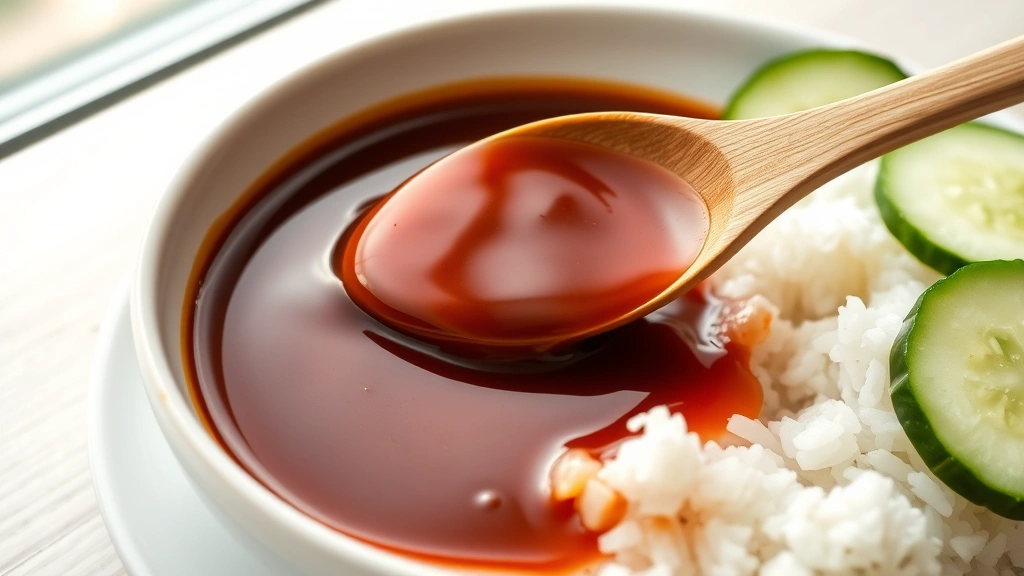
Add water or pineapple juice gradually while stirring, achieving your desired consistency. Katsu sauce should coat the back of a spoon but still flow easily. If you prefer thicker sauce, use less liquid; for thinner consistency, add more. Some cooks prefer using pineapple juice for subtle fruit sweetness that complements the sauce’s existing flavor profile. This step is crucial for achieving the right mouthfeel.
Step 6: Taste and Balance
Reduce heat to low and taste your sauce. This is your opportunity to adjust flavors to preference. Too sweet? Add more vinegar or soy sauce. Too salty? Add sugar or water. Too thin? Simmer for five to ten minutes to reduce and thicken. Too thick? Add water gradually. Professional chefs taste constantly throughout cooking, and you should too. Remember that flavors will develop slightly as the sauce cools.
Step 7: Cool and Store
Remove from heat and allow the sauce to cool completely before transferring to storage containers. As it cools, it will thicken slightly due to natural gelatin and starch interactions. This final texture is ideal for coating katsu. If the cooled sauce seems too thick, simply warm it gently before serving or add a splash of water.
Flavor Variations and Adaptations
While the classic katsu sauce recipe provides an excellent foundation, creative cooks often develop personalized versions that suit their preferences. These variations maintain authenticity while offering unique twists.
Spicy Katsu Sauce
For those who enjoy heat, increase cayenne pepper to 1/2 teaspoon or add 1/2 teaspoon sriracha sauce. Some cooks incorporate a small amount of habanero or Thai chili for more intense heat. This variation pairs beautifully with keto chicken recipes prepared as katsu-style cutlets. The heat complements rich, fried preparations by cutting through heaviness and stimulating appetite.
Fruity Katsu Sauce
Substitute pineapple juice for water and add 1 tablespoon of pineapple juice concentrate for tropical sweetness. Some recipes incorporate mango puree or peach juice for different fruit profiles. These versions work particularly well with seafood katsu or lighter preparations, adding brightness and complexity.
Ginger-Forward Sauce
Increase fresh ginger to 2 teaspoons for more pronounced warmth and spice. This variation appeals to those who enjoy Asian flavors and pairs wonderfully with quick and easy pasta recipes prepared with Asian-style proteins. The ginger adds freshness and helps prevent the sauce from tasting heavy.
Umami-Intensified Version
Add 1/2 teaspoon of dashi powder, miso paste, or additional oyster sauce for deeper umami. This version creates an especially savory sauce ideal for beef or pork katsu. The umami notes become so pronounced that they coat your palate with satisfaction, making smaller sauce quantities feel more impactful.
Lighter, Lower-Sodium Option
Reduce soy sauce and Worcestershire sauce each by half, compensating with additional vinegar and mustard powder. This version suits those monitoring sodium intake while maintaining authentic flavor complexity. The reduced salt actually allows other flavors to shine more distinctly.
Storage and Shelf Life
Proper storage ensures your katsu sauce remains fresh and flavorful for extended periods. Unlike commercial versions with preservatives, homemade sauce requires more careful handling.
Refrigerator Storage
Transfer cooled sauce to an airtight glass container and refrigerate for up to three weeks. Glass containers prevent flavor absorption better than plastic, which can retain odors and discoloration. Always use clean utensils when removing sauce to prevent bacterial contamination. The sauce may thicken further when cold—simply warm it gently before serving if needed.
Freezer Storage
Katsu sauce freezes excellently for up to three months. Portion into ice cube trays for convenient single-serving portions, then transfer frozen cubes to freezer bags. This method allows you to thaw only what you need. Alternatively, freeze in small containers that accommodate typical serving amounts. Thaw in the refrigerator overnight or warm gently over low heat on the stovetop.
Signs of Spoilage
Discard sauce that develops mold, off-odors, or unusual colors. While properly stored sauce is unlikely to spoil, always trust your senses. If something seems wrong, don’t risk it—make fresh sauce instead. Fermented smells or visible separation that doesn’t recombine with stirring indicate spoilage.
Pairing Suggestions
While katsu sauce originated with breaded cutlets, its versatility extends far beyond traditional preparations. Understanding ideal pairings helps you maximize this sauce’s potential across diverse dishes.
Classic Katsu Preparations
Tonkatsu (pork cutlet), chicken katsu, and beef katsu remain the traditional foundations for this sauce. The crispy exterior and tender interior of properly prepared katsu provide the perfect canvas for katsu sauce’s complex flavors. The sauce’s thickness ensures it clings to the breaded surface rather than dripping away.
Rice and Noodle Dishes
Drizzle katsu sauce over steamed rice or noodles for instant flavor enhancement. This preparation works beautifully with healthy crock pot recipes featuring shredded chicken or pork. The sauce transforms simple starches into restaurant-quality dishes with minimal effort.
Vegetable Preparations
Crispy fried eggplant, zucchini, or mushroom cutlets benefit tremendously from katsu sauce. These easy vegan breakfast ideas can be enhanced with katsu sauce for dinner applications. The sauce’s umami notes complement earthy vegetables beautifully, adding savory depth.
Seafood Applications
Fish fillets, shrimp, and scallop cutlets pair wonderfully with katsu sauce, particularly fruity variations. The sauce’s acidity complements seafood’s delicate flavors without overwhelming them. Consider using pineapple juice in the sauce when serving with seafood for harmonious flavor combinations.
Dipping Sauce Alternative
Use katsu sauce as a dipping sauce for appetizers, spring rolls, or fried vegetables. Its thick consistency makes it ideal for dipping preparations, and the complex flavors encourage repeated tasting. Many restaurants serve katsu sauce alongside multiple dishes to showcase its versatility.
Sandwich and Burger Topping
Spread katsu sauce on burgers or sandwiches for Asian-fusion flair. A fried chicken sandwich becomes instantly more interesting with katsu sauce replacing traditional condiments. The sauce’s body and flavor complexity elevate simple handheld meals.
FAQ
Can I use store-bought katsu sauce instead of homemade?
Absolutely. Commercial katsu sauce offers convenience and consistency, though homemade versions typically deliver superior flavor complexity and freshness. If using store-bought sauce, choose reputable Japanese brands available at Asian markets. Store-bought options work perfectly for quick meals when homemade sauce isn’t available.
What’s the difference between katsu sauce and tonkatsu sauce?
Tonkatsu sauce is a specific type of katsu sauce formulated specifically for pork cutlets. The terms are often used interchangeably, though tonkatsu sauce may contain slightly different spice ratios optimized for pork. For practical purposes, the recipes are essentially identical, and you can use either term.
Is katsu sauce the same as okonomiyaki sauce?
While both are Japanese condiments with similar base ingredients, okonomiyaki sauce differs in consistency and proportions. Okonomiyaki sauce is typically thinner and more vinegar-forward, designed for savory pancakes rather than fried cutlets. You can use katsu sauce on okonomiyaki, but the reverse may result in overly thick coating.
Can I make katsu sauce without Worcestershire sauce?
Yes, though the result will taste different. Substitute with an additional tablespoon of soy sauce plus 1/2 teaspoon of vinegar and 1/4 teaspoon of black pepper. This approximates Worcestershire’s complex flavor, though purists prefer authentic recipes using the original ingredient. Serious Eats provides excellent Worcestershire substitutes for those avoiding certain ingredients.
How do I make katsu sauce less sweet?
Reduce sugar or honey by half and increase vinegar by an additional tablespoon. Add an extra 1/2 teaspoon of soy sauce for additional saltiness that balances reduced sweetness. Taste frequently while adjusting, as flavor changes compound quickly when reducing sweeteners.
What’s the best way to serve katsu sauce?
Warm katsu sauce gently before serving, either in a small saucepan or microwave. Serve in individual dipping bowls or drizzle directly over prepared katsu. Some prefer sauce served at room temperature, while others enjoy it warm. Experiment to discover your preference.
Can I make katsu sauce spicy for kids who like heat?
Absolutely. Increase cayenne gradually, tasting frequently to ensure the heat level suits young palates. Start with 1/8 teaspoon and increase by small increments. Alternatively, serve regular sauce alongside a small bowl of spicy variation so each diner controls their heat level.
Does katsu sauce contain gluten?
Traditional recipes use Worcestershire sauce and soy sauce, both of which typically contain gluten. For gluten-free versions, use tamari (gluten-free soy sauce) and gluten-free Worcestershire sauce. Always verify labels, as gluten sources vary by brand. The Coeliac UK organization provides comprehensive gluten information for those with celiac disease.
How do I thicken katsu sauce that’s too thin?
Simmer over medium-low heat for ten to fifteen minutes, stirring occasionally, allowing water to evaporate. Alternatively, mix 1/2 teaspoon cornstarch with 1 tablespoon cold water, then whisk into simmering sauce, stirring constantly until thickened. Allow to cool slightly before using, as the sauce will thicken further as it cools.
Can I use katsu sauce on grilled foods?
Yes, though the sauce works better on fried or crispy preparations where it adheres more easily. You can still drizzle or brush katsu sauce on grilled meats, though it may not coat as effectively. Consider warming the sauce before application to improve adherence to grilled surfaces.
Where can I find quality katsu sauce ingredients?
World Food Market and specialty Asian grocers carry authentic Japanese ingredients including quality soy sauce, oyster sauce, and other components. Regular supermarkets stock most ingredients, though Asian markets typically offer superior quality and variety. Online retailers also provide convenient access to specialty items.
Is katsu sauce naturally vegan?
Traditional recipes contain oyster sauce and Worcestershire sauce, which include fish products, making them non-vegan. For vegan versions, substitute oyster sauce with mushroom-based sauce and use vegan Worcestershire sauce. The resulting sauce remains delicious and maintains authentic flavor complexity despite these substitutions.


