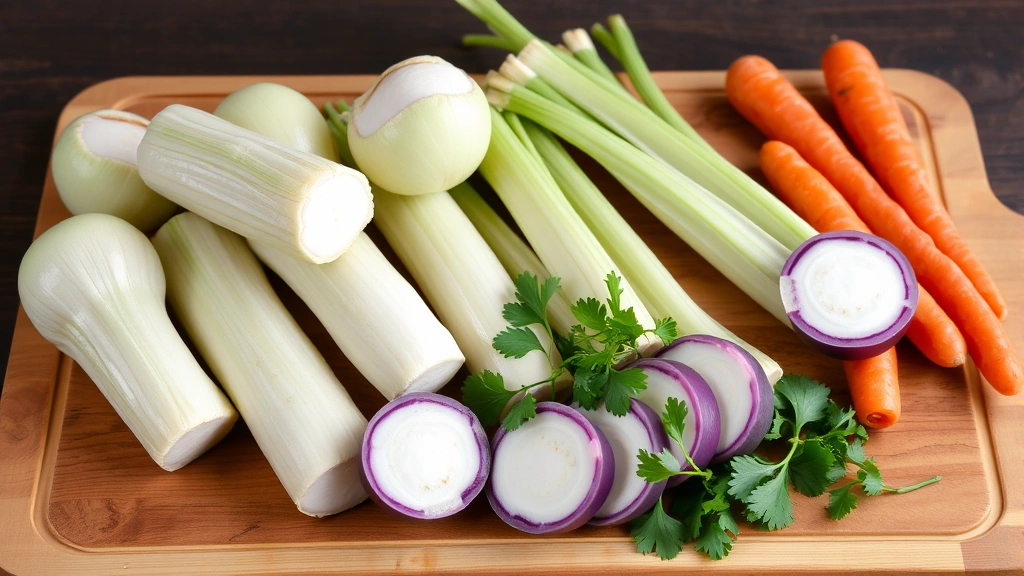
Kohlrabi Slaw Recipe: Chef-Approved Delight
Kohlrabi is one of the most underrated vegetables in modern kitchens, yet chefs worldwide are rediscovering its crisp texture and subtle, slightly sweet flavor. This kohlrabi slaw recipe transforms this humble cruciferous vegetable into a vibrant, crunchy side dish that pairs beautifully with grilled meats, Asian cuisine, and hearty comfort foods. Unlike traditional cabbage slaws, kohlrabi offers a delicate crunch and mild taste that doesn’t overpower other flavors on the plate.
Whether you’re planning a backyard barbecue to serve alongside smoked ribs or looking for a fresh accompaniment to char siu, this kohlrabi slaw delivers restaurant-quality results at home. The recipe is naturally low-carb, making it an excellent choice for health-conscious cooks. Plus, kohlrabi contains impressive amounts of vitamin C and fiber, contributing to foods rich in antioxidants that support overall wellness.
What is Kohlrabi and Why Use It for Slaw
Kohlrabi, whose name derives from the German words for cabbage (kohl) and turnip (rabi), is a member of the Brassica family alongside broccoli, cauliflower, and cabbage. The vegetable features a bulbous stem that grows above ground, with tender leaves sprouting from the top. This unique structure makes it distinctly different from other slaw staples, offering a texture that’s simultaneously crisp and tender when raw.
The flavor profile of kohlrabi is mild and slightly sweet, with undertones reminiscent of broccoli stems but far more delicate. This makes it an ideal canvas for bold dressings and complementary flavors. When sliced thin, kohlrabi becomes incredibly crunchy, maintaining its texture even hours after dressing, unlike cabbage which can become soft and watery. Professional chefs appreciate kohlrabi for its versatility and the visual appeal its pale green or purple varieties bring to the plate.
Nutritionally, kohlrabi punches above its weight. A single cup of raw kohlrabi contains only 36 calories while providing substantial amounts of vitamin C, potassium, and dietary fiber. It’s an excellent source of glucosinolates, compounds being studied for their potential anti-cancer properties. For those seeking low-carb dinner options, kohlrabi slaw is a game-changer that doesn’t sacrifice flavor or satisfaction.
Ingredients You’ll Need
For the Slaw Base:
- 3 medium kohlrabi bulbs (about 1.5 pounds), peeled and julienned
- 2 medium carrots, julienned or grated
- 1/4 small red onion, thinly sliced
- 1/4 cup fresh cilantro or parsley, finely chopped
- 2 tablespoons roasted unsalted peanuts, crushed (optional)
- 1 teaspoon sea salt (for initial seasoning)
For the Classic Vinaigrette Dressing:
- 3 tablespoons rice vinegar or apple cider vinegar
- 2 tablespoons extra-virgin olive oil
- 1 tablespoon honey or maple syrup
- 1 teaspoon Dijon mustard
- 1 clove garlic, minced
- 1/2 teaspoon ginger, grated
- 1/4 teaspoon red pepper flakes (adjust to taste)
- Sea salt and freshly ground black pepper to taste
When selecting kohlrabi at the market, choose bulbs that feel firm and heavy for their size, with tender, unblemished skin. Smaller bulbs (tennis ball-sized) tend to be more tender than larger specimens. Fresh kohlrabi should have vibrant green or purple coloring depending on variety.
Step-by-Step Preparation Guide
Step 1: Prepare the Kohlrabi
Begin by rinsing your kohlrabi bulbs thoroughly under cool running water to remove any soil. Pat them dry with paper towels. Using a sharp vegetable peeler or knife, remove the thick outer skin, which can be slightly woody. Cut the bulbs in half, then into quarters to make slicing easier. The most efficient method is using a mandoline slicer set to 1/8-inch thickness, then cutting the slices into thin matchsticks. Alternatively, use the julienne blade on a box grater or a julienne peeler for consistent results. Work carefully to avoid injury—mandolines are excellent tools but require respect and proper technique.
Step 2: Prepare Supporting Vegetables
Julienne your carrots using the same method as the kohlrabi for visual consistency. If using a mandoline, slice them lengthwise first to create long, thin pieces. For the red onion, slice it paper-thin against the grain to minimize harshness and create a more pleasant texture. The thin slices will soften slightly as they sit in the dressing, mellowing their sharp bite.
Step 3: Salt and Rest the Vegetables
Place your julienned kohlrabi in a large mixing bowl and sprinkle with one teaspoon of sea salt. Toss well to distribute the salt evenly. Let the vegetables sit for 5-10 minutes. This process, called “salting,” draws out excess moisture and begins to soften the vegetables slightly while concentrating their flavors. After resting, add the carrots, red onion, and fresh herbs. Gently toss everything together to combine.
Step 4: Prepare the Dressing
In a small bowl or jar, whisk together your vinegar, olive oil, honey, and Dijon mustard. Add the minced garlic, grated ginger, and red pepper flakes. Whisk vigorously until the dressing is well emulsified and the honey is fully dissolved. Taste and adjust seasonings—the dressing should be balanced between acidic, sweet, and savory notes. If it’s too sharp, add a touch more honey. If too sweet, add a splash more vinegar.
Step 5: Combine and Marinate
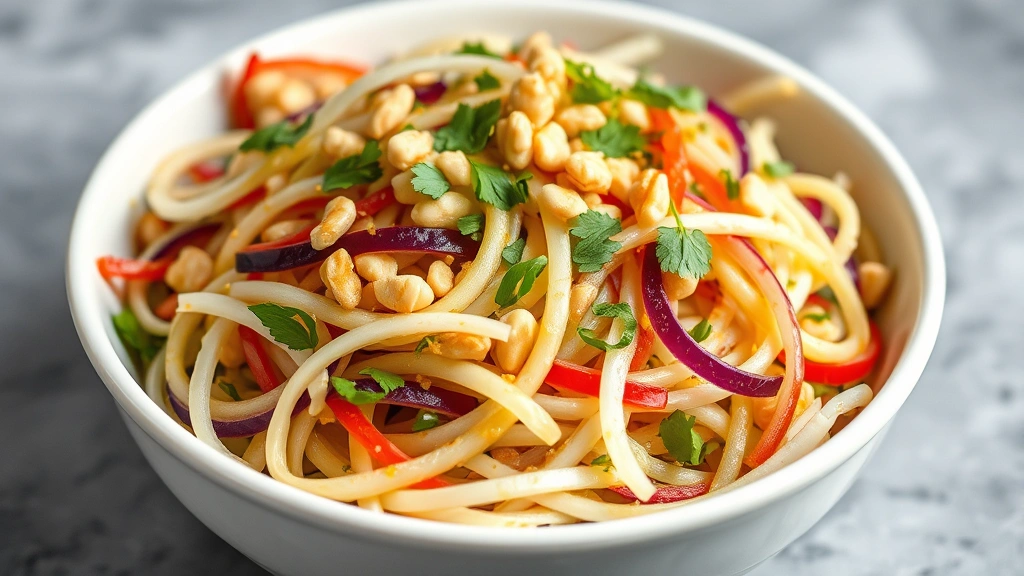
Pour your dressing over the prepared vegetables and toss gently but thoroughly, ensuring every strand of kohlrabi is coated. For best flavor development, let the slaw sit at room temperature for 15-20 minutes before serving. This allows the flavors to meld and the vegetables to absorb the dressing. If preparing ahead, refrigerate in an airtight container for up to 24 hours. The slaw actually improves as it sits, with flavors becoming more integrated and pronounced.
Dressing Options and Flavor Variations
While the classic vinaigrette is excellent, this kohlrabi slaw recipe accommodates numerous dressing styles that cater to different cuisines and preferences.
Asian-Inspired Sesame Dressing
For an Asian twist, replace the olive oil with toasted sesame oil (use half the amount as it’s intensely flavored), substitute rice vinegar with rice wine vinegar, and add one tablespoon of low-sodium soy sauce and one teaspoon of sesame seeds. This dressing pairs beautifully when serving alongside tom yum soup or other Southeast Asian dishes. The nutty sesame flavor complements kohlrabi’s delicate sweetness perfectly.
Creamy Coconut Lime Dressing
Combine three tablespoons of coconut milk, two tablespoons of lime juice, one tablespoon of fish sauce (or tamari for vegetarian), one teaspoon of honey, and minced Thai chili for heat. This tropical variation works wonderfully with grilled seafood and brings brightness to rich, heavy mains. The creaminess balances kohlrabi’s natural crunch.
Spiced Curry Dressing
Whisk together three tablespoons of Greek yogurt, two tablespoons of lime juice, one tablespoon of olive oil, and one-half teaspoon of curry powder. Add minced garlic and ginger for depth. This dressing creates a slaw that’s both tangy and aromatic, perfect for Indian-inspired meals or as a cooling accompaniment to spicy curries.
Herb-Forward Fresh Dressing
Blend together one-quarter cup fresh basil or mint, two tablespoons of parsley, one clove garlic, three tablespoons of olive oil, two tablespoons of lemon juice, and one tablespoon of apple cider vinegar. This bright, herbaceous option celebrates the vegetables’ natural flavors and works with nearly any cuisine.
Serving Suggestions and Pairings
The versatility of kohlrabi slaw makes it an invaluable addition to your cooking repertoire. Consider these serving ideas to maximize its potential:
Protein Pairings
Kohlrabi slaw’s crisp texture and mild flavor make it an ideal complement to rich, smoky proteins. Serve it alongside smoked ribs to cut through the richness and refresh the palate between bites. The slaw’s acidity brightens fatty meats beautifully. It’s equally excellent with char siu pork, where the sweet-savory meat benefits from the slaw’s fresh crunch. For seafood lovers, kohlrabi slaw pairs wonderfully with grilled fish, particularly oily varieties like salmon or mackerel.
Taco and Sandwich Filling
Use kohlrabi slaw as a topping for fish tacos, pulled pork sandwiches, or banh mi. Its textural contrast and refreshing flavor elevate simple preparations into memorable meals. The slaw won’t wilt quickly like traditional coleslaw, maintaining its crunch throughout eating.
Salad Integration
Mix kohlrabi slaw into grain bowls with quinoa, farro, or brown rice. Add roasted vegetables, legumes, and a protein of choice for a complete, nutritious meal. The slaw adds textural interest and prevents grain bowls from becoming monotonous.
Picnic and Potluck Star
Unlike traditional coleslaw that becomes soggy, kohlrabi slaw maintains its texture and appeal for hours, making it ideal for outdoor gatherings and potluck situations. Pack it in a sealed container and dress just before serving, or bring the components separately and assemble on-site.
Storage and Make-Ahead Tips
Refrigerator Storage
Properly stored kohlrabi slaw keeps for up to three days in the refrigerator, though it’s best consumed within 24 hours for optimal texture and flavor. Store in an airtight container or sealed glass bowl. If excess liquid accumulates, drain it before serving to prevent the slaw from becoming mushy.
Make-Ahead Strategy
For convenience, prepare the kohlrabi, carrots, and onion the day before, storing them in separate containers in the refrigerator. This prevents the vegetables from oxidizing or becoming discolored. Prepare your dressing separately and combine everything 30 minutes before serving. This approach ensures maximum freshness and crisp texture.
Freezing Considerations
Freezing is not recommended for prepared kohlrabi slaw as the vegetables’ texture will become mushy upon thawing. However, you can freeze raw, peeled kohlrabi bulbs for up to three months if you won’t use them immediately. Thaw in the refrigerator before preparing slaw.
Ingredient Prep Ahead
Julienne your vegetables up to 24 hours in advance, storing them in airtight containers with a damp paper towel to maintain crispness. The paper towel prevents them from drying out while allowing excess moisture to escape. This prep work makes assembly effortless when you’re ready to serve.
Flavor Development Over Time
Interestingly, kohlrabi slaw often tastes better the next day as flavors meld and the vegetables soften slightly while remaining fundamentally crisp. If making for an event, prepare it the morning of and let it rest in the refrigerator. The flavors will be more integrated, and the texture will be perfect.
FAQ
What if I can’t find kohlrabi at my grocery store?
Kohlrabi is increasingly available in mainstream supermarkets, but if your store doesn’t carry it, check farmers markets or specialty produce shops. You can order it online from specialty produce retailers. In a pinch, substitute with broccoli stems (peeled and sliced), celery root, or daikon radish, though the flavor will differ slightly. These alternatives offer similar crisp texture and mild flavor profiles.
Can I make this slaw vegan or dairy-free?
The classic vinaigrette version is already vegan and dairy-free. If using the creamy coconut lime dressing, it’s naturally vegan. For a creamy dressing without dairy or coconut, blend silken tofu with lime juice, garlic, and herbs for a rich, protein-packed option.
How do I prevent kohlrabi from turning brown after cutting?
Kohlrabi doesn’t oxidize as quickly as some vegetables, but to be safe, cut it just before serving or toss cut pieces with a small amount of lemon juice or vinegar to prevent browning. Store cut kohlrabi in a sealed container in the refrigerator.
Is kohlrabi slaw suitable for meal prep?
Yes, it’s excellent for meal prep. Prepare the vegetables separately and store them in individual containers. Dress portions as needed throughout the week. The undressed vegetables will keep for up to five days, making this an efficient choice for busy schedules.
What varieties of kohlrabi work best for this recipe?
Both green and purple kohlrabi varieties work equally well, with purple varieties offering slightly earthier flavor and beautiful color contrast. Choose smaller bulbs (tennis ball to orange-sized) for the most tender, delicate flavor. Larger bulbs can be tougher and more fibrous.
Can I add other vegetables to this slaw?
Absolutely. Consider adding thinly sliced radishes, shredded daikon, julienned beets, or sliced bell peppers. Tender greens like mizuna or arugula can be mixed in just before serving. Keep proportions balanced so kohlrabi remains the star ingredient.
What’s the best way to slice kohlrabi evenly?
A mandoline slicer produces the most consistent results and creates the characteristic thin, delicate texture that makes kohlrabi slaw special. If you don’t have one, a sharp knife works well—just practice your knife skills to ensure even slices. The julienne blade on a box grater is another reliable option.


