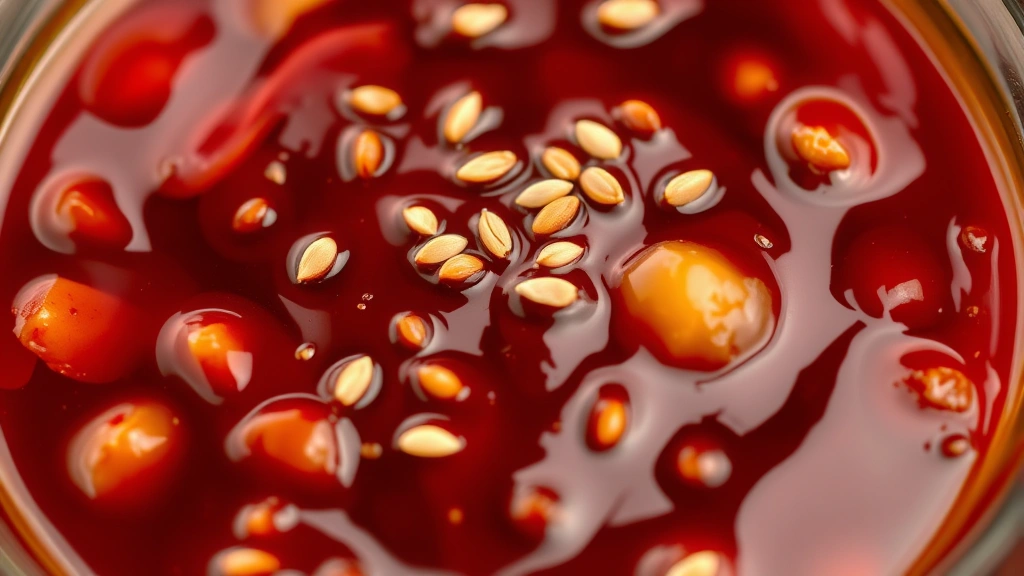
Korean BBQ Sauce Recipe: Authentic Taste at Home
Korean barbecue has captivated food lovers worldwide, and at the heart of this culinary magic lies the sauce. A proper Korean BBQ sauce recipe transforms simple grilled meats into restaurant-quality dishes bursting with umami, sweetness, and complexity. Whether you’re marinating beef bulgogi, glazing grilled chicken, or dipping perfectly charred pork belly, the sauce makes all the difference.
The beauty of Korean BBQ sauce lies in its balance—combining soy sauce’s saltiness, pear or apple’s natural sweetness, garlic’s pungency, and sesame oil’s nutty richness. This traditional sauce, known as galbijang or bulgogi sauce, has been perfected over generations. Today, I’m sharing my authentic recipe that delivers that genuine Korean BBQ experience without requiring specialty ingredients you can’t find.
Making your own sauce ensures you control the quality and flavor intensity. Store-bought versions often contain excessive sodium and artificial additives. When you craft this sauce at home, you’ll understand why Korean BBQ restaurants guard their recipes so carefully.
Essential Ingredients for Authentic Korean BBQ Sauce
Understanding each ingredient’s role is crucial for mastering this Korean BBQ sauce recipe. The foundation begins with quality soy sauce, which provides the savory base. Use regular soy sauce rather than tamari or low-sodium varieties, as the salt content is intentional for proper flavor development.
Soy sauce (½ cup): The backbone of your sauce, delivering umami and saltiness. Korean soy sauce works beautifully, but Japanese soy sauce is equally accessible and produces excellent results.
Pear or apple (1 medium, about 150g): This ingredient distinguishes authentic Korean BBQ sauce from other Asian marinades. The natural enzymes in pear actually tenderize meat while adding subtle sweetness. If using apple, choose a variety like Granny Smith for less sugar.
Garlic (6-8 cloves, minced): Garlic provides aromatic depth and has natural antimicrobial properties beneficial for food preservation. Fresh garlic always outperforms jarred varieties in this application.
Sesame oil (3 tablespoons): This nutty, toasted oil adds richness and complexity. Use dark sesame oil (toasted) rather than light sesame oil for maximum flavor impact. A little goes a long way.
Brown sugar (3 tablespoons): Balances the sauce’s saltiness with caramelized sweetness. Brown sugar dissolves more smoothly than white sugar and adds slight molasses notes.
Ginger (1 tablespoon, minced): Fresh ginger adds warmth and aids digestion. Avoid powdered ginger, which tastes dusty by comparison.
Rice vinegar (2 tablespoons): Adds brightness and slight acidity to prevent the sauce from becoming cloying.
Sesame seeds (1 tablespoon): Provides textural contrast and visual appeal. Toast them lightly for enhanced flavor.
Black pepper (½ teaspoon): Freshly ground pepper adds subtle heat and complexity.
Optional additions: Some recipes include mirin (sweet rice wine), honey, or a pinch of red pepper flakes for heat. These additions are entirely optional but can enhance your personal preference.
Step-by-Step Preparation Guide
Creating an authentic Korean BBQ sauce requires attention to detail and proper technique. This isn’t a complicated process, but each step matters for achieving that signature restaurant flavor.
Preparing Your Base
Start by peeling your pear or apple and removing the core. Cut the fruit into chunks roughly 1-2 inches in size. This sizing allows the fruit to blend smoothly while maximizing surface area for better flavor extraction. Place the fruit chunks in a blender with ¼ cup of the soy sauce (reserving the remaining ¼ cup for later).
Blend until completely smooth, creating a puree consistency. This puree serves as your sauce’s foundation, providing both sweetness and the tenderizing enzymes Korean BBQ relies upon. If your blender struggles, add 2-3 tablespoons of water to facilitate blending.
Combining Aromatics
Mince your garlic and ginger finely. Many cooks use a microplane or fine grater for ginger, which creates a more integrated texture than knife-minced ginger. Add these aromatics to a medium mixing bowl. Pour the fruit puree into the bowl with the garlic and ginger, stirring to combine.
The aromatics will gradually infuse into the puree. This step typically takes 2-3 minutes of gentle stirring. You’ll notice the mixture becoming more fragrant as the garlic and ginger oils release into the sauce.
Building Flavor Layers
Add the remaining ¼ cup of soy sauce to your mixture. Pour in the dark sesame oil slowly while stirring constantly. Sesame oil is potent, and gradual incorporation ensures even distribution rather than creating concentrated pockets of flavor.
Add brown sugar, rice vinegar, and black pepper. Stir thoroughly until the brown sugar dissolves completely. This should take about 1-2 minutes of consistent stirring. You shouldn’t see any sugar crystals remaining.
Final Assembly
Toast your sesame seeds in a dry skillet over medium heat for 1-2 minutes, shaking occasionally. Toasting brings out their nutty flavor significantly. Transfer the toasted seeds to your sauce and stir well.
Taste your sauce at this point. The flavor should be balanced—savory from soy sauce, sweet from the pear and brown sugar, aromatic from garlic and ginger, with nutty undertones from sesame. If it tastes too salty, add a tablespoon of rice vinegar. If too sweet, add ½ tablespoon of soy sauce.
Let the sauce rest at room temperature for 15-20 minutes before using. This resting period allows flavors to meld and develop. The sauce will thicken slightly as it cools.
Flavor Variations and Customizations
While the classic Korean BBQ sauce recipe is perfect as-is, understanding variations helps you tailor sauce to specific meats and preferences. Different Korean regional cuisines offer distinct sauce profiles.
Spicy Korean BBQ Sauce
For heat lovers, add 1-2 tablespoons of gochujang (Korean red chili paste) or ½ teaspoon of gochugaru (Korean red chili flakes). Add these gradually, tasting as you go, since chili heat intensifies over time. Gochujang adds both heat and complex fermented flavors that deepen the sauce considerably.
Sweet and Sticky Variation
Increase brown sugar to 4-5 tablespoons and add 2 tablespoons of honey. This version works beautifully for chicken preparations and creates a glossy glaze when brushed onto meat during the final minutes of grilling.
Lighter, Fresher Version
Reduce brown sugar to 2 tablespoons and add juice from ½ lime or lemon plus 1 tablespoon of fresh cilantro. This variation suits seafood and lighter proteins beautifully.
Umami-Boosted Sauce
Add 1 tablespoon of mirin (sweet rice wine) and 1 teaspoon of dashi powder. These additions intensify the umami savory notes, making the sauce incredibly complex and restaurant-quality.
Best Meats for Korean BBQ Sauce
This sauce pairs exceptionally well with specific cuts and proteins. Understanding which meats benefit most from your Korean BBQ sauce ensures maximum deliciousness.
Beef Options
Thinly sliced ribeye or New York strip (the traditional bulgogi cuts) are ideal. The marbling in these cuts absorbs the sauce beautifully while maintaining tenderness. Slice beef ¼-inch thick against the grain. Marinate for 2-4 hours in the refrigerator before grilling.
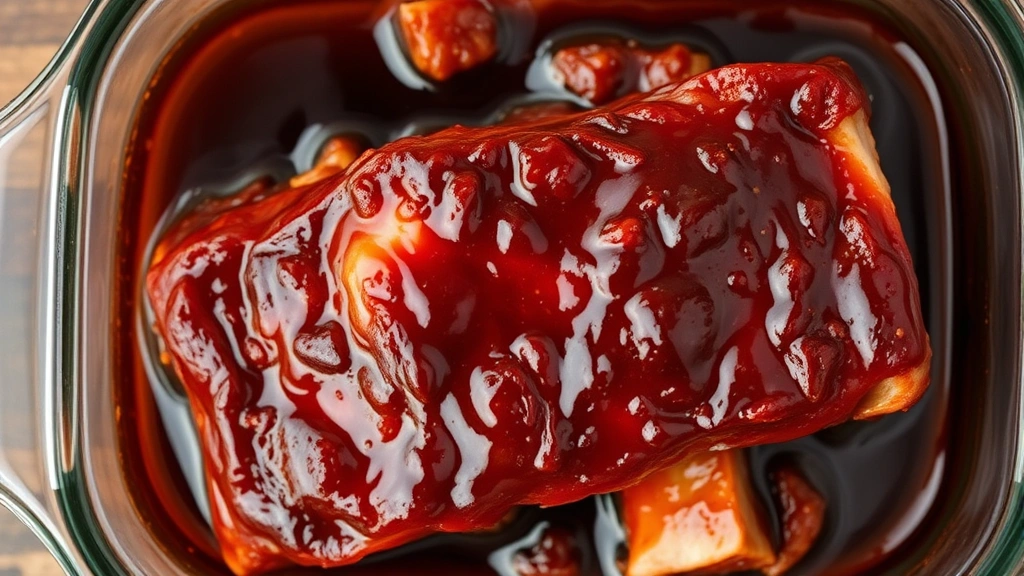
Short ribs (galbi) benefit tremendously from this sauce. The bone adds richness, while the meat’s texture allows deep marinade penetration. Marinate galbi for 6-8 hours or overnight for optimal tenderness and flavor development.
Pork Selections
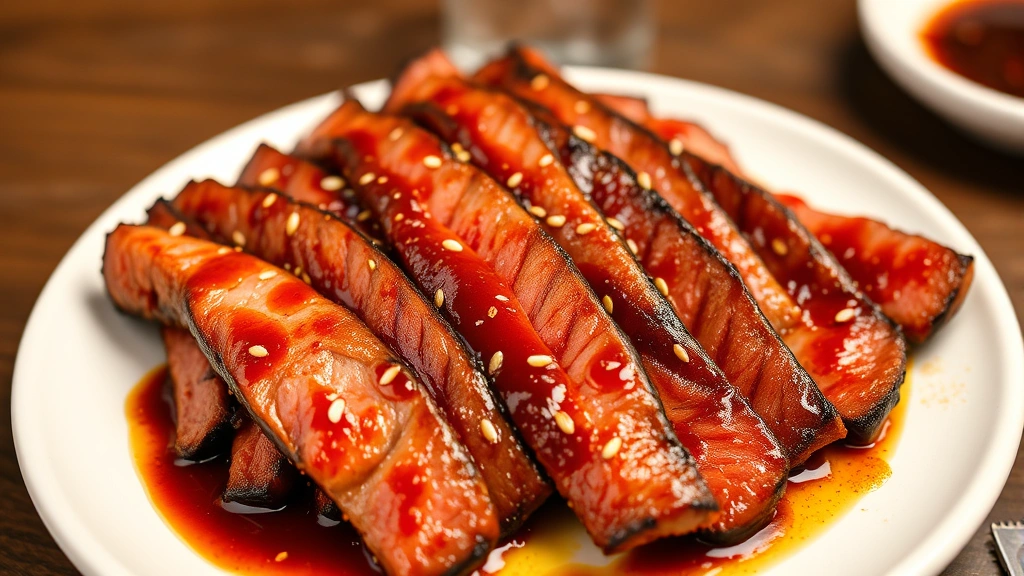
Pork belly is perhaps the most iconic Korean BBQ protein. Its fat content means it won’t dry out, and the sauce’s sweetness complements the richness perfectly. Cut into ¼-inch slices and marinate for 4-6 hours.
Pork shoulder or Boston butt, when sliced thin, also works wonderfully. This more economical cut becomes incredibly tender when marinated properly.
Chicken Applications
Chicken thighs (not breasts, which dry easily) respond beautifully to this marinade. The sauce’s enzymes from the pear tenderize the meat while preventing moisture loss. Marinate chicken thighs for 3-6 hours.
For slow-cooked applications, this sauce works as a braising liquid, creating incredibly tender, flavorful results.
Seafood Possibilities
While less traditional, this sauce works beautifully with shrimp and other seafood. Use a lighter version (reduced soy sauce to ⅓ cup) since seafood is more delicate. Marinate for only 30-45 minutes to prevent the acid from over-cooking the proteins.
Storage and Make-Ahead Tips
Proper storage extends your sauce’s shelf life significantly. Store in an airtight glass container in the refrigerator for up to two weeks. The sauce actually improves after 2-3 days as flavors continue melding.
For longer storage, freeze the sauce in ice cube trays. Once frozen solid, transfer cubes to freezer bags. Individual portions thaw quickly and maintain quality for up to three months.
Making sauce several days ahead is actually advantageous. The flavors develop deeper complexity over time. Keep portions of sauce separate from marinating meat—use one portion for marinating, reserve another for serving, preventing cross-contamination with raw meat juices.
When using marinade for serving sauce, briefly heat it to 165°F to eliminate any potential pathogens from contact with raw meat. This simple safety step ensures delicious, food-safe results.
Common Mistakes to Avoid
Even experienced cooks sometimes make missteps with this Korean BBQ sauce recipe. Understanding common pitfalls prevents disappointing results.
Over-Marinating
While marinating longer than recommended won’t ruin meat, it can make texture mushy, particularly with thinner cuts. The pear’s enzymes are powerful; respect marinating timeframes. Overnight marinating works for thick cuts like galbi, but thin slices need only 4-6 hours maximum.
Using Processed Fruit
Canned pear or apple juice won’t provide the same enzymatic tenderizing action as fresh fruit. The heat processing in canned products denatures these beneficial enzymes. Always use fresh fruit for authentic results.
Skipping the Resting Period
Using sauce immediately after mixing prevents flavor integration. Those 15-20 minutes of resting time allow garlic and ginger oils to fully permeate the sauce, creating a more cohesive flavor profile.
Improper Sesame Oil Selection
Light sesame oil (pressed from raw seeds) tastes bland and misses the sauce entirely. Dark sesame oil (from toasted seeds) provides the signature nutty flavor. Check your bottle—it should be dark amber, almost brown.
Not Tasting and Adjusting
Every soy sauce brand tastes slightly different. Some are saltier, others sweeter. Always taste your finished sauce and adjust accordingly. This small step ensures your sauce tastes perfect rather than following instructions blindly.
Overcooking Marinated Meat
The sauce’s sugars caramelize at high heat, potentially burning if meat cooks too long. Use medium-high heat and watch carefully. Meat should develop a light char, not blackened areas. For steak applications, quick, hot cooking prevents sugar burning while achieving perfect doneness.
FAQ
Can I make Korean BBQ sauce without a blender?
Yes, though results are less smooth. Finely grate your pear or apple using a box grater or microplane, then strain through fine-mesh sieve to remove excess juice. Combine the grated fruit puree with other ingredients as directed. The texture will be slightly grainier but flavor remains authentic.
Is this sauce gluten-free?
Not inherently, since most soy sauce contains wheat. Use tamari or gluten-free soy sauce as a 1:1 substitute. All other ingredients are naturally gluten-free. Always verify your specific brand’s certification if cooking for someone with celiac disease.
What’s the difference between bulgogi sauce and galbi sauce?
Technically, bulgogi (thin sliced beef) and galbi (short ribs) use slightly different sauces. Galbi sauce is often slightly sweeter and thicker to cling to thicker meat pieces. This recipe works beautifully for both, though you can increase brown sugar by 1 tablespoon specifically for galbi.
Can I use this sauce as a cooking sauce rather than marinade?
Absolutely. Use it as a braising liquid for slow cooker recipes or brush it onto grilling meat during the final 2-3 minutes of cooking. When using as a finishing glaze, reserve some uncontaminated sauce before marinating raw meat.
How do I prevent the sauce from burning during grilling?
The pear and brown sugar caramelize at high temperatures. Grill meat over medium-high heat rather than maximum heat. Add sauce during the last 2-3 minutes of cooking, or brush it on after removing meat from heat. This approach prevents burning while still achieving caramelization.
What if my sauce is too thick?
Add rice vinegar or soy sauce 1 tablespoon at a time, stirring well, until you reach desired consistency. The sauce should coat a spoon but flow readily. Thinner sauce penetrates meat better for marinating; thicker sauce works better as a table condiment.
Can I substitute the pear with other fruits?
Apple works perfectly as mentioned. Kiwi, papaya, or pineapple also contain meat-tenderizing enzymes. However, pineapple is significantly stronger—use only ½ cup. These alternatives slightly change flavor profiles but maintain authentic technique.
Is this recipe suitable for high-protein cooking applications?
Yes, this sauce works beautifully with lean proteins. The pear’s enzymes and sauce’s moisture prevent lean meats from drying during cooking. Marinate longer (4-6 hours) with lean proteins to maximize tenderness benefits.
How do I make this sauce spicier without gochujang?
Add fresh red chili peppers (minced), cayenne pepper, or sriracha. Start with ¼ teaspoon cayenne and increase gradually, tasting as you go. Fresh chilies provide the most authentic heat with complex flavor.
Can I make a large batch for meal prep?
Definitely. This recipe multiplies easily. Make 3-4 times the batch and portion into glass containers or freezer bags. Properly stored, it keeps 2 weeks refrigerated or 3 months frozen. Having homemade Korean BBQ sauce ready transforms weeknight grilling into restaurant-quality meals.
What’s the best way to apply sauce when grilling?
For thin cuts (bulgogi), marinate the full time in the sauce before grilling. For thicker cuts (galbi, pork belly), marinate, then brush additional sauce during the final 2-3 minutes of cooking. This two-step approach maximizes flavor penetration while preventing burning.
Does this sauce work for vegetarian grilling?
Absolutely. Use it with grilled portobello mushrooms, eggplant, zucchini, or halloumi cheese. The sauce’s umami-rich soy base works beautifully with vegetables’ natural flavors, creating satisfying vegetarian Korean BBQ experiences.


