How to Use Lemon Balm: Herbalist Tips and Culinary Applications
Lemon balm is one of the most versatile and underutilized herbs in the kitchen and apothecary. With its bright, citrusy aroma and gentle flavor, this member of the mint family deserves a permanent place in your herb garden and your cooking repertoire. Whether you’re crafting nutritious and delicious meals or preparing soothing herbal remedies, lemon balm offers remarkable versatility that extends far beyond simple garnishes.
The beauty of lemon balm lies in its accessibility and multiple uses. Fresh or dried, this herb brings complexity to beverages, desserts, savory dishes, and traditional remedies. Herbalists have valued lemon balm for centuries, recognizing its calming properties and digestive benefits. If you’ve never explored the full potential of this remarkable plant, you’re missing out on one of nature’s most delightful ingredients.
Understanding Lemon Balm: Origins and Characteristics
Lemon balm, scientifically known as Melissa officinalis, originated in western Asia and the Mediterranean region. The name “melissa” comes from the Greek word for bee, as these pollinators are particularly attracted to the plant’s delicate flowers. Medieval monks cultivated lemon balm in monastery gardens, valuing it for both culinary and medicinal purposes. The herb has been documented in herbals dating back to the 1600s, where it was recommended for anxiety, digestion, and general wellness.
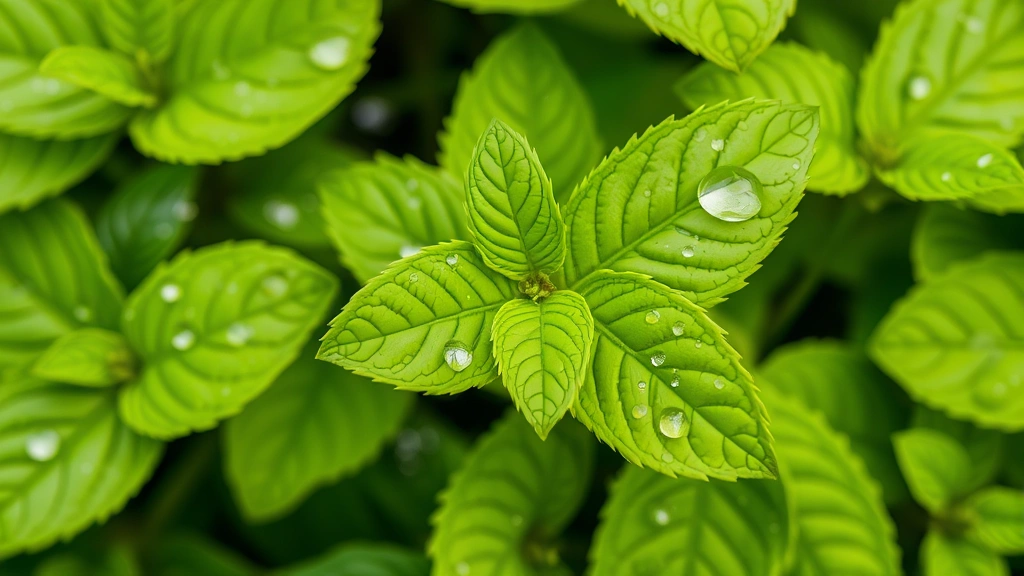
This perennial herb grows as a bushy plant with soft, textured leaves that release an unmistakable lemon fragrance when touched. The leaves are oval-shaped with a slightly wrinkled surface and prominent veins. Unlike some aggressive herbs, lemon balm maintains a gentle, approachable flavor profile that complements rather than overpowers dishes. The plant produces tiny white, pink, or pale purple flowers that bloom throughout the growing season, adding both visual interest and edible garnish potential to your garden and kitchen.
Understanding the plant’s characteristics helps you use it more effectively. The flavor intensity varies depending on growing conditions, harvest timing, and preparation method. Young leaves tend to be more delicate and aromatic, while mature leaves develop deeper, more pronounced lemon notes. This knowledge allows you to select the right plant material for your specific culinary or medicinal application.
Harvesting and Preparing Fresh Lemon Balm
Proper harvesting techniques maximize both flavor and plant health. The best time to harvest lemon balm is in the morning, after the dew has dried but before the day’s heat intensifies the plant’s volatile oils. Pinch off leaves from the top of the stems, working downward. This encourages bushier growth and prevents the plant from flowering too quickly. For easy recipes for beginners, fresh lemon balm requires minimal preparation.
When harvesting larger quantities, cut stems about one-third of the way down from the top. This approach yields more material while still promoting healthy plant regeneration. You can harvest lemon balm throughout the growing season, typically from spring through fall in most climates. The plant’s ability to regrow makes it an excellent perennial for continuous harvesting.
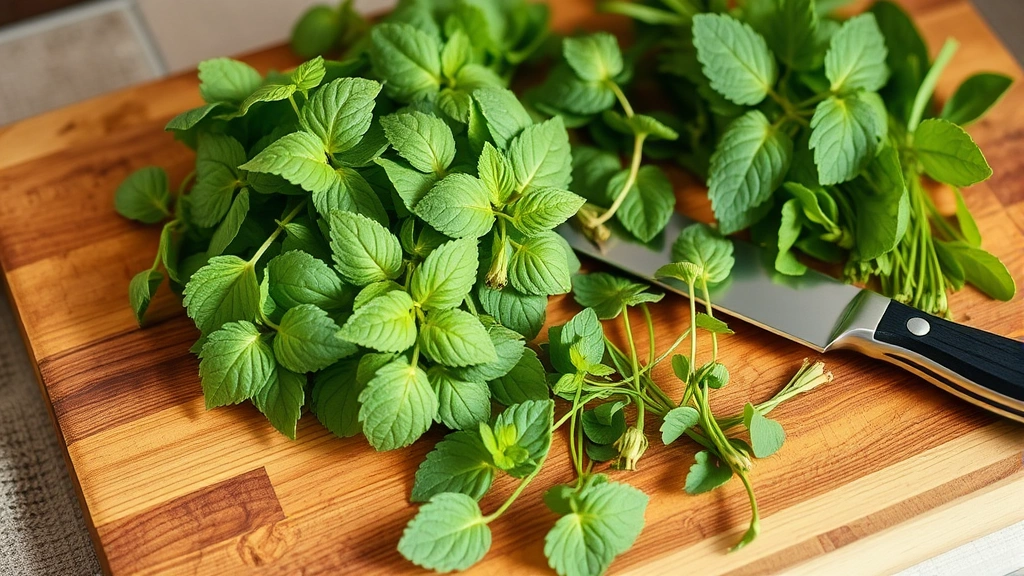
To prepare fresh leaves, gently rinse them under cool water and pat dry with a clean kitchen towel or paper towels. Moisture left on the leaves can cause rapid deterioration. Remove leaves from the stems if you prefer, though tender young stems are edible and flavorful. For applications like tea or infusions, leaving leaves on stems actually helps them steep more evenly and makes removal easier.
If you’re using lemon balm immediately in salads, beverages, or as garnish, the preparation is straightforward. Simply tear or chop the leaves as needed. For cooked applications, add lemon balm near the end of cooking to preserve its delicate flavor and aromatic compounds. The herb’s volatile oils are heat-sensitive, so prolonged cooking diminishes its characteristic brightness.
Creating Lemon Balm Recipes and Culinary Uses
Lemon balm shines in both sweet and savory applications, making it remarkably adaptable to various cuisines. One of the most straightforward uses involves creating refreshing beverages. Lemon balm tea is simply prepared by steeping fresh or dried leaves in hot water for 5-10 minutes. The resulting infusion offers a naturally sweet, citrusy flavor without any bitterness. Cold lemon balm tea becomes a perfect summer refreshment when chilled and served over ice with fresh fruit.
For cocktail enthusiasts, lemon balm acts as an excellent muddled ingredient in drinks. The herb pairs beautifully with spirits like gin, vodka, and rum, adding complexity without overwhelming the drink. Create a simple lemon balm simple syrup by simmering equal parts sugar and water with a generous handful of fresh leaves, then straining and cooling. This syrup elevates both alcoholic and non-alcoholic beverages with its herbaceous sweetness.
Incorporating lemon balm into homemade salad dressings brings surprising elegance to simple greens. Blend fresh lemon balm leaves into vinaigrettes for a bright, herbal note. The herb complements both light vinegars and heavier oils, making it versatile across different dressing styles. Try whisking finely chopped lemon balm into mayonnaise for an herbaceous sandwich spread, or mixing it into softened butter for compound butter that’s perfect on fish, vegetables, or warm bread.
Dessert applications showcase lemon balm’s sweeter side. The herb pairs exceptionally well with berries, stone fruits, and citrus. Create a lemon balm panna cotta by infusing the herb directly into the cream before setting. For simpler applications, scatter fresh leaves over fruit salads, whipped cream, or ice cream just before serving. Lemon balm complements chocolate surprisingly well; try steeping leaves in warm chocolate ganache for a sophisticated dessert sauce.
Savory dishes benefit from lemon balm’s subtle brightness. Add finely chopped fresh leaves to fish preparations, chicken marinades, or vegetable sides. The herb works particularly well with delicate proteins where its flavor won’t be lost. For soups, stir in fresh lemon balm just before serving to maintain its aromatic qualities. Consider pairing lemon balm with traditional quick and easy pasta recipes by tossing it with warm pasta, olive oil, and seasonal vegetables for an herbaceous take on simple preparations.
Lemon balm butter makes an exceptional finishing touch for grilled vegetables, fish, or bread. Simply blend softened butter with finely minced lemon balm leaves, a squeeze of lemon juice, and a pinch of sea salt. Form into a log using plastic wrap, refrigerate, and slice into rounds as needed. This preparation method preserves the herb’s delicate flavor while creating a versatile ingredient for multiple applications.
Herbal Remedies and Health Benefits
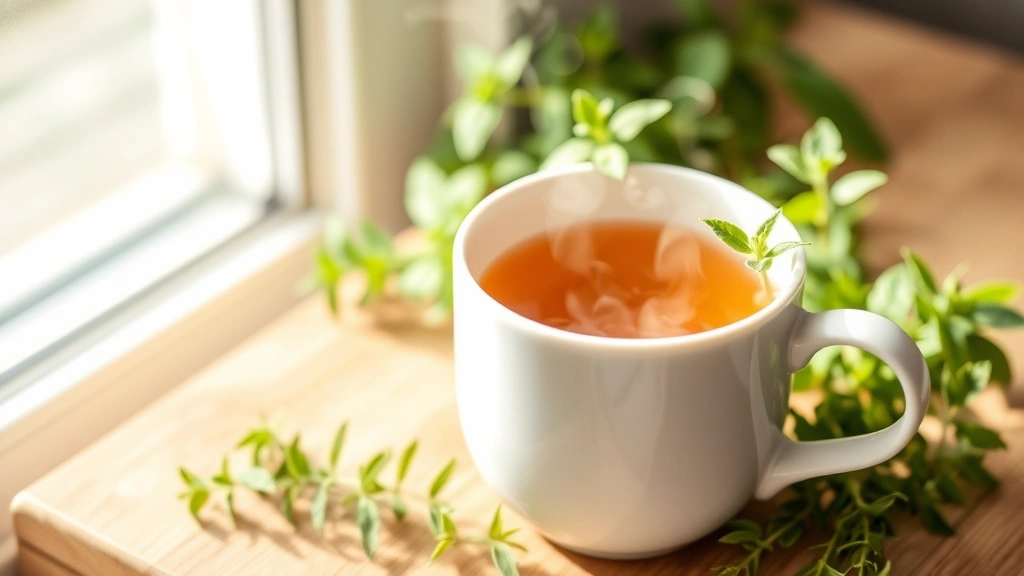
Beyond culinary applications, lemon balm holds significant value in traditional herbalism and modern wellness practices. Herbalists recognize lemon balm as a nervine, meaning it supports nervous system health and promotes relaxation. The herb contains compounds including rosmarinic acid and citral, which research suggests may contribute to its calming effects. Many people prepare lemon balm tea as an evening ritual to support restful sleep and reduce occasional anxiety.
Digestive support represents another key application in herbalism. The herb’s carminative properties help address occasional digestive discomfort, bloating, and gas. Traditional herbalists often recommend lemon balm tea after meals to support healthy digestion and promote overall gastrointestinal comfort. The gentle nature of lemon balm makes it suitable for regular use, unlike some more potent digestive herbs that require careful dosing.
For more detailed guidance on herbal remedies and their preparation, consult resources like the American Herbal Society, which provides evidence-based information about traditional herbs and their uses. Additionally, the National Center for Complementary and Integrative Health offers research-backed perspectives on herbal medicine and traditional practices.
Topical applications of lemon balm also have historical precedent. Some herbalists prepare infused oils or salves incorporating lemon balm for skin care purposes. The herb’s aromatic compounds make it a popular addition to natural skincare formulations, though anyone with sensitive skin should perform a patch test before broader application.
When using lemon balm for health purposes, consistency matters. Regular consumption of lemon balm tea, typically one to three cups daily, appears more beneficial than sporadic use. Most herbalists recommend using fresh or recently dried material for maximum potency, as the herb’s beneficial compounds diminish over time. Store dried lemon balm in airtight containers away from light and heat to preserve its therapeutic properties.
Storage and Preservation Techniques
Proper storage extends lemon balm’s usability far beyond the growing season. Fresh lemon balm keeps for several days when stored correctly. Place freshly harvested stems in a glass of water, cover loosely with a plastic bag, and refrigerate. This method maintains freshness for up to a week, similar to storing fresh herbs like parsley or cilantro. Alternatively, wrap clean, dry leaves in damp paper towels and place in a sealed container, where they’ll stay fresh for 3-5 days.
Drying is the most practical preservation method for long-term storage. Hang bundles of lemon balm stems upside down in a warm, dry, well-ventilated space away from direct sunlight. The drying process typically takes 1-2 weeks. Once completely dry, strip leaves from stems and store in airtight containers in a cool, dark location. Properly dried lemon balm maintains quality for 6-12 months, though flavor gradually diminishes over time.
Freezing preserves lemon balm’s fresh flavor remarkably well. Blanch leaves briefly in boiling water (30 seconds), then plunge into ice water to stop the cooking process. Pat dry and freeze in single layers on baking sheets before transferring to freezer bags. Alternatively, freeze whole leaves directly in ice cube trays with a bit of water or oil; these cubes work beautifully in beverages and cooking applications. Frozen lemon balm maintains quality for up to 8 months.
Creating infused oils or vinegars offers another preservation option. Pack fresh lemon balm leaves into clean glass jars and cover completely with oil or vinegar. Seal and store in a cool, dark place for 2-4 weeks, shaking occasionally. Strain out the plant material and store the finished product in sealed containers. These infusions add herbal complexity to cooking and dressings while extending lemon balm’s usability.
Lemon balm-infused honey represents a particularly elegant preservation method. Layer fresh leaves with raw honey in clean jars, seal, and store at room temperature. After several weeks, strain out the leaves. This preparation combines two natural preservatives, creating a long-lasting product perfect for sweetening tea, drizzling over yogurt, or using in baking applications.
Growing Lemon Balm at Home
Growing lemon balm at home ensures a reliable supply of fresh herbs for your cooking and wellness practices. The plant thrives in most climates and tolerates various growing conditions, making it ideal for both experienced gardeners and complete beginners. Lemon balm prefers full sun to partial shade and well-draining soil rich in organic matter. The herb isn’t particularly fussy about soil pH, though it prefers slightly alkaline conditions.
Start lemon balm from seeds indoors 6-8 weeks before your last spring frost, or direct sow after frost danger passes. Seeds require light to germinate, so press them gently into soil without covering them completely. Keep the soil consistently moist until seedlings emerge, typically within 7-14 days. Once established, lemon balm becomes remarkably self-sufficient, requiring only moderate watering and occasional feeding.
For faster results, purchase small nursery plants or propagate from cuttings. Take 4-6 inch cuttings from healthy stems and place them in moist potting mix. Cover with a humidity dome or plastic bag and keep in bright, indirect light. Roots typically develop within 2-3 weeks, at which point you can transition cuttings to larger containers or garden soil.
Space plants 12-18 inches apart to allow adequate air circulation and room for growth. Lemon balm grows as a spreading perennial, eventually reaching 2-3 feet tall and wide. Regular pinching of growing tips encourages bushier growth and prevents the plant from becoming leggy. Deadheading spent flowers extends the flowering season and redirects energy toward leaf production.
The plant’s aggressive self-seeding can lead to unwanted volunteer plants, so many gardeners contain lemon balm in containers or defined garden areas. This approach also makes harvesting more convenient and prevents the herb from overwhelming neighboring plants. Container-grown lemon balm thrives in pots at least 12 inches in diameter, filled with quality potting mix.
Pest and disease issues rarely plague lemon balm. The plant’s aromatic compounds naturally deter many common garden pests. Occasionally, spider mites or whiteflies may appear, but these typically respond to a strong spray of water or mild organic treatments. Powdery mildew can develop in humid conditions; improve air circulation and avoid overhead watering to prevent this fungal issue.
FAQ
Can I use lemon balm in place of lemon juice in recipes?
While lemon balm provides citrusy notes, it doesn’t replace lemon juice’s acidity or sourness. Use lemon balm as a complementary herb rather than a substitute for lemon juice. The herb works best for adding aromatic complexity to dishes where you want herbaceous citrus notes without the sharp acidity of actual lemon.
How much fresh lemon balm should I use in cooking?
Fresh lemon balm is quite mild, so you can typically use generous amounts. Start with 2-3 tablespoons of finely chopped fresh leaves for most applications, adjusting to taste. Dried lemon balm is more concentrated, so use about one-third the amount of dried leaves compared to fresh.
Is lemon balm safe for everyone?
Lemon balm is generally recognized as safe for most people when used in normal culinary amounts. However, pregnant women, nursing mothers, and people taking certain medications should consult healthcare providers before using lemon balm medicinally. If you have thyroid conditions, discuss lemon balm use with your healthcare provider.
Can I make lemon balm tea from dried leaves?
Absolutely. Dried lemon balm makes excellent tea. Steep 1-2 teaspoons of dried leaves in 8 ounces of hot water for 5-10 minutes. The flavor may be slightly more concentrated than fresh leaf tea, so adjust steeping time and leaf quantity to your preference.
What’s the best way to use lemon balm in beverages?
Fresh lemon balm works beautifully as a muddled ingredient in cold drinks, steeped in hot water for tea, or infused into syrups for sweetened beverages. The herb pairs well with other botanicals like mint, chamomile, and ginger for complex herbal blends. For the most vibrant flavor, add fresh lemon balm to cold beverages just before serving or steep it only briefly to avoid bitterness.
How do I know when lemon balm is ready to harvest?
Lemon balm is ready to harvest once the plant has established several sets of leaves, typically 4-6 weeks after planting. You can continue harvesting throughout the growing season. The best time to harvest is in the morning after dew dries but before heat peaks. Pinch leaves from the top to encourage bushier growth, or cut stems about one-third down from the top for larger harvests.
Does lemon balm lose flavor when dried?
Lemon balm does lose some of its delicate aromatic quality when dried, but dried leaves retain good flavor for several months if stored properly. For applications where fresh flavor is essential, such as garnishes or cold beverages, use fresh leaves. For teas, cooked dishes, and infusions, dried lemon balm works well and offers the convenience of year-round availability.


