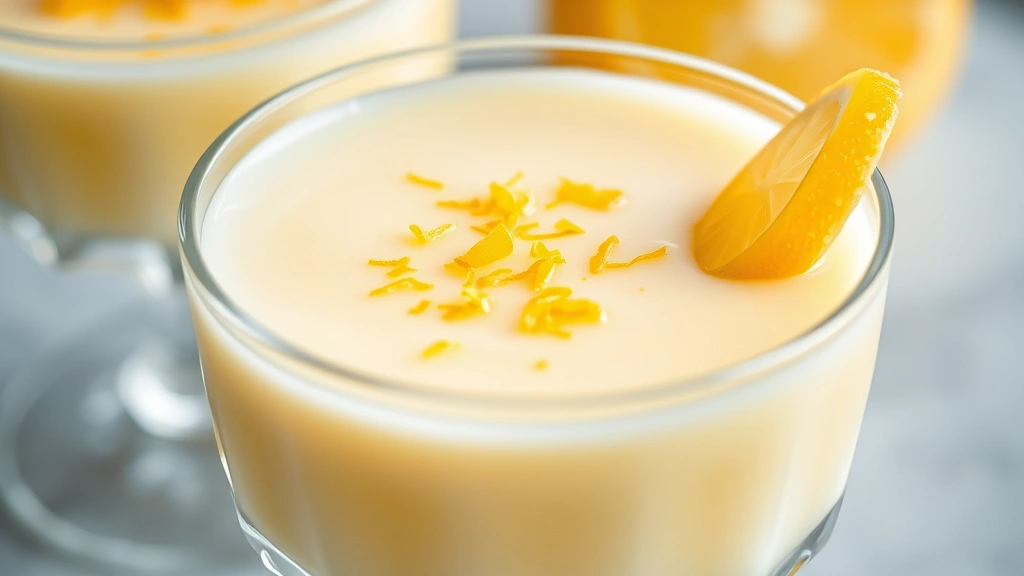
Easy Lemon Posset Recipe: A Tried & True Dessert That Never Fails
Lemon posset is one of those elegant desserts that looks impossibly fancy but requires almost no culinary skill to execute. This traditional British treat has been gracing tables for centuries, and for good reason—it’s silky smooth, intensely flavored, and comes together in mere minutes. If you’ve been intimidated by posset in the past, this straightforward lemon posset recipe will show you just how simple this showstopper truly is.
What makes lemon posset so special is its minimalist ingredient list and the surprising chemistry that happens when cream, sugar, and lemon juice combine. The acid from the lemon naturally thickens the cream through a process of curdling, creating a custard-like texture without requiring eggs, cornstarch, or any thickening agents. The result is a delicate, mousse-like dessert that melts on your tongue and delivers pure citrus flavor in every spoonful.
Whether you’re planning a dinner party, need an impressive dessert for a special occasion, or simply want to treat yourself on a Tuesday night, this lemon posset recipe delivers restaurant-quality results with minimal effort. Best of all, you can prepare it ahead of time, making it the perfect stress-free option for entertaining.
Ingredients You’ll Need
The beauty of this easy lemon posset recipe lies in its simplicity. You’ll need just four ingredients, all of which are likely already in your pantry:
- Heavy cream: 1 cup (240ml) of cold heavy cream is the base of your posset. Use the highest fat content you can find for the richest, silkiest texture.
- Caster sugar: ½ cup (100g) of fine caster sugar dissolves quickly and creates the perfect sweetness level. Regular granulated sugar works too, though it may take slightly longer to dissolve.
- Fresh lemon juice: ⅓ cup (80ml) of freshly squeezed lemon juice is crucial—bottled juice won’t deliver the same brightness and may affect texture. You’ll need approximately 2-3 large lemons.
- Lemon zest: 1 teaspoon of finely grated lemon zest for garnish adds visual appeal and concentrated flavor.
Some recipes include a splash of vanilla extract or a touch of honey, but the classic version relies solely on these four components. The simplicity allows the pure lemon flavor to shine.
Essential Equipment
You don’t need fancy equipment to make this dessert successfully. Here’s what you’ll want to have on hand:
- Heavy-bottomed saucepan: Choose one that distributes heat evenly to prevent scorching.
- Whisk or wooden spoon: For stirring and combining ingredients.
- Fine-mesh strainer: Optional but helpful for removing any curdled bits if you prefer an ultra-smooth texture.
- Microplane zester: For creating fine lemon zest for garnish.
- Serving glasses or ramekins: Posset is traditionally served in small glasses or ceramic pots, typically 4-6 ounce portions.
- Measuring cups and spoons: Accuracy matters with this recipe.
Step-by-Step Instructions
Follow these simple steps to create your lemon posset recipe masterpiece:
Step 1: Combine Cream and Sugar
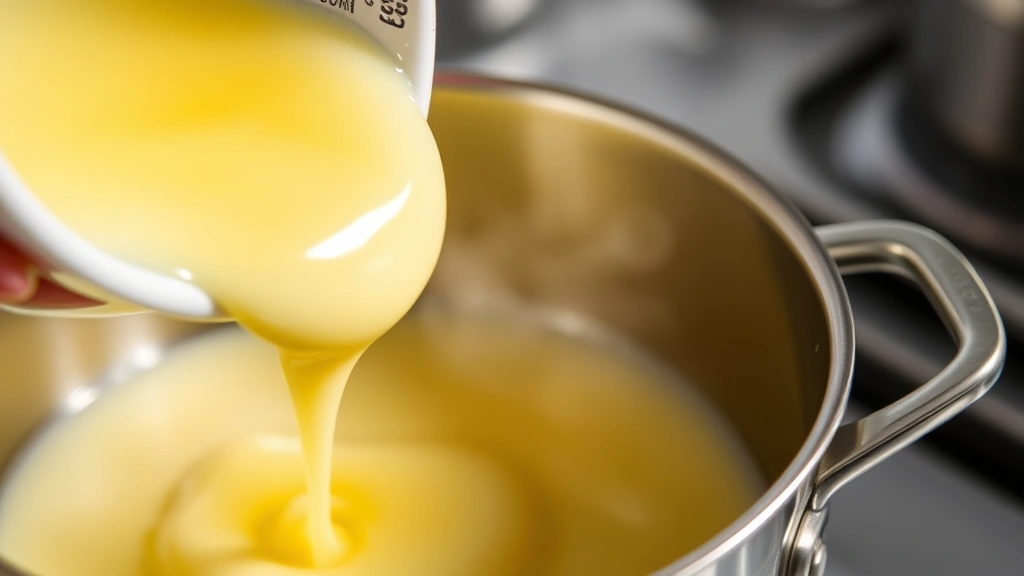
Pour your cold heavy cream into a heavy-bottomed saucepan and add the caster sugar. Place the pan over medium heat and stir gently and constantly until the sugar dissolves completely. This should take about 3-5 minutes. You’ll know the sugar is fully dissolved when you can’t feel any grittiness when you run a spoon along the bottom of the pan. Don’t rush this step—proper dissolution ensures a smooth final texture.
Step 2: Heat the Mixture
Continue heating the cream mixture until it reaches a gentle simmer. You should see small bubbles forming around the edges of the pan. Once simmering, cook for exactly 2 minutes, stirring occasionally. This brief cooking time helps the cream develop the right consistency without any risk of boiling over or burning.
Step 3: Remove from Heat
Take the saucepan off the heat and let it cool for about 2-3 minutes. This cooling period is essential because adding lemon juice to piping hot cream can cause splattering and uneven curdling. You want the cream warm but not actively bubbling.
Step 4: Add Lemon Juice
Slowly pour your freshly squeezed lemon juice into the warm cream while stirring constantly. This is where the magic happens—the acid will cause the cream to thicken almost immediately. Stir gently for about 1-2 minutes as the mixture transforms from liquid to a custard-like consistency. Don’t overstir, as vigorous mixing can create a grainy texture.
Step 5: Strain (Optional)
For an ultra-silky texture, pour the posset through a fine-mesh strainer into a clean bowl. This removes any tiny bits of curdled cream that might create a slightly grainy mouthfeel. This step is optional—many people skip it and find the texture perfectly smooth.
Step 6: Chill and Set
Divide the posset among serving glasses or ramekins and refrigerate for at least 2 hours, though 4 hours is ideal. The posset will continue to set and firm up as it chills. It’s now ready to serve, though it can stay in the refrigerator for up to 3 days.
Pro Tips for Perfect Posset
Even though this lemon posset recipe is forgiving, a few expert tips will help you achieve perfection:
- Use fresh lemon juice: The difference between fresh squeezed and bottled is significant. Fresh juice has better acidity balance and flavor complexity that bottled versions can’t match.
- Measure your lemon juice precisely: Too little acid won’t thicken the cream properly, while too much can create an overly grainy texture. Stick to the ⅓ cup measurement.
- Keep cream cold: Start with cold cream straight from the refrigerator. Cold cream thickens more evenly than room temperature cream.
- Don’t skip the cooling step: Waiting 2-3 minutes after removing from heat prevents splattering and ensures even curdling.
- Stir gently when adding lemon juice: Aggressive stirring breaks down the curdling process and creates graininess. A gentle, steady stir is all you need.
- Make it ahead: Posset is actually better made 24 hours in advance, giving the flavors time to meld and the texture time to set perfectly.
- Taste for balance: If your posset tastes too sweet, a tiny pinch of extra lemon zest on top can balance it. If too tart, a whisper of honey can help.
Flavor Variations to Try
Once you’ve mastered the classic lemon posset recipe, you can experiment with exciting variations. The base technique remains the same, but you can adjust the flavor profile:
Lavender Lemon Posset
Add 1 teaspoon of culinary lavender buds to the cream while heating, then strain them out before adding lemon juice. The floral notes complement lemon beautifully and create a more sophisticated flavor profile.
Honey Lemon Posset
Replace half the caster sugar with honey for a more complex sweetness and subtle floral undertones. The honey also makes the posset slightly less tart.
Cardamom Lemon Posset
Crush 4-5 cardamom pods and steep them in the warm cream for 5 minutes before adding lemon juice. The warm spice balances the bright citrus beautifully.
Ginger Lemon Posset
Add ½ teaspoon of ground ginger or 1 tablespoon of fresh ginger juice to the cream mixture. The warmth of ginger creates an interesting contrast with the tartness of lemon.
Limoncello Lemon Posset
Replace 2 tablespoons of the lemon juice with limoncello liqueur for a boozy version perfect for grown-up dinner parties. The alcohol adds complexity and depth.
Storage and Make-Ahead Guide
One of the best aspects of this lemon posset recipe is how well it keeps:
Refrigerator Storage
Covered posset will keep in the refrigerator for up to 3 days. Cover each glass or ramekin with plastic wrap to prevent it from absorbing odors from other foods and to keep the surface from drying out.
Make-Ahead Benefits
Posset is actually better when made 24 hours in advance. The flavors meld together more thoroughly, and the texture becomes even silkier. You can prepare posset up to 3 days ahead, making it the perfect dessert for entertaining.
Not Freezer-Friendly
Due to its delicate emulsified structure, posset doesn’t freeze well. The texture becomes grainy and the curdling breaks down when thawed. Stick to refrigerator storage for best results.
Transport Tips
If you’re bringing posset to a potluck or dinner party, keep the glasses or ramekins in a shallow container with a damp paper towel beneath them to prevent sliding. Transport on a stable surface and keep cool during travel.
Perfect Pairings
While posset stands beautifully on its own, thoughtful pairings elevate the experience:
Shortbread Cookies
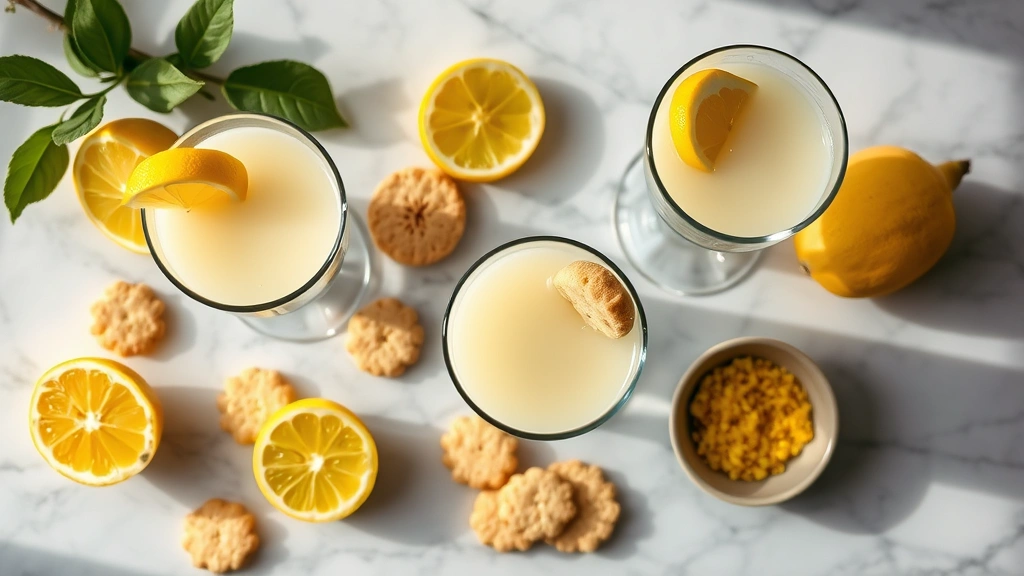
The buttery, crumbly texture of shortbread provides the perfect contrast to silky posset. Homemade shortbread is ideal, but quality store-bought versions work too.
Lemon Curd
Layer a small spoonful of lemon curd on top of your posset for extra lemon intensity and a different texture. The thick curd contrasts beautifully with the mousse-like posset.
Berry Compote
A simple raspberry or blueberry compote adds tartness, color, and textural interest. The berries’ acidity complements lemon perfectly.
Candied Lemon Peel
Homemade or store-bought candied lemon peel provides a chewy, sweet-tart element that enhances the lemon flavor without overwhelming the delicate posset.
Madeleines or Biscotti
These Italian or French cookies have enough substance to pair with posset without overpowering it. Their slight sweetness balances the tartness perfectly.
Sparkling Wine
A chilled glass of prosecco, champagne, or sparkling wine makes an elegant pairing. The bubbles and acidity cleanse the palate between spoonfuls.
Complementary Sauces
While posset doesn’t need additional sauces like a burger sauce or cocktail sauce, a drizzle of honey or a spoonful of fresh herb reduction can add interest.
FAQ
What if my posset doesn’t thicken?
If your posset remains too thin, you likely didn’t use enough lemon juice or the juice wasn’t acidic enough. Make sure you’re using fresh lemon juice and measuring precisely. Additionally, ensure your cream was at the right temperature—too hot or too cold can affect curdling. You can’t fix it once made, so start fresh with properly measured ingredients.
Why is my posset grainy?
Graininess usually results from over-stirring when adding lemon juice or using cream that was too hot. Stir gently and steadily, and always wait 2-3 minutes after removing from heat. If you made it grainy, you can strain it through fine-mesh sieve, though some texture loss may occur.
Can I make posset without heavy cream?
Traditional posset requires heavy cream with high fat content to create the proper curdling reaction. While you could experiment with double cream or whipping cream, the results may vary. Lighter creams or milk won’t work for this recipe.
How much posset does this recipe make?
This recipe yields approximately 4-6 servings, depending on portion size. Traditional posset is served in small 4-6 ounce glasses or ramekins, as it’s quite rich.
Can I use bottled lemon juice?
While technically possible, bottled lemon juice produces inferior results. The acidity level varies, potentially affecting texture, and the flavor lacks the brightness of fresh juice. Fresh squeezed is worth the minimal effort.
What’s the difference between posset and panna cotta?
Posset is thickened by the natural curdling reaction between acid and cream, while panna cotta uses gelatin. Posset has a lighter, fluffier texture, while panna cotta is firmer. Both are elegant desserts, but posset requires no special ingredients.
Can I make this recipe vegan?
Traditional posset cannot be made vegan because the curdling reaction specifically requires dairy cream’s fat content. However, you could experiment with coconut cream and lemon juice, though results won’t be identical.
How should I serve posset?
Serve posset chilled directly from the refrigerator in small glasses or ramekins. Garnish with lemon zest, a candied lemon peel, or a shortbread cookie. It’s elegant enough for formal dinners yet simple enough for everyday enjoyment.
Can I double this recipe?
Yes, doubling works perfectly. Simply multiply all ingredients by two and follow the same process. The cooking time remains the same. This makes posset excellent for larger dinner parties.
What’s the best lemon zest for garnish?
Use a microplane zester to create fine, delicate zest that looks elegant and distributes flavor evenly. Avoid thick strips, which can be overpowering. Zest just before serving for maximum brightness and aroma.
Additional Resources
For more information about classic British desserts and culinary techniques, explore these authoritative resources:
- The French Cooking Academy – Master traditional European dessert techniques
- Serious Eats – In-depth food science explanations for cooking success
- Cook’s Illustrated – Tested recipes and culinary methodology
- Love Food Hate Waste – Ingredient knowledge and seasonal cooking guides
- ChefSteps – Modern cooking techniques with professional instruction


