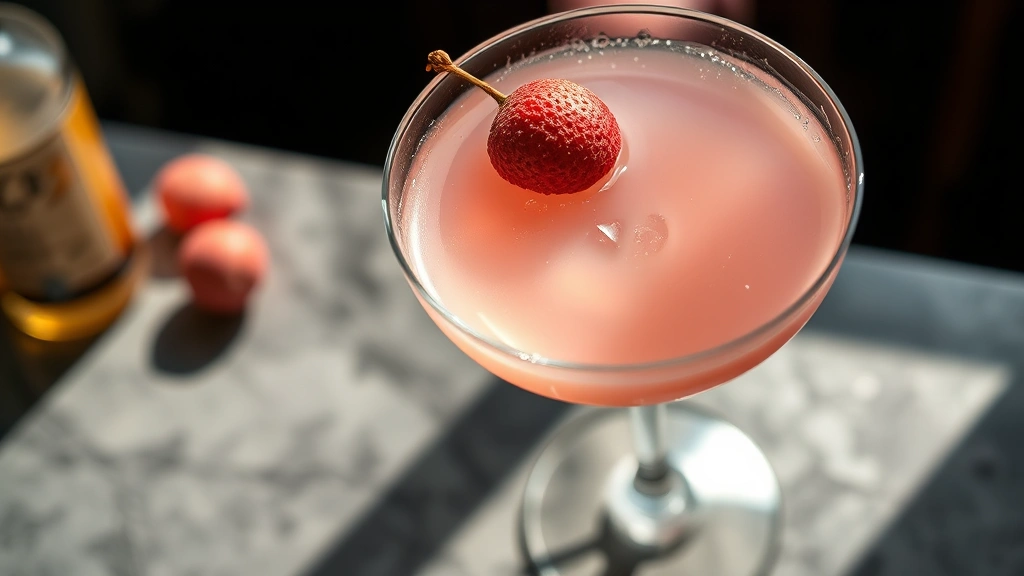
Lychee Martini Recipe: Bartender Approved Cocktail Guide
The lychee martini has become a sophisticated staple in craft cocktail bars worldwide, blending the delicate floral sweetness of fresh lychee fruit with the crisp elegance of premium vodka. This bartender-approved recipe transforms a simple combination of quality ingredients into a refreshing, visually stunning cocktail that impresses at dinner parties and upscale venues alike. Whether you’re a home mixologist or aspiring bartender, mastering the lychee martini opens doors to understanding flavor balance, proper technique, and the art of modern cocktail craftsmanship.
What makes the lychee martini particularly appealing is its versatility and accessibility. Unlike complex cocktails requiring rare ingredients or advanced techniques, this drink relies on straightforward methodology and readily available components. The key to excellence lies in ingredient selection, precise measurements, and proper chilling methods that transform basic spirits into a refined libation worthy of any bar menu.
Essential Ingredients and Substitutions
Creating an authentic lychee martini recipe begins with understanding each ingredient’s role in the final cocktail. The foundation starts with premium vodka, which serves as the neutral spirit base allowing lychee flavors to shine without competition. Select vodka brands known for smoothness and purity—avoid budget options that introduce harsh alcohol notes.
Fresh lychee juice represents the heart of this cocktail. When possible, source fresh lychees from Asian markets or specialty grocers during peak season (typically May through July). Fresh fruit delivers superior flavor complexity compared to canned alternatives, though quality canned lychees in syrup work acceptably when fresh options aren’t available. To prepare fresh lychees, peel the bumpy exterior, remove the large pit, and blend the white flesh with a splash of water to create pure juice.
Lychee liqueur adds concentrated flavor and subtle sweetness that balances the drink’s components. Popular options include Soho Lychee Liqueur and Bols Lychee Liqueur, both readily available at liquor retailers. These liqueurs contain approximately 20-21% alcohol by volume and contribute aromatic depth beyond fresh juice alone.
Dry vermouth brings sophistication and herbal complexity to the cocktail, preventing it from becoming overly sweet. Premium dry vermouth brands like Noilly Prat or Carpano offer refined flavor profiles that enhance rather than overpower the lychee elements. Use dry vermouth specifically—sweet vermouth creates entirely different flavor characteristics unsuitable for this recipe.
Fresh lime juice provides essential acidity that brightens the drink and balances sweetness. Always use freshly squeezed juice rather than bottled alternatives, which contain preservatives affecting taste. Squeeze limes immediately before mixing for maximum flavor impact.
Quality ingredients matter tremendously in cocktail preparation. When exploring homemade flavor combinations, similar principles apply—fresh, quality components create superior results. Ice serves a critical function beyond chilling; it gradually dilutes the cocktail to optimal strength while creating proper texture.
Ingredient substitution options: If lychee liqueur is unavailable, increase fresh lychee juice slightly and add a touch of simple syrup for balance. Rose water can replace a portion of lychee juice for floral complexity, though use sparingly—just 1/4 teaspoon prevents overwhelming the drink. Coconut rum offers an interesting alternative base spirit for tropical variations, though this deviates from the classic recipe.
Equipment and Tools You’ll Need
Professional bartenders emphasize that proper equipment directly impacts cocktail quality and consistency. A well-stocked home bar requires specific tools for mixing lychee martinis effectively.
The cocktail shaker represents the most essential tool, available in two primary styles: Boston shakers (two-piece metal design) and cobbler shakers (three-piece with built-in strainer). Boston shakers offer superior durability and speed for high-volume bartending, while cobbler shakers work adequately for home use. Select stainless steel construction that resists corrosion and maintains temperature stability.
A quality jigger ensures accurate measurements crucial for consistent results. Standard jiggers feature dual-sided cups (typically 1.5 ounces and 0.75 ounces), though premium versions offer additional measurements. Precise pouring prevents over-dilution or excessive sweetness that compromises the drink’s balance.
A bar spoon with twisted handle facilitates stirring and helps create proper dilution when mixing cocktails that don’t require vigorous shaking. The long handle reaches deep into mixing glasses, while the spoon’s weight aids mixing efficiency.
A cocktail strainer (Hawthorne or julep style) separates liquid from ice when transferring drinks to serving glasses. Hawthorne strainers feature coiled metal springs and work with Boston shakers, while julep strainers fit inside mixing glasses for stirred cocktails.
A muddler helps extract flavors from fresh ingredients like lychee pulp or lime when preparing infused variations. Choose wooden or silicone options that won’t damage glassware or introduce metallic flavors.
Proper glassware includes martini glasses (also called cocktail glasses) with 6-8 ounce capacity. Chilled glasses enhance the drinking experience by maintaining temperature longer. Some bartenders prefer coupe glasses for lychee martinis, offering elegant presentation with wider bowl surface area.
Additional useful items include citrus squeezers for fresh juice extraction, a bar towel for wiping glasses and equipment, a mixing glass for stirred cocktails, and a channel knife for creating garnish ribbons. Investing in quality tools demonstrates commitment to craft and produces noticeably superior results compared to improvised equipment.
Step-by-Step Preparation Method
Mastering the lychee martini recipe requires understanding the proper mixing technique that distinguishes professional cocktails from mediocre attempts. This classic recipe serves one drink and can be scaled for multiple servings.
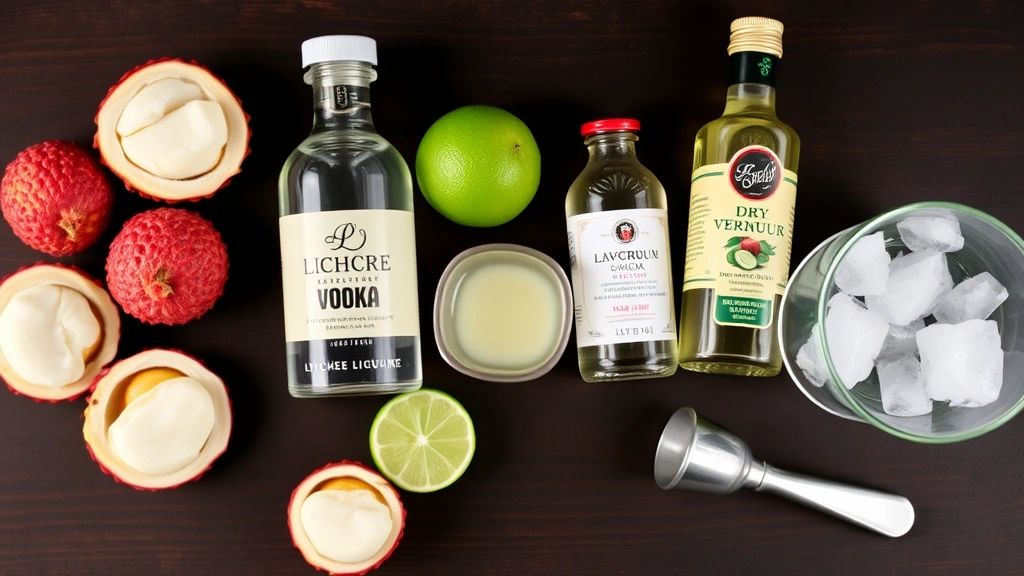
Ingredients:
- 2 ounces premium vodka
- 0.75 ounces fresh lychee juice
- 0.5 ounces lychee liqueur
- 0.25 ounces dry vermouth
- 0.5 ounces fresh lime juice
- Ice (preferably large cubes)
- Fresh lychees for garnish
Preparation steps:
- Chill your martini glass—Place the glass in a freezer at least 15 minutes before mixing, or fill it with ice water while preparing the cocktail. A properly chilled glass maintains the drink’s temperature and creates a superior sensory experience.
- Prepare your mixing vessel—Fill a cocktail shaker or mixing glass with fresh ice. Using large ice cubes rather than crushed ice prevents excessive dilution. The larger surface area of big ice melts more slowly, maintaining cocktail integrity.
- Measure all ingredients accurately—Using a jigger, pour vodka first, followed by lychee juice, lychee liqueur, dry vermouth, and lime juice into your ice-filled shaker. Precision prevents flavor imbalances that result from eyeballing measurements.
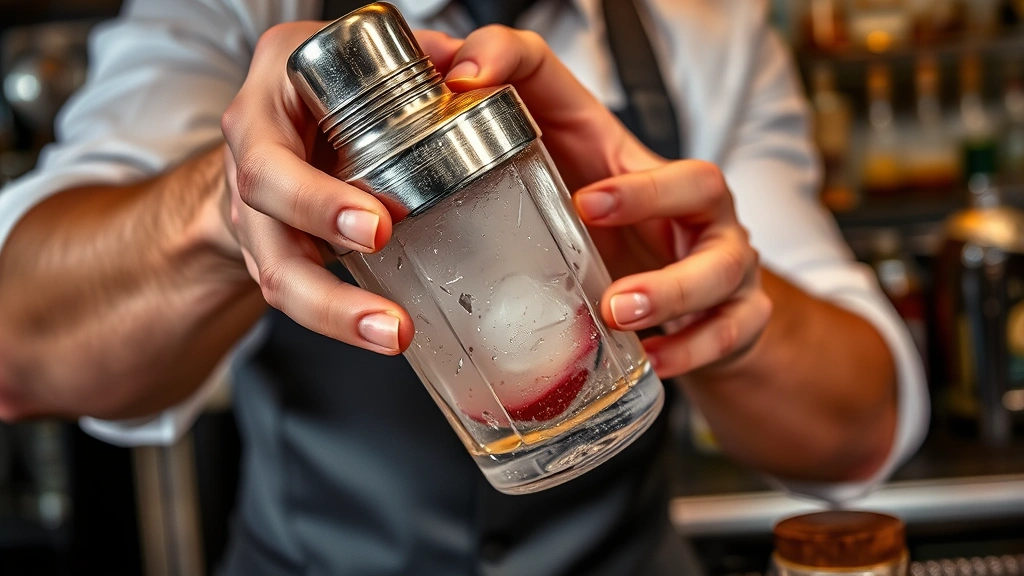
- Shake vigorously—Seal your shaker and shake hard for 10-15 seconds. This vigorous motion chills the mixture rapidly while incorporating proper dilution. You’ll hear ice rattling and feel condensation forming on the shaker exterior—these indicate effective technique.
- Empty your chilled glass—Remove the glass from the freezer and discard any accumulated water. Pat the interior dry with a bar towel if necessary.
- Strain into the glass—Using your cocktail strainer, pour the chilled mixture into the prepared martini glass, leaving ice behind in the shaker. Proper straining prevents unwanted ice chips from diluting the finished drink.
- Garnish and serve immediately—Add your chosen garnish and serve straight to the drinker. Prompt service ensures the cocktail reaches its destination at optimal temperature and flavor.
Temperature control represents a critical success factor often overlooked by home bartenders. Cold ingredients and properly chilled glasses create superior mouthfeel and flavor perception. Many professionals pre-chill their ingredients in the freezer for 30 minutes before mixing, particularly for home entertaining where timing flexibility exists.
Variations and Creative Twists
While the classic recipe offers refined elegance, creative bartenders develop variations that explore complementary flavors and techniques. Understanding foundational principles allows experimentation within the lychee martini framework.
Rose Lychee Martini: Add 1/4 teaspoon of premium rose water to the classic recipe for floral complexity. Rose and lychee share delicate botanical notes that harmonize beautifully. This variation appeals particularly to those enjoying refined flavor profiles and sophisticated palates.
Spiced Lychee Martini: Infuse vodka with star anise, cardamom, and cinnamon by steeping whole spices in quality vodka for 3-5 days. Strain before use and reduce fresh lychee juice slightly to accommodate the spice intensity. This variation creates warming notes suitable for cooler months.
Coconut Lychee Martini: Replace 1 ounce of vodka with premium coconut rum for tropical character. Reduce lychee juice to 0.5 ounces and add 0.25 ounces of coconut cream. This variation appeals to those preferring dessert-forward cocktails.
Ginger Lychee Martini: Create ginger-infused simple syrup by heating equal parts sugar and water with fresh ginger slices, then cooling completely. Add 0.5 ounces of this syrup to the classic recipe. The ginger’s spicy warmth contrasts beautifully with lychee’s subtle sweetness.
Elderflower Lychee Martini: Add 0.25 ounces of elderflower liqueur (St. Germain) alongside the lychee liqueur. This combination creates a sophisticated, floral-forward cocktail with exceptional depth.
Developing your own variations requires understanding flavor balance principles. Sweetness should be tempered by acidity, while spirit strength maintains the cocktail’s structure. When experimenting, adjust ingredients incrementally rather than making dramatic changes, allowing your palate to assess modifications accurately.
Garnishing and Presentation Techniques
Professional bartenders recognize that presentation significantly influences the drinking experience. Visual appeal creates anticipation and demonstrates attention to craft detail.
Fresh Lychee Garnish: The most straightforward and elegant option involves placing a fresh lychee on the glass rim or floating it within the drink. Select firm, unblemished fruit and add it just before serving. The garnish provides visual interest while offering optional flavor enhancement if the drinker consumes it after finishing the cocktail.
Lychee Skewer: Thread 2-3 fresh lychees onto a cocktail pick and rest it across the glass rim. This presentation creates a more substantial garnish that impresses guests and provides textural contrast to the smooth cocktail.
Candied Lychee: Prepare candied lychees by poaching fresh fruit in simple syrup with a vanilla bean for 20 minutes, then drying on parchment paper overnight. These offer intensified sweetness and sophisticated appearance.
Lime Twist: Using a channel knife or vegetable peeler, cut a thin strip of lime zest and express the oils over the drink’s surface by twisting the peel. The expressed oils create aromatic complexity, while the visual element adds polish.
Rose Petal Garnish: For special occasions, add a food-safe edible rose petal to the drink’s surface. This creates romantic presentation suitable for celebrations or upscale entertaining.
Garnish timing matters significantly—add garnishes immediately before service to prevent wilting or flavor degradation. Some bartenders prefer placing garnishes on the glass rim rather than inside the drink, preventing dilution as ice melts.
Troubleshooting Common Issues
Even experienced bartenders encounter occasional cocktail challenges. Understanding solutions prevents frustration and maintains quality standards.
Overly Sweet Cocktail: If your lychee martini tastes excessively sweet, reduce lychee juice by 0.25 ounces and increase lime juice proportionally. Sweetness perception varies individually, so adjusting to personal preference creates superior drinking experiences. Remember that chilled cocktails taste less sweet than room-temperature versions due to temperature’s effect on taste receptors.
Weak Flavor Profile: Insufficient lychee character typically results from using low-quality juice or canned fruit in heavy syrup. Invest in fresh lychees or premium brands. Additionally, ensure your lychee liqueur is stored properly—exposure to light and heat degrades flavor compounds.
Watered-Down Drink: Over-dilution occurs when shaking insufficient time, using small ice cubes, or allowing the cocktail to sit before serving. Shake for the full 10-15 seconds using large ice cubes, and serve immediately after straining.
Cloudy Appearance: If your cocktail appears cloudy rather than crystal clear, this typically indicates inadequate straining or ice fragments entering the glass. Use a fine cocktail strainer and ensure your shaker is properly sealed during mixing.
Temperature Issues: A warm cocktail disappoints immediately upon tasting. Pre-chill all glassware and ingredients, use fresh ice rather than previously melted ice, and work quickly during the mixing and straining process.
Separation or Settling: If ingredients appear to separate within the glass, this indicates improper mixing or ingredient incompatibility. Ensure thorough shaking and verify all ingredients are at similar temperatures before mixing.
Understanding these common issues allows you to diagnose problems quickly and maintain consistent quality. Many professional bartenders maintain detailed notes about successful batches, recording specific brands, measurements, and techniques that produced excellent results.
When serving lychee martini recipe cocktails to guests, consider preparing components in advance while mixing individual drinks to order. Pre-batching juice and measuring spirits into marked bottles streamlines the process during entertaining. Similar preparation strategies apply when preparing quick recipes for gatherings—advance preparation allows you to focus on execution and presentation rather than scrambling for ingredients.
For those interested in broader cocktail education, cocktail fundamentals resources provide comprehensive technique guides. Martini-specific resources offer additional insights into this classic cocktail family. The Barefoot Bartender provides excellent technique videos, while Difford’s Guide catalogs thousands of cocktail recipes and variations.
FAQ
Can I make a large batch of lychee martinis in advance?
Yes, you can prepare a batch by combining all ingredients except ice in a sealed bottle and refrigerating for up to 24 hours. When ready to serve, shake with fresh ice and strain into individual glasses. However, flavor quality diminishes over time, so mixing individual drinks to order produces superior results when time permits.
What’s the best type of vodka for this cocktail?
Premium vodkas like Grey Goose, Belvedere, or Tito’s offer superior smoothness and purity that allows lychee flavors to shine. Avoid budget vodka brands that introduce harsh alcohol notes. The vodka should be nearly neutral, allowing supporting ingredients to provide flavor complexity.
Can I use canned lychee syrup instead of fresh juice?
While fresh lychee juice offers superior flavor, quality canned lychees can work in emergencies. Drain the syrup and blend the fruit with minimal water to create juice. However, expect slightly different flavor characteristics and potentially excessive sweetness requiring lime juice adjustment.
How far in advance should I chill my martini glass?
Ideally, chill your glass 15-20 minutes before mixing. If you’re short on time, fill it with ice water while preparing the cocktail, then empty and dry it immediately before straining. The glass should be cold enough that condensation forms on the exterior when you pour the cocktail.
What’s the difference between shaking and stirring this cocktail?
Cocktails containing citrus juice, cream, eggs, or other thick ingredients require shaking to properly incorporate and chill them. The lychee martini’s citrus content makes shaking the appropriate technique. Stirring works only for spirit-forward cocktails without juice components.
Can I make a non-alcoholic version of this cocktail?
Yes, substitute vodka with additional lychee juice and liqueur with 0.5 ounces of quality lychee syrup or cordial. Increase dry vermouth to 0.5 ounces or substitute with white grape juice for complexity. The result differs from the alcoholic version but offers refreshing appeal.
How should I store lychee liqueur and vermouth?
Keep both bottles in a cool, dark cabinet away from direct sunlight and heat sources. Opened bottles maintain quality for 6-12 months when properly sealed. Refrigeration isn’t necessary but can extend shelf life. Avoid storing bottles above stoves or in areas experiencing temperature fluctuations.
What food pairings work well with lychee martinis?
The cocktail’s delicate sweetness and citrus notes pair beautifully with light appetizers like shrimp satay, spring rolls, or crudités with Asian-inspired dips. For dessert pairings, consider light fruit tarts or coconut-based sweets that complement rather than compete with the drink’s flavors.


