McCormick Chili Recipe: Flavorful Classic Guide
McCormick chili seasoning has been a trusted pantry staple for generations, transforming simple ingredients into a deeply satisfying, aromatic dish that brings families together. Whether you’re cooking for a weeknight dinner or hosting a chili competition, mastering a McCormick chili recipe gives you the foundation for consistent, delicious results every single time. The beauty of this approach lies in the carefully balanced spice blend that McCormick has perfected, combining chili peppers, cumin, garlic, and paprika in proportions that create complexity without overwhelming heat.
This comprehensive guide walks you through everything you need to know about creating an exceptional McCormick chili, from selecting quality ingredients to advanced techniques that elevate your final product. You’ll discover how to build layers of flavor, adjust heat levels to your preference, and create variations that keep your chili exciting throughout the season. Whether you’re a beginner looking for foolproof instructions or an experienced cook seeking to refine your technique, this recipe delivers restaurant-quality chili from your own kitchen.
Understanding McCormick Chili Seasoning
McCormick chili seasoning represents decades of culinary research and flavor development. The blend contains chili peppers as the primary ingredient, delivering authentic heat and depth without requiring you to source and toast individual peppers. This convenience factor doesn’t compromise quality—the spice blend is carefully formulated to provide balanced flavoring that complements rather than masks the natural flavors of your main ingredients.
The seasoning packet typically includes chili peppers, cumin, salt, garlic powder, paprika, oregano, and red pepper flakes. Each component serves a specific purpose: chili peppers provide the foundational heat and flavor, cumin adds earthiness and warmth, paprika contributes subtle sweetness and color, while garlic powder and oregano round out the profile with aromatic complexity. Understanding these components helps you recognize when you might want to adjust ratios or add complementary spices.
One significant advantage of using McCormick chili seasoning is consistency. Every packet delivers the same flavor profile, making it ideal for meal planning and recipe standardization. If you’re cooking for guests or planning weekly meals, you know exactly what to expect. The seasoning also dissolves smoothly into the liquid base, distributing flavor evenly throughout your pot without grittiness or uneven spice distribution.

Essential Ingredients and Substitutions
Creating exceptional McCormick chili begins with quality ingredient selection. Beyond the seasoning packet, you’ll want to focus on the foundation ingredients that make chili truly memorable. Ground beef remains the traditional choice, but understanding your options allows you to customize based on dietary preferences and flavor goals.
Meat Selection: Ground beef with 80/20 lean-to-fat ratio provides optimal flavor and texture. The fat renders during cooking, creating a rich base that carries spice flavors beautifully. If you prefer leaner options, ground turkey or chicken work well, though they require slightly more added fat for depth. For vegetarian variations, try lentils or crumbled tofu—both absorb the McCormick seasoning remarkably well and provide satisfying texture.
Aromatics and Base: Yellow onions form the flavor foundation, their natural sweetness balancing the spice blend. Dice them finely for even distribution and faster cooking. Fresh garlic elevates the seasoning significantly—while the McCormick blend contains garlic powder, fresh garlic adds brightness and complexity that dried versions cannot replicate. Use 4-6 cloves minced fine.
Liquid Components: Beef broth serves as the primary liquid, but you can substitute chicken broth for lighter flavor or vegetable broth for vegetarian versions. Tomato products—either crushed tomatoes or tomato sauce—add acidity that brightens the spice profile and provides body. A single can of diced tomatoes with green chilies introduces subtle heat and dimension without requiring additional ingredients.
Beans: Kidney beans remain the classic choice, though dark red beans and black beans offer interesting variations. If using canned beans, drain and rinse thoroughly to remove excess sodium and starch. For dried beans, soak overnight and cook until tender before adding to your chili. Many cooks add beans toward the end of cooking to prevent them from breaking down into the liquid.
Optional Enhancements: Brown sugar or molasses adds subtle sweetness that rounds out spice heat. A splash of apple cider vinegar brightens flavors and adds complexity. Homemade sauce techniques apply beautifully here—consider adding a spoonful of tomato paste for deeper umami, or a small amount of cocoa powder for subtle richness.
Step-by-Step Cooking Instructions
Preparation Phase: Begin by gathering all ingredients and preparing your mise en place. Dice onions into quarter-inch pieces, mince garlic, drain canned beans if using them, and measure out your McCormick chili seasoning. This preparation prevents scrambling mid-cook and ensures even ingredient distribution.
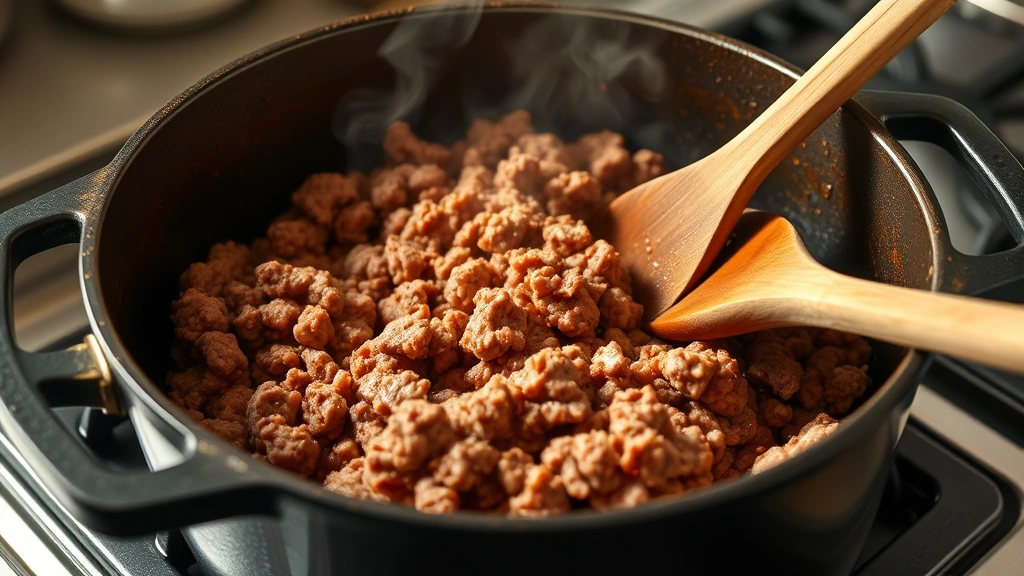
Browning the Meat: Heat a large heavy-bottomed pot over medium-high heat. Add ground beef in batches, breaking it into small pieces as it cooks. Resist the urge to stir constantly—allow the meat to develop a brown crust, which creates complex flavors through the Maillard reaction. This browning step takes 8-10 minutes and is crucial for depth. Once the meat is browned, drain excess fat if desired, leaving about 2 tablespoons for flavor.
Building the Aromatic Base: Reduce heat to medium and add diced onions to the browned meat. Cook for 5-7 minutes, stirring occasionally, until onions become translucent and soften. Add minced garlic and cook for another minute until fragrant. This aromatics phase creates the flavor foundation that the McCormick seasoning will enhance and amplify.
Adding the Seasoning: Sprinkle the McCormick chili seasoning packet over the meat and aromatics. Stir well, coating everything evenly. Toast the spices for 2-3 minutes, allowing the heat to release their essential oils and develop deeper flavors. You’ll notice the aroma intensifying dramatically—this indicates the spices are activating and blending with the meat’s rendered fat.
Deglazing and Building Liquid: Pour in your beef broth, scraping the bottom of the pot with a wooden spoon to incorporate the flavorful browned bits. This deglazing step extracts every ounce of flavor from the cooking surface. Add crushed tomatoes or tomato sauce, stirring until completely combined. The mixture should have a rich, dark appearance.
Simmering and Developing Flavor: Bring the mixture to a boil, then reduce heat to low and maintain a gentle simmer. Partially cover with a lid, leaving it slightly ajar to allow some evaporation. Simmer for at least 45 minutes, though 1.5 to 2 hours produces deeper flavor development. Stir occasionally and adjust seasoning as needed.
Adding Beans and Final Adjustments: Add drained beans about 15 minutes before the end of cooking. This timing prevents beans from becoming mushy while allowing them to absorb flavors. Taste your chili and adjust seasoning—add more McCormick seasoning if you want additional spice heat, or salt to enhance overall flavor. A pinch of brown sugar balances acidity if needed.
Building Flavor Layers
Creating truly exceptional McCormick chili involves more than following basic instructions—it requires understanding how to layer flavors for complexity and depth. Professional chefs use specific techniques to transform a good chili into an outstanding one.
Toasting Spices: Beyond the McCormick seasoning blend, consider toasting whole spices separately for enhanced flavor. Toast cumin seeds in a dry skillet for 2-3 minutes until fragrant, then grind them fresh. Add this to your chili along with the McCormick packet for layered spice complexity. Whole coriander seeds, fennel seeds, and even a cinnamon stick contribute subtle warmth without obvious sweetness.
Caramelizing Aromatics: Instead of quickly cooking onions until translucent, extend the process to achieve caramelization. Cook onions over medium heat for 15-20 minutes, stirring frequently, until they turn deep golden brown. This process concentrates their natural sugars and creates complex sweetness that balances the McCormick seasoning’s heat beautifully.
Deepening Umami: Umami—the savory fifth taste—elevates chili from good to memorable. Add 1-2 tablespoons of tomato paste early in cooking, allowing it to caramelize slightly before adding liquid. Include 1 tablespoon of soy sauce or Worcestershire sauce for additional depth. A small amount of fish sauce might sound unusual but adds incredible savory complexity.
Balancing Heat with Sweetness: The McCormick chili seasoning provides moderate heat that builds gradually. Balance this with subtle sweetness from brown sugar, molasses, or even a grated carrot. Start with 1 tablespoon of sugar, taste, and adjust. This balance prevents the spice from overwhelming and creates a more sophisticated flavor profile.
Acid Integration: A splash of apple cider vinegar or red wine vinegar added near the end of cooking brightens flavors and prevents the chili from tasting flat. Start with 1 tablespoon and adjust to taste. Acidity cuts through richness and makes spice flavors pop.
Slow Cooker and Instant Pot Methods
Modern cooking appliances offer convenient alternatives to stovetop chili preparation. Both methods produce excellent results when you understand their unique characteristics.
Slow Cooker Method: Brown your meat and sauté aromatics in a skillet first—this crucial step cannot be skipped even with slow cooking. Transfer browned meat and onions to your slow cooker, then add remaining ingredients including the McCormick chili seasoning, broth, tomatoes, and beans. Cook on low for 6-8 hours or high for 3-4 hours. The extended cooking time allows flavors to meld beautifully, though you sacrifice some of the browning complexity. Healthy crockpot recipes often use similar techniques for developing depth.
Instant Pot Method: Use the sauté function to brown meat and cook aromatics exactly as you would on the stovetop. Toast the McCormick seasoning for 2-3 minutes. Add liquid and deglaze thoroughly, scraping the pot bottom. Lock the lid and cook on high pressure for 20 minutes. Allow natural pressure release for 10 minutes, then quick release remaining pressure. The pressure cooking method develops flavors rapidly while maintaining ingredient integrity.
Hybrid Approach: Many advanced cooks use a hybrid method: stovetop browning and simmering for 30-45 minutes to develop initial flavors, then transfer to a slow cooker to finish cooking during work hours. This approach captures the best of both methods—developed flavors from initial stovetop cooking with the convenience of hands-off finishing.
Toppings and Serving Suggestions
The final presentation of your McCormick chili dramatically impacts the eating experience. Strategic toppings add textural contrast and allow guests to customize their bowls.
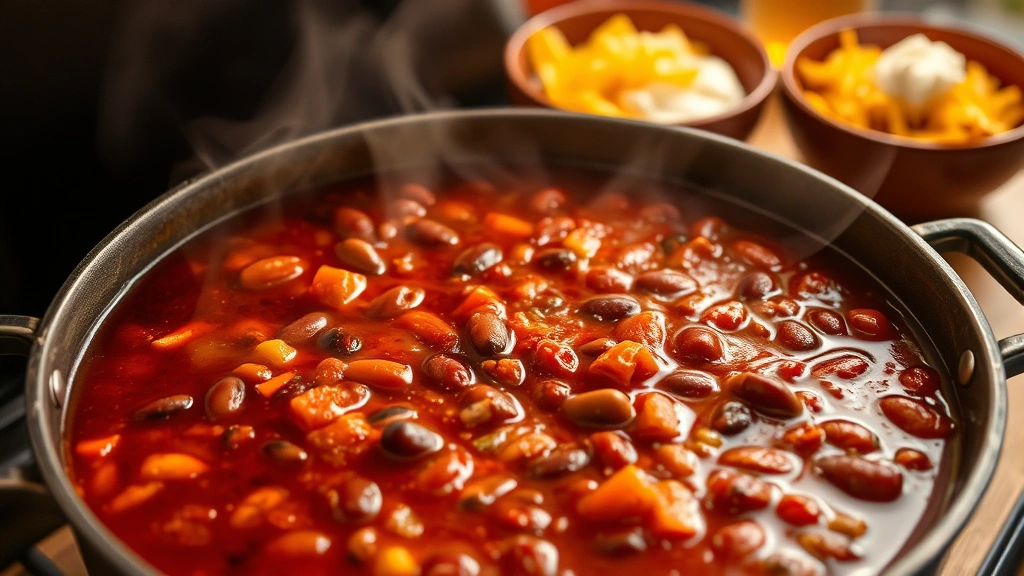
Classic Toppings: Shredded sharp cheddar cheese adds creamy richness and slight tang. Sour cream or Mexican crema provides cooling contrast to the McCormick seasoning’s heat. Fresh diced onions add crisp texture and bright flavor. Sliced jalapeños contribute additional heat and freshness for those who want it.
Textural Elements: Crushed tortilla chips provide crunch and corn flavor. Crispy fried onions add indulgent texture. Toasted breadcrumbs or cornbread crumbles introduce interesting contrast. These elements transform chili from a simple bowl into a more complex, satisfying dish.
Fresh Garnishes: Fresh cilantro adds brightness and herbaceous notes. Sliced green onions contribute mild onion flavor without overwhelming heat. A squeeze of fresh lime juice brightens the entire bowl just before eating. Diced tomatoes add freshness and visual appeal.
Serving Accompaniments: 3-ingredient biscuit recipe options pair perfectly with chili for soaking up flavorful liquid. Wheat bread recipe variations offer hearty companions. Cornbread remains a traditional pairing that complements the McCormick seasoning beautifully. Summer salad recipes provide cooling contrast to spiced chili.
Chili Serving Styles: Traditional bowl service allows guests to customize toppings. Chili cheese fries transform leftover chili into casual appetizers. Loaded baked potatoes create complete meals. Chili-stuffed peppers offer elegant plating for dinner parties. Consider your audience and occasion when deciding presentation style.
Storage and Make-Ahead Tips
McCormick chili improves significantly with time as flavors continue developing. Understanding proper storage and make-ahead techniques maximizes your cooking efficiency.
Refrigerator Storage: Cool your chili completely before transferring to airtight containers. Properly stored chili keeps for 3-4 days in the refrigerator. The flavors actually deepen during storage as spices continue infusing the liquid. Reheat gently over low heat, adding a splash of broth if the consistency has thickened too much.
Freezer Storage: McCormick chili freezes beautifully for up to 3 months. Portion into individual containers or freezer bags for convenient future meals. Leave slight headspace if using containers, as the chili expands slightly when frozen. Thaw overnight in the refrigerator before reheating, or reheat directly from frozen over low heat, stirring occasionally.
Make-Ahead Strategy: Prepare chili up to 2 days before serving. This advance preparation reduces day-of stress and allows flavor development. Reheat just before serving, adjusting seasoning and consistency as needed. This approach works perfectly for parties or busy weeknights.
Flavor Maintenance: If your stored chili tastes slightly muted after refrigeration, add a pinch of fresh McCormick chili seasoning or a small pinch of cayenne pepper to revive flavors. The cold temperature mutes spice perception, so slight adjustment after reheating restores the intended flavor profile.
Consistency Management: If your reheated chili seems too thick, add beef broth or water in small increments until reaching desired consistency. If too thin, simmer uncovered for 10-15 minutes to reduce and concentrate flavors. High protein recipes for weight loss often use similar consistency management techniques.
Frequently Asked Questions
How much McCormick chili seasoning should I use?
One standard packet (about 1.5 ounces) seasons approximately 2 pounds of ground beef and serves 4-6 people. If you prefer more intense seasoning, add 1-2 teaspoons of additional chili powder or another half packet. Start with one packet and adjust to your taste preference.
Can I make McCormick chili without beans?
Absolutely. Traditional Cincinnati-style chili includes no beans, focusing instead on meat and sauce. Omit beans entirely or reduce the quantity. The McCormick seasoning works beautifully with or without beans, though beans add protein and texture that many prefer.
What’s the best way to reduce chili heat if it’s too spicy?
Add more liquid—beef broth dilutes the spice concentration while maintaining flavor. Alternatively, add a spoonful of sour cream or plain yogurt to individual servings, which provides cooling relief. Dairy products bind with capsaicin, the compound responsible for spice heat, reducing perception.
How long should chili simmer for best flavor?
Minimum 45 minutes allows flavors to develop, but 1.5 to 2 hours produces significantly deeper complexity. The longer simmering allows spices to fully infuse the liquid and meat, and allows flavors to meld into a cohesive whole. Plan accordingly based on your schedule.
Can I double the McCormick chili recipe?
Yes, doubling works well. Use 2 packets of McCormick seasoning, double all other ingredients, and use a large pot. Increase simmering time slightly—about 15-20 minutes additional—to ensure flavors develop fully in the larger volume. Taste and adjust seasoning as needed.
What’s the difference between chili powder and McCormick chili seasoning?
Pure chili powder is a single spice, while McCormick chili seasoning is a pre-blended mixture containing chili powder, cumin, garlic, paprika, and other spices. The blend offers convenience and consistency, though you can substitute pure chili powder in equal amounts if preferred. The flavor profile will differ slightly—pure chili powder delivers more intense chili heat.
Should I add the beans at the beginning or end of cooking?
Add beans about 15 minutes before serving if using canned beans. This timing prevents them from becoming mushy while allowing them to absorb chili flavors. If using dried beans, cook them separately until tender, then add them toward the end of chili cooking. This approach gives you better texture control.


