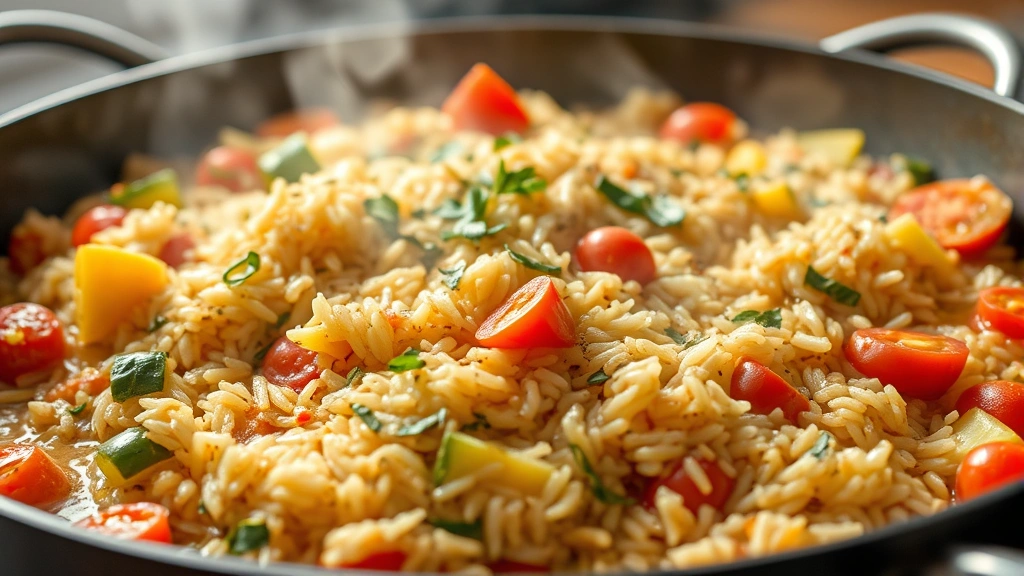
Mediterranean Rice Dish: Grandma’s Secret Recipe
There’s something magical about the way Mediterranean flavors transport you straight to sun-drenched coastal villages and rustic family kitchens. This Mediterranean rice recipe has been passed down through generations in my family, each cook adding their own subtle touch while honoring the original tradition. What makes this dish truly special isn’t just the combination of ingredients—it’s the philosophy behind it: simple, wholesome components treated with respect and care.
My grandmother learned this recipe from her mother in a small village near the Aegean Sea, where rice dishes were prepared with whatever vegetables were fresh from the garden and pantry staples that had been carefully preserved. The beauty of this Mediterranean rice lies in its flexibility; it welcomes seasonal vegetables, accepts different types of rice, and adapts to your family’s preferences while maintaining its authentic soul. Whether you’re cooking for a weeknight dinner or preparing a special meal for loved ones, this dish delivers restaurant-quality results with home-kitchen simplicity.
Over the years, I’ve refined the technique, learned the timing tricks, and discovered the small secrets that transform ordinary rice into something extraordinary. Today, I’m sharing every detail so you can recreate this beloved family treasure in your own kitchen.
What You’ll Need for Authentic Mediterranean Rice
The ingredient list for this Mediterranean rice recipe is refreshingly short, which is exactly how my grandmother preferred to cook. She believed that fewer ingredients, when chosen with care, create more harmonious flavors than complex combinations. Here’s what you’ll gather:
- 2 cups medium-grain rice (Bomba or Arborio work beautifully, though short-grain varieties are traditional)
- 4 cups vegetable or chicken broth (homemade is ideal, but quality store-bought works)
- 1 large onion, finely diced
- 4 cloves garlic, minced
- 1 red bell pepper, cut into small dice
- 1 cup diced zucchini
- 1 cup diced tomatoes (fresh or high-quality canned)
- ½ cup dry white wine
- ¼ cup extra virgin olive oil
- 1 teaspoon dried oregano
- ½ teaspoon saffron threads (optional but traditional)
- Salt and freshly ground black pepper to taste
- Fresh parsley for garnish
- Lemon wedges for serving
A few notes about ingredient selection: Choose rice that has some substance to it—the Mediterranean style celebrates rice that maintains individual grain integrity rather than becoming creamy. If you’re unfamiliar with different rice types, visit a comprehensive rice guide to understand how grain length affects your final dish. The quality of your olive oil matters significantly here; Mediterranean cooking celebrates good oil as a star ingredient, not just a cooking medium.
Step-by-Step Instructions for Perfect Results
Proper preparation is where many home cooks either succeed or stumble with rice dishes. My grandmother was meticulous about her mise en place—having everything prepared and ready before heat touched any pan. This approach prevents rushed decisions and ensures even cooking throughout.
Step 1: Prepare Your Ingredients
Dice your onion into uniform small pieces—about ¼-inch cubes. This size ensures the onion cooks evenly and distributes throughout the rice. Mince your garlic finely; large chunks will become bitter, while properly minced garlic melts into the oil and creates the subtle backbone of flavor. Cut your bell pepper into small dice, removing all white pith. Prepare your zucchini by cutting it into ¼-inch cubes, and if using fresh tomatoes, dice them and set aside in a bowl, capturing any juices.
Step 2: Toast Your Rice
Heat your olive oil in a large, heavy-bottomed pan over medium heat. Once the oil shimmers, add your rice and stir constantly for 2-3 minutes. This crucial step, called toasting, coats each grain with oil and creates a subtle nutty flavor that becomes the foundation of your dish. You’ll notice the rice becomes slightly translucent at the edges. If you’re using cast iron cookware, this toasting step is particularly effective due to even heat distribution.
Step 3: Build Your Aromatics Base
Add your diced onion to the toasted rice and stir frequently for 3-4 minutes until the onion becomes translucent and softens. The onion will release its sugars, which caramelize slightly and add depth. Next, add your minced garlic and stir for just 1 minute—garlic cooks quickly and you want it fragrant but not brown.
Step 4: Deglaze with Wine
Pour your dry white wine into the pan and stir, scraping the bottom to release any flavorful browned bits. Let the wine reduce by half, which takes about 2-3 minutes. This reduction concentrates the wine’s flavor and allows the alcohol to cook off, leaving only the subtle acidity and complexity.
Step 5: Add Vegetables and Seasonings
Add your diced red bell pepper and zucchini, stirring well to combine. Sprinkle in your dried oregano and add saffron threads if using. Stir everything together, allowing the vegetables to begin softening slightly, about 2 minutes. This is when the kitchen begins to smell authentically Mediterranean.
The Cooking Technique That Makes the Difference
This is where the magic truly happens. My grandmother’s secret wasn’t in exotic ingredients but in understanding how rice absorbs liquid and how heat transforms it.
Adding Liquid Properly
Pour your warm broth into the pan slowly while stirring. The reason for warm broth is simple: it maintains the cooking temperature and prevents the rice from shocking. Add your diced tomatoes and their juices at this point. Stir well, ensuring the rice is evenly distributed and no grains are clumping together.
The Critical Cooking Phase
Bring the mixture to a gentle boil, then reduce heat to medium-low. This is crucial: Mediterranean rice dishes cook at a gentle simmer, not a rolling boil. Cover the pan partially with a lid, leaving a slight gap for steam to escape. This allows you to monitor the cooking without constantly lifting the lid, which disrupts heat and moisture balance.
For the next 18-20 minutes, resist the urge to stir frequently. Instead, check the rice every 5 minutes by gently pushing it aside to observe the liquid level. The rice should be cooking in liquid that gradually reduces. About two-thirds through cooking, you can give it one gentle stir to ensure even cooking.
The rice is done when the grains are tender but still maintain their structure, and the liquid is mostly absorbed. You should see small tunnels or pockets in the rice where steam has escaped. If liquid remains, continue cooking uncovered for 2-3 minutes. If the rice is tender but too wet, remove the lid and let excess moisture evaporate.
The Rest Period
Once cooked, remove the pan from heat and cover it tightly with foil for 5 minutes. This resting period allows the rice to firm up and the residual heat to finish cooking any undercooked grains. It’s a small step that significantly improves texture.
Step 6: Final Seasoning and Finishing
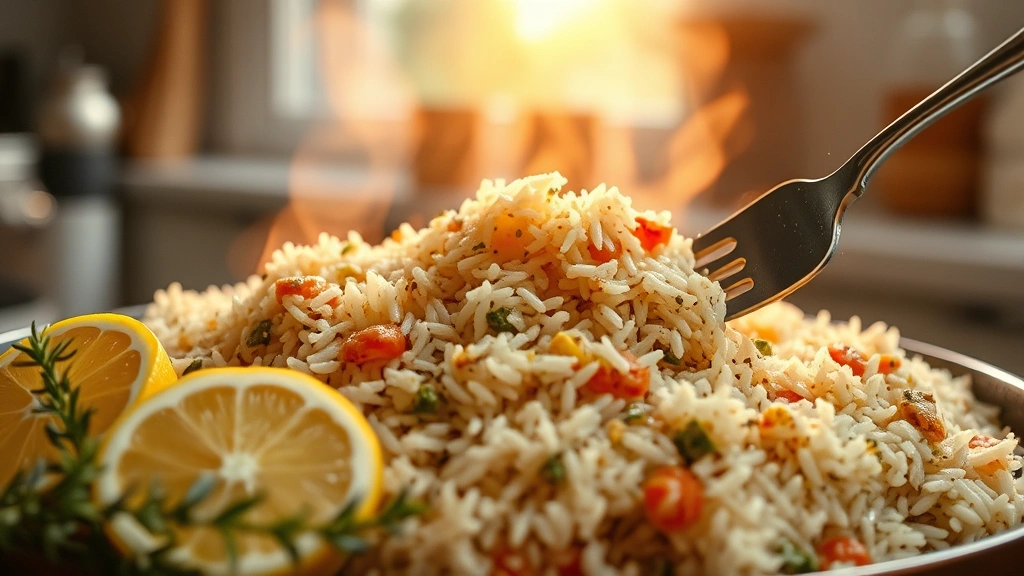
After resting, fluff the rice gently with a fork, breaking up any clumps. Taste a spoonful and adjust seasoning with salt and freshly ground black pepper. Add fresh lemon juice if desired—the acidity brightens all the Mediterranean flavors. Stir in fresh chopped parsley just before serving.
Flavor Variations and Adaptations
While this recipe honors tradition, it also welcomes creativity. My grandmother always said a good recipe should reflect the season and the cook’s mood.
Seasonal Vegetable Swaps
In spring, add fresh peas and asparagus instead of zucchini. Summer invites cherry tomatoes and fresh beans. Fall welcomes roasted eggplant and mushrooms. Winter calls for carrots and celery. The technique remains identical; only the vegetables change. This flexibility is why this Mediterranean rice recipe has survived generations—it adapts without losing its identity.
Protein Additions
For a heartier meal, add diced chicken breast that’s been cooked separately, or stir in white beans and chickpeas. If you enjoy seafood, shrimp added in the last 5 minutes of cooking transforms this into a paella-style dish. For vegetarian versions, simply use vegetable broth and add more beans.
Herb Variations
While oregano is traditional, fresh basil stirred in at the end adds brightness. Thyme works beautifully with mushroom variations. If you have access to fresh herbs, consider learning about preserving herbs so you can enjoy Mediterranean flavors year-round.
Wine and Broth Options
Different white wines impart different characteristics—Pinot Grigio is clean and bright, while Sauvignon Blanc adds herbaceous notes. Some Mediterranean cooks use vermouth for additional complexity. The broth choice matters too; vegetable broth keeps the dish lighter, while chicken broth adds subtle richness.
Serving and Pairing Ideas
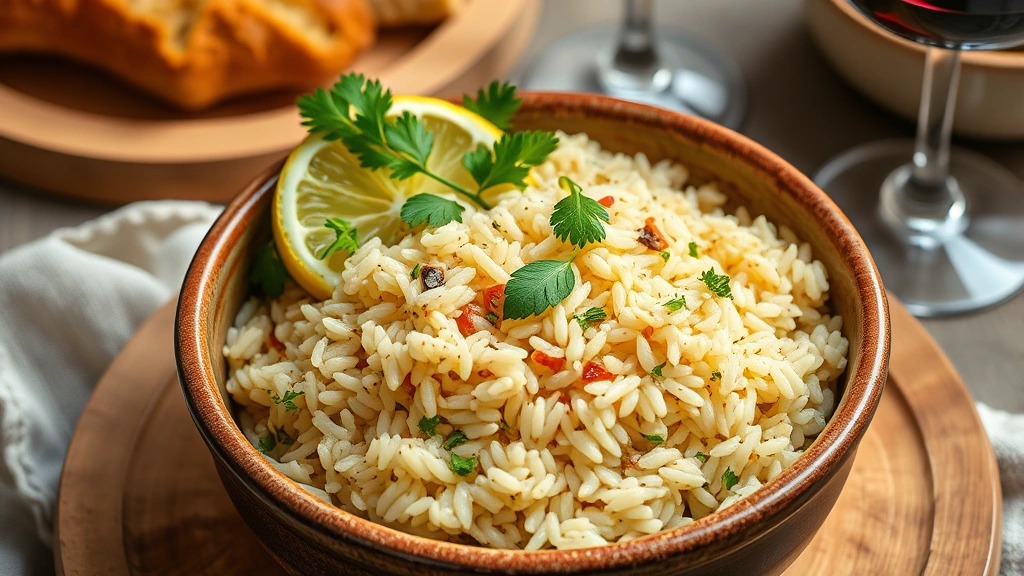
Presentation honors the dish your grandmother perfected. Serve this Mediterranean rice in a wide, shallow bowl so each spoonful contains rice, vegetables, and broth. Garnish generously with fresh parsley and a wedge of lemon on the side.
Wine Pairings
The same white wine you used in cooking pairs beautifully with the finished dish. Alternatively, a crisp rosé or light red like Pinot Noir complements the Mediterranean flavors without overwhelming them.
Complementary Dishes
Serve alongside a fresh green salad dressed simply with olive oil and lemon. Crusty bread is essential for soaking up the flavorful broth. A simple tomato and cucumber salad adds freshness. If you’re looking to expand your Mediterranean cooking repertoire, explore quick pasta recipes that share similar flavor profiles.
Appetizer and Dessert Suggestions
Begin your meal with fresh bruschetta topped with tomatoes and basil. For dessert, keep it light—fresh fruit, a small piece of dark chocolate, or lemon sorbet allows the rice dish to remain the star.
Storage and Make-Ahead Strategies
One of the beauties of this Mediterranean rice dish is that it actually improves after a day as flavors meld and develop. Store leftovers in an airtight container in the refrigerator for up to 4 days.
Reheating Methods
To reheat, add a splash of broth or water to the rice and warm gently over medium heat, stirring occasionally, until heated through. You can also reheat in the microwave, covered, stirring halfway through. The texture may be slightly firmer than the first serving, which many people prefer.
Make-Ahead Preparation
You can prepare all vegetables the morning of cooking and store them in separate containers. Toast your rice and prepare the broth ahead of time. On cooking day, everything comes together quickly. Some cooks prepare the entire dish in the morning and reheat for dinner, which works beautifully if you have time constraints.
Freezing Considerations
While rice dishes can be frozen, the texture becomes slightly grainy upon thawing. If you must freeze, store in portions with extra broth, and thaw slowly in the refrigerator before reheating with additional liquid. For better results, simply make fresh batches as needed. Learning about food waste reduction helps you plan portions that minimize leftovers while still allowing for flexibility.
Scaling the Recipe
This recipe serves 4-6 people comfortably. To double it, simply multiply all ingredients by two and use a larger pan. The cooking time remains the same. To halve the recipe, use a smaller heavy-bottomed pan and reduce cooking time by 2-3 minutes. The ratio of rice to liquid remains constant: roughly 1 part rice to 2 parts liquid.
Understanding the Science Behind Perfect Rice
My grandmother didn’t know the chemistry of rice cooking, but she understood it intuitively through years of practice. Understanding the science helps you troubleshoot if something goes wrong.
Rice grains are primarily starch surrounded by a protective outer layer. When rice cooks, it absorbs water, which penetrates the grain and causes the starch to gelatinize—this is what creates that tender, cooked texture. The key to perfect rice is providing exactly the right amount of liquid at the right temperature for the exact duration needed.
Medium-grain rice, which is traditional for Mediterranean dishes, requires a 1:2 ratio of rice to liquid. This means 2 cups of rice needs 4 cups of liquid. The vegetables and wine in this recipe adjust the liquid slightly, but the basic principle remains. For more detailed information about rice cooking chemistry, consult professional cooking resources.
Temperature control is equally important. A rolling boil creates uneven cooking and excessive evaporation. A gentle simmer allows the rice to cook uniformly as liquid gradually penetrates each grain. This is why reducing heat after the initial boil is absolutely essential.
The covering technique affects moisture retention. Partial covering allows some steam to escape while maintaining a moist cooking environment. Fully uncovered, the rice dries out too quickly. Fully covered, steam builds up and can make the rice mushy on top while remaining undercooked at the bottom.
Troubleshooting Common Issues
Rice is Too Dry or Hard
This usually means insufficient liquid or too-high heat during cooking. Next time, ensure you’re using the proper 1:2 ratio and maintain a gentle simmer. If it happens mid-cooking, add warm broth gradually and continue cooking covered.
Rice is Too Wet or Mushy
Excess liquid or too-long cooking causes this. Next time, reduce liquid slightly or decrease cooking time. If it happens during cooking, remove the lid and continue cooking uncovered until excess moisture evaporates.
Uneven Cooking (Some Grains Tender, Some Hard)
This usually means the heat wasn’t even or the rice wasn’t distributed uniformly. Use a heavy-bottomed pan, ensure your heat is consistent, and give the rice one gentle stir about two-thirds through cooking.
Bland Flavor
Underseasoning is the most common cause. Remember to season in layers—when adding vegetables, when adding liquid, and again at the end. Taste frequently as you cook.
Where to Source Quality Ingredients
Mediterranean cooking relies on ingredient quality. Your local farmers market offers the freshest vegetables and often carries specialty items like saffron and quality olive oil. Mediterranean markets, if available in your area, stock authentic brands of rice, olive oil, and dried herbs. Online retailers provide access to specialty ingredients when local sourcing isn’t possible.
For olive oil specifically, look for “extra virgin” and “cold-pressed,” which indicates minimal processing and maximum flavor. The color should be deep green or golden. Taste before buying if possible—quality varies significantly even within premium categories.
FAQ
Can I use long-grain rice for this Mediterranean rice recipe?
While possible, long-grain rice isn’t traditional and produces a different texture—more separate grains, less creamy. Medium-grain varieties like Bomba or Arborio are specifically bred for dishes like this, absorbing liquid while maintaining grain integrity. If you only have long-grain available, reduce liquid slightly and watch cooking time carefully.
Is saffron really necessary?
Saffron is traditional but optional. It adds a subtle floral note and beautiful golden color. If omitted, the dish remains delicious but loses that authentic Mediterranean complexity. If cost is a concern, a tiny pinch goes a long way—saffron is potent.
Can I prepare this dish in a rice cooker?
Rice cookers work for basic rice cooking but don’t allow the toasting step or proper vegetable integration that makes this dish special. For authentic results, use the stovetop method. However, if time is extremely limited, you can toast rice and aromatics on the stovetop, then transfer to a rice cooker with all ingredients.
What’s the difference between this and risotto or paella?
Risotto requires constant stirring and gradual liquid addition, creating a creamy texture. Paella uses short-grain rice and develops a crispy bottom layer. This Mediterranean rice dish falls between them—minimal stirring, medium-grain rice, and a gentle simmer that produces tender rice with distinct grains in a flavorful broth.
How can I make this completely vegetarian?
Simply use vegetable broth instead of chicken broth and omit any meat products. The vegetable content is already substantial. Consider adding white beans, chickpeas, or lentils for additional protein and heartiness.
Can I add seafood to this dish?
Absolutely. Add diced shrimp or scallops in the last 5 minutes of cooking so they don’t overcook. Fish works too, though it requires gentle handling. Some cooks prepare seafood separately and stir it in after the rice finishes cooking to prevent breakage.
What wine should I use if I don’t drink alcohol?
Substitute dry white wine with additional broth or a splash of lemon juice. The wine adds acidity and complexity, but these can be replicated with lemon or high-quality vinegar, though the flavor profile shifts slightly.
How do I know when the rice is perfectly done?
The rice should be tender when bitten but still maintain its shape—not mushy or crunchy. You should see small steam pockets in the rice. The liquid should be mostly absorbed, with perhaps a thin layer of broth remaining. Taste a grain to confirm doneness.
Can I make this in advance for a dinner party?
Yes, prepare it up to 4 hours ahead and reheat gently with added broth. Or prepare all components ahead and assemble on cooking day, which takes only 30 minutes. The assembled dish is best served immediately for optimal texture, though it remains excellent for several hours.
What’s the best way to serve this to guests?
Present in a wide shallow bowl, garnished with fresh parsley and a lemon wedge. Serve family-style in a large platter if preferred. Accompany with crusty bread, a simple salad, and the same wine used in cooking. This creates an authentic Mediterranean dining experience.


