Million Dollar Spaghetti Recipe: The Ultimate Comfort Dish That Lives Up to Its Name
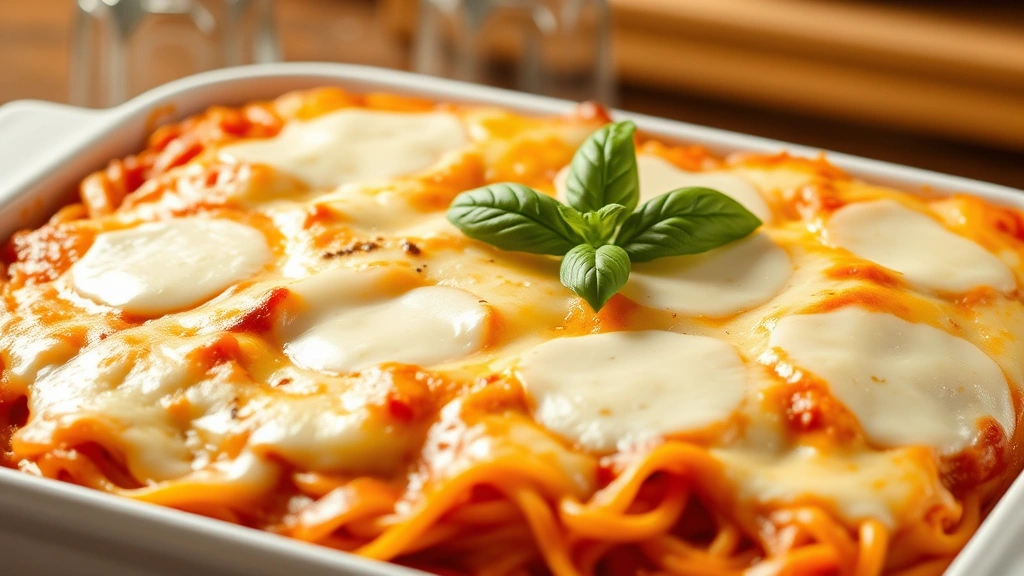
Million dollar spaghetti isn’t just a catchy name—it’s a testament to how simple ingredients transform into something extraordinary when layered with care and precision. This iconic casserole combines tender spaghetti, rich meat sauce, creamy cheese layers, and a golden-baked exterior that rivals any restaurant dish. Whether you’re feeding a family of four or preparing for a dinner party, this recipe delivers consistent, impressive results that justify its legendary status.
The beauty of million dollar spaghetti lies in its versatility and foolproof execution. Unlike traditional spaghetti dishes that require perfect timing to keep noodles al dente, this baked version actually improves when made ahead. The flavors meld together overnight, creating deeper, more complex taste profiles. Home cooks love this recipe because it’s forgiving, elegant, and delivers restaurant-quality results from your own kitchen.
What Makes Million Dollar Spaghetti Special
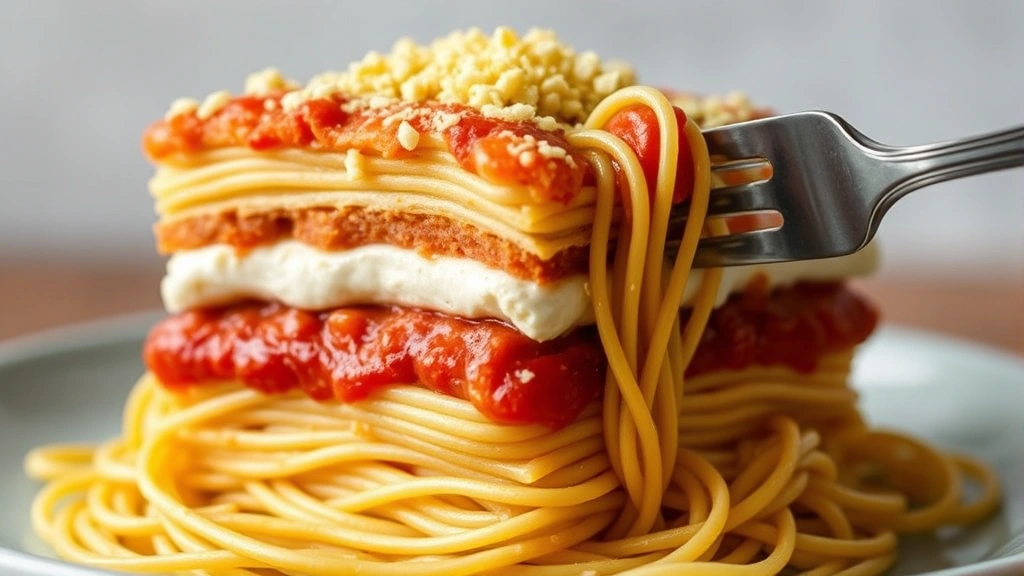
Million dollar spaghetti stands apart from standard pasta dishes through its unique construction method. Rather than serving spaghetti in a bowl with sauce ladled on top, this recipe bakes everything together in a cohesive casserole. The spaghetti absorbs flavors from the sauce, cheese, and creamy layers throughout the dish, creating a unified texture that’s neither too wet nor too dry.
The name itself has sparked countless debates among food enthusiasts. Some claim it refers to the dish’s luxurious appearance and taste, while others suggest it’s named after its price-to-value ratio—expensive-looking yet affordable to make. Regardless of origin, the name perfectly captures the indulgent feeling of eating this rich, satisfying casserole.
What truly elevates this dish is the combination of three distinct flavor profiles: the savory, umami-rich meat sauce, the cool creaminess of cheese layers, and the slight tanginess of Italian seasonings. When these elements bake together, they create a harmonious blend that’s far superior to the sum of its parts. This is why homemade sauces matter so much—store-bought versions often lack the depth needed for this dish’s complexity.
Essential Ingredients Breakdown
Understanding each ingredient’s role ensures your million dollar spaghetti reaches its full potential. Quality matters here more than in many other recipes because there are fewer components to hide behind.
Ground Beef: Use 80/20 ground beef for optimal flavor and texture. Leaner meat results in a drier sauce, while fattier options create greasiness. One pound provides enough richness for a standard 9×13 casserole serving six to eight people comfortably.
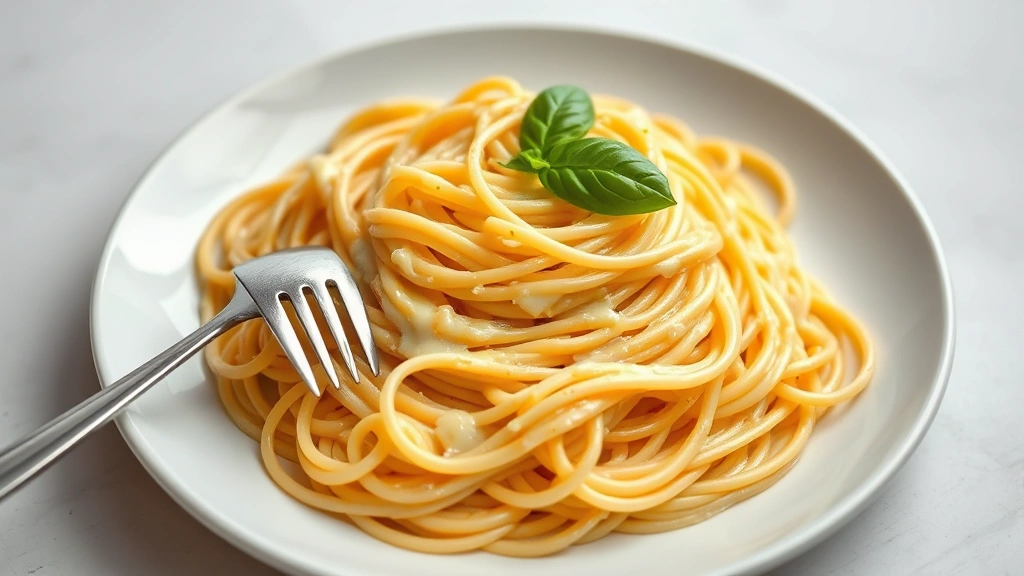
Pasta: Standard spaghetti works perfectly, though you can experiment with linguine or fettuccine. Cook it to just under al dente since it will continue cooking in the oven. This prevents mushy, overcooked noodles in the final dish.
Cream Cheese: This ingredient separates million dollar spaghetti from ordinary baked pasta. Use full-fat cream cheese softened to room temperature. It creates a creamy middle layer that provides textural contrast and richness that ricotta cannot replicate.
Sour Cream: This adds tangy flavor and moisture without heaviness. The acidity cuts through the richness of cheese and meat, balancing the overall taste profile beautifully.
Mozzarella Cheese: Use freshly shredded mozzarella from a block rather than pre-shredded varieties. Pre-shredded cheese contains anti-caking agents that prevent proper melting and create a grainy texture. Shredding your own takes two minutes and dramatically improves results.
Marinara Sauce: A quality marinara forms the foundation of your dish. Many home cooks prefer making homemade sauces for superior flavor control, though quality store-bought options work well too.
Seasonings: Fresh garlic, Italian herbs, salt, pepper, and a pinch of red pepper flakes create complexity. These seasonings build layers of flavor throughout the dish.
Step-by-Step Preparation Guide
Proper preparation is crucial for million dollar spaghetti success. Each step builds on the previous one, and rushing through preparation compromises the final result.
Step One: Brown the Meat
Heat a large skillet over medium-high heat. Add one pound of ground beef, breaking it apart with a wooden spoon as it cooks. Continue cooking until no pink remains, approximately five to seven minutes. Drain excess fat if necessary, leaving about one tablespoon in the pan for flavor. This fat carries flavor compounds that enhance the sauce.
Step Two: Build the Sauce Base
Add minced garlic to the hot meat and cook for one minute until fragrant. Pour in your marinara sauce and add one teaspoon Italian seasoning, half a teaspoon salt, and a quarter teaspoon red pepper flakes. Simmer for ten minutes, allowing flavors to meld. This simmering time is non-negotiable—it allows the spices to fully bloom and distribute throughout the sauce.
Step Three: Prepare the Pasta
While the sauce simmers, bring a large pot of salted water to a rolling boil. Add one pound spaghetti and cook according to package directions, but reduce cooking time by one minute. The pasta should be slightly firmer than typical serving consistency. Drain well but do not rinse—the starch helps bind layers together.
Step Four: Create the Cream Cheese Layer
In a medium bowl, combine eight ounces softened cream cheese, one cup sour cream, and one-half cup grated Parmesan cheese. Mix until completely smooth. This layer becomes the creamy interior that distinguishes million dollar spaghetti from ordinary baked pasta. Take time to fully incorporate ingredients for a uniform texture.
Step Five: Preheat Your Oven
Set your oven to 350 degrees Fahrenheit and allow it to fully preheat. A properly preheated oven ensures even cooking throughout the casserole. This takes approximately fifteen minutes and shouldn’t be rushed.
Building the Perfect Layers
Layering technique directly impacts how well flavors develop and distribute throughout your finished dish. Approach this step methodically for best results.
Layer One: The Foundation
Lightly grease a 9×13-inch baking dish with butter or cooking spray. Spread one cup of meat sauce on the bottom, creating an even coating. This prevents the bottom layer of pasta from sticking while adding flavor from underneath. The sauce creates a barrier that keeps the dish moist during baking.
Layer Two: Pasta Base
Add half of your cooked spaghetti, spreading it evenly across the sauce. Break longer noodles if necessary to ensure even distribution. This layer provides structure and helps support subsequent layers.
Layer Three: Cream Cheese Layer
Spread the entire cream cheese mixture over the pasta layer. Use an offset spatula or the back of a spoon to create an even distribution. This layer should be approximately one-quarter inch thick. Don’t spread it too thin or it won’t provide enough creamy texture in each bite.
Layer Four: Remaining Pasta
Add the remaining spaghetti over the cream cheese layer. Again, spread evenly to ensure consistent texture throughout the finished dish. This layer sits between two sauce layers, allowing it to absorb flavor from above and below.
Layer Five: Meat Sauce Finale
Pour the remaining meat sauce over the top pasta layer, spreading to cover all noodles. This ensures every bite contains sauce and prevents dry spots on the surface.
Layer Six: Cheese Topping
Finish with two cups shredded mozzarella cheese spread evenly across the top. This creates the golden, bubbly surface that makes million dollar spaghetti so visually appealing. You can also sprinkle additional Parmesan cheese for extra depth of flavor.
Baking and Finishing Touches
The baking process transforms your carefully layered ingredients into a cohesive masterpiece. Proper baking technique ensures the interior cooks through while the top achieves that signature golden finish.
Baking Method
Place your assembled casserole in the preheated 350-degree oven. Bake for thirty-five to forty minutes, until the cheese on top is melted and beginning to brown slightly. The edges should bubble noticeably, indicating that heat has penetrated throughout the dish. If the top is browning too quickly before the center cooks through, loosely cover with aluminum foil for the final fifteen minutes.
Testing for Doneness
Insert a knife into the center of the casserole. It should meet slight resistance from the pasta but slide through relatively easily. If you encounter excessive firmness, the dish needs additional cooking time. A properly cooked million dollar spaghetti should feel slightly firm but never hard or crunchy.
Resting Period
Remove the casserole from the oven and let it rest for ten minutes before serving. This resting time allows the cheese to set slightly, making the casserole easier to portion. It also allows internal temperatures to equalize, ensuring consistent texture throughout each serving.
Finishing Presentation
Garnish with fresh basil or Italian parsley immediately after removing from the oven. The heat will slightly wilt the herbs, releasing aromatic oils that enhance the dish’s appeal. A light drizzle of high-quality olive oil adds sophistication and richness.
Storage and Make-Ahead Tips
One of million dollar spaghetti’s greatest advantages is its make-ahead capability. Unlike many pasta dishes that deteriorate when prepared in advance, this casserole actually improves overnight as flavors develop and meld.
Refrigerator Storage
Cover cooled casserole tightly with plastic wrap or transfer to an airtight container. It keeps perfectly for three to four days in the refrigerator. To reheat, cover with foil and warm at 325 degrees for twenty to thirty minutes until heated through. The foil prevents the cheese from over-browning during reheating.
Freezer Storage
Million dollar spaghetti freezes beautifully for up to three months. You can freeze the assembled, unbaked casserole or the fully baked version. For unbaked casseroles, thaw overnight in the refrigerator before baking according to standard instructions, adding five to ten minutes to baking time. For baked casseroles, thaw overnight and reheat at 325 degrees covered with foil for thirty to forty minutes.
Preparing Ahead
Assemble your casserole up to twenty-four hours before baking. Cover tightly with plastic wrap and refrigerate. When ready to bake, remove from refrigerator thirty minutes before baking to allow the dish to come closer to room temperature, ensuring more even cooking. Add five to ten minutes to baking time if baking directly from refrigeration.
Portion Control
Cut the cooled casserole into individual portions and freeze in separate containers. This allows you to reheat only what you need, perfect for busy weeknight dinners. Individual portions reheat in approximately ten to fifteen minutes in a 325-degree oven.
Variations and Customizations
While the classic million dollar spaghetti recipe is perfect as-is, countless variations allow you to personalize it to your preferences and dietary needs.
Italian Sausage Version
Substitute ground Italian sausage for beef to add fennel-forward spice and herbal complexity. Brown sausage the same way as beef, breaking it into small pieces. This variation pairs beautifully with a slightly sweeter marinara sauce.
Vegetarian Adaptation
Replace ground meat with finely chopped mushrooms sautéed in olive oil until they release their moisture and begin browning. Add walnuts pulsed in a food processor for textural depth similar to ground meat. This version provides umami richness that satisfies even meat-loving diners.
Ricotta Alternative
Use ricotta cheese instead of or in combination with cream cheese for a lighter texture. Ricotta creates a more traditional Italian lasagna feel while remaining creamy. Use two cups ricotta mixed with one-half cup sour cream and proceed with standard instructions.
Spicy Kick
Add one teaspoon red pepper flakes to the meat sauce and mix jalapeño slices into the cream cheese layer. Top with sharp cheddar instead of mozzarella for additional complexity. This version appeals to heat-lovers seeking bold flavors.
Garden Vegetable Version
Incorporate sautéed zucchini, spinach, and bell peppers into the sauce. This increases vegetable intake while maintaining the dish’s rich, satisfying character. Vegetables should be cooked until tender before adding to the sauce to prevent excess moisture.
Seafood Twist
Replace meat sauce with shrimp sautéed in garlic and white wine, then combined with marinara. This elegant variation works particularly well for dinner parties and special occasions. Use smaller shrimp cut into bite-sized pieces for consistent texture throughout the dish.
Lighter Version
Use Greek yogurt instead of sour cream and reduce mozzarella to one-and-a-half cups. Use 93/7 lean ground beef and include more vegetables. This version reduces fat and calories while maintaining satisfying flavor and texture. You may need to add slightly more marinara sauce since Greek yogurt is thinner than sour cream.
For those interested in exploring other make-ahead dinner solutions, healthy crock pot recipes offer excellent alternatives for busy weeknights. Additionally, understanding how to preserve fresh herbs allows you to maintain quality garnishes year-round.
FAQ
Why is my million dollar spaghetti watery?
Excess moisture typically results from over-cooking pasta or using wet mozzarella. Ensure you cook pasta to just under al dente and use freshly shredded mozzarella rather than pre-shredded varieties. If you’ve already assembled the casserole, drain off excess liquid before baking or sprinkle breadcrumbs on top to absorb moisture.
Can I use no-boil noodles instead of regular spaghetti?
No-boil noodles don’t work well in this recipe because they require specific moisture levels to soften properly. Regular spaghetti cooked to just under al dente performs best. The pre-cooking ensures proper texture in the finished casserole.
What’s the best way to reheat leftover million dollar spaghetti?
Cover tightly with foil and warm at 325 degrees for twenty to thirty minutes until heated through. The foil prevents excessive browning while the lower temperature ensures gentle, even reheating. Remove foil for the final five minutes if you desire a crisper top.
Can I make this in a slow cooker?
While traditional baking produces superior results, you can adapt this recipe for slow cookers. Layer ingredients in a slow cooker-safe dish, cover, and cook on low for four to five hours. Results won’t be identical to oven-baked versions since slow cookers don’t brown the cheese topping, but the casserole will cook through successfully.
How do I prevent the cheese topping from burning?
If your oven runs hot or you prefer minimal browning, cover the casserole with foil for most of the baking time. Remove foil during the final ten minutes to allow light browning. You can also reduce oven temperature to 325 degrees and extend baking time by five to ten minutes.
Is million dollar spaghetti better made a day ahead?
Yes, flavors develop beautifully overnight as ingredients meld together. Making it a day ahead also reduces stress on serving day—simply reheat and serve. This advance preparation makes it ideal for entertaining.
What sides pair well with million dollar spaghetti?
A crisp salad provides textural contrast and cuts through the richness. Simple coleslaw offers refreshing acidity, while garlic bread complements the Italian flavors. Roasted vegetables add nutritional balance without overwhelming the main dish.
Can I double this recipe?
Absolutely. Use two 9×13-inch baking dishes and double all ingredient quantities. Baking time remains approximately thirty-five to forty minutes since you’re using two shallow dishes rather than one deep one. This makes million dollar spaghetti perfect for feeding large gatherings or creating multiple freezer meals.


