Gourmet Morel Mushroom Recipes: Chef’s Picks for Culinary Excellence
Morel mushrooms represent one of the most coveted ingredients in fine dining kitchens worldwide. These honeycomb-textured fungi possess a delicate, nutty flavor profile that elevates any dish from ordinary to extraordinary. Whether you’re a seasoned chef or an ambitious home cook, mastering morel mushroom recipes opens doors to sophisticated, restaurant-quality meals that will impress even the most discerning palates.
The season for fresh morels is fleeting—typically spanning spring months—making them precious and highly sought after by culinary professionals. Their unique structure creates natural pockets perfect for capturing rich sauces, creamy compounds, and aromatic infusions. This comprehensive guide explores the finest preparations, techniques, and flavor combinations that showcase why chefs consistently return to morels as their ingredient of choice for memorable dining experiences.
From simple sautéed preparations to complex multi-component dishes, we’ll explore how to select, prepare, and cook morels to maximize their distinctive character. You’ll discover why these mushrooms pair beautifully with seafood preparations, butter-based sauces, and delicate proteins that complement rather than compete with their subtle earthiness.
Selecting and Preparing Fresh Morels
Choosing quality morels determines your recipe’s success. Look for firm specimens with tightly closed honeycomb chambers and no soft spots or visible decay. Size varies considerably—some mushrooms measure just an inch tall while premium specimens reach three to four inches. Larger morels offer more surface area for sauce absorption and present beautifully on the plate.
When selecting morels, gently squeeze each mushroom. Fresh specimens should feel slightly springy, not mushy or hollow. The color varies from blonde to deep brown depending on species and growing conditions. Darker morels often possess more concentrated flavor, while lighter varieties tend toward subtle, delicate notes.
Cleaning requires careful attention. Despite popular belief, soaking morels isn’t necessary or recommended—the honeycomb structure traps water, making them soggy and flavorless. Instead, use a soft brush or damp cloth to gently remove forest debris from the exterior. For interior cleaning, hold each mushroom upside down and gently brush the underside of the honeycomb chambers. Some chefs prefer a quick rinse under cold running water, immediately patted dry with paper towels.
Halving morels lengthwise creates elegant presentations and ensures even cooking. This technique also allows heat to penetrate the center quickly, preventing the exterior from overcooking before the interior reaches proper temperature. For larger specimens, quartering works beautifully in composed dishes where visual appeal matters.
Classic Morel Mushroom Preparations
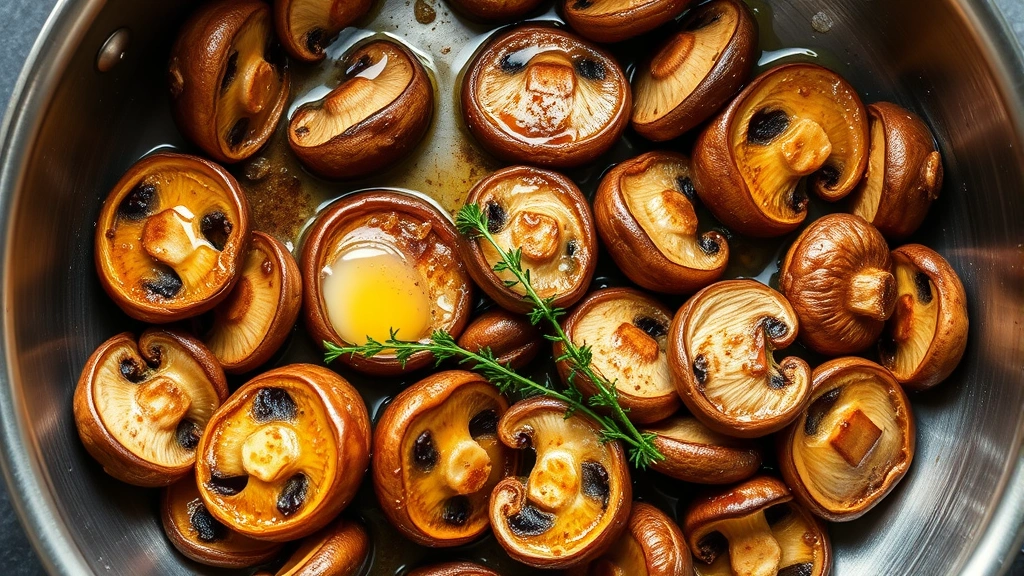
Simple Butter-Sautéed Morels represents the gold standard for appreciating these mushrooms’ true character. Heat clarified butter or quality olive oil in a large skillet over medium-high heat. Once shimmering, add morel halves in a single layer—don’t overcrowd the pan, as steam prevents proper browning. Allow mushrooms to cook undisturbed for three to four minutes until the cut side develops golden-brown color. Flip and cook another two to three minutes until the exterior achieves similar coloring. Season aggressively with fleur de sel and cracked black pepper. This simplicity allows morel flavor to shine without distraction.
For Morels with Garlic and Thyme, add minced garlic and fresh thyme sprigs to the butter during the final minute of cooking. The gentle heat brings out garlic’s sweetness while thyme’s herbaceous notes complement morel’s earthiness perfectly. A squeeze of fresh lemon juice at the end brightens the dish and prevents it from feeling heavy. This preparation works wonderfully as a comfort food option when served with crusty bread for sauce absorption.
Creamed Morels elevate the mushrooms into luxurious territory. After sautéing morels in butter until golden, remove them temporarily. In the same pan, sauté minced shallots until translucent, then deglaze with dry white wine or cognac, scraping up browned bits from the pan bottom. Add heavy cream and allow it to reduce by one-third, concentrating flavors beautifully. Stir in Dijon mustard, fresh tarragon, and return morels to the pan. Finish with grated Gruyère or Parmigiano-Reggiano for added depth. This preparation demands quality ingredients and careful seasoning adjustment.
Morels en Papillote (in parchment) offers a restaurant-technique approach suitable for home cooks. Place morel halves on parchment paper squares alongside sliced spring vegetables like asparagus, baby leeks, and thin carrot matchsticks. Top with a knob of compound butter infused with herbs, white wine, and minced garlic. Fold parchment into sealed packets and bake at 400°F for twelve to fifteen minutes. The packets steam contents gently, preserving delicate flavors while the aromatic butter infuses everything with richness.
Perfect Protein Pairings
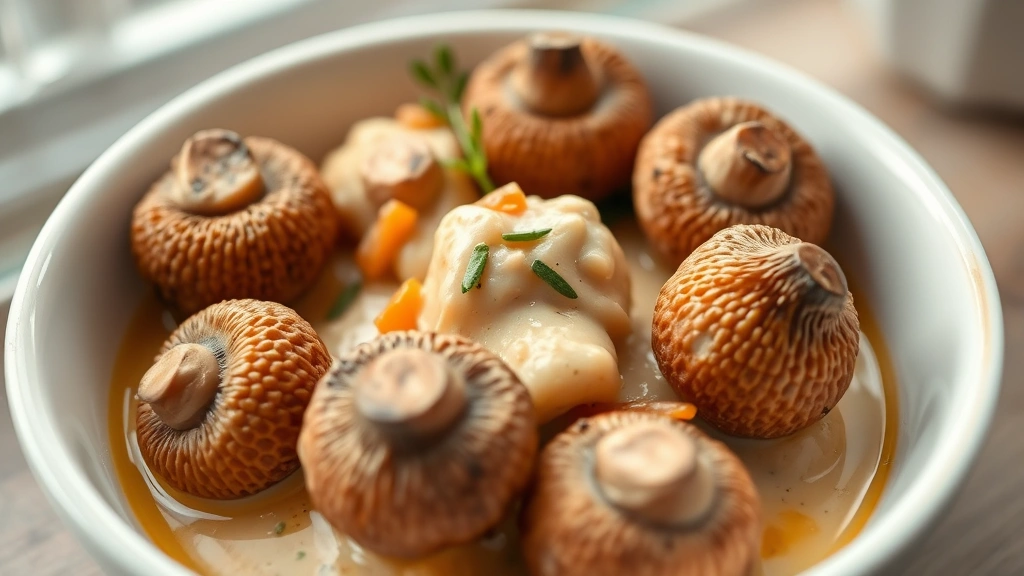
Morels possess versatility that allows pairing with nearly any protein, though certain combinations achieve particular elegance. Morels with chicken creates sophisticated healthy chicken recipes when prepared thoughtfully. Sauté morel halves until golden, then set aside. In the same pan, cook chicken breast or thigh until golden, season, and finish in a 375°F oven. Deglaze the pan with white wine, add the cooked morels and a splash of heavy cream, then spoon this luxurious sauce over the plated chicken. The earthiness of morels complements chicken’s mild flavor without overwhelming it.
Morels with seafood represents another classic pairing explored in best seafood recipes. Delicate white fish like sole, halibut, or turbot pairs beautifully with morel preparations. Try placing a morel-filled butter under fish fillets as they cook, allowing the mushroom essence to infuse the protein. Alternatively, create a morel beurre blanc—a classical French sauce combining white wine reduction, shallots, and cold butter whisked until emulsified, with sautéed morel pieces stirred in at the final moment. This sauce elevates simple pan-seared fish into fine dining territory.
Morels with beef creates rich, sophisticated dishes perfect for special occasions. Tenderloin or ribeye steaks benefit from a morel pan sauce made by deglazing the steak’s cooking pan with beef stock and red wine, reducing until concentrated, then adding sautéed morels and finishing with cold butter. The umami depth of beef and morels creates a harmonious flavor profile that defines elegant entertaining.
Morels with game birds like quail, squab, or duck represents classic French cuisine at its finest. The mushrooms’ subtle earthiness echoes game’s natural flavors without competing for attention. Serve morels as a bed beneath roasted game birds, or incorporate them into rich pan sauces finished with port wine and demi-glace.
For healthy ground turkey recipes, finely chop morels and incorporate them into turkey preparations for added moisture, flavor complexity, and nutritional benefit. Ground turkey’s mild character allows morel flavor to shine while mushroom moisture prevents dryness common in lean poultry preparations.
Sauce Techniques for Morel Excellence
Mastering sauce preparation distinguishes good morel dishes from exceptional ones. Pan sauces represent the most accessible technique. After cooking your protein, remove it to a warm plate and tent with foil. Add minced shallots to the pan’s residual fat and cook until softened, approximately two minutes. Deglaze with wine, stock, or spirit, scraping the pan bottom to incorporate browned bits—this fond provides tremendous flavor. Simmer until reduced by half, concentrating flavors and creating a silkier consistency. Stir in sautéed morels, finish with cold butter whisked in off-heat (this creates a glossy, emulsified sauce), and season to taste with salt, pepper, and perhaps a squeeze of lemon juice.
Velouté-based sauces offer another classic approach. Create a light roux by cooking equal parts butter and flour over medium heat, stirring constantly, for two to three minutes until it reaches a pale blonde color. Whisk in warm stock gradually, stirring to prevent lumps, until you achieve desired consistency. Add sautéed morels, season with salt, white pepper, and perhaps a pinch of nutmeg, then finish with a splash of heavy cream and fresh herbs. This technique produces silky, elegant sauces that coat the spoon beautifully.
Morel cream sauce represents pure indulgence. Sauté morel halves in butter until golden, then remove them. In the same pan, sauté minced shallots and garlic until fragrant, deglaze with white wine or brandy, and reduce by two-thirds. Add heavy cream and simmer gently until it thickens slightly—approximately five to seven minutes. Return morels to the pan, season with salt, white pepper, and fresh tarragon or chervil. A touch of Dijon mustard adds subtle complexity without announcing itself. This sauce demands careful seasoning and should taste balanced—neither too salty nor too rich.
Herb-infused preparations enhance morel recipes tremendously. Fresh tarragon offers subtle anise notes that complement morel earthiness. Chervil provides delicate, slightly sweet herbaceous character. Thyme brings earthy depth that reinforces morel flavors. Chives add gentle onion notes without overwhelming. Dill works surprisingly well with morels, particularly in cream sauces. Add fresh herbs near the end of cooking to preserve their volatile oils and fresh character.
Vegetarian and Side Dishes
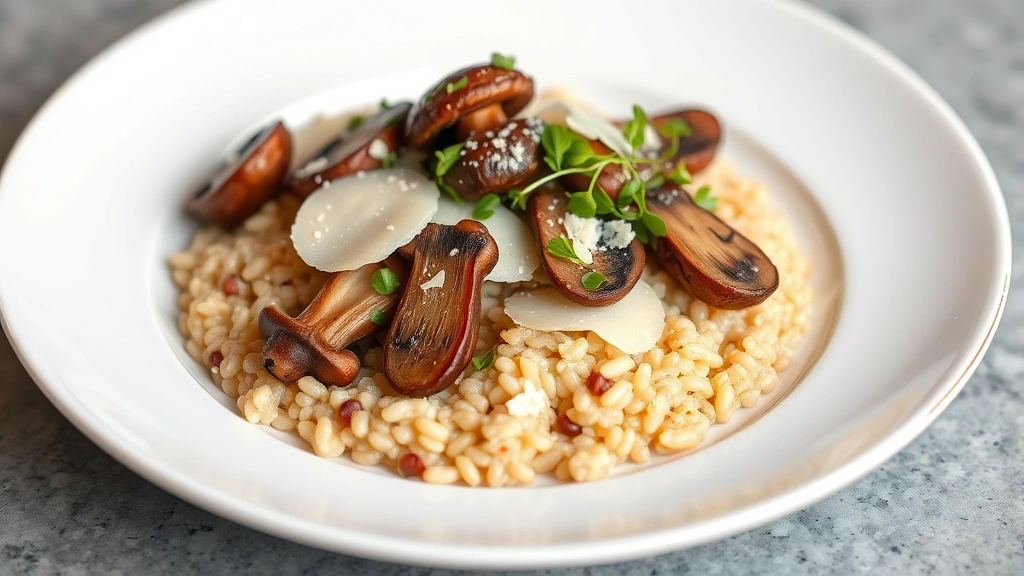
Morel risotto showcases the mushrooms as the dish’s star. Toast arborio rice in butter with minced shallots until translucent, then add white wine and let it reduce. Begin adding warm stock ladleful by ladleful, stirring frequently and allowing each addition to absorb before adding more—this process takes approximately eighteen to twenty minutes. Toward the end, fold in sautéed morel halves and finish with cold butter, grated Parmigiano-Reggiano, and fresh parsley. The rice’s creamy texture created through constant stirring provides a luxurious base for morel flavor.
Morel pasta preparations work beautifully with both cream and oil-based sauces. For quick and easy pasta recipes, toss hot pasta with sautéed morels, garlic-infused olive oil, fresh lemon juice, and grated Parmigiano. The pasta water’s starch creates a light sauce that clings to both noodles and mushrooms. For richer preparations, incorporate morels into Alfredo-style sauces or brown butter preparations finished with sage.
Morel and asparagus preparations celebrate spring’s bounty together. Both ingredients peak simultaneously, making this pairing seasonally appropriate and flavor-balanced. Sauté morel halves until golden, then add fresh asparagus spears and cook until tender-crisp—approximately three to four minutes. Finish with brown butter, crispy breadcrumbs, and grated Parmigiano for textural contrast and elegant presentation.
Morel tart combines morels with pastry in sophisticated ways. Layer puff pastry with a thin spread of Dijon mustard, sautéed morels, caramelized onions, and grated Gruyère. Bake until pastry achieves golden-brown color and cheese melts. Serve warm with a simple green salad dressed with homemade salad dressings featuring shallot vinaigrette or Dijon mustard base.
Morel soup offers comfort while highlighting the mushrooms’ delicate character. Sauté morels with shallots and garlic in butter, add stock and cream, simmer gently for ten minutes, then finish with fresh herbs. Some preparations puree a portion of the soup while leaving whole morel pieces suspended throughout, creating textural interest. A drizzle of truffle oil or crispy sage garnish elevates the presentation significantly.
Preservation and Year-Round Use
Since fresh morels appear seasonally, preservation techniques extend their availability. Drying morels concentrates their flavor remarkably. Clean fresh morels, halve them lengthwise, and arrange on a clean kitchen towel in a warm, well-ventilated area away from direct sunlight. Alternatively, use a dehydrator set to 95-105°F until completely dry—typically twelve to twenty-four hours depending on size. Store dried morels in airtight containers away from light and heat. Rehydrate by soaking in warm water or stock for twenty to thirty minutes before using. The soaking liquid becomes an intensely flavored mushroom broth perfect for sauces and soups.
Freezing morels preserves them adequately for cooked preparations. Sauté morels lightly in butter until partially cooked—they’ll continue cooking when thawed. Cool completely, then freeze in airtight containers or vacuum-sealed bags. Frozen morels work best in sauces, risottos, and soups rather than as standalone preparations where texture matters significantly.
Morel-infused oils capture their essence in liquid form. Pack a clean jar with dried morels, cover completely with mild olive oil or grapeseed oil, seal, and refrigerate for two to three weeks. Strain through cheesecloth and store the fragrant oil in a cool, dark place. Use this oil for finishing dishes, drizzling over soups, or dressing simple preparations where morel flavor should shine.
Morel butter represents another preservation method with tremendous versatility. Finely mince dried or fresh morels and fold into softened butter along with fresh herbs, minced garlic, and salt. Roll into a log using plastic wrap and freeze. Slice rounds as needed to top steaks, fish, vegetables, or pasta. This compound butter delivers morel flavor instantly to any dish.
Understanding morel seasonality helps you plan menus strategically. Fresh morels typically appear March through May in most regions, with peak availability in April and early May. Plan special meals during this window to maximize fresh mushroom quality. Outside this season, preserved forms maintain morel’s character while enabling year-round cooking with these prized ingredients.
FAQ
What’s the difference between true morels and false morels?
True morels feature honeycomb chambers that run completely from top to bottom with no internal structure. Cut one in half lengthwise and the cavity should be hollow. False morels have chambers that don’t extend fully to the stem and often contain cottony material inside. True morels are edible when properly cooked; false morels can cause gastrointestinal distress. When foraging, absolute certainty matters—purchase from reputable sources when uncertain.
How should morels be cooked to ensure food safety?
Morels must be thoroughly cooked—never eaten raw. Heat kills potential toxins and pathogens while improving digestibility. Sauté, simmer, roast, or bake morels until they’re completely tender throughout. This typically requires five to fifteen minutes depending on size and cooking method. Avoid undercooking or eating raw morels, as some people experience gastrointestinal upset from improperly prepared mushrooms.
Can morels be substituted with other mushrooms?
While other mushrooms like porcini, cremini, or shiitake offer earthiness, morels’ unique honeycomb texture and subtle flavor are difficult to replicate exactly. However, cremini or portobello mushrooms work as substitutes in terms of cooking method and general flavor profile. Dried porcini mushrooms rehydrated provide more intense flavor similar to dried morels. Plan recipes specifically for morels rather than viewing them as interchangeable with common varieties.
What wine pairs best with morel mushroom dishes?
White wines like Pinot Grigio, Sauvignon Blanc, or unoaked Chardonnay complement morel dishes beautifully. For richer preparations with cream sauces, fuller-bodied whites work better. Light reds like Pinot Noir work with morels served alongside beef or game. The key is avoiding heavily oaked wines that overpower morel subtlety. Focus on wines with good acidity that cleanse the palate between bites.
How far in advance can morel dishes be prepared?
Sautéed morels maintain quality for one to two days refrigerated in airtight containers. Morel sauces keep three to four days. Morel risotto and pasta are best served immediately but can be gently reheated. Soups and stews containing morels improve with time as flavors meld, keeping up to four days. Avoid freezing cooked morel dishes unless absolutely necessary, as texture deteriorates significantly upon thawing.
Where can I source morels year-round?
Fresh morels appear seasonally at farmers markets and specialty grocers during spring. For year-round availability, purchase dried morels from specialty food retailers, online suppliers, or culinary institutes that source premium ingredients. Frozen morels are available from specialty suppliers. Build relationships with local foragers if you live in morel-growing regions. Some restaurants and caterers source directly from foragers and may sell extras during peak season.
Mastering morel mushroom recipes elevates your cooking into refined territory that impresses family, friends, and guests. Whether you embrace simple butter preparations that let these precious mushrooms speak for themselves or create elaborate multi-component dishes showcasing their versatility, morels deserve respect and careful preparation. Their fleeting seasonal availability makes each opportunity to cook with them special—plan accordingly, source quality specimens, and execute with attention to detail. The results will justify the effort, creating memorable meals that define culinary excellence.
For deeper understanding of mushroom science and culinary applications, consult mushroom cultivation resources and culinary professional organizations that provide comprehensive ingredient knowledge. Exploring detailed cooking technique guides deepens your technical skills while chef blog resources offer inspiration for creative applications of these extraordinary ingredients.


