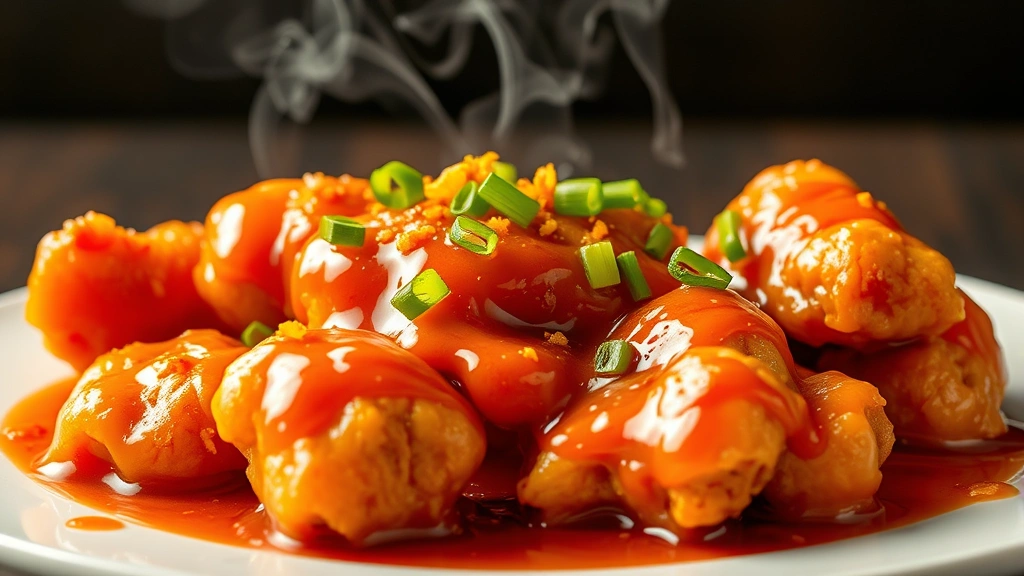
Easy Orange Chicken Sauce: Family Favorite Recipe
Orange chicken sauce is the perfect balance of tangy citrus, sweet caramelization, and savory depth that transforms simple chicken into a restaurant-quality dish your entire family will love. This versatile sauce works beautifully over crispy fried chicken, tender pan-seared breasts, or even grilled poultry, making it an essential recipe to master for weeknight dinners and special occasions alike. The beauty of this sauce lies in its simplicity—just a handful of pantry staples combine to create something truly spectacular.
What makes this orange chicken sauce recipe stand out is how easily it comes together in under fifteen minutes, yet delivers complex, layered flavors that seem like you’ve been cooking all day. Whether you’re preparing a casual family meal or impressing dinner guests, this sauce elevates your chicken dishes to restaurant-level sophistication. The combination of fresh orange juice, soy sauce, ginger, and garlic creates a glaze that’s neither too heavy nor too light, striking that perfect harmony between bold and balanced.
Ingredients You’ll Need
Creating an outstanding orange chicken sauce requires quality ingredients, but nothing exotic or hard to find. Start with fresh orange juice—this is non-negotiable for authentic flavor. Bottled juice works in a pinch, but freshly squeezed oranges provide superior brightness and complexity. You’ll need about one cup of juice to create enough sauce for four to six servings of chicken.
The foundation of umami depth comes from soy sauce, which provides saltiness and savory notes that balance the citrus sweetness. Low-sodium soy sauce gives you more control over the final salt level. Fresh ginger root and garlic cloves are essential aromatics that prevent the sauce from becoming one-dimensional. These three ingredients—orange juice, soy sauce, and ginger-garlic—form the holy trinity of this sauce.
- 1 cup fresh orange juice (about 3-4 medium oranges)
- ½ cup soy sauce (low-sodium preferred)
- 3 tablespoons honey or brown sugar for sweetness
- 2 tablespoons rice vinegar or apple cider vinegar
- 3 cloves garlic, minced finely
- 1 tablespoon fresh ginger, grated or minced
- 1 teaspoon sesame oil for nutty depth
- ½ teaspoon red pepper flakes (optional, for heat)
- 2 tablespoons cornstarch mixed with 3 tablespoons water (slurry)
- Zest of one orange for garnish and flavor intensity
- 2 tablespoons butter or neutral oil for cooking
Optional ingredients that elevate this sauce include star anise, which adds licorice notes, and a splash of rice wine for additional complexity. Some cooks prefer orange zest stirred in at the end for bright, fresh citrus notes that pop on the palate.
Step-by-Step Preparation
Begin by preparing all your ingredients before you start cooking—this mise en place approach ensures smooth execution and prevents scrambling mid-recipe. Juice your oranges, mince your garlic and ginger, and measure out all liquids and seasonings into small bowls. This preparation takes just five minutes but makes the cooking process seamless and stress-free.
Heat a medium saucepan over medium heat and add your butter or oil. Once shimmering, add the minced garlic and ginger, stirring constantly for about one minute until fragrant. This blooming technique releases aromatic compounds, creating a more flavorful base for your sauce. Don’t let the garlic brown, as this creates bitter flavors that overpower the delicate orange notes.
Pour in your fresh orange juice, followed by the soy sauce, honey, and rice vinegar. Stir well to combine all ingredients thoroughly. Bring the mixture to a gentle simmer over medium heat. This is where the magic happens—the flavors begin to marry and develop depth. Let this simmer for about three to four minutes, allowing some of the water content to reduce and concentrate the flavors.
While your sauce simmers, prepare your cornstarch slurry by whisking cornstarch with cold water until completely smooth. This prevents lumps from forming when you add it to the hot liquid. Slowly drizzle the slurry into your simmering sauce while stirring constantly. The sauce will visibly thicken within thirty seconds to one minute. Continue stirring for another minute to ensure the cornstarch fully cooks and loses its raw taste.
Remove from heat and stir in the sesame oil and red pepper flakes if using. Taste your sauce and adjust seasonings—if it’s too sweet, add more vinegar; if too tart, add a touch more honey. This final tasting step ensures your sauce meets your personal preference perfectly.
Cooking Techniques for Perfect Results
The technique you use to cook your chicken dramatically affects how well the orange sauce adheres and coats each piece. For crispy fried chicken, the textured surface provides excellent grip for the sauce, creating that coveted glossy coating. If you’re preparing easy chicken casserole recipes, you can incorporate this sauce as a binding and flavoring agent for incredibly moist results.
Pan-searing chicken breasts creates a golden crust that caramelizes beautifully when coated with this sauce. Heat your skillet to medium-high, add oil, and cook chicken for six to seven minutes per side until golden brown and cooked through. Once the chicken is done, toss it directly in the warm sauce, ensuring every piece gets thoroughly coated.
For grilled chicken, brush the sauce on during the final minutes of cooking to prevent burning while allowing the flavors to caramelize onto the surface. Alternatively, serve the sauce alongside grilled chicken for dipping, which works wonderfully for entertaining.
Baking is another excellent option—place your prepared chicken in a baking dish, pour the sauce over top, and bake at 375°F for twenty to twenty-five minutes. This method keeps the chicken incredibly moist while the sauce reduces slightly and intensifies in flavor. The oven’s even heat ensures consistent cooking without the need for constant attention.
Temperature control is crucial throughout the cooking process. Maintain a gentle simmer rather than a rolling boil, which can cause the sauce to reduce too quickly and become overly concentrated or even burn. A simmer is characterized by occasional bubbles breaking the surface, creating a gentle movement in the liquid.
Flavor Variations and Customizations
This orange chicken sauce recipe serves as an excellent base for creative variations tailored to your preferences and dietary needs. For a spicier version, increase the red pepper flakes to one full teaspoon or add a tablespoon of sriracha for heat with depth. Some cooks swear by adding a pinch of cayenne pepper for lingering warmth without overwhelming heat.
To create an Asian-inspired variation, add one star anise and a one-inch piece of cinnamon stick while the sauce simmers. Remove these whole spices before serving, but they impart subtle warmth and complexity. This variation pairs beautifully with rice dishes and stir-fried vegetables.
For those seeking a lighter version, substitute honey with maple syrup or agave nectar for different sweetness profiles. Maple syrup adds earthy undertones, while agave provides cleaner sweetness. Similarly, you can reduce the soy sauce by two tablespoons and replace it with tamari for a gluten-free option without sacrificing depth.
Citrus variations expand possibilities beyond orange—try grapefruit juice for tartness, lemon juice for brightness, or a combination of orange and lime for tropical notes. Each citrus brings its own character to the sauce. Lime creates a more Southeast Asian profile, while lemon emphasizes the savory elements.
For a sweeter glaze suitable for glazing rather than saucing, increase honey to four tablespoons and reduce the soy sauce to one-third cup. This creates a thicker, more concentrated coating that clings beautifully to chicken pieces. This variation works exceptionally well when combined with quick and easy pasta recipes for a fusion approach.
Serving Suggestions and Pairings
Orange chicken sauce shines when paired with complementary sides that balance and enhance its bold flavors. Steamed white or jasmine rice provides a neutral canvas that allows the sauce to take center stage. For more adventure, try cilantro-lime rice or coconut rice for additional flavor dimensions that play beautifully with the citrus notes.
Stir-fried vegetables tossed with this sauce create a complete meal in one dish. Bell peppers, broccoli, snap peas, and mushrooms all work wonderfully. The vegetables absorb the sauce while maintaining their textural integrity. This approach aligns perfectly with ground beef and rice recipes in terms of one-pan convenience.
Noodle dishes benefit tremendously from this sauce—toss it with ramen, soba, or crispy chow mein noodles for restaurant-quality results. The sauce coats the noodles evenly, and the starches absorb the flavors, creating cohesive bites. Garnish with sesame seeds, sliced green onions, and fresh cilantro for visual appeal and textural contrast.
For appetizers or party platters, serve orange chicken sauce with crispy chicken wings or drumsticks for dipping. The sauce’s consistency works perfectly for a dip, and the smaller pieces make for easy entertaining. Guests will return for seconds, making this an ideal party food.
Vegetable pairings extend beyond just sides—roasted Brussels sprouts, glazed carrots, or caramelized onions all complement the sauce’s sweet-savory balance. The orange notes brighten roasted vegetables while the soy sauce adds umami depth.
Storage and Make-Ahead Tips
This orange chicken sauce stores beautifully in an airtight container in the refrigerator for up to five days, making it perfect for meal prep. Simply reheat gently over low heat, stirring occasionally, until warmed through. If the sauce thickens too much during storage, thin it with a tablespoon of water or orange juice at a time until reaching desired consistency.
For longer storage, freeze the sauce in ice cube trays for convenient portioning. Once frozen solid, transfer cubes to freezer bags and store for up to three months. This approach allows you to thaw exactly the amount needed for single servings or small meals. Thaw overnight in the refrigerator or reheat gently in a saucepan from frozen.
Make the sauce up to two days in advance, which is particularly helpful when entertaining. Store it in the refrigerator and reheat just before serving. This advance preparation eliminates last-minute stress and allows you to focus on cooking perfect chicken and preparing side dishes.
If preparing chicken in advance, keep it separate from the sauce until just before serving. This prevents the chicken from becoming overly saturated or soggy. Toss them together just before plating for optimal texture and presentation. This technique works well when preparing ham and cheese sliders recipe style entertaining where components are assembled shortly before service.
For meal prep bowls, assemble components in separate containers—sauce in one, chicken in another, and rice or noodles in a third. This keeps everything fresh and allows customization. Combine just before eating for the best texture and flavor integrity. This approach works beautifully for busy weekdays when you need quick, healthy meals.

Consider making a double batch of sauce whenever you prepare it—the effort is minimal, but having extra on hand opens countless possibilities. Use it as a marinade for tofu, a glaze for roasted vegetables, or a dipping sauce for dumplings and spring rolls. This versatility makes it a valuable addition to your cooking repertoire.
Professional Tips from Culinary Experts
According to professional culinary resources, the key to restaurant-quality orange sauce lies in proper emulsification and flavor balance. Chefs emphasize tasting throughout the cooking process and adjusting seasonings in small increments rather than large ones. This methodical approach prevents over-correction and ensures balanced results.
Using room-temperature ingredients when possible helps prevent temperature shock that can affect sauce consistency. Allow your orange juice and soy sauce to sit out briefly before combining with heated aromatics. This subtle technique prevents the sauce from breaking or becoming grainy.
Professional cooks often finish sauces with a small knob of cold butter swirled in at the end—a technique called monter au beurre. This creates a silkier mouthfeel and glossier appearance. Add about one tablespoon of cold butter after removing the sauce from heat, stirring constantly until fully incorporated.
According to food science experts, understanding how heat affects ingredients helps you troubleshoot any issues. If your sauce breaks or becomes too thin, gently reheating while whisking can often restore proper consistency. If it becomes too thick, add liquid one tablespoon at a time rather than pouring.
Nutritional Information and Dietary Modifications
A typical serving of orange chicken sauce (about two tablespoons) contains approximately forty calories, with minimal fat and protein. The majority of calories come from carbohydrates, primarily from the honey and orange juice. This makes it a relatively light sauce option compared to cream-based alternatives.
For lower-sodium versions, use low-sodium soy sauce and reduce the amount by one-quarter. Compensate for lost saltiness by increasing ginger, garlic, or adding a pinch of white pepper. This modification reduces sodium content by approximately thirty percent per serving.
Those following paleo or keto diets can modify this sauce by substituting honey with monk fruit sweetener or erythritol in equal amounts. However, you may need to adjust the cornstarch thickener—arrowroot powder works as a one-to-one substitute for a paleo-friendly version. Some keto enthusiasts omit the thickener entirely, creating a thinner sauce that’s still flavorful.
Vegan diets can use this sauce without modification—all ingredients are plant-based. Simply pair it with plant-based chicken alternatives or use it with tofu, tempeh, or seitan for protein. The sauce works beautifully with any protein base.

FAQ
Can I make this sauce without cornstarch?
Yes, though the texture will be thinner. Simmer the sauce for five to eight minutes instead to allow natural reduction and thickening. Alternatively, use arrowroot powder, tapioca starch, or potato starch in equal amounts. Each creates slightly different mouthfeel but works effectively.
What if my sauce is too thick?
Simply whisk in additional orange juice or water one tablespoon at a time until reaching desired consistency. Reheat gently while whisking to ensure even distribution. The sauce will continue thickening slightly as it cools, so account for this when adjusting.
Can I use bottled orange juice?
Yes, bottled juice works fine, though fresh-squeezed provides superior flavor and brightness. If using bottled juice, choose brands without added sugars or preservatives for the cleanest taste. Avoid orange drink or juice cocktails, which contain added ingredients that muddy the sauce’s flavor profile.
How long does this sauce last in the freezer?
Properly stored in airtight containers or freezer bags, this sauce remains fresh for up to three months. Label with the date for easy reference. Thaw overnight in the refrigerator or reheat gently from frozen in a saucepan over low heat.
Does this work with other proteins besides chicken?
Absolutely. This sauce pairs beautifully with duck, pork, shrimp, and tofu. Adjust cooking times based on your chosen protein. The sauce’s citrus-forward profile complements virtually any protein you choose.
Can I make this sauce spicier?
Yes, increase red pepper flakes incrementally or add sriracha, chili paste, or fresh jalapeños. Start with small amounts and taste as you go, as heat levels vary significantly between ingredients. Remember that spice intensifies as the sauce reduces and cools.
What’s the best way to reheat leftover sauce?
Reheat gently over low to medium heat, stirring occasionally, until warmed through. Avoid high heat, which can cause the sauce to break or burn. If reheating from frozen, add a tablespoon of water to help it thaw evenly and prevent sticking.


