
Easy Orzo Recipe: Tried and True Method for Perfect Results
Orzo is one of the most versatile and underrated pasta shapes in the kitchen. This rice-shaped pasta cooks quickly, absorbs flavors beautifully, and works equally well as a warm main dish, cold salad, or creamy side. Whether you’re preparing a weeknight dinner or impressing guests at a gathering, mastering an easy orzo recipe is essential for any home cook.
What makes orzo so special is its ability to transform simple ingredients into something memorable. Unlike longer pasta shapes that require careful plating and sauce distribution, orzo’s small size means every bite gets coated with flavor. In this comprehensive guide, we’ll walk through the fundamentals of cooking orzo perfectly, explore creative variations, and share pro tips that will elevate your cooking game.
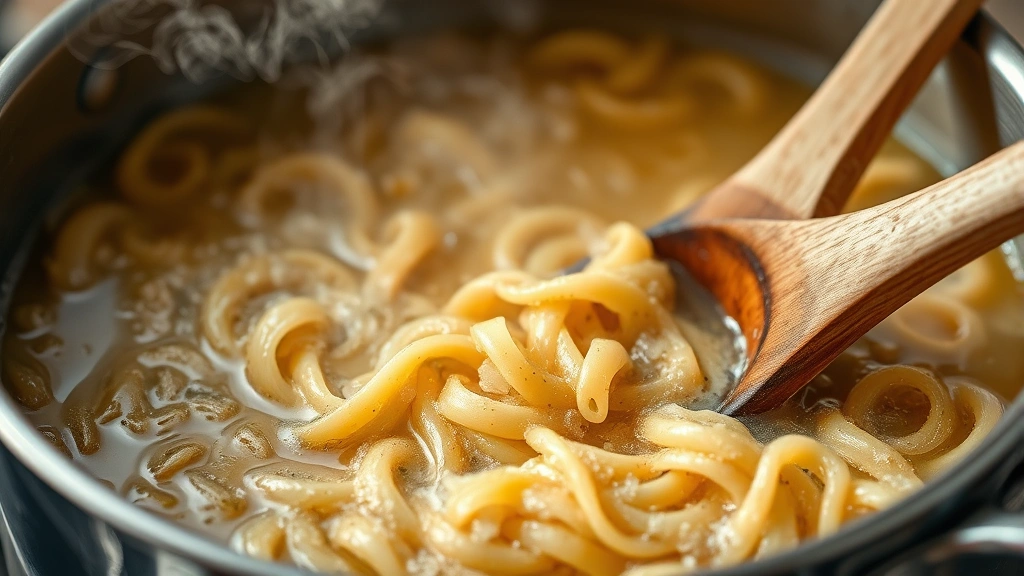
What Is Orzo and Why You Should Cook It
Orzo (pronounced “OR-zo”) is a type of pasta that resembles grains of rice, though it’s made from durum wheat semolina just like traditional pasta. The name comes from the Italian word for barley, which it visually resembles. This small pasta shape originated in Italy but has become a staple in Mediterranean cuisine and beyond.
The beauty of orzo lies in its texture and cooking characteristics. Because of its diminutive size, orzo cooks in approximately 8-10 minutes, making it perfect for quick weeknight meals. Unlike larger pasta shapes, orzo doesn’t require you to fight with tongs or worry about proper sauce coating. The pasta’s surface area allows it to absorb broth, oil, and seasonings evenly, creating dishes with consistent flavor throughout.
From a nutritional standpoint, orzo provides carbohydrates for energy and contains some protein and fiber, especially if you choose whole wheat varieties. It’s also naturally gluten-free options are available for those with dietary restrictions. The versatility of this pasta means you can serve it warm as a comforting side dish, chilled as a summer salad, or creamy as a risotto-style preparation.
Essential Ingredients for Basic Orzo
Before diving into the cooking process, let’s discuss what you’ll need for a foundational orzo recipe that serves as your base for countless variations:
- Orzo pasta – 2 cups (about 1 pound) for a standard recipe serving 4-6 people
- Water or broth – The liquid you choose dramatically affects flavor; vegetable, chicken, or beef broth adds depth compared to plain water
- Salt – Essential for seasoning the cooking water and the finished dish
- Olive oil – A quality extra-virgin olive oil adds richness and prevents sticking
- Garlic – Fresh minced garlic or garlic powder provides aromatic foundation
- Butter – Optional but recommended for creating a silky finish
These ingredients form the backbone of your orzo preparation. From here, you can build in countless directions depending on what proteins, vegetables, and seasonings you have available. The simplicity of this ingredient list means you can elevate your cooking with quality components rather than complicated techniques.
Step-by-Step Cooking Method
Step 1: Prepare Your Ingredients
Begin by gathering all ingredients and preparing your workspace. Measure out your orzo and set it aside. If using fresh garlic, mince it finely so it distributes evenly throughout the dish. Having everything ready before you start cooking ensures the process flows smoothly and prevents any scrambling once heat is applied.
Step 2: Heat Your Liquid
Pour your chosen liquid (water or broth) into a large pot and bring it to a rolling boil. A good rule of thumb is using 3 parts liquid to 1 part pasta by volume. For 2 cups of orzo, you’ll need approximately 6 cups of liquid. Adding salt to the boiling water is crucial—it should taste like the sea. This is your only opportunity to season the pasta itself, so don’t be shy.
Step 3: Add the Orzo
Once your liquid reaches a full boil, carefully add the orzo while stirring occasionally to prevent clumping. The pasta will initially sink, then gradually float to the surface as it cooks. Continue stirring every minute or so for the first few minutes to ensure even cooking and prevent the pasta from sticking together.
Step 4: Monitor Cooking Time
Orzo typically cooks in 8-10 minutes, though this varies slightly depending on the brand and type. Start tasting at the 8-minute mark. The pasta should be tender but still have a slight firmness when bitten—what Italians call “al dente.” This texture prevents the dish from becoming mushy and provides a pleasant mouthfeel.
Step 5: Drain and Finish
Reserve about 1 cup of the cooking liquid before draining your pasta through a colander. This starchy liquid is liquid gold for adjusting consistency later. Immediately toss the drained orzo with olive oil and butter while it’s still hot. This prevents sticking and begins building flavor. Add your minced garlic and any seasonings at this point, stirring well to distribute.
Step 6: Adjust Consistency
Depending on your desired final dish, you may need to adjust the moisture content. For a creamy orzo, add reserved cooking liquid or broth gradually while stirring. For a drier, more textured preparation, simply toss well and serve. This flexibility is one of orzo’s greatest strengths.
Common Mistakes to Avoid
Overcrowding the pot – Using too small a pot or too much pasta at once prevents proper cooking. The pasta needs room to move freely in the liquid. If your pot is too small, cook in batches.
Not salting the cooking water – This is your primary seasoning opportunity. Salting only at the end cannot replicate the flavor penetration achieved when seasoning the cooking liquid.
Cooking too long – Overcooked orzo becomes mushy and loses its pleasant texture. Set a timer and start tasting at the minimum recommended time.
Rinsing finished pasta – While traditional wisdom suggests rinsing pasta, this removes the starch that helps sauces cling to the noodles. Skip this step for maximum flavor absorption.
Adding cold ingredients to hot pasta – If combining with vegetables or other components, bring them to room temperature or warm them slightly to prevent temperature shock that can make the pasta seize up.
Flavor Variations and Combinations
Mediterranean Orzo
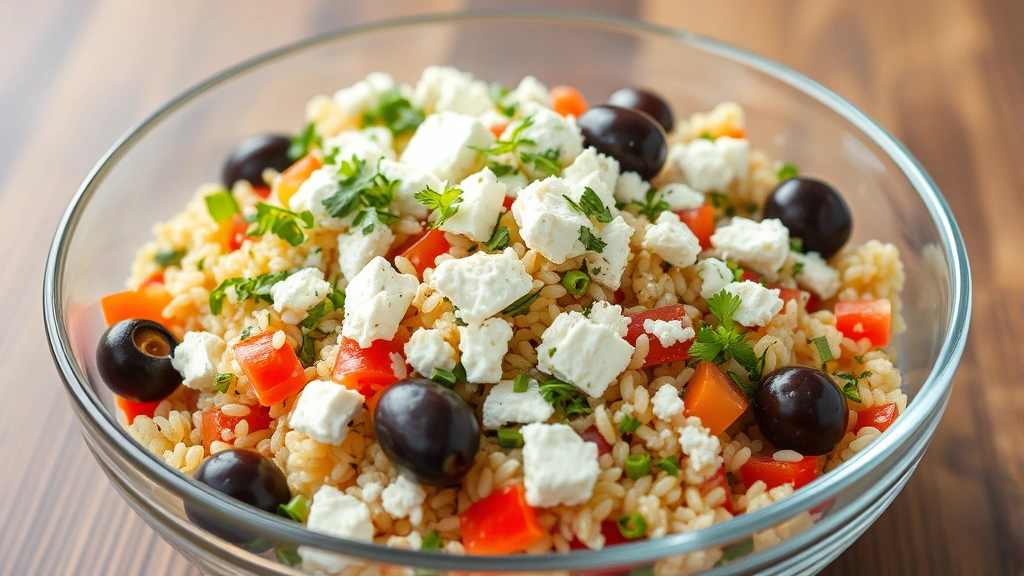
Transform your basic orzo into a Mediterranean masterpiece by adding diced tomatoes, Kalamata olives, crumbled feta cheese, fresh spinach, and a squeeze of lemon juice. This variation works beautifully warm or chilled. The acidity from the lemon brightens all the flavors and prevents the dish from feeling heavy.
Creamy Garlic Parmesan Orzo
Create a luxurious side dish by stirring in heavy cream, freshly grated Parmesan cheese, and extra minced garlic into your finished orzo. This preparation pairs exceptionally well with chicken wings recipe preparations or grilled proteins. The creamy texture makes it feel indulgent despite being relatively simple to execute.
Lemon Herb Orzo
Brighten your orzo with fresh lemon zest, juice, and a generous handful of fresh herbs like dill, parsley, and chives. This lighter preparation complements seafood beautifully and works wonderfully as a summer side dish. The herbs add complexity without requiring additional cooking steps.
Roasted Vegetable Orzo
Toss your cooked orzo with roasted vegetables like zucchini, bell peppers, eggplant, and cherry tomatoes. Finish with fresh basil and a drizzle of quality olive oil. This vegetable-forward approach increases nutritional value while maintaining the simplicity that makes orzo so appealing.
Spiced Orzo with Sauce Inspiration
For those who enjoy bold flavors, incorporate warming spices into your orzo base. A pinch of cumin, paprika, and cayenne pepper creates a subtle heat that pairs well with Mediterranean flavors. You might even use this as a foundation for a dish inspired by cocktail sauce recipe flavor profiles if serving with seafood.
Storage and Make-Ahead Tips
One of orzo’s practical advantages is its excellent storage properties. Cooked orzo keeps refrigerated in an airtight container for up to 4 days. This makes it perfect for meal prep or having components ready for quick assembly throughout the week.
When storing, slightly undercook your orzo by about a minute since it will continue softening as it cools. Store with a light coating of olive oil to prevent drying and sticking. You can also freeze cooked orzo for up to 3 months, though it’s best used in warm preparations rather than cold salads after freezing.
For make-ahead meals, consider preparing your orzo base and storing components separately. Keep your cooked orzo, fresh vegetables, proteins, and dressings in separate containers. This approach maintains textural integrity and allows you to customize portions based on preference when serving.
When reheating refrigerated orzo, add a splash of broth or water and warm gently over medium heat, stirring occasionally. You can also refresh it by tossing with a bit of fresh olive oil and lemon juice, which brightens flavors that may have dulled during storage.
Pairing Orzo with Proteins
Orzo’s neutral flavor and absorbent nature make it an ideal companion for virtually any protein. Understanding how to pair these components elevates your entire meal.
With Chicken
Grilled, roasted, or pan-seared chicken pairs beautifully with creamy orzo preparations. The pasta’s slight starchiness complements chicken’s mild flavor without overwhelming it. Consider preparing your orzo with burger sauce recipe inspired flavors if you want something more adventurous than traditional preparations.
With Seafood
Lemon herb orzo works magnificently with shrimp, scallops, or white fish. The bright acidity cuts through the richness of seafood while the small pasta shape makes for elegant plating. A simple preparation with garlic, lemon, and fresh herbs lets the seafood shine.
With Beef or Lamb
Heartier proteins benefit from more substantial orzo preparations. A beef or lamb-based orzo with tomatoes, red wine, and Mediterranean herbs creates a satisfying one-pot meal. The pasta absorbs the rich cooking juices from these proteins beautifully.
With Vegetarian Proteins
For plant-based meals, combine orzo with legumes, tofu, or tempeh. A taco dip recipe inspired approach could work with seasoned beans mixed into your orzo for a complete protein profile and satisfying meal.
Complementary Side Elements
Consider adding pickled red onion recipe components as a bright garnish over your protein and orzo combination. The acidity and crunch provide textural contrast and visual appeal. You might also incorporate chili seasoning recipe inspired spice blends if you want to build layers of flavor.
FAQ
What’s the difference between orzo and risotto?
While orzo and risotto can create similar creamy textures, they’re fundamentally different. Orzo is a shaped pasta cooked in boiling liquid, while risotto uses short-grain rice that requires constant stirring to release starches and create creaminess. Orzo is faster and requires less attention, making it ideal for busy cooks.
Can I use orzo in soups?
Absolutely! Orzo works wonderfully in soups, adding substance and absorbing broth flavors. Add it directly to your soup about 10 minutes before serving, or cook it separately and add just before serving to control texture and prevent it from absorbing excess liquid.
Is orzo gluten-free?
Traditional orzo contains gluten as it’s made from wheat semolina. However, gluten-free orzo alternatives made from rice, corn, or legumes are readily available at most grocery stores. These cook similarly to traditional orzo with only minor timing adjustments.
How do I prevent orzo from sticking together?
Stir occasionally during cooking, especially in the first few minutes. Immediately after draining, toss with olive oil or butter while still hot. This coating prevents the pasta from clumping as it cools. Using adequate cooking liquid also helps—cramped pasta is more likely to stick together.
What’s the best broth for cooking orzo?
This depends on your final dish. Vegetable broth works for lighter preparations, chicken broth for most applications, and beef broth for heartier dishes. Quality homemade broth elevates your cooking significantly, but good quality store-bought versions work perfectly well for weeknight meals.
Can I make orzo ahead for a dinner party?
Yes! Cook your orzo about 2 hours before serving, then store it with a light olive oil coating. Reheat gently with a splash of broth just before serving. Alternatively, prepare components separately and assemble the final dish shortly before guests arrive for optimal texture and temperature.
What vegetables work best in orzo dishes?
Nearly any vegetable works in orzo dishes. Hearty vegetables like zucchini, bell peppers, and eggplant hold their shape well when roasted first. Delicate vegetables like spinach, arugula, and fresh herbs are best added at the end to preserve their texture and color. Cherry tomatoes add brightness without requiring cooking.


