
Fluffy Eggless Pancakes? Tried & True Recipe
Pancakes are a beloved breakfast staple, but what happens when you’re out of eggs or following a vegan lifestyle? The good news is that creating fluffy, delicious eggless pancakes is not only possible—it’s absolutely delightful. For decades, home cooks have discovered that eggs aren’t the only way to achieve that perfect, cloud-like texture. Whether you’re dealing with an egg allergy, practicing veganism, or simply curious about alternative baking methods, this tried-and-true eggless pancake recipe delivers results that will satisfy everyone at your breakfast table.
The secret to perfect eggless pancakes lies in understanding what eggs do in traditional recipes. They provide structure, moisture, and help with leavening. By strategically replacing eggs with carefully chosen substitutes and adjusting your technique, you can create pancakes that are just as fluffy and delicious as their egg-containing counterparts. This guide will walk you through everything you need to know about making exceptional eggless pancakes, from ingredient selection to plating techniques.
Why Eggless Pancakes Work
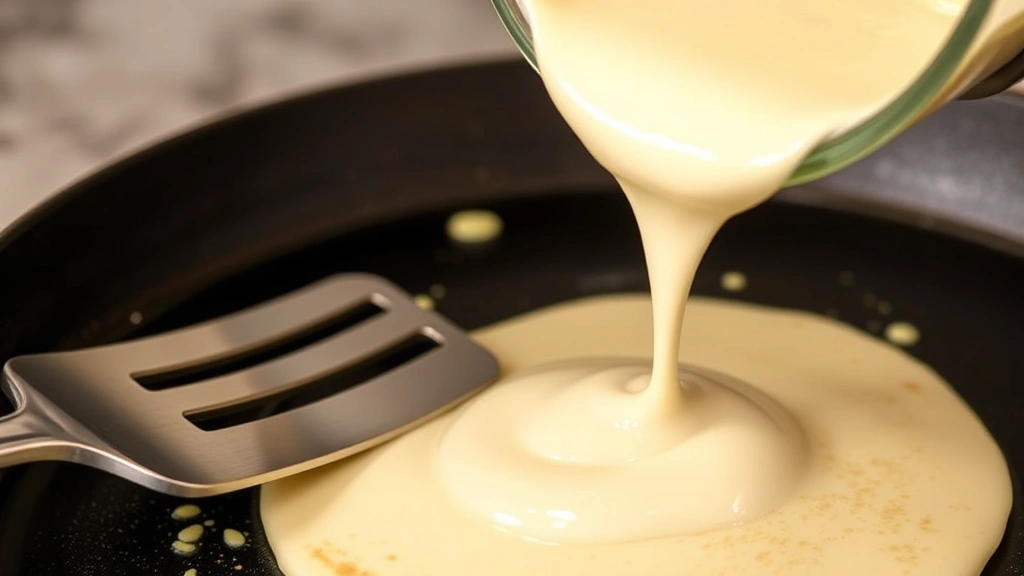
Many people assume that eggs are absolutely essential for pancakes, but the reality is more nuanced. While eggs do contribute to structure and richness in traditional recipes, other ingredients can effectively replicate these functions. Understanding the science behind pancake chemistry helps you appreciate why this recipe works so well.
Eggs typically serve three purposes in pancake batter: they act as a binder, they trap air bubbles for fluffiness, and they contribute moisture and fat. When you’re making eggless pancakes, you need to address each of these functions separately. The baking powder and baking soda handle the leavening, creating those essential air bubbles. A combination of wet ingredients—like milk, yogurt, or plant-based alternatives—provides moisture and richness. A small amount of oil or melted butter adds fat and helps create that tender crumb.
The key to success is using the right egg substitute. Unlike baking applications where eggs might be non-negotiable, pancakes are forgiving enough to work with several different options. Whether you choose applesauce, mashed banana, aquafaba, or commercial egg replacers, each brings its own advantages. The most important thing is understanding how each substitute affects your final product.
Essential Ingredients for Success
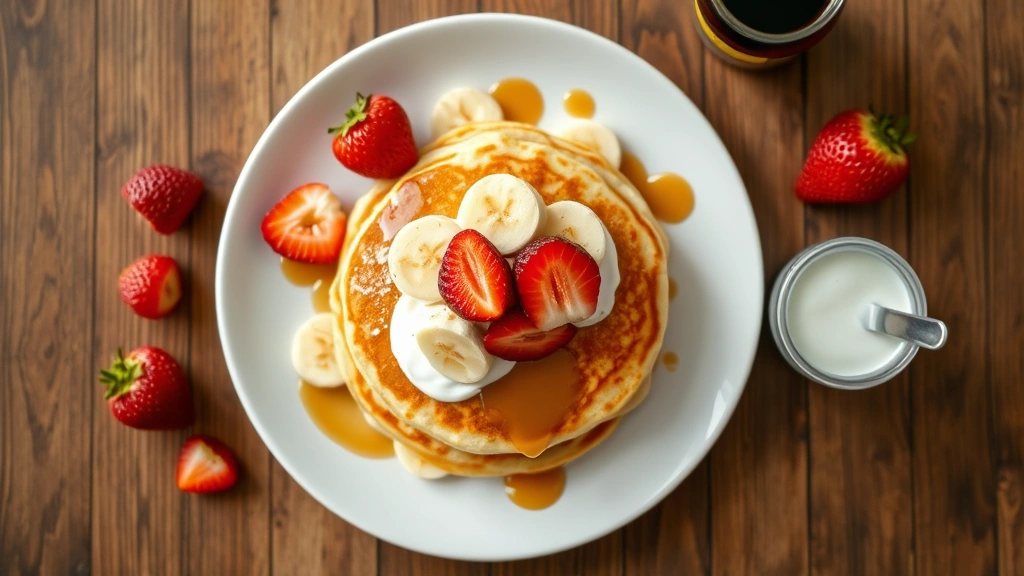
Before you start mixing, gather your ingredients. Quality matters, especially when you’re working without eggs. Here’s what you’ll need for a batch that serves 4-6 people:
- 1½ cups all-purpose flour – provides structure and substance
- 3 tablespoons granulated sugar – adds sweetness and aids browning
- 2 teaspoons baking powder – essential for lift and fluffiness
- ½ teaspoon baking soda – works with acidic ingredients for extra rise
- ½ teaspoon salt – enhances flavor and balances sweetness
- 1 cup milk – dairy, almond, oat, or soy milk all work beautifully
- 1 tablespoon white vinegar or lemon juice – creates a reaction with baking soda for extra fluffiness
- ¼ cup unsweetened applesauce – replaces the egg, adds moisture and binding
- 2 tablespoons melted butter or vegetable oil – adds richness and promotes browning
- 1 teaspoon vanilla extract – enhances flavor depth
The applesauce is your hero ingredient here. It works beautifully as an egg replacement because it contains natural pectin, which helps bind ingredients together. The acid from the vinegar or lemon juice is crucial—it reacts with the baking soda to create extra carbon dioxide, resulting in those coveted fluffy pancakes. This is a technique that professional bakers have relied on for years.
For those with allergies to tree nuts, you might appreciate exploring our healthy crockpot recipes that cater to various dietary needs. If you’re interested in learning more about egg-free baking science, King Arthur Baking Company offers excellent resources on ingredient chemistry and substitutions.
Step-by-Step Recipe Instructions
Preparation Phase (5 minutes):
- Pour your milk into a measuring cup and add the white vinegar or lemon juice. Stir gently and let it sit for 2-3 minutes. This creates a buttermilk-like substance that reacts beautifully with the baking soda.
- In a large mixing bowl, whisk together the flour, sugar, baking powder, baking soda, and salt. Make sure to break up any lumps in the baking soda, as clumps can create bitter spots in your pancakes.
- In another bowl, combine the curdled milk mixture, applesauce, melted butter, and vanilla extract. Whisk these wet ingredients until they’re well combined and smooth.
Mixing Phase (2 minutes):
- Create a well in the center of your dry ingredients. Pour the wet mixture into the well.
- Using a spatula or wooden spoon, gently fold the wet and dry ingredients together. The key word here is gentle. Overmixing develops gluten, which toughens pancakes. Some small lumps in the batter are perfectly fine and actually desirable.
- Let the batter rest for 3-5 minutes. This allows the baking powder and soda to activate slightly, and the flour to fully hydrate. This resting period is what gives you those extra-fluffy pancakes.
Cooking Phase (10-15 minutes):
- Heat a griddle or large skillet over medium heat. Lightly butter or oil the cooking surface. The temperature should be hot enough that a droplet of water sizzles immediately but doesn’t evaporate in under a second.
- Using a ¼-cup measuring cup or small ladle, pour batter onto the hot griddle. Space pancakes about 2 inches apart.
- Watch for bubbles to form on the surface—this typically takes 2-3 minutes. When you see bubbles, the edges will start to look slightly dry.
- Flip each pancake gently and cook for another 1-2 minutes until the bottom is golden brown. Don’t flip multiple times; once is perfect.
- Transfer cooked pancakes to a warm plate and serve immediately, or keep them warm in a 200°F oven while you finish cooking the remaining batter.
This recipe yields approximately 12-14 medium-sized pancakes. If you’re feeding a larger crowd, the recipe doubles beautifully.
Cooking Techniques for Perfect Results
Temperature control is absolutely critical for eggless pancakes. Unlike recipes with eggs that provide additional structure, your eggless batter is slightly more delicate. Here are professional techniques to ensure success:
Heat Management: Your griddle should be at medium heat, not medium-high. If it’s too hot, the outside will brown before the inside cooks through, leaving you with raw batter in the center. If it’s too cool, pancakes will spread too thin and won’t achieve that fluffy texture. A properly heated griddle will cause a drop of water to sizzle and evaporate in about 2-3 seconds.
The Flip Technique: This is where many home cooks go wrong. Flip your pancakes only once, and do it decisively. A hesitant flip can deflate your pancakes. Use a thin spatula and slide it completely under the pancake before flipping. Watch for the bubbles—they’re your signal that it’s time to flip.
Batter Consistency: Your batter should be thick but pourable. If it seems too thick, add milk one tablespoon at a time. If it’s too thin, add flour by the tablespoon. The consistency matters because it affects how quickly pancakes cook and how fluffy they become. Think of it as similar to the batter you might use for ground beef rice recipes in terms of achieving the right texture balance.
Resting Between Batches: If your griddle or skillet cools down between batches, wait for it to reheat properly before adding more batter. Cooking on an insufficiently heated surface is one of the most common reasons for flat, dense pancakes.
For more detailed information on baking chemistry and heat management, visit Serious Eats, which offers in-depth guides on cooking techniques and ingredient science.
Flavor Variations to Try
Once you’ve mastered the basic eggless pancake recipe, you can explore countless variations. The beauty of this recipe is its versatility:
Chocolate Pancakes: Add 3 tablespoons of unsweetened cocoa powder to your dry ingredients and increase the sugar to 4 tablespoons. These are perfect for special breakfasts or dessert pancakes served with chocolate sauce.
Blueberry Pancakes: Fold 1 cup of fresh or frozen blueberries into your batter just before cooking. If using frozen berries, don’t thaw them—they’ll help keep pancakes fluffy.
Banana Pancakes: Reduce the applesauce to 2 tablespoons and add ½ cup of mashed banana. This creates naturally sweeter pancakes and is an excellent way to use ripe bananas.
Spiced Pancakes: Add 1 teaspoon of ground cinnamon, ¼ teaspoon of nutmeg, and a pinch of ground ginger to your dry ingredients. These warm spices are reminiscent of vintage grandma recipes that have been beloved for generations.
Lemon Pancakes: Add 1 tablespoon of fresh lemon zest and 1 tablespoon of lemon juice to your wet ingredients. Top with lemon curd or fresh berries for a bright, refreshing breakfast.
Pumpkin Pancakes: Replace the applesauce with ¼ cup of pumpkin puree and add 1 teaspoon of pumpkin pie spice. These are seasonal favorites that work wonderfully year-round.
Storage and Make-Ahead Tips
One of the advantages of eggless pancakes is that they keep beautifully. Here’s how to maximize your time in the kitchen:
Refrigerator Storage: Cooked pancakes can be stored in an airtight container in the refrigerator for up to 4 days. Separate layers with parchment paper to prevent sticking. When you’re ready to eat them, simply pop them in the toaster or toaster oven to reheat.
Freezer Storage: Pancakes freeze exceptionally well for up to 3 months. Arrange cooled pancakes on a baking sheet in a single layer and freeze until solid, then transfer to a freezer bag. Toast directly from frozen—they’ll thaw and warm through in just a few minutes.
Batter Preparation: You can prepare the dry ingredients the night before and store them in an airtight container. Keep the wet ingredients separate and combine them just before cooking. This makes weekday breakfasts incredibly convenient.
Make-Ahead Strategy: Consider cooking a large batch on Sunday and freezing them. Throughout the week, you’ll have healthy breakfasts ready in minutes. This approach works wonderfully for busy families, much like how healthy crockpot recipes provide convenient meal solutions.
For additional make-ahead breakfast ideas and food preservation techniques, check out Food Network, which offers extensive resources on meal prep and storage.
These eggless pancakes are perfect alongside other breakfast staples. They pair beautifully with fresh fruit, maple syrup, nut butters, or yogurt. If you’re planning a more substantial breakfast, consider serving them with savory items or exploring caldo de pollo recipe preparations for a heartier meal option.
Frequently Asked Questions
Can I use a different egg substitute like aquafaba or flax eggs?
Absolutely! Aquafaba (the liquid from canned chickpeas) works wonderfully—use 3 tablespoons per egg. Flax eggs (1 tablespoon ground flaxseed mixed with 3 tablespoons water, left to sit for 5 minutes) also work well. However, applesauce remains the most reliable option for achieving maximum fluffiness in pancakes specifically.
Why are my pancakes turning out dense and flat?
This usually happens due to one of three reasons: overmixing the batter, griddle temperature that’s too low, or not allowing the batter to rest before cooking. Make sure to fold ingredients gently, preheat your griddle properly, and wait 3-5 minutes after mixing before cooking.
Can I make these pancakes dairy-free?
Yes! Use any plant-based milk—almond, oat, soy, or coconut milk all work beautifully. The vinegar or lemon juice will still create the necessary reaction with the baking soda, so the results will be just as fluffy.
What’s the best topping for eggless pancakes?
Since these pancakes have a delicate structure, lighter toppings work wonderfully. Fresh berries, maple syrup, nut butters, coconut cream, dairy-free yogurt, or fresh fruit are all excellent choices. Avoid overly heavy toppings that might weigh them down.
How do I know when my griddle is at the right temperature?
The water droplet test is reliable: sprinkle a few drops of water on the griddle. If they sizzle and evaporate in 2-3 seconds, you’re at the right temperature. If they evaporate instantly, it’s too hot. If they sit there without sizzling, it’s too cool.
Can I add protein powder to make these more nutritious?
Yes, but add it gradually. Start with 2 tablespoons of vanilla protein powder and adjust your milk slightly upward if the batter becomes too thick. Protein powder can affect texture, so small adjustments are key.
Why do you use both baking powder and baking soda?
Baking soda needs an acid to activate (the vinegar in the milk), while baking powder is double-acting and works on its own. Using both creates maximum lift and fluffiness. The baking powder provides initial rise while the pancakes are on the griddle, and the baking soda reaction creates extra bubbles for that cloud-like texture.


