Fresh Peach Salsa Recipe: Chef’s Favorite Mix
Peach salsa represents one of the most versatile and refreshing condiments in modern cuisine. This vibrant blend combines the natural sweetness of ripe peaches with zesty citrus, aromatic cilantro, and a subtle heat that awakens the palate. Whether you’re grilling fish on a summer evening, topping tacos at a backyard gathering, or looking for an elegant appetizer accompaniment, fresh peach salsa delivers complexity and brightness that elevates any dish.
What makes this chef’s favorite peach salsa recipe stand out is its balance of flavors and the careful selection of peak-season ingredients. Unlike heavier salsas that rely on cooked tomatoes, this version celebrates the delicate texture and honeyed notes of fresh stone fruit. The combination of diced peaches, red onion, jalapeño, lime juice, and fresh herbs creates a dynamic salsa that works equally well with grilled chicken, shrimp, pork, or as part of a best healthy food recipes collection for summer entertaining.
This recipe yields approximately 2 cups of salsa and takes just 15 minutes from prep to table. It’s naturally gluten-free, can be made vegan-friendly, and stores beautifully in the refrigerator for up to three days, making it perfect for meal prep or entertaining.
Essential Ingredients for Perfect Peach Salsa
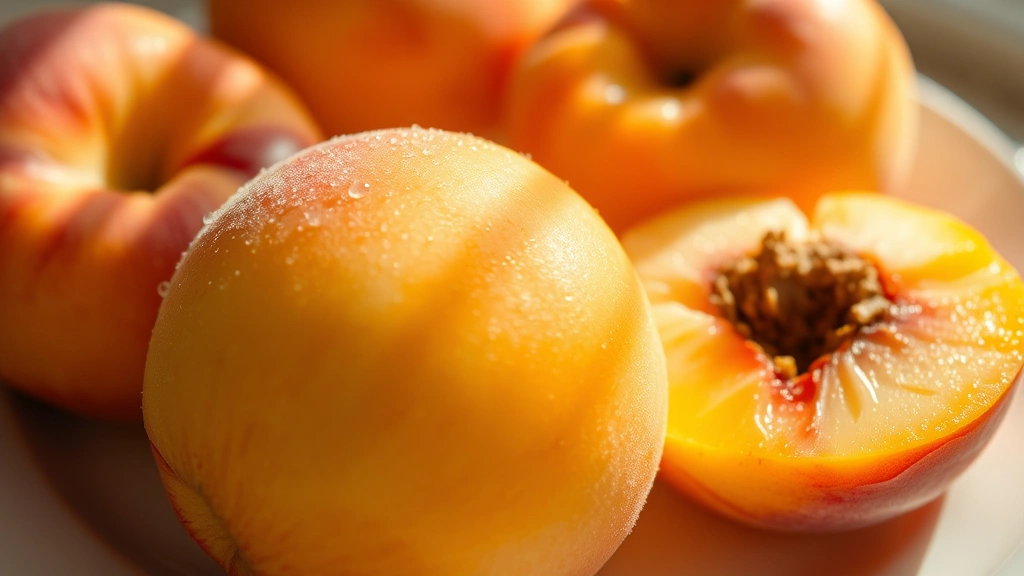
Creating an outstanding peach salsa begins with understanding each ingredient’s role in the final composition. The foundation rests on quality, ripe peaches—ideally 4 to 5 medium freestone peaches, which yield approximately 3 cups of diced fruit. Freestone varieties separate easily from their pits, making preparation significantly simpler than clingstone varieties.
The supporting cast includes 1/2 red onion, finely diced, which provides sharp bite and textural contrast. Red onion’s natural sweetness complements peaches without overwhelming them. Add one jalapeño pepper, seeds removed for moderate heat (keep seeds for extra spice), minced into small pieces. Fresh cilantro—1/3 cup loosely packed and chopped—brings herbal brightness essential to the salsa’s character.
For acidity and complexity, include juice from 2 fresh limes (approximately 3 to 4 tablespoons), 1/4 teaspoon sea salt, and a pinch of freshly ground black pepper. Optional but highly recommended additions include 1/4 teaspoon ground cumin and a small pinch of cayenne pepper for depth. Some chefs incorporate 1/4 cup fresh diced pineapple for tropical notes or 2 tablespoons of finely minced fresh mint for cooling contrast.
Quality matters tremendously with each component. Source peaches from farmers markets when possible, as they typically ripen naturally and develop superior flavor compared to supermarket selections bred for shipping durability. Similarly, fresh lime juice—never bottled—makes a measurable difference in brightness and authenticity.
Selecting and Preparing Your Peaches
The success of this fresh peach salsa recipe hinges almost entirely on peach selection and ripeness assessment. Unlike many recipes that tolerate variable ingredient quality, salsa depends on the peaches’ natural flavor, since they comprise the majority of the volume.
When shopping, look for peaches that yield slightly to gentle pressure but aren’t soft or mushy. The fruit should have a fragrant, sweet aroma near the stem—this indicates ripeness and sugar development. Avoid peaches with green undertones or hard spots, which indicate under-ripeness. Conversely, reject any with soft spots, bruising, or signs of fermentation.
If your peaches aren’t perfectly ripe, place them in a paper bag at room temperature for 24 to 48 hours. Ethylene gas naturally released by the fruit accelerates ripening. Never refrigerate unripe peaches, as cold temperatures halt the ripening process and can damage their texture.
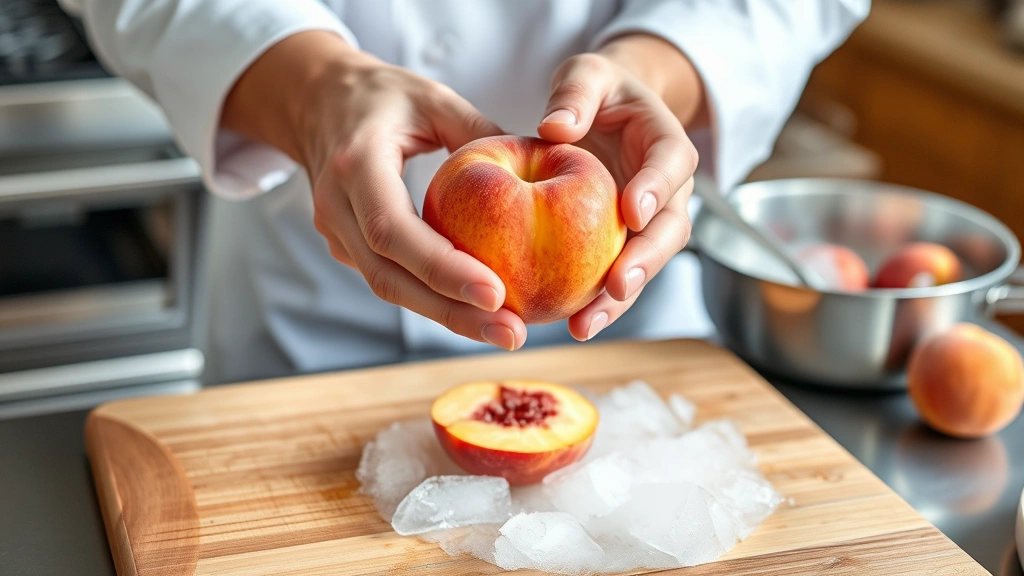
To prepare peaches for dicing, bring a large pot of water to a boil and prepare an ice bath by filling a bowl with ice and cold water. Score a shallow X on the bottom of each peach. Carefully place peaches in boiling water for 30 to 60 seconds, then immediately transfer to the ice bath using a slotted spoon. The skin will slip off easily once cooled. Pat peaches dry and cut in half lengthwise, working around the pit. Twist halves gently to separate from the pit. Cut each half into quarters, then dice into approximately 1/4-inch pieces.
This blanching technique preserves the peach’s delicate texture better than knife-peeling and removes any surface residue. The entire process takes merely 10 minutes and yields perfectly prepared fruit ready for salsa composition.
Step-by-Step Preparation Technique
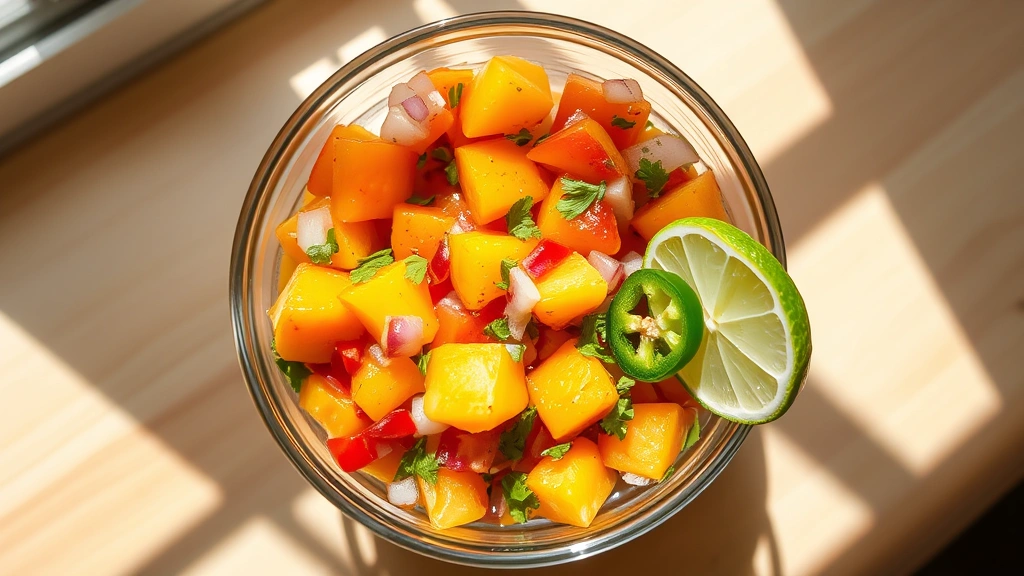
Assembling fresh peach salsa requires attention to knife skills, timing, and ingredient proportions. Proper technique ensures even flavor distribution and appealing texture.
Step One: Prepare Your Workspace
Gather all ingredients and equipment before beginning. You’ll need a large mixing bowl, a sharp chef’s knife, a cutting board, a small spoon or fork for crushing lime juice, and clean kitchen towels. Mise en place—having everything prepped and ready—prevents rushing and ensures consistent results.
Step Two: Dice the Peaches
Using your blanched and cooled peaches, dice them into consistent 1/4-inch pieces. Place diced peaches in your mixing bowl, capturing all juices. The natural peach juice becomes part of your salsa base, adding moisture and subtle sweetness.
Step Three: Prepare the Aromatics
Finely dice your red onion into small, uniform pieces. This consistency matters because larger chunks create unpleasant texture while tiny pieces distribute throughout the salsa. Add diced onion to the peaches. Mince your jalapeño, removing seeds unless you desire significant heat. Remember that heat intensity builds over time as the pepper infuses into the other ingredients, so you can always add more but cannot remove it.
Step Four: Add Herbs and Seasonings
Chop fresh cilantro into small pieces just before adding—this prevents oxidation and browning. Stir cilantro into your mixture along with salt, black pepper, and optional cumin and cayenne. If using mint or pineapple, add those now.
Step Five: Finish with Citrus
Juice your limes directly into the salsa, stirring thoroughly. The lime juice not only adds brightness but also helps preserve the salsa by lowering pH. Taste and adjust seasonings, adding additional salt, lime juice, or spices as needed. Remember that flavors develop and intensify over the next hour as ingredients meld together.
Step Six: Rest and Chill
Allow your salsa to sit at room temperature for 15 to 30 minutes before serving. This resting period permits flavors to marry and develop complexity. For best results, refrigerate for at least one hour before serving, which allows the chill to develop and flavors to settle.
Flavor Variations and Customizations
While the classic fresh peach salsa recipe provides an excellent foundation, creative variations allow personalization based on your palate and intended pairings. Understanding how to modify this base recipe expands its versatility dramatically.
Spicy Heat Variation
For those who enjoy significant heat, replace the single jalapeño with a habanero or add a pinch of hot sauce. Alternatively, include 1/2 teaspoon of red pepper flakes or substitute serrano peppers for jalapeños. The heat should complement rather than dominate the delicate peach flavor.
Tropical Fusion Version
Incorporate tropical elements by adding 1/4 cup finely diced fresh pineapple, 2 tablespoons of minced fresh ginger, and substituting lime juice with a combination of lime and passion fruit juice. This variation pairs beautifully with grilled fish or as part of Caribbean-inspired dishes. You might also explore this with chicken pad thai recipe inspired fusion concepts.
Berry Integration Variation
Replace half the peaches with fresh raspberries, blackberries, or blueberries for added complexity and visual appeal. This variation works particularly well with pork dishes and offers different nutritional profiles.
Herb-Forward Version
Increase cilantro to 1/2 cup and add 2 tablespoons of minced fresh basil or mint. This variation emphasizes herbal brightness and works wonderfully as a topping for grilled vegetables or as part of summer appetizer platters.
Smoky Depth Variation
Add 1/4 teaspoon of smoked paprika and 1/4 teaspoon of chipotle powder for smoky undertones. This variation pairs exceptionally with grilled meats and provides complexity without additional ingredients.
Savory Umami Version
Incorporate 1/4 teaspoon of ground cumin, 1/8 teaspoon of ground coriander, and 1 tablespoon of finely minced fresh chives. This creates a more sophisticated salsa suitable for upscale entertaining.
Serving Suggestions and Pairings
Fresh peach salsa’s versatility makes it suitable for countless applications, from casual grilling to formal dinner service. Understanding optimal pairings maximizes the salsa’s impact.
Protein Pairings
Grilled fish, particularly halibut, mahi-mahi, or salmon, creates extraordinary flavor combinations with peach salsa. The fruit’s sweetness balances the fish’s richness while lime and cilantro cut through oil content. Grilled chicken breast topped with peach salsa offers a lighter, refreshing presentation. Pork dishes, especially pork tenderloin or grilled pork chops, benefit tremendously from the salsa’s complexity. Even vegetarian proteins like grilled tofu or tempeh work beautifully.
Appetizer Applications
Serve peach salsa with crispy tortilla chips for casual entertaining, or present it in small spoons atop crostini for elegant gatherings. Layer salsa with whipped goat cheese or cream cheese for canapé toppings. Consider pairing with how to make vegan cheese for plant-based entertaining options.
Taco and Grain Bowl Applications
Use peach salsa as a topping for fish tacos, carnitas tacos, or vegetarian black bean tacos. It elevates grain bowls significantly, particularly those featuring grilled proteins, quinoa bases, and fresh vegetables. The salsa adds brightness that ties diverse components together.
Condiment and Sauce Roles
Serve alongside grilled vegetables, roasted root vegetable medleys, or fresh corn preparations. Use as a condiment for pulled pork sandwiches or turkey burgers. Pair with cheddar cheese sauce recipe for unexpected flavor contrasts when serving with grilled vegetables.
Beverage Pairings
Fresh peach salsa pairs beautifully with light, crisp white wines such as Sauvignon Blanc or Pinot Grigio. Sparkling wines and prosecco complement the salsa’s brightness. For non-alcoholic options, serve with sparkling water infused with mint or cucumber, or with light herbal teas served cold.
Storage and Make-Ahead Tips
Proper storage extends the salsa’s shelf life while maintaining quality and food safety. Understanding storage techniques permits advance preparation for entertaining.
Refrigerator Storage
Store fresh peach salsa in an airtight container in the refrigerator for up to three days. The lime juice’s acidity naturally preserves the mixture while the cool temperature slows bacterial growth. After three days, the texture deteriorates as peaches continue breaking down and cilantro begins oxidizing. Flavors also fade gradually, so consume within the optimal window for best results.
Freezing Considerations
While you can freeze peach salsa, the texture will change upon thawing as ice crystals rupture the peaches’ cell walls. Frozen salsa works better for cooking applications—such as topping baked fish or mixed into grain bowls—than for fresh serving. If freezing, portion into ice cube trays for convenient individual servings, then transfer frozen cubes to freezer bags for up to two months.
Make-Ahead Strategy
For entertaining, prepare all components separately the morning of your event. Dice peaches, onion, and jalapeño; chop cilantro; and juice limes. Store each component in separate containers. Combine all ingredients no more than two hours before serving to maintain texture and prevent excessive liquid accumulation. This approach permits flexibility if guests arrive late or appetites develop slower than anticipated.
Quantity Planning
This recipe yields approximately 2 cups of salsa, suitable for 6 to 8 appetizer servings or 4 to 6 main course servings. For larger gatherings, multiply the recipe proportionally. However, freshness diminishes with larger batches, so prepare multiple smaller batches throughout the day rather than one massive batch hours in advance.
Leftover Transformation
If salsa remains after your event, use it creatively. Blend leftover salsa into gazpacho for a unique soup, incorporate into smoothie bowls, or mix into yogurt for a fruit-forward breakfast. Consider exploring discard recipes concepts to minimize food waste while creating new dishes.
FAQ
Can I make peach salsa with canned peaches?
While fresh peaches provide superior flavor and texture, canned peaches in light syrup can work in a pinch. Drain canned peaches thoroughly and pat dry to remove excess liquid. The salsa will be less vibrant and texturally softer, but still flavorful. Avoid canned peaches in heavy syrup, which adds unwanted sweetness and moisture. Fresh frozen peaches are a better alternative than canned, as they retain more structural integrity.
How spicy should peach salsa be?
The heat level should complement rather than dominate. Start with one jalapeño with seeds removed, then taste. You can always add more heat by including jalapeño seeds, additional jalapeños, or spicy additions. Remember that heat intensifies over time as the peppers infuse into the other ingredients, so add conservatively initially. Different guests have varying spice tolerances, so offering the salsa with optional hot sauce on the side accommodates all preferences.
What’s the best lime substitute if limes aren’t available?
Fresh lemon juice provides similar acidity but less complex flavor. Use the same quantity of fresh lemon juice as you would lime juice. Alternatively, combine lemon and lime juices for balanced acidity. Avoid bottled lime or lemon juice, which contains preservatives that negatively impact the fresh, bright character you’re seeking.
Can I prepare peach salsa without cilantro?
Absolutely. If cilantro isn’t available or you dislike its flavor, substitute with fresh mint, basil, or parsley. Each herb provides different character—mint adds cooling freshness, basil contributes slightly peppery notes, and parsley offers mild herbal undertones. Use the same quantity as cilantro. Alternatively, omit fresh herbs entirely and increase spices like cumin and black pepper.
How do I know when peaches are perfectly ripe for salsa?
Ripe peaches yield gently to pressure but aren’t mushy. They should emit a sweet, fragrant aroma near the stem. The skin should have minimal green coloring, appearing mostly yellow, gold, or blushed with pink. Avoid peaches that are hard or have green undertones, which indicate under-ripeness. If purchasing peaches that aren’t ripe, place them in a paper bag at room temperature to ripen naturally.
Is peach salsa naturally vegan?
Yes, this fresh peach salsa recipe is completely vegan, containing no animal products. All ingredients—peaches, onion, jalapeño, cilantro, lime juice, and spices—are plant-based. This makes it excellent for easy vegan breakfast ideas incorporating salsa into grain bowls or as a topping for plant-based proteins.
Can I make peach salsa in a food processor?
While technically possible, hand-chopping produces superior texture. Food processors tend to create uneven pieces and can over-process some components while leaving others chunky. Hand-cutting gives you control over consistency, ensuring uniform pieces that distribute evenly throughout the salsa. If using a food processor, pulse briefly and monitor closely to avoid creating mush.


