Pearl Couscous Delight: A Proven Recipe That Never Disappoints
Pearl couscous, also known as Israeli couscous, has revolutionized the way home cooks approach grain-based side dishes and main courses. Unlike its smaller cousin, regular couscous, pearl couscous features larger, round granules that deliver a satisfying chewy texture and delightful bite. This versatile grain has become a staple in modern kitchens, offering endless possibilities for creative cooking while remaining remarkably simple to prepare.
Whether you’re planning a weeknight dinner or impressing guests at a dinner party, this pearl couscous recipe combines proven techniques with accessible ingredients to create a dish that consistently delivers restaurant-quality results. The beauty of this recipe lies in its flexibility—you can customize it with seasonal vegetables, proteins, and herbs to match your preferences while maintaining the fundamental cooking method that makes pearl couscous shine.
In this comprehensive guide, we’ll walk you through everything you need to know about selecting, preparing, and cooking pearl couscous to perfection. From understanding the grain’s unique characteristics to mastering advanced flavor-building techniques, you’ll discover why this beloved ingredient appears frequently on food blogs and in professional kitchens worldwide.
What Is Pearl Couscous and Why It Matters
Pearl couscous represents a significant departure from traditional North African couscous preparation methods. While regular couscous consists of tiny semolina granules that require only brief soaking, pearl couscous is larger—approximately the size of peppercorns—and contains more moisture. This structural difference fundamentally changes how you cook it and the final texture you achieve.
The grain originates from Israel, where it’s been a dietary staple for generations. Its creation emerged from the desire to develop a couscous variant that maintained structural integrity during cooking while providing a more substantial, protein-rich base for meals. Today, pearl couscous has gained international recognition as a nutritionally dense grain alternative to rice and pasta.
Understanding pearl couscous’s composition helps explain why this recipe works so well. The grain contains approximately 12-13% protein, making it more nutritionally complete than many other grains. It also boasts significant fiber content and essential minerals including iron, magnesium, and phosphorus. When cooked properly, these nutritional benefits combine with its pleasant texture to create a genuinely satisfying dish.
Pearl couscous differs fundamentally from quick and easy pasta recipes in both preparation time and nutritional profile. While pasta delivers carbohydrates, pearl couscous provides a more balanced macronutrient composition that keeps you satisfied longer. The cooking method also differs—toasting the grain before adding liquid creates deeper flavor development impossible to achieve with conventional pasta cooking techniques.
Essential Ingredients for the Perfect Recipe
Creating an exceptional pearl couscous dish begins with selecting quality ingredients. The following components form the foundation of our proven recipe:
- Pearl couscous: Two cups provides a substantial side dish serving four to six people. Look for brands that clearly label the product as “pearl” or “Israeli” couscous to avoid confusion with regular couscous varieties.
- Vegetable or chicken broth: Three and one-half cups of quality broth replaces water and infuses the cooking grain with savory depth. Homemade broth delivers superior results, but quality store-bought options work admirably.
- Extra virgin olive oil: Three tablespoons provide richness and aid in the toasting process. Premium olive oil contributes subtle flavor notes that enhance the finished dish.
- Yellow onion: One medium onion, finely diced, creates an aromatic base that builds flavor complexity from the first cooking step.
- Garlic: Three cloves, minced, add pungent depth that becomes mellow and sweet during cooking.
- Fresh herbs: A combination of parsley, mint, and dill totaling one-quarter cup provides brightness and freshness. These herbs can be preserved for future cooking if you grow your own.
- Sea salt and freshly ground black pepper: Season to taste, adjusting based on broth saltiness.
- Optional additions: Roasted vegetables, dried fruits, nuts, and proteins customize the dish to your preferences.
The quality of your broth significantly impacts the final result. Homemade broth contains natural gelatin and deeper flavor compounds than many commercial options. If using store-bought broth, select brands with minimal sodium, allowing you to control salt levels throughout cooking. Low-sodium options provide approximately 400-600mg sodium per cup, giving you control over the final dish’s salinity.
Step-by-Step Cooking Instructions
Mastering this pearl couscous recipe requires understanding each cooking phase. The process unfolds in distinct stages, each contributing essential elements to the final result.
Phase One: Toasting the Grain
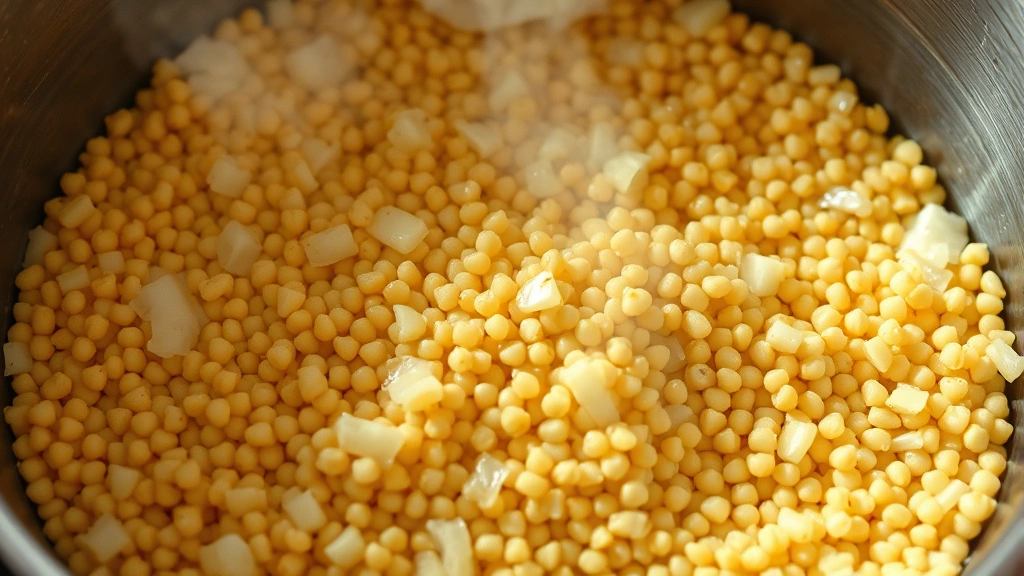
Begin by heating three tablespoons of extra virgin olive oil in a large, heavy-bottomed pot over medium heat. Once the oil shimmers, add your finely diced yellow onion and cook for approximately three to four minutes, stirring occasionally, until the onion becomes translucent and releases its natural aromatics. The onion provides a flavor foundation that prevents the finished dish from tasting one-dimensional.
Add your minced garlic and cook for an additional thirty seconds to one minute, stirring constantly. This brief cooking period mellows the garlic’s raw bite while developing its sweet, savory characteristics. Be careful not to exceed one minute—burnt garlic imparts bitterness that compromises the entire dish.
Now add your two cups of pearl couscous directly to the pot, stirring constantly with a wooden spoon or heat-resistant spatula. Continue stirring for three to four minutes as the grains toast in the hot oil. You’ll notice the couscous becoming slightly more golden and hearing gentle crackling sounds as surface moisture evaporates. This toasting step develops nutty, complex flavors that distinguish restaurant-quality couscous from mediocre preparations.
Phase Two: Building Flavor
Carefully pour your three and one-half cups of room-temperature or slightly warm broth into the pot. The broth will initially bubble vigorously as it contacts the hot grains—this is normal and desirable. Stir the mixture thoroughly, ensuring no dry pockets of grain remain on the pot’s bottom or sides. The liquid should reach approximately one-quarter inch above the grain level.
Increase the heat to medium-high and bring the mixture to a gentle boil. Once boiling, reduce the heat to low and cover the pot with a tight-fitting lid. The cooking process now becomes entirely hands-off for approximately twelve to fifteen minutes. During this time, the grains absorb the surrounding liquid while steam circulates within the covered pot, creating perfectly tender couscous throughout.
Phase Three: Resting and Finishing
After twelve to fifteen minutes, carefully remove the pot from heat while maintaining the lid in place. Let the couscous rest undisturbed for five minutes. This resting period allows residual steam to finish cooking any grains that may still contain slight firmness while allowing the mixture to stabilize.
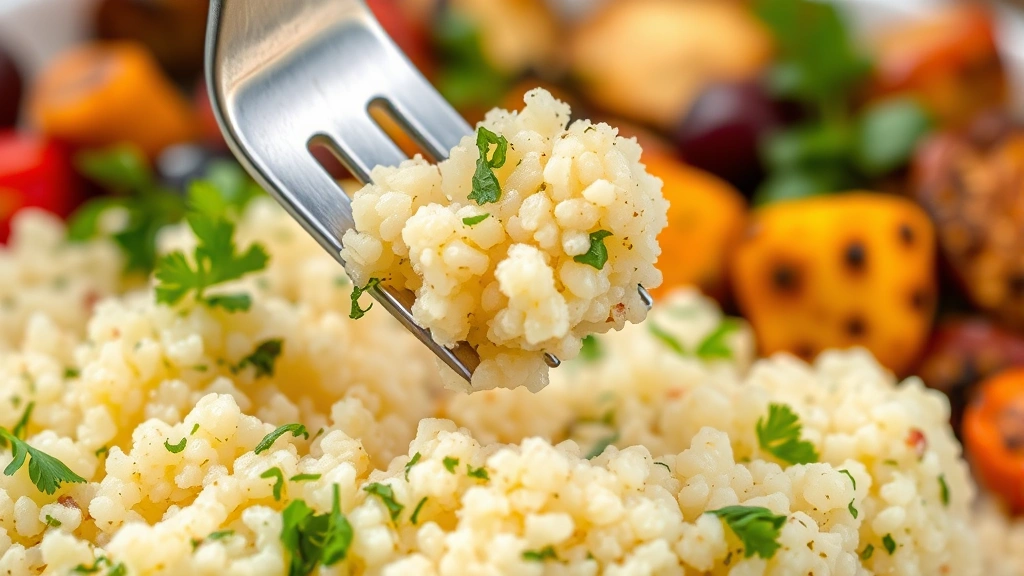
Remove the lid and fluff the couscous gently with a fork, breaking up any clumps that may have formed. The grains should appear separate, fluffy, and evenly cooked. If any liquid remains at the pot’s bottom, return it to low heat uncovered for one to two minutes, stirring occasionally, until the excess moisture evaporates.
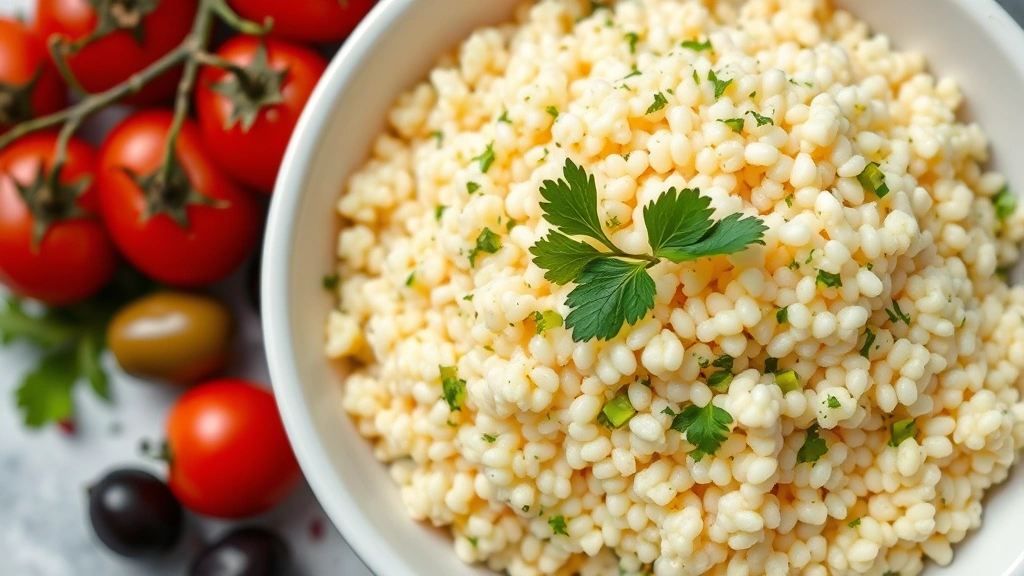
Fold in your fresh herbs—parsley, mint, and dill—along with additional salt and freshly ground black pepper to taste. The fresh herbs provide brightness and aromatic complexity that elevates the dish from simple side to memorable component of your meal.
Flavor Variations and Customization
The beauty of pearl couscous lies in its remarkable versatility. Once you master the fundamental cooking technique, endless variations await discovery. Consider these proven flavor combinations that consistently deliver exceptional results:
Mediterranean Style
Add one cup of diced roasted vegetables—including bell peppers, zucchini, and cherry tomatoes—during the final folding stage. Include one-quarter cup of kalamata olives, one-quarter cup of crumbled feta cheese, and one teaspoon of dried oregano. This combination creates a vibrant side dish that complements grilled fish or chicken beautifully.
Autumn Harvest Variation
Incorporate one cup of diced roasted butternut squash, one-half cup of dried cranberries, one-quarter cup of toasted pumpkin seeds, and one-quarter teaspoon of ground cinnamon. This warming variation pairs exceptionally well with roasted poultry or served alongside autumn vegetables. The sweet and savory balance creates a sophisticated accompaniment to holiday meals.
Asian-Inspired Adaptation
Replace half the broth with low-sodium vegetable or chicken broth mixed with two tablespoons of soy sauce and one tablespoon of sesame oil. Add one cup of stir-fried vegetables including snap peas, carrots, and mushrooms. Finish with two tablespoons of sesame seeds and chopped scallions. This version creates an excellent side for Asian-inspired proteins or stands alone as a satisfying vegetarian main course.
Protein-Packed Enhancement
Stir in one and one-half cups of cooked chicken, shrimp, or crumbled tofu during the final folding stage. Add one-quarter cup of toasted nuts—almonds or pistachios work beautifully—and fresh herbs for a complete, nutritionally balanced meal that requires no additional accompaniments.
These variations demonstrate how the fundamental cooking technique remains constant while the flavor profile transforms entirely based on your chosen additions. Experiment with seasonal ingredients available at your local market to create unique variations that reflect your personal preferences and local culinary traditions.
Pro Tips for Consistent Results
Professional cooks and experienced home cooks share certain techniques that ensure pearl couscous turns out perfectly every time. Implementing these strategies elevates your results from good to genuinely exceptional.
Temperature Control Matters
Maintaining proper heat throughout the cooking process prevents both undercooked grains and mushy results. Medium heat for toasting and onion cooking develops flavor without burning delicate ingredients. Medium-high heat brings the broth to a boil efficiently, while low heat during the main cooking phase allows gentle, even moisture absorption. Consider using a heat diffuser if your stovetop runs particularly hot—this accessory distributes heat evenly, preventing scorching on the pot’s bottom.
Broth Selection and Temperature
Using room-temperature or slightly warm broth rather than cold liquid from the refrigerator reduces the temperature shock when it contacts the hot toasted grains. This gentler transition creates more even cooking throughout the grain mass. Additionally, homemade stocks and broths provide superior flavor development compared to commercial alternatives. If time prevents homemade broth preparation, select the highest-quality commercial option available—your palate will detect the difference.
The Lid’s Critical Role
A tight-fitting lid is non-negotiable for proper pearl couscous cooking. The lid traps steam, creating a controlled environment where grains cook evenly and absorb liquid uniformly. If your pot lid fits loosely, place a sheet of parchment paper under the lid before covering—this creates an effective seal that prevents steam escape.
Timing Precision
While twelve to fifteen minutes represents the standard cooking time, variations occur based on your specific pot, stove, and altitude. Begin checking for doneness at the twelve-minute mark by removing the lid and examining a single grain. It should be tender throughout with a slight bite remaining. If grains feel hard or chalky, cover and cook an additional one to two minutes. If they’re already soft, remove from heat immediately to prevent mushiness.
Fluffing Technique
Use a fork rather than a spoon when fluffing cooked pearl couscous. The fork’s tines separate grains more effectively than a spoon’s flat edge, preventing clumping while creating the desired light, fluffy texture. Work gently to avoid crushing individual grains—pearl couscous is sturdy but benefits from respectful handling.
Storage and Make-Ahead Strategies
Pearl couscous’s forgiving nature extends to storage and preparation flexibility, making it ideal for meal planning and entertaining.
Refrigerator Storage
Cooked pearl couscous keeps beautifully in an airtight container for up to five days when refrigerated properly. Cool the couscous to room temperature before transferring to storage containers—this prevents condensation buildup that can create soggy, unpleasant texture. When ready to serve, reheat gently on the stovetop over low heat with a tablespoon or two of broth or water, stirring occasionally until warmed through. Alternatively, reheat in the microwave in a covered bowl with a splash of liquid, stirring halfway through the heating process.
Freezer Preservation
Pearl couscous freezes exceptionally well for up to three months when stored in freezer-safe containers or bags. Flatten the couscous slightly before freezing to allow more efficient space usage and faster thawing. Thaw overnight in the refrigerator before reheating using the methods described above. Frozen couscous works particularly well in soups and stews where the texture integrates seamlessly with surrounding ingredients.
Make-Ahead Cooking
You can prepare pearl couscous up to two days in advance, making it ideal for entertaining or busy weeknights. Cook according to the main recipe, cool completely, and refrigerate in an airtight container. On serving day, reheat and fold in fresh herbs just before serving—the herbs’ bright flavor remains most vibrant when added close to service time. This approach allows you to focus on proteins and other components during final meal preparation.
Batch Cooking Strategy
Pearl couscous scales beautifully for batch cooking. Double or triple the recipe when you have time, storing portions for future meals. This strategy proves particularly valuable for busy weeks when cooking from scratch becomes challenging. Having properly prepared pearl couscous on hand enables quick, nutritious meal assembly throughout the week.
Consider preparing traditional recipes with modern techniques by using pre-cooked pearl couscous as a base. Many classic grain dishes translate beautifully when prepared with pearl couscous instead of conventional ingredients, creating updated versions of beloved family recipes.
Frequently Asked Questions
Can I use vegetable broth instead of chicken broth?
Absolutely. Vegetable broth creates a lighter, more delicate flavor profile that works beautifully in vegetarian preparations. The cooking method remains identical—vegetable broth provides sufficient flavor depth and liquid for perfect pearl couscous. Choose high-quality vegetable broths that contain actual vegetable ingredients rather than primarily salt and seasonings.
What’s the difference between pearl couscous and regular couscous?
Pearl couscous features significantly larger granules and requires actual cooking with liquid, similar to rice preparation. Regular couscous consists of tiny semolina granules that soften through brief soaking. Pearl couscous delivers a chewier, more substantial texture and maintains its structure during cooking, while regular couscous becomes soft and somewhat mushy. The cooking methods differ entirely, so recipes aren’t interchangeable.
How do I know when pearl couscous is properly cooked?
Properly cooked pearl couscous should be tender throughout with a slight bite remaining—never mushy or undercooked and chalky. Individual grains should appear separate and fluffy, not clumped or wet. Test doneness at the twelve-minute mark by removing the lid and examining a single grain. If unsure, cook an additional minute and test again.
Can I make pearl couscous in advance for entertaining?
Yes, pearl couscous is ideal for advance preparation. Cook up to two days ahead, cool completely, and refrigerate in airtight containers. Reheat gently with a splash of broth before serving, and fold in fresh herbs just before plating. This approach allows you to focus on other dishes during final meal preparation.
What proteins pair best with pearl couscous?
Pearl couscous’s versatility makes it compatible with virtually any protein. Grilled chicken, roasted fish, pan-seared shrimp, and vegetarian proteins like tofu or legumes all pair beautifully. The couscous’s subtle flavor and pleasant texture complement rather than compete with protein components.
Is pearl couscous gluten-free?
Traditional pearl couscous contains gluten because it’s made from semolina wheat. However, gluten-free pearl couscous alternatives are increasingly available, made from rice, corn, or other gluten-free grains. Check packaging carefully to verify gluten-free status if this is a dietary concern. You can also explore gluten-free dessert recipes and other grain alternatives for complete meal planning.
Can I cook pearl couscous in a rice cooker?
Yes, pearl couscous cooks successfully in rice cookers using a ratio of approximately one part couscous to one and three-quarter parts liquid. Toast the couscous in a skillet with oil and aromatics before transferring to the rice cooker, then add your broth and cook on the standard grain setting. This method works well when preparing large quantities for entertaining.
What’s the best way to add vegetables to pearl couscous?
You can incorporate vegetables in several ways: roast them separately and fold them in after cooking, add diced raw vegetables during the final folding stage for fresh texture, or cook softer vegetables like zucchini with the couscous during the main cooking phase. Each method creates different texture profiles—experiment to discover your preference.


