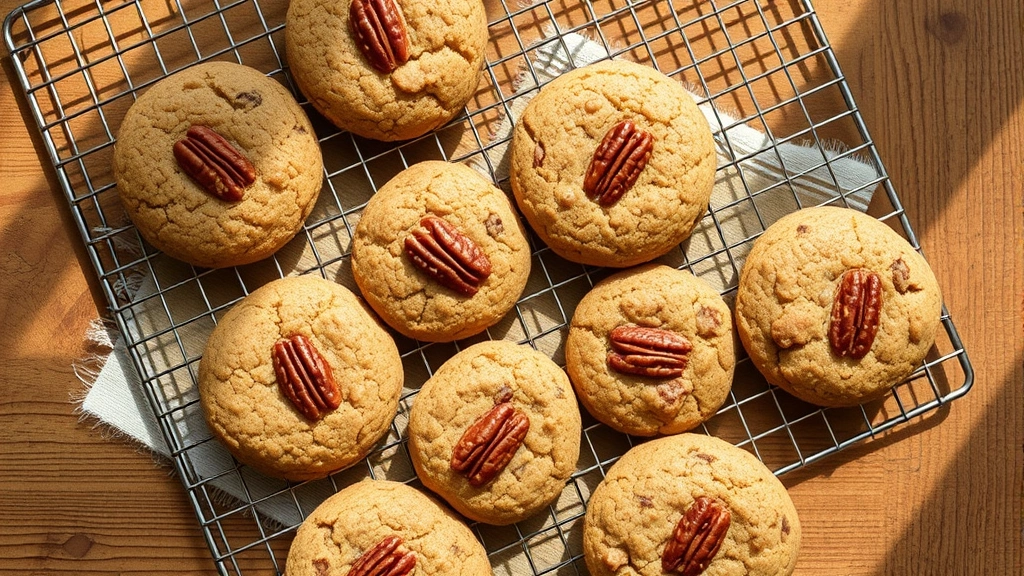
Best Pecan Sandies? Grandma’s Secret Recipe!
There’s something magical about biting into a warm pecan sandie—that buttery, melt-in-your-mouth texture combined with the rich crunch of toasted pecans. This classic cookie has been a beloved treat in American households for generations, and for good reason. Grandma’s secret pecan sandies recipe is the kind of treasure that gets passed down through families, whispered about at holiday gatherings, and recreated with reverence year after year.
What makes these cookies so special isn’t just their incredible taste, but the simplicity of their ingredients and the love baked into every batch. Unlike many modern cookie recipes that rely on complicated techniques or unusual ingredients, authentic pecan sandies celebrate the beauty of butter, sugar, flour, and of course, premium pecans. This recipe has stood the test of time because it delivers consistent, delicious results every single time you bake it.
Whether you’re looking to recreate your own grandmother’s version or discover a new family favorite, this comprehensive guide will walk you through every step of creating the perfect pecan sandies. We’ll explore the history, the science behind what makes them so delicious, and troubleshooting tips to ensure your cookies turn out absolutely perfect.
Understanding Pecan Sandies
Pecan sandies are a type of shortbread cookie that originated in the American South, though similar butter cookies with nuts exist in various cultures worldwide. The name “sandie” likely comes from the sandy texture that these cookies develop when baked—that characteristic crumbly, tender crumb that makes them so irresistible. Unlike chewy cookies or crispy cookies, pecan sandies occupy a perfect middle ground with a delicate, buttery structure that practically dissolves on your tongue.
The beauty of pecan sandies lies in their ingredient ratio. The high butter-to-flour ratio creates a rich dough that, when baked, produces that coveted shortbread texture. The pecans aren’t just toppings; they’re integral to the cookie’s structure and flavor profile. When properly toasted, pecans develop deeper, more complex flavors that complement the sweet, buttery base perfectly.
Understanding the science behind these cookies helps you achieve perfect results. Butter is the primary fat, and its emulsifying properties help create a tender crumb. The pecans add fat content as well, which further contributes to the cookie’s richness. Sugar provides sweetness and helps with browning through the Maillard reaction, while flour provides structure. When these elements work in harmony, you get cookies that are simultaneously crispy on the outside and tender within.
Many bakers consider pecan sandies to be an elevated version of simpler cookie recipes, though the addition of pecans actually adds nutritional value including protein and healthy fats. If you’re interested in exploring other nutty baked goods, you might also enjoy experimenting with various appetizer recipes that incorporate similar flavor profiles.
Ingredients You’ll Need
The Foundation: The base of grandma’s secret pecan sandies starts with quality ingredients. You’ll need one cup of softened butter—and this is crucial, it must be real butter, not margarine or oil-based spreads. The butter should be at room temperature, around 65-70°F, so it creams properly with the sugar.
Sweeteners and Flavor: Half a cup of granulated white sugar and half a cup of packed brown sugar create depth of flavor. The white sugar provides sweetness and helps with spreading, while brown sugar adds molasses notes and moisture. One teaspoon of pure vanilla extract is essential—never use imitation vanilla for this recipe. A quarter teaspoon of salt enhances all the flavors.
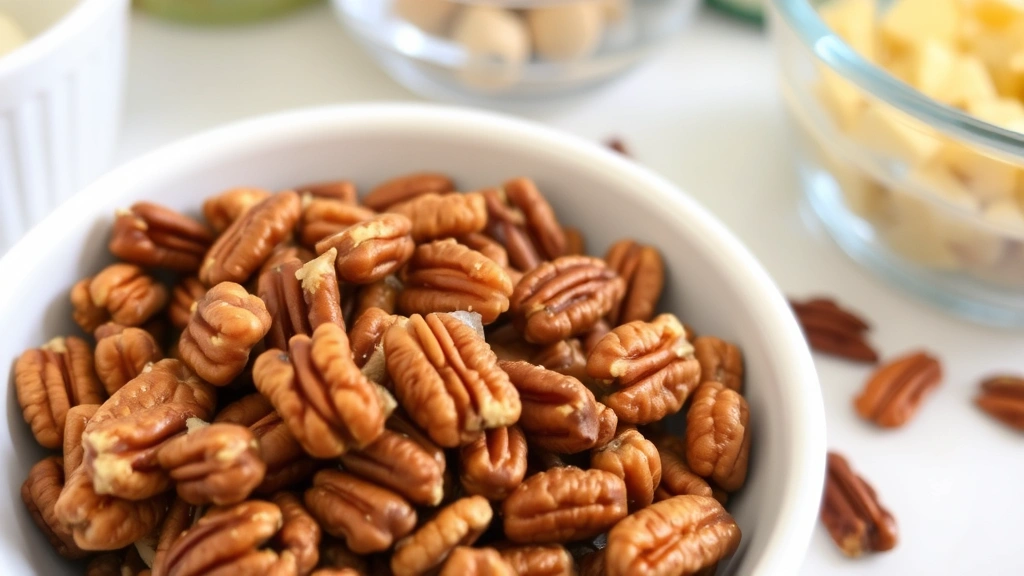
The Dry Ingredients: Two cups of all-purpose flour provides structure. Some bakers prefer cake flour for an even more tender result, but all-purpose is the traditional choice. Two cups of finely chopped pecans should be added, and here’s grandma’s secret: toast your pecans first for 8-10 minutes at 325°F. This develops their flavor dramatically.
Optional Additions: One teaspoon of ground cinnamon can be added for warmth and depth. Some variations include a quarter teaspoon of nutmeg. A tablespoon of bourbon or rum adds sophistication, though this is entirely optional and can be omitted for a traditional version.
Quality matters tremendously with pecan sandies. Invest in fresh pecans from a reputable source, and check them for rancidity before using. Fresh pecans should smell sweet and nutty, never musty or off. Similarly, use real butter and pure vanilla extract—these foundational ingredients are what make grandma’s recipe truly special.
Step-by-Step Instructions
Preparation Phase: Begin by preheating your oven to 325°F. Line your baking sheets with parchment paper, creating a non-stick surface that ensures even browning. If you don’t have parchment paper, silicone baking mats work beautifully. Have all your ingredients measured and ready—this is called mise en place and ensures smooth, stress-free baking.
Toasting the Pecans: Spread your chopped pecans on a separate baking sheet and toast them in the preheated oven for 8-10 minutes, stirring halfway through. You’re looking for a fragrant, slightly darker appearance. This step is non-negotiable for grandma’s secret—it’s what elevates these cookies from good to extraordinary. Remove and let cool completely before chopping more finely if needed.
Creaming the Butter and Sugar: In a large mixing bowl, combine softened butter with both sugars. Using an electric mixer on medium speed, beat for 3-4 minutes until the mixture is pale, fluffy, and increased in volume by about 50%. This process incorporates air, which helps create the tender crumb texture. Scrape down the bowl frequently to ensure even mixing.
Adding Wet Ingredients: Add vanilla extract and salt to the creamed mixture, beating for another 30 seconds until fully incorporated. At this point, the mixture should look smooth and homogeneous.
Incorporating Dry Ingredients: Gradually add the flour, mixing on low speed. Start with half the flour, mix until just combined, then add the remaining flour. Be careful not to overmix at this stage—overworking the dough develops gluten, which creates tough cookies instead of tender ones. The dough should come together without any visible flour streaks.
Adding the Pecans: Fold in the cooled toasted pecans using a spatula or wooden spoon. Mix gently until the pecans are evenly distributed throughout the dough. The dough should look studded with pecans throughout.
Shaping the Cookies: Using a 1-tablespoon cookie scoop, portion the dough onto your prepared baking sheets, spacing them about 2 inches apart. These cookies will spread slightly during baking, so adequate spacing is important. If you don’t have a cookie scoop, you can roll dough into 1-inch balls and gently flatten slightly with the bottom of a glass.
Baking Process: Place in the preheated 325°F oven for 12-15 minutes. The cookies should be lightly golden brown around the edges but still pale in the center. This is the key to perfect pecan sandies—they should look slightly underbaked when you remove them, as they continue cooking on the hot pan.
Cooling: Let the cookies cool on the baking sheet for 5 minutes, then transfer to a wire rack to cool completely. This gradual cooling process prevents them from becoming too hard or breaking apart.
Baking Techniques for Perfect Results
Temperature control is absolutely critical when baking pecan sandies. Oven temperature accuracy directly affects your results. Many home ovens run hot or cold, so investing in an oven thermometer is wise. Place it in the center of your oven and compare its reading to your oven’s display. If there’s a discrepancy, adjust accordingly.
The lower baking temperature of 325°F is intentional—it allows the cookies to bake through gently without browning too quickly. Higher temperatures would cause the outside to brown before the inside is fully cooked, resulting in crispy rather than tender cookies.
Rotation during baking helps ensure even browning. Halfway through the baking time, rotate your baking sheets 180 degrees and swap their oven positions if baking multiple sheets. This compensates for hot spots in most ovens.
Understanding the visual cues for doneness is crucial. Perfectly baked pecan sandies will have golden-brown edges but pale centers. The cookies will appear slightly soft when removed from the oven—this is correct. They firm up considerably as they cool, achieving that perfect tender texture grandma knew so well.
If you’re interested in exploring other classic baking recipes, check out our guide to various cooking techniques, which covers fundamental skills applicable across many recipes. For additional baking science insights, King Arthur Baking Company offers excellent resources on ingredient interactions and baking chemistry.
Storage and Shelf Life
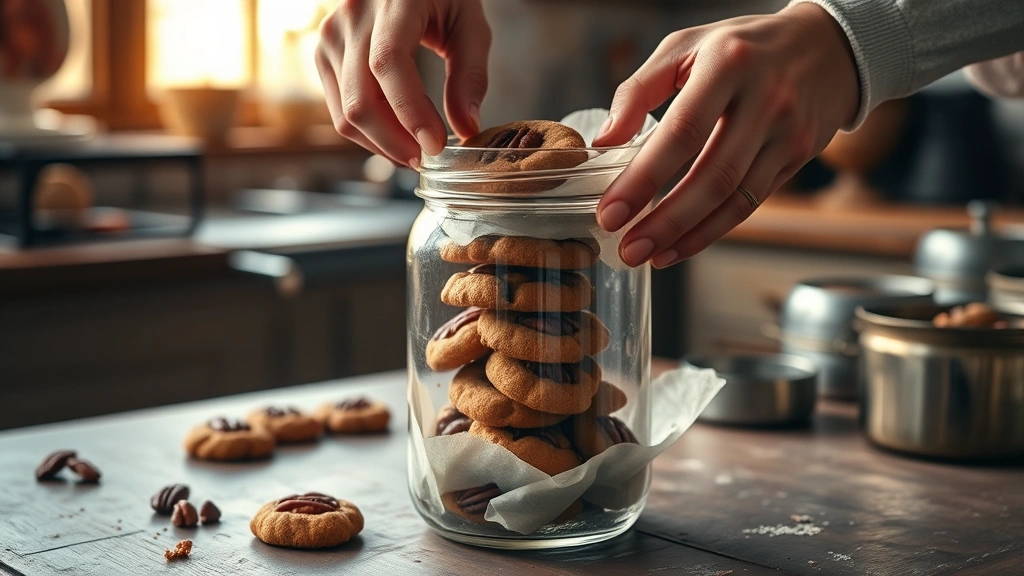
Proper storage ensures your pecan sandies remain fresh and delicious for days. Once completely cooled, store them in an airtight container at room temperature. Parchment paper between layers prevents them from sticking together. Stored this way, pecan sandies will maintain their quality for up to one week, though they’re usually devoured long before then.
For longer storage, pecan sandies freeze beautifully. Place cooled cookies in a freezer-safe container with parchment between layers, and they’ll keep for up to three months. Thaw at room temperature for about 30 minutes before serving. You can also freeze the dough—drop portions onto a baking sheet, freeze until solid, then transfer to a freezer bag. Bake from frozen, adding just 2-3 minutes to the baking time.
Avoid storing pecan sandies in the refrigerator, as the cold environment can cause them to dry out more quickly than room temperature storage. Room temperature is ideal for maintaining that signature tender texture.
Variations and Customizations
While grandma’s original recipe is perfection, there’s room for creative variations. Chocolate-Dipped Pecan Sandies: Melt high-quality chocolate and dip half of each cooled cookie, then let set on parchment paper. This adds elegance and richness.
Spiced Version: Add one teaspoon of ground cinnamon and a quarter teaspoon each of ground ginger and nutmeg to the dough. This creates a warm, autumnal flavor profile perfect for fall gatherings.
Maple Pecan Sandies: Replace vanilla extract with maple extract and add one tablespoon of pure maple syrup to the creamed butter and sugar mixture. Top each cookie with a small piece of candied pecan before baking.
Brown Butter Enhancement: Brown your butter before creaming by heating it in a saucepan over medium heat, stirring occasionally until it turns golden and fragrant (about 10 minutes). Cool completely before using. This adds incredible depth of flavor.
Sea Salt Topping: Sprinkle a pinch of fleur de sel or Maldon sea salt on top of each cookie immediately after removing from the oven. The salt enhances the sweetness and adds sophistication.
If you’re interested in exploring more nutty flavors in savory applications, our smothered chicken recipe features similar depth of flavor through careful ingredient selection.
Common Mistakes to Avoid
Using Cold Butter: Cold butter won’t cream properly with sugar, resulting in a dense, heavy dough. Always bring butter to room temperature before starting.
Overmixing the Dough: Once flour is added, mix gently and briefly. Overmixing develops gluten, creating tough cookies instead of tender ones. Stop mixing as soon as you don’t see flour streaks.
Skipping the Pecan Toasting: Untoasted pecans are the biggest mistake that separates good pecan sandies from grandma’s extraordinary version. Toasting develops flavor compounds that make all the difference.
Baking at Too High Temperature: Resist the urge to increase oven temperature for faster baking. Higher heat browns the outside before the inside cooks properly, resulting in crispy rather than tender cookies.
Overbaking: Remove cookies when edges are golden but centers still look slightly pale. They continue cooking on the hot pan after removal.
Crowding the Baking Sheet: Cookies need space to spread slightly. Crowding prevents even browning and can cause cookies to stick together.
Using Imitation Vanilla: The flavor difference between pure vanilla extract and imitation is significant. Pure vanilla provides subtle complexity that makes these cookies truly special.
For more guidance on avoiding common baking mistakes, Serious Eats provides detailed explanations of baking science and technique.
Many bakers find that understanding foundational cooking principles helps with all recipes. Just as our chicken and potatoes recipe relies on proper technique, so too do pecan sandies benefit from careful attention to detail.
Another excellent resource for understanding baking fundamentals is America’s Test Kitchen, which explains the reasoning behind each step in recipes.
For those interested in the culinary science behind these techniques, Exploratorium’s Cooking Lab offers fascinating insights into food chemistry and ingredient interactions.
FAQ
Can I use a food processor to chop the pecans?
Yes, but be careful not to over-process them into powder. Pulse in short bursts until you achieve a coarse chop with some texture remaining. Some pieces should be visible in the finished cookies.
What if my dough is too soft to scoop?
This often means your butter was too warm or your kitchen is very warm. Refrigerate the dough for 30 minutes, then try scooping again. The dough should be cool enough to hold its shape but soft enough to scoop without excessive pressure.
Can I make these cookies without pecans?
Technically yes, but they wouldn’t truly be pecan sandies. However, you could substitute other nuts like walnuts, almonds, or macadamia nuts, though the flavor profile would be different. Toasting remains important regardless of which nut you choose.
Why are my cookies spreading too much?
Likely causes include butter that’s too warm, oven temperature that’s too hot, or using too much sugar. Ensure your butter is properly softened but not melted, verify your oven temperature with a thermometer, and measure sugar by weight if possible for accuracy.
Can I double this recipe?
Absolutely. Simply double all ingredients and follow the same instructions. When baking multiple sheets simultaneously, rotate them halfway through for even browning.
How do I know when the cookies are perfectly baked?
The edges should be light golden brown while the center remains pale. When you gently press the center with your finger, it should spring back slowly, not immediately. This indicates the cookies are done but still tender.
What’s the difference between pecan sandies and shortbread?
Pecan sandies are essentially a variation of shortbread with added pecans. They follow the same basic butter-to-flour ratio that defines shortbread but include nuts for additional flavor and texture.
Can I add chocolate chips or other mix-ins?
While not traditional in grandma’s original recipe, you could fold in chocolate chips or dried fruit. However, this changes the classic nature of the cookie. If experimenting, use no more than half a cup of mix-ins to maintain the proper dough consistency.
Why do my cookies taste greasy?
This usually indicates too much butter or pecans that have gone rancid. Always check pecan freshness before using, and measure butter carefully by weight rather than volume for accuracy.
How can I make these cookies crispier?
Bake at 350°F instead of 325°F, and leave them in the oven for the full 15-20 minutes or until medium golden brown throughout. However, this deviates from the traditional tender texture grandma achieved.


