
Authentic Philly Cheesesteak Recipe: Chef’s Secret Techniques for Restaurant-Quality Results
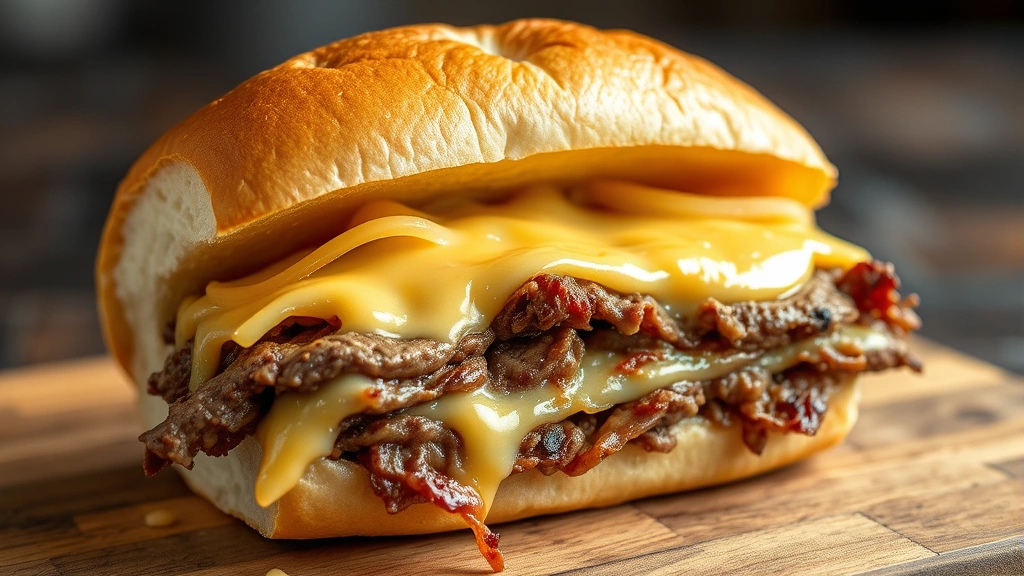
The Philly cheesesteak stands as an iconic American sandwich, born in Philadelphia during the 1930s when Pat Olivieri and his brother Harry decided to add thinly sliced beef to their hot dog stand. What started as a simple innovation has evolved into a beloved classic that defines comfort food for millions. The magic of an authentic Philly cheesesteak lies not in exotic ingredients, but in mastering technique, using quality beef, and understanding how heat transforms simple components into something extraordinary.
Creating an authentic Philly cheesesteak recipe at home requires understanding the traditional method that Philadelphia cheesesteak masters have perfected over decades. The key differentiators between an ordinary sandwich and a truly exceptional one involve the type of beef used, the cutting technique, the cooking method, and the cheese selection. This guide reveals the secrets that professional chefs use to deliver restaurant-quality Philly cheesesteak in your own kitchen.
Whether you’re preparing a quick weeknight dinner or impressing guests with your culinary skills, mastering this sandwich elevates your cooking repertoire. The beauty of a Philly cheesesteak is its simplicity—it requires only a handful of ingredients and straightforward technique, yet the results can rival any Philadelphia establishment.
Essential Ingredients & Cheese Selection
An authentic Philly cheesesteak requires surprisingly few ingredients, but each one matters significantly. The foundation includes thinly sliced beef, cheese, a hoagie roll, onions, and seasonings. However, understanding the quality and type of each ingredient transforms your sandwich from mediocre to magnificent.
Beef Selection: The traditional choice is ribeye steak, prized for its marbling and tenderness. The intramuscular fat renders during cooking, creating incredible flavor and moisture. Some Philadelphia establishments use a blend of ribeye and sirloin, which provides excellent texture and cost-effectiveness. You’ll need approximately 6-8 ounces of beef per sandwich, sliced paper-thin—this is crucial for proper cooking and texture.
Cheese Varieties: Authentic Philadelphia cheesesteak shops traditionally use Cheez Whiz, which melts smoothly and coats the beef evenly. However, modern variations include provolone, American cheese, and even pepper jack for spicier versions. Each cheese brings different characteristics: Cheez Whiz provides that classic creamy texture and nostalgic flavor; provolone adds sharpness and sophistication; American cheese offers creaminess with mild flavor; pepper jack introduces heat and complexity. When choosing cheese, consider how it will melt at high heat and whether it complements your beef quality.
Onions: Yellow onions are traditional, offering natural sweetness that caramelizes beautifully under high heat. Some chefs prefer mixing yellow and white onions for complexity. You’ll need approximately one large onion per two sandwiches, sliced into thin half-moons.
Rolls: The bread foundation is critical—seek authentic Italian hoagie rolls from local bakeries rather than supermarket versions. Quality rolls have a crispy exterior and airy interior that won’t become soggy. The roll should be sturdy enough to contain juices while remaining tender enough to bite through easily.
Seasonings: Salt, freshly ground black pepper, and sometimes garlic powder comprise the seasoning profile. Some regional variations include a pinch of cayenne or Italian seasoning. The key is restraint—let the beef and cheese flavors dominate.
Selecting & Preparing the Perfect Beef
This section contains the most critical secret to restaurant-quality results: proper beef preparation. Many home cooks fail to achieve authentic texture because they don’t slice their beef thin enough or they don’t freeze it properly beforehand.
Purchasing Strategy: Visit a butcher rather than relying on supermarket prepackaged beef. Ask your butcher to slice ribeye steak into paper-thin sheets—approximately 1/8 inch thick. If they cannot slice it this thin, purchase a whole ribeye steak and freeze it partially (about 2-3 hours) before slicing it yourself with a sharp knife or electric meat slicer. Partial freezing makes slicing dramatically easier and more uniform.
Freezing Technique: Place your sliced beef on parchment paper in a single layer and freeze for at least 4 hours, preferably overnight. This accomplishes multiple goals: it prevents the beef from clumping during cooking, allows for even heat distribution, and makes the beef easier to spread across your cooking surface. The thin, frozen slices thaw rapidly during cooking while developing proper texture.
Quality Indicators: Look for beef with visible marbling—the white lines of fat throughout the meat. This fat is essential for flavor and moisture. The beef should be deep red, not brown, indicating freshness. Avoid pre-sliced deli meat, which lacks the necessary quality and texture.
Understanding beef cuts connects to broader cooking knowledge. If you enjoy mastering beef preparation, exploring easy dinner recipes for beginners that feature beef will expand your skills across multiple dishes.
Chef’s Secret Cooking Technique
The cooking method separates authentic Philly cheesesteaks from inferior versions. Professional chefs use flat-top griddles or cast-iron surfaces heated to extremely high temperatures—typically 350-400°F. This high heat is essential for proper caramelization and texture development.
Equipment Considerations: A flat-top griddle is ideal, but a large cast-iron skillet or griddle works excellently. If you’re interested in mastering cast-iron cooking, our guide on how to cook with cast-iron provides comprehensive techniques applicable to this sandwich preparation. Preheat your cooking surface for at least 5 minutes, allowing it to reach proper temperature throughout.
Step-by-Step Cooking Process:
- Prepare Your Station: Arrange all ingredients within arm’s reach. Have your cheese, onions, and hoagie roll ready before you begin cooking. This prevents delays that could result in overcooking or cold components.
- Cook the Onions: Add a small amount of oil or butter to your griddle, then add sliced onions. Cook for 3-4 minutes, stirring occasionally, until they begin softening and developing light brown color. Push the onions to the side of your cooking surface, creating space for the beef.
- Add the Beef: Spread your frozen beef slices across the hot griddle in a single layer. Do not stir immediately—let the beef make contact with the hot surface for 30-45 seconds, developing a flavorful crust. This initial sear creates the Maillard reaction, developing complex flavors.
- Break and Mix: Using two metal spatulas or a spatula and a wooden spoon, break up the beef into smaller pieces while mixing with the onions. Continue cooking for 2-3 minutes total, ensuring the beef reaches proper browning without overcooking. The beef should appear browned but remain slightly pink in the center—carryover cooking will finish it.
- Season Properly: Add salt and freshly ground black pepper to taste. Many cooks season too lightly—remember that the beef and onions will be distributed across a large sandwich, so be generous with seasoning.
- Add Cheese: Reduce heat slightly and add your chosen cheese directly to the beef mixture. If using Cheez Whiz, add it in a thin stream while mixing gently. If using sliced cheese, tear it into pieces and distribute across the beef. Allow the cheese to melt completely, approximately 1-2 minutes, stirring occasionally to ensure even distribution.

Timing Precision: The entire cooking process from starting the beef to finishing with cheese should take approximately 5-6 minutes. Overcooking toughens the beef and causes the cheese to break down. Undercooking leaves the beef gray and texturally unpleasant. Achieving the perfect balance requires practice and attention.
Temperature Management: Maintaining consistent high heat throughout cooking is critical. If your griddle temperature drops significantly when you add cold beef, it won’t sear properly. Some professional cooks use two cooking surfaces—one for onions, one for beef—to maintain optimal temperatures.
Assembly & Finishing Touches
The final assembly process, while seemingly simple, requires careful technique to create an authentic experience.
Roll Preparation: Slice your hoagie roll lengthwise, creating a top and bottom half. Some chefs lightly toast the rolls on the griddle for 30 seconds per side, creating a barrier that prevents sogginess while adding subtle toasted flavor. This step is optional but recommended by professional establishments.
Filling Technique: Using a large spatula or special cheesesteak tool, transfer the beef and cheese mixture directly into your prepared roll. The mixture should be warm enough that it slightly softens the roll without making it soggy. Aim for a generous filling—the sandwich should feel substantial and satisfying.
Optional Additions: Traditional Philadelphia cheesesteaks contain only beef, cheese, and onions. However, variations exist: some customers request mushrooms (sautéed until golden), peppers (diced and cooked with onions), or jalapeños for heat. These should be cooked alongside the onions, not added after cheese melts.
Serving Immediately: Serve the sandwich immediately after assembly. The heat of the beef mixture should warm the roll and melt any cheese that hasn’t fully melted. Allowing the sandwich to sit before serving results in texture degradation.
Popular Variations & Customizations
While the classic Philly cheesesteak remains supreme, regional and personal variations have emerged, each with passionate advocates.
The Cheesesteak with Mushrooms: Often called a “Mushroom Steak,” this variation includes sautéed mushrooms cooked with onions. Use cremini or button mushrooms, sliced thin and cooked until they release their moisture and develop slight browning. This addition adds earthiness and umami complexity.
The Pepper Version: Some establishments offer roasted red peppers or fresh green peppers cooked with the onions. This adds sweetness and visual appeal, though purists argue it detracts from the beef flavor.
The Spicy Variation: Using pepper jack cheese and adding jalapeños creates a spicier profile. Some cooks add a pinch of cayenne pepper or hot sauce to the meat mixture. This variation appeals to those seeking more complex flavor profiles.
The Provolone Premium: Using quality aged provolone instead of Cheez Whiz creates a more sophisticated version. The sharp, nutty flavor of provolone complements high-quality beef beautifully, though it’s less traditional.
If you enjoy exploring variations of classic dishes, our collection of quick and easy pasta recipes demonstrates similar principles of taking simple foundations and creating variations through technique and ingredient selection.
Pro Tips for Perfect Results
Tip 1 – Beef Thickness Matters Most: The single most important factor determining your results is beef thickness. Slicing too thick results in chewy, undercooked centers. Paper-thin slices cook evenly and develop proper texture. Invest in a quality meat slicer or develop a relationship with a butcher who can slice properly.
Tip 2 – Don’t Skimp on Heat: Professional establishments use extremely hot cooking surfaces. Your home griddle should be as hot as safely possible without smoking excessively. This heat creates the flavorful crust and proper texture that distinguishes authentic cheesesteaks.
Tip 3 – Season Generously: Home cooks often under-season meat mixtures. Salt enhances beef flavor dramatically, so season more liberally than you might initially think comfortable. Taste as you go and adjust accordingly.
Tip 4 – Quality Cheese Matters: Whether choosing traditional Cheez Whiz or premium provolone, select the best version available. Lower-quality cheese products contain excessive additives and don’t melt smoothly. Authentic Cheez Whiz (in the jar, not powder) delivers superior results to generic versions.
Tip 5 – Onion Caramelization: Don’t rush the onions. Allowing them 4-5 minutes to develop light browning creates natural sweetness that balances the savory beef. This slow caramelization is crucial for authentic flavor.
Tip 6 – Batch Cooking Strategy: If preparing multiple sandwiches, cook in batches rather than attempting to cook several simultaneously. Overcrowding your griddle drops temperature, preventing proper searing. Each sandwich deserves individual attention.
Tip 7 – Roll Quality Cannot Be Overlooked: Invest in quality rolls from local bakeries. The bread is the foundation—poor rolls undermine even perfectly cooked beef and cheese. Many Philadelphia establishments use specific bakeries known for superior rolls.
For broader cooking knowledge applicable to sandwich preparation and other dishes, explore best healthy food recipes that demonstrate proper technique across various applications.
Tip 8 – Mise en Place Philosophy: Organize all ingredients before cooking begins. This restaurant principle ensures smooth execution without scrambling for components mid-cooking. Preparation prevents mistakes and ensures quality results.
Tip 9 – Cheese Integration: When adding cheese, mix it gently into the beef mixture rather than simply placing it on top. This ensures even distribution and complete melting, creating a cohesive, integrated filling rather than separated components.
Tip 10 – Practice Consistency: Your first attempt may not achieve perfection—that’s normal. Each subsequent sandwich teaches you about heat management, timing, and technique. Professional cheesesteak makers have prepared thousands of sandwiches, developing intuition impossible to achieve from a single attempt.
FAQ
What’s the difference between a Philly cheesesteak and a Cheesesteak sandwich?
Technically, all Philly cheesesteaks are cheesesteak sandwiches, but not all cheesesteak sandwiches are authentic Philly cheesesteaks. The term “Philly cheesesteak” specifically refers to sandwiches originating from Philadelphia, made with thin-sliced beef, cheese, and traditionally onions on a hoagie roll. Other regions may use different beef cuts, bread types, or preparation methods. Authentic versions maintain the traditional Philadelphia preparation method and ingredient profile.
Can I use a different cut of beef besides ribeye?
While ribeye is traditional due to its marbling and tenderness, other cuts work acceptably. New York strip steak offers good marbling with slightly leaner meat. Sirloin steak is more economical but requires careful slicing and cooking to avoid toughness. Some Philadelphia shops blend ribeye with sirloin for cost-effectiveness without sacrificing quality. The key is selecting cuts with sufficient marbling and slicing them paper-thin.
Is Cheez Whiz really better than real cheese?
This question divides purists and modernists. Traditional Philadelphia establishments use Cheez Whiz because it melts smoothly at high heat without breaking down, creating the classic creamy texture. Real cheeses like provolone offer superior flavor complexity but require more careful heat management to prevent separation. Neither is objectively “better”—they’re different. Experiment with both to determine your preference.
How do I prevent my sandwich from becoming soggy?
Sogginess results from several factors: wet onions, warm bread, or excess liquid from the beef mixture. Control this by: cooking onions until they release and reabsorb their moisture rather than remaining wet; lightly toasting rolls to create a moisture barrier; using a slotted spatula to drain excess liquid before transferring beef mixture to the roll; serving immediately rather than allowing the sandwich to sit. These techniques maintain structural integrity and textural quality.
Can I meal prep Philly cheesesteaks in advance?
Philly cheesesteaks are best served immediately after assembly. However, you can prepare components in advance: slice and freeze beef the day before; slice and refrigerate onions; prepare rolls. Then assemble and cook when ready to eat. Some people cook the beef and cheese mixture, then refrigerate it, reheating on a griddle before assembly—though this isn’t ideal as reheating can toughen the beef. For best results, cook fresh to order.
What beverage pairs well with Philly cheesesteaks?
Traditional Philadelphia pairings include soft drinks, particularly cola or ginger ale, which complement the rich, savory sandwich. Beer enthusiasts often choose lagers or pilsners for their crisp character and subtle hop bitterness that cuts through richness. Iced tea offers a lighter, refreshing option. The key is selecting beverages that refresh the palate between bites rather than adding heaviness.
How many people does one Philly cheesesteak feed?
A traditional Philly cheesesteak serves one person as a substantial main course. The sandwich typically contains 6-8 ounces of beef, cheese, and onions on a 10-12 inch hoagie roll, providing approximately 500-600 calories depending on cheese selection and preparation method. Some lighter appetites might split one sandwich, while heartier eaters might consume 1.5 sandwiches.
Can I make Philly cheesesteaks without a griddle or cast iron?
While a griddle provides ideal results due to even heat distribution and large cooking surface, you can use a large stainless steel skillet or even a heavy-bottomed sauté pan. The key is reaching and maintaining high heat throughout cooking. Avoid non-stick cookware, which typically cannot withstand the high temperatures necessary for proper searing and browning. Ensure whatever surface you use is large enough to accommodate beef, onions, and cheese without excessive crowding.
Why is the beef sometimes gray instead of brown?
Gray beef results from insufficient heat or cooking too slowly. The beef surface won’t develop the Maillard reaction—the chemical process creating browning and complex flavors—unless the cooking surface reaches proper high temperature. Ensure your griddle is sufficiently preheated. Additionally, overcrowding the cooking surface drops temperature. Cook in smaller batches, allowing the surface to recover heat between additions.
What’s the best cheese for someone who dislikes Cheez Whiz?
If Cheez Whiz doesn’t appeal, try American cheese from the deli counter (not individually wrapped slices), which melts smoothly and offers mild flavor. Aged provolone provides more complex flavor but requires careful heat management. Swiss cheese adds nuttiness. Pepper jack introduces spice. Experiment to discover your preference, remembering that different cheeses melt at different rates and create different textures and flavor profiles.


