How to Pickle Red Onions: Easy Chef Guide
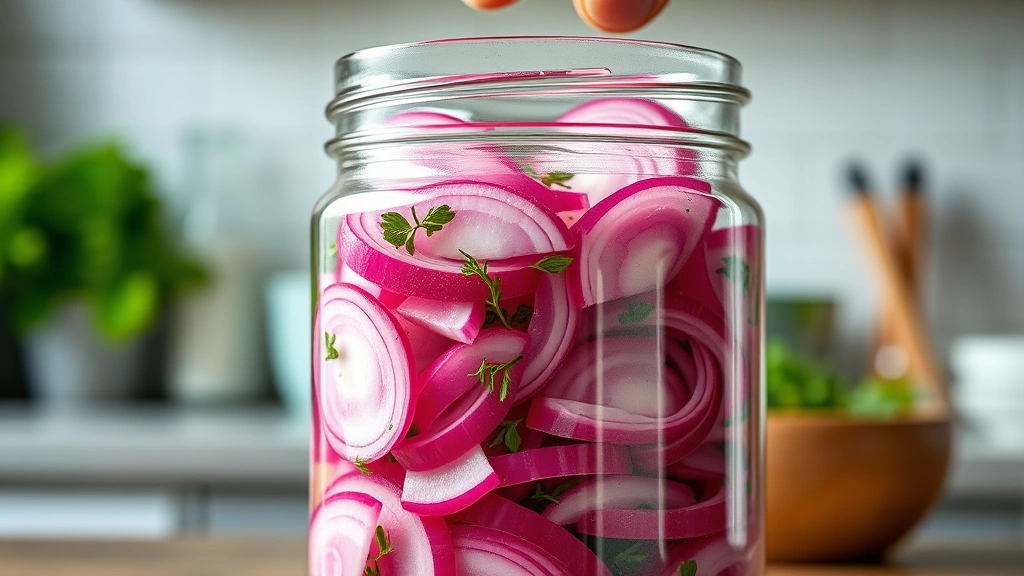
Pickling red onions is one of the simplest yet most transformative techniques in the kitchen. These vibrant, tangy condiments elevate everything from tacos and burgers to salads and grain bowls. Unlike fermenting, which requires days of patience, pickled red onions come together in under an hour, making them perfect for home cooks seeking restaurant-quality results without the complexity.
The beauty of this pickled red onions recipe lies in its versatility. Whether you prefer them sweet, spicy, or intensely vinegary, you control every flavor note. The process requires just five basic ingredients: red onions, vinegar, water, sugar, and salt. What makes the difference between mediocre pickles and exceptional ones is understanding the science behind the process and mastering a few key techniques that professional chefs rely on.
This comprehensive guide walks you through every step, from selecting the perfect onions to storing your finished product for maximum shelf life. You’ll discover pro tips that ensure crisp texture, balanced flavor, and stunning color that makes these pickles Instagram-worthy.
Why Pickle Red Onions
Pickling transforms raw red onions from pungent and sharp into something remarkably complex and balanced. The acetic acid softens the sulfur compounds responsible for the bite, while the brine infuses subtle sweetness and umami depth. This process takes just hours instead of the weeks required for traditional fermentation.
Beyond flavor, pickled red onions offer practical advantages. They extend the shelf life of onions significantly—up to three weeks refrigerated compared to two weeks for raw onions. The brilliant magenta color intensifies during pickling, making any dish more visually appealing. They’re also naturally low in calories and contain beneficial probiotic compounds when fermented, though quick-pickled versions offer different nutritional benefits.
For food waste reduction, pickling is invaluable. Those slightly soft onions at the bottom of your produce drawer? Perfect for pickling. They’ll firm up during the process and won’t go to waste.
Essential Ingredients and Equipment
Ingredients:
- 2 pounds red onions (about 4-5 medium onions)
- 1.5 cups white distilled vinegar or apple cider vinegar
- 0.5 cup water
- 3 tablespoons granulated sugar
- 1.5 tablespoons kosher salt
- Optional: whole spices, garlic, herbs
Equipment needed:
- Sharp chef’s knife or mandoline slicer
- Medium saucepan
- Glass jars (quart-sized or mason jars)
- Measuring cups and spoons
- Cutting board
- Wooden spoon
- Strainer (optional, for removing spices later)
The quality of your vinegar matters significantly. White distilled vinegar offers clean, bright acidity perfect for classic pickles. Apple cider vinegar provides complexity and slight fruitiness. Rice vinegar creates milder pickles, while red wine vinegar adds depth but can muddy the onions’ color. Most professional chefs recommend distilled white vinegar for maximum clarity and color retention.
Selecting and Preparing Your Onions
Choose firm red onions with tight, papery skin and no soft spots. Medium-sized onions are ideal—they’re easier to slice uniformly and pickle evenly. Avoid onions that feel hollow or lightweight, as they’ve already begun deteriorating.
Prep technique:
- Rinse onions under cold water and pat dry completely
- Cut off root and stem ends
- Peel away papery skin and first layer if damaged
- Slice onions into thin rings, approximately 1/8 inch thick
- Keep rings intact rather than separating them—they look better in the jar
The thickness of your slices affects pickling time. Thinner slices (1/8 inch) pickle in 2-3 hours; thicker slices (1/4 inch) need 6-8 hours. Most chefs prefer thin slices for faster results and better texture. A mandoline slicer ensures consistency, but a sharp knife works perfectly well with practice.
Pro tip: Wear gloves or wash your hands immediately after cutting red onions—the pigments stain skin temporarily. The same pigment, anthocyanin, is what makes these pickles so beautiful and nutritious.
The Pickling Brine Formula
Understanding brine ratios is fundamental to consistent results. The classic ratio professional chefs use is 3 parts vinegar to 1 part water, with sugar and salt balanced to complement your chosen vinegar type.
Basic brine calculations:
- Vinegar provides acidity and preservation
- Water dilutes vinegar to prevent harshness
- Sugar balances acidity and enhances sweetness
- Salt preserves and seasons
For this recipe, we use 1.5 cups vinegar and 0.5 cup water, creating a 3:1 ratio. The 3 tablespoons sugar adds subtle sweetness without making pickles candy-like. The 1.5 tablespoons salt (approximately 0.5 ounce) ensures proper preservation and flavor.
Temperature affects flavor extraction. Cold brine creates crunchier pickles but requires longer sitting time (8-12 hours). Hot brine infuses flavor faster (2-3 hours) but softens onions slightly. Most home cooks prefer the hot-brine method for speed, while restaurants often use cold brine for texture.
Step-by-Step Pickling Process
Step 1: Combine and Heat Brine
Pour vinegar, water, sugar, and salt into a medium saucepan. Heat over medium-high until the mixture reaches a gentle boil, stirring occasionally to dissolve sugar and salt completely. This takes about 5-7 minutes. Don’t skip this step—dissolved sugar and salt distribute evenly, ensuring uniform flavor throughout your batch.
Step 2: Prepare Jars
While brine heats, prepare your jars. Wash them thoroughly with hot soapy water or run through the dishwasher. You don’t need to sterilize for refrigerator pickles, but cleanliness is essential. Dry jars completely before filling to prevent dilution of your brine.
Step 3: Pack Onions
Layer sliced onions into jars, filling to about one inch from the top. Pack them relatively tightly—they’ll shrink slightly as they absorb brine. If using spices, scatter them between layers. This distributes flavor evenly and creates an attractive appearance when viewed through glass.
Step 4: Pour Hot Brine
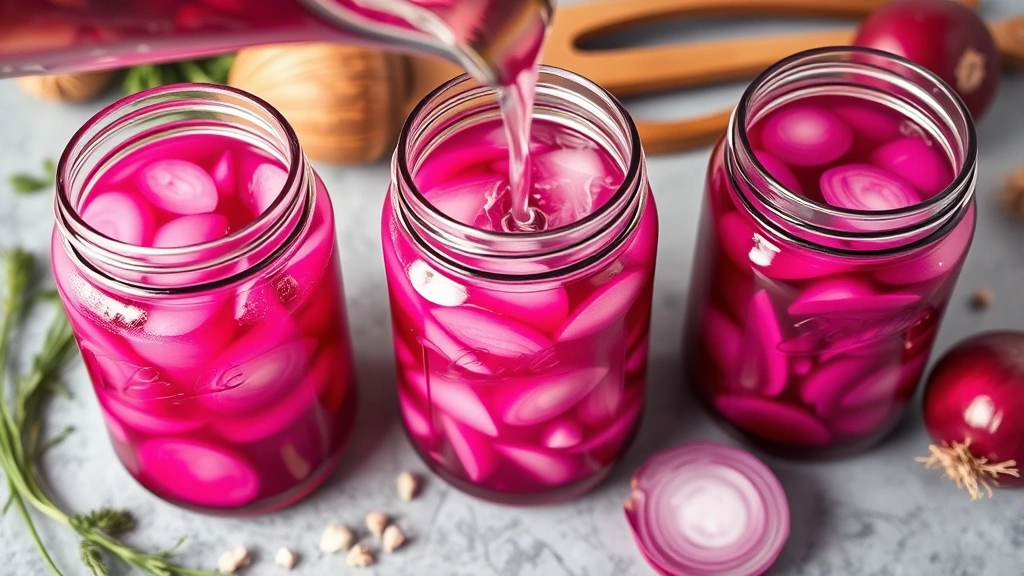
Carefully pour hot brine over onions, ensuring they’re completely submerged. This is crucial—onions exposed to air can develop mold or discoloration. Fill to the brim, leaving about half an inch headspace to prevent overflow as onions release liquid.
Step 5: Cool and Refrigerate
Allow jars to cool to room temperature, approximately 30-45 minutes. This prevents thermal shock to the glass and allows initial flavor infusion. Once cooled, refrigerate immediately. Pickles will be mildly flavored after 2 hours, well-developed after 4-6 hours, and fully mature after 24 hours.
The color transformation is remarkable—within hours, pale pink onions deepen to brilliant magenta as anthocyanin pigments react with the acidic brine. This visual indicator tells you the pickling process is working.
Flavor Variations and Customization
The basic recipe provides an excellent foundation for experimentation. Here are proven variations that professional chefs use:
Spicy Version: Add 2-3 dried red chilies or 1 teaspoon red pepper flakes to the brine before heating. Fresh habaneros or jalapeños work too—slice them and add directly to jars.
Aromatic Version: Include 4-5 whole cloves, 1 teaspoon coriander seeds, and 2-3 bay leaves. Toast spices lightly in a dry pan before adding to brine—this intensifies their flavor.
Herb-Forward Version: Add fresh thyme sprigs, rosemary, or dill directly to jars. These infuse more delicately than dried spices and work beautifully with summer salads.
Garlic Version: Include 4-6 sliced garlic cloves per jar. Garlic becomes mild and almost sweet during pickling, adding depth without harshness.
Sweet Pickle Version: Increase sugar to 4-5 tablespoons for a sweeter profile. This works beautifully for barbecue applications and pairs well with pulled pork or brisket.
The beauty of pickling at home is complete control over sweetness, spice level, and aromatics. Keep notes on variations you try—you’ll quickly develop a signature style.
Storage and Shelf Life
Properly made pickled red onions keep refrigerated for up to three weeks. The acidic brine preserves them effectively, though the texture gradually softens after two weeks. For maximum crispness, consume within 10-14 days.
Store jars on a refrigerator shelf rather than the door, where temperature fluctuates. Consistent cold temperature maintains quality and prevents spoilage. If onions develop an off smell, cloudiness, or mold, discard immediately.
For longer storage, you can water-bath can pickles using proper canning techniques, extending shelf life to six months at room temperature. However, this requires sterilization and specific safety protocols—consult USDA guidelines for detailed canning instructions.
To extend shelf life using food preservation methods, consider food waste reduction strategies like freezing excess onions in ice cube trays with brine for later use. While frozen pickles aren’t ideal for fresh applications, they work beautifully in cooked dishes.
Serving Suggestions
Pickled red onions elevate countless dishes. Here are professional applications:
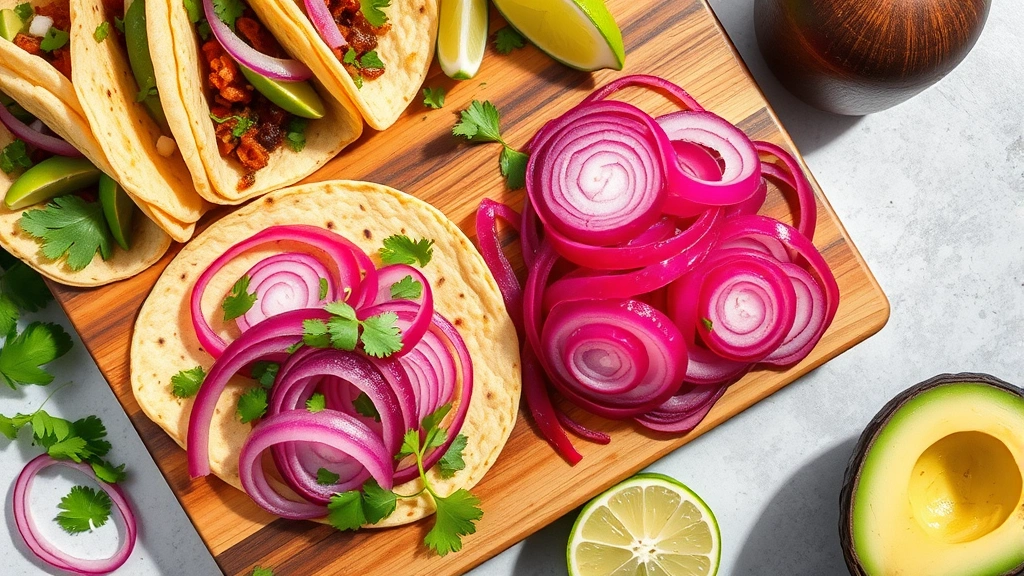
Mexican and Latin cuisine: Top tacos, ceviche, and tostadas. The bright acidity cuts through rich fats beautifully.
Sandwiches and burgers: Layer onto pulled pork sandwiches, burgers, or banh mi. They add crunch and acidity that prevents sandwiches from feeling heavy.
Grain bowls: Use as a component in Buddha bowls or grain salads. They brighten flavors and add visual contrast.
Salads: Incorporate into summer salad recipes or any green salad. They’re especially striking in beet salads where the colors complement beautifully.
Charcuterie boards: Include a small jar of pickled onions alongside cured meats and cheeses. They provide palate-cleansing acidity and visual appeal.
Breakfast dishes: Top avocado toast or scrambled eggs for brightness. Check out quick breakfast recipes for inspiration.
Desserts and beverages: Pickled onions work surprisingly well in cocktails and even certain healthy dessert recipes that balance sweet and savory elements.
The key is using pickled onions to add complexity—they’re a supporting player that makes other ingredients shine rather than the star of the dish.
FAQ
How long do pickled red onions take to be ready?
Hot-brine pickled red onions are mildly pickled after 2 hours and fully developed after 24 hours. For the best flavor and texture, wait at least 4-6 hours before serving. Cold-brine pickles require 8-12 hours but offer superior crunchiness.
Can I reuse the pickling brine?
Yes, refrigerated brine can be reused 1-2 times for new batches. The brine becomes slightly less potent with each use, so add fresh vinegar and salt when reusing. Discard after the second use to prevent bacterial growth.
Why are my pickled onions mushy?
Mushiness typically results from using very old onions, slicing too thick, or keeping them at room temperature too long before refrigerating. Use fresh, firm onions, slice uniformly at 1/8 inch, and refrigerate immediately after pouring hot brine.
Can I use different types of vinegar?
Absolutely. White distilled vinegar is classic, but apple cider vinegar adds complexity, rice vinegar creates milder pickles, and red wine vinegar adds depth. Avoid vinegars below 5% acidity—they won’t preserve properly. Adjust sugar slightly based on your vinegar choice.
Are pickled red onions healthy?
Yes, they’re low in calories (about 15 calories per 1/4 cup) and contain beneficial compounds from onions including quercetin, a powerful antioxidant. The pickling process preserves these nutrients. However, they contain sodium from salt, so moderate portions are wise for sodium-restricted diets.
Can I make pickled red onions without sugar?
Sugar balances acidity and enhances flavor, but you can reduce it to 1-2 tablespoons for a more savory result. Eliminating sugar entirely creates overly sharp pickles that most people find unpleasant. Honey or maple syrup can substitute for granulated sugar in equal amounts.
How do I prevent my pickled onions from fading in color?
Use white distilled vinegar rather than colored vinegars, which can muddy the brilliant magenta. Keep jars away from direct sunlight, as UV exposure fades the anthocyanin pigments. Refrigerate immediately after cooling to preserve color intensity.
What’s the difference between pickling and fermentation?
Pickling uses vinegar and heat to preserve food quickly (hours to days). Fermentation uses salt and beneficial bacteria to preserve food over weeks, creating probiotics. Pickled onions are faster and shelf-stable; fermented onions offer additional probiotic benefits but require more time.


