Top 5 Plantain Recipes: Grandma’s Favorites
Plantains are one of the most versatile and beloved staples in Caribbean, Latin American, and African cuisines. Unlike their sweeter cousins, bananas, plantains offer a starchy, potato-like texture that transforms beautifully across sweet and savory dishes. My grandmother has been cooking with plantains for over fifty years, and her kitchen wisdom has taught me that mastering plantain recipes opens doors to authentic, deeply satisfying meals that have fed families for generations.
Whether you’re looking to recreate traditional comfort food or explore new flavor combinations, plantain recipes deserve a permanent spot in your cooking rotation. These five recipes represent the heart of my family’s culinary heritage—dishes that have graced our table during celebrations, quiet weeknight dinners, and everything in between. Each recipe builds on fundamental cooking techniques that make plantains shine, from perfectly golden frying to slow-roasted tenderness.
Crispy Tostones: The Perfect Appetizer
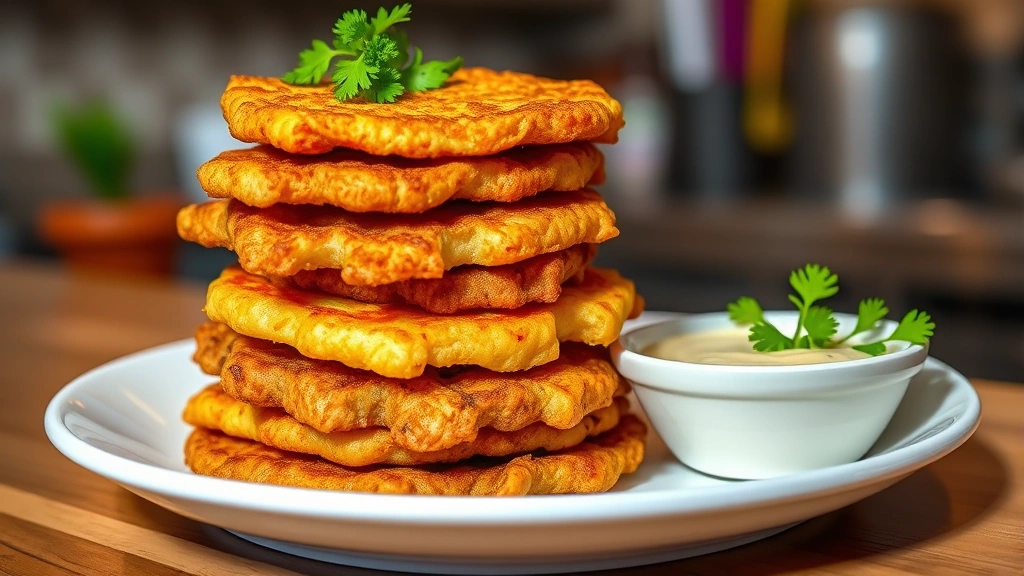
Tostones are twice-fried plantain rounds that achieve an impossibly crispy exterior while maintaining a tender, creamy interior. My grandmother makes these for nearly every gathering, and guests always return to the platter for more. The magic happens in the double-frying technique—the first fry softens the plantain, and the second fry creates that signature crunch that makes tostones irresistible.
Ingredients for Tostones:
- 3 green plantains, peeled and cut into 1-inch rounds
- Vegetable oil for frying (approximately 2 quarts)
- Sea salt to taste
- Optional: garlic powder, cayenne pepper, or fresh cilantro for serving
Step-by-Step Instructions:
- Prepare the plantains: Select green plantains that are still firm and slightly hard. Peel them by cutting off both ends, then make shallow cuts along the length and peel away the thick skin. Slice the plantains into 1-inch thick rounds, keeping them relatively uniform in size so they cook evenly.
- Heat your oil: Pour oil into a deep skillet or Dutch oven to a depth of about 2 inches. Heat the oil to 350°F (175°C). Use a cooking thermometer to ensure accuracy—this temperature is crucial for achieving the right texture.
- First fry: Carefully place plantain rounds into the hot oil, working in batches to avoid overcrowding. Fry for approximately 3-4 minutes until they become light golden and slightly tender. Remove with a slotted spoon and drain on paper towels.
- Flatten the rounds: While the plantains are still warm, place each round between two sheets of parchment paper. Using the bottom of a glass or a specialized tostonera (plantain press), flatten each round to about ¼-inch thickness. This step is essential for achieving the characteristic flat shape.
- Second fry: Reheat the oil to 375°F (190°C). Fry the flattened plantains for 1-2 minutes per side until they’re deep golden brown and crispy. The exterior should crackle when you bite into it.
- Drain and season: Transfer tostones to paper towels and immediately sprinkle with sea salt. Serve hot with a garlic aioli or mojo sauce for authentic flavor.
Tostones are best served immediately while they’re still warm and crispy. My grandmother always says the window for perfect tostones is about five minutes—after that, they begin to soften. Pair them with a refreshing beverage and watch them disappear from the plate.
Maduros: Sweet Caramelized Plantain Slices
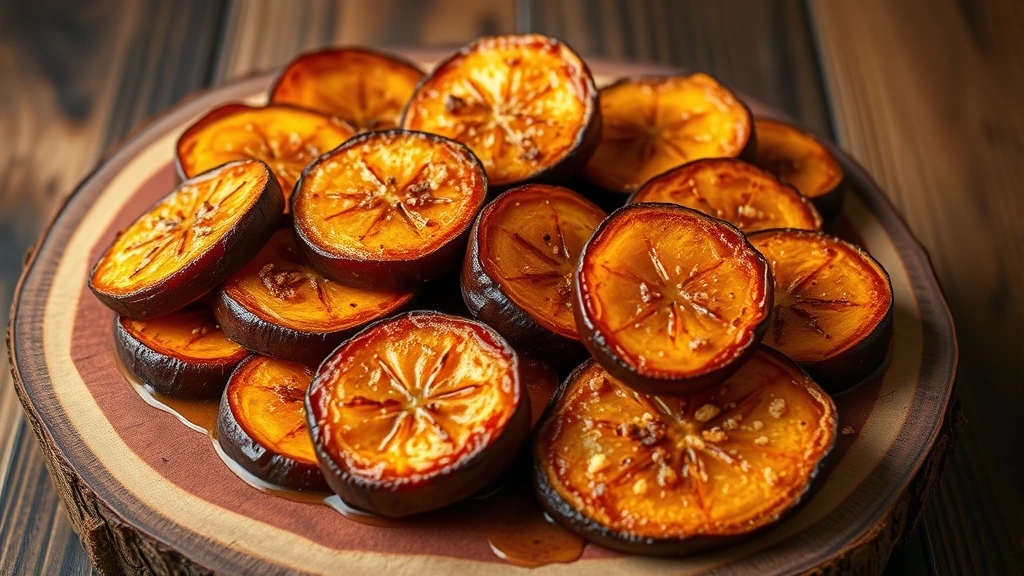
If tostones represent the savory side of plantain cooking, maduros showcase their natural sweetness. These golden-brown slices of ripe plantain are caramelized in their own sugars, creating a dessert-like side dish that complements rice and beans or stands alone as a light dessert. Maduros require ripe, yellow plantains with brown spots—the ripeness is what transforms them into this sweet treat.
Ingredients for Maduros:
- 3 ripe plantains (yellow with brown spots), peeled and sliced diagonally
- 3 tablespoons butter or coconut oil
- 2 tablespoons brown sugar or white sugar
- ¼ teaspoon cinnamon (optional but recommended)
- Pinch of sea salt
Cooking Method:
- Select ripe plantains: Choose plantains that are predominantly yellow with areas of brown. These will have developed their natural sugars and will caramelize beautifully. Avoid completely black plantains, which can become too soft.
- Peel and slice: Peel the plantains by cutting off both ends and making shallow cuts along the length. Slice the plantains diagonally into ½-inch thick pieces. The diagonal cut creates more surface area for caramelization.
- Heat your pan: Place a large skillet over medium-high heat and add butter or coconut oil. Once the butter is melted and foamy, sprinkle the sugar evenly across the pan’s surface.
- Arrange plantains: Carefully place plantain slices into the sugared butter, working in a single layer. You may need to work in batches to avoid crowding the pan.
- Fry until golden: Cook for 3-4 minutes on the first side without moving the plantains—this allows the sugar to caramelize and create a golden crust. Flip and cook the other side for another 3-4 minutes until both sides are deeply caramelized.
- Season and finish: Sprinkle with cinnamon and a pinch of salt just before serving. The salt enhances the sweetness and adds complexity to the flavor profile.
Maduros are wonderful served alongside rice, beans, and savory proteins, but they’re equally delicious on their own as a sweet side or light dessert. My grandmother often serves them at the end of a meal with a small cup of strong coffee.
Plantain Mofongo: A Puerto Rican Classic
Mofongo is perhaps the most iconic plantain dish in Puerto Rican cuisine. This savory creation combines mashed green plantains with garlic, olive oil, and broth to create a side dish that’s simultaneously creamy and rustic. The technique of pounding the plantains in a mortar (or mofongera) while incorporating garlic and oil is what gives this dish its distinctive texture and name.
Ingredients for Mofongo:
- 4 green plantains, peeled, cubed, and fried until tender
- 6 cloves garlic, minced
- ¼ cup extra virgin olive oil
- 1 cup chicken or vegetable broth, warmed
- ¼ cup reserved cooking oil from frying plantains
- Sea salt and black pepper to taste
- Optional: crispy bacon bits or sautéed shrimp for topping
Detailed Instructions:
- Prepare and fry plantains: Peel green plantains and cut them into 1-inch cubes. Heat oil in a skillet to 350°F (175°C) and fry the plantain cubes for 5-7 minutes until they’re tender with a light golden exterior. Drain on paper towels.
- Create garlic oil: In a small saucepan, gently heat the olive oil with minced garlic over low heat for 2-3 minutes. Be careful not to brown the garlic—you want it fragrant and soft. This infused oil is the flavor foundation of mofongo.
- Pound the mixture: If using a traditional mortar and pestle or mofongera, add a handful of fried plantain cubes along with a spoonful of the garlic oil. Pound and mash until the plantains break down and the mixture becomes creamy and cohesive. Repeat with remaining plantains and oil.
- Add broth gradually: As you continue pounding, slowly add warm broth to achieve the desired consistency. The mofongo should be creamy but hold its shape. Add salt and pepper to taste.
- Shape and serve: Transfer the mofongo to serving plates, using a mofongera or the back of a spoon to create a dome shape. Serve immediately while warm, topped with your choice of crispy bacon, sautéed shrimp, or a simple tomato-based sauce.
Mofongo is best enjoyed fresh and warm. The texture deteriorates if it sits too long, so prepare it just before serving. My grandmother traditionally serves mofongo alongside a rich stew or as part of a larger meal with rice and beans.
Savory Plantain Empanadas
Empanadas filled with seasoned plantains represent the intersection of texture and flavor that makes healthy food recipes exciting. These handheld pastries combine a crispy exterior with a creamy plantain filling that can be customized with cheese, meat, or vegetables. They’re perfect for meal prep, entertaining, or satisfying a quick hunger.
Ingredients for Empanada Filling:
- 2 green plantains, peeled and diced
- 1 onion, finely diced
- 3 cloves garlic, minced
- 1 cup shredded cheese (cheddar or mozzarella)
- ½ pound ground beef or chorizo (optional)
- 1 teaspoon cumin
- Salt and pepper to taste
- 2 tablespoons olive oil
- Prepared empanada dough or store-bought wrappers
Preparation Steps:
- Cook the plantains: Boil diced green plantains in salted water for 12-15 minutes until they’re completely tender. Drain well and mash with a fork until relatively smooth but still slightly chunky.
- Make the filling: Heat olive oil in a skillet and sauté the diced onion and minced garlic until fragrant and softened, about 3-4 minutes. If using meat, add it now and cook until browned. Stir in the mashed plantains, cheese, and cumin. Season with salt and pepper. Allow the mixture to cool slightly before filling the empanadas.
- Assemble empanadas: Place about 2 tablespoons of filling in the center of each empanada wrapper. Wet the edges with water and fold in half, creating a seal. Use a fork to crimp the edges for a decorative finish and to ensure they stay sealed during cooking.
- Cook to golden perfection: You can either bake at 375°F (190°C) for 20-25 minutes until golden, or fry in oil at 350°F (175°C) for 3-4 minutes per side. Fried empanadas are crispier, while baked versions are lighter.
- Cool and serve: Allow empanadas to cool for a few minutes before serving. They’re delicious hot or at room temperature, making them ideal for packed lunches or party platters.
The beauty of plantain empanadas lies in their versatility. You can fill them with just cheese and plantains for a vegetarian option, or add spiced meat for a heartier filling. My grandmother makes dozens of these for family celebrations, and they’re always the first thing to disappear from the table.
Baked Plantain Chips: A Healthier Alternative
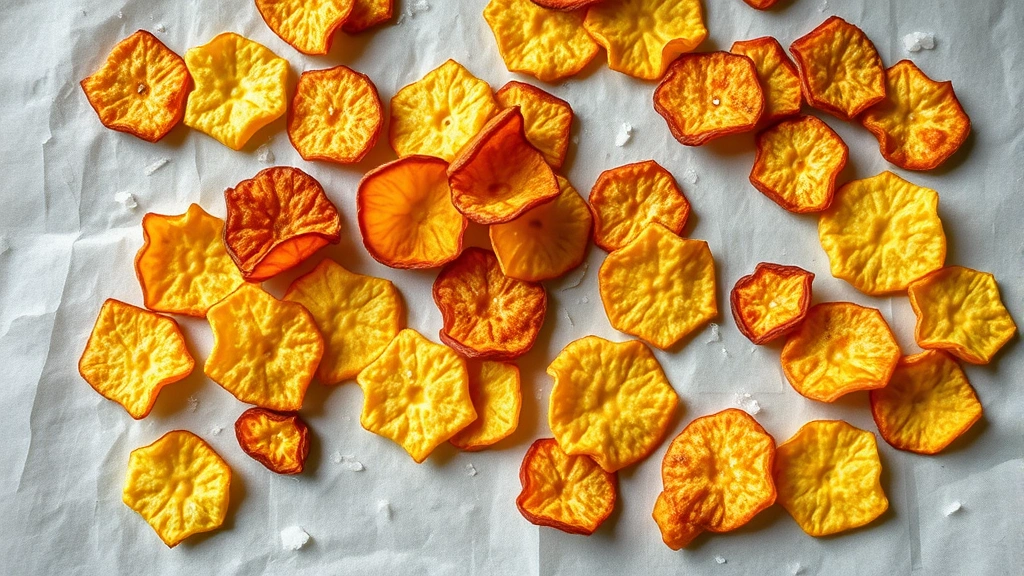
For those seeking a lighter version of fried plantain snacks, baked plantain chips offer the same satisfying crunch with significantly less oil. These chips work beautifully as a standalone snack, a side dish, or even crushed as a coating for proteins. The baking method requires slightly different techniques than frying, but the results are equally delicious and far more health-conscious.
Ingredients for Baked Plantain Chips:
- 3 green or yellow plantains (depending on your sweetness preference)
- 2 tablespoons olive oil or avocado oil
- 1 teaspoon sea salt
- ½ teaspoon garlic powder
- ¼ teaspoon cayenne pepper (optional)
- Fresh lime juice (optional)
Baking Instructions:
- Prepare plantains: Peel the plantains and slice them into thin, uniform rounds using a mandoline slicer or sharp knife. Consistency in thickness is crucial—aim for about ⅛-inch slices so they bake evenly.
- Arrange on baking sheets: Line two baking sheets with parchment paper. Arrange plantain slices in a single layer, ensuring they don’t overlap. Overlapping slices won’t crisp properly.
- Coat with oil and seasonings: Lightly brush both sides of each slice with olive oil or avocado oil. Sprinkle evenly with sea salt, garlic powder, and cayenne pepper if using. The oil helps create crispiness and allows seasonings to adhere.
- Bake until crispy: Bake at 375°F (190°C) for 15-20 minutes, stirring the chips halfway through cooking. Thinner slices may finish in 12-15 minutes, while thicker slices might need the full 20 minutes. They should be golden brown and crispy when done.
- Cool and store: Remove from the oven and allow chips to cool on the baking sheet for 5 minutes (they’ll continue to crisp as they cool). Once completely cool, store in an airtight container for up to one week.
Baked plantain chips are perfect for meal prep and make excellent additions to lunchboxes or party platters. You can experiment with various seasonings—try lime zest, smoked paprika, or even cinnamon sugar for a sweet version. For those interested in healthy dessert recipes, cinnamon-sugar chips are a wonderful option.
FAQ
What’s the difference between plantains and bananas?
Plantains are larger, starchier, and less sweet than bananas. They’re typically cooked before eating, whereas bananas are usually eaten raw. Plantains maintain their firm texture through cooking, making them ideal for frying, baking, and mashing. The flavor profile is more savory and potato-like, particularly when green.
How do I know when plantains are ripe enough for each recipe?
Green plantains (still firm and mostly green skin) are best for tostones, mofongo, and savory applications. Yellow plantains with some brown spots are ideal for maduros and slightly sweet preparations. Completely black plantains are very soft and sweet, suitable for desserts or when you want maximum sweetness. For chips, use green plantains for savory versions and yellow for slightly sweet chips.
Can I prepare plantain recipes in advance?
Tostones and mofongo are best served immediately while warm and crispy. However, you can prepare components in advance—fry the plantain rounds for tostones earlier in the day and reheat them in the oven. Empanadas can be assembled hours ahead and refrigerated before cooking. Baked chips store well in airtight containers for up to a week, making them excellent for meal prep.
What are some good dipping sauces for plantain dishes?
Garlic aioli, mojo sauce, and chimichurri all pair beautifully with plantain recipes. A simple lime-cilantro crema works wonderfully with tostones and empanadas. For maduros, a drizzle of honey or a dollop of sour cream complements the sweetness. My grandmother often serves her plantain dishes with a simple tomato-based sauce or fresh salsa.
Are plantain recipes naturally gluten-free?
Yes, all these plantain recipes are naturally gluten-free. However, if you’re making empanadas, ensure your dough or wrappers are certified gluten-free if that’s a concern. The plantain itself contains no gluten, making these dishes excellent options for those with gluten sensitivities.
How do I store leftover plantain dishes?
Store cooked plantain dishes in airtight containers in the refrigerator for up to three days. Reheat tostones in a 350°F oven for 5-8 minutes to restore crispiness. Mofongo and maduros can be reheated gently on the stovetop. Raw plantain chips should be stored in airtight containers at room temperature and will keep for about a week.
Can I freeze plantain preparations?
Yes, you can freeze prepared empanadas before cooking—bake them directly from frozen, adding a few extra minutes to the cooking time. Cooked tostones and chips don’t freeze well as they lose their crispy texture. Mofongo can be frozen but may have a slightly different texture when reheated.
These five plantain recipes represent generations of cooking wisdom from my grandmother’s kitchen. Each dish showcases the remarkable versatility of this humble ingredient, from crispy appetizers to creamy sides to sweet finishes. Whether you’re exploring new cuisines or reconnecting with family traditions, plantain recipes offer authentic, deeply satisfying cooking that never goes out of style.
Start with whichever recipe appeals to you most, but I encourage you to try all five. As you become more comfortable with plantain cooking techniques, you’ll develop your own variations and preferences. My grandmother always says the best recipes are the ones you make your own, adding your personal touch to traditional foundations.
For more inspiration with complementary dishes, explore our collection of chocolate truffle recipes for desserts, or discover how to make homemade ice cream to complement your plantain meals. You might also enjoy our easy fudge recipe for sweet treats, or explore our energy balls recipe for nutritious snacking options.


