Spice Up Meals with Poblano? Chef’s Favorites
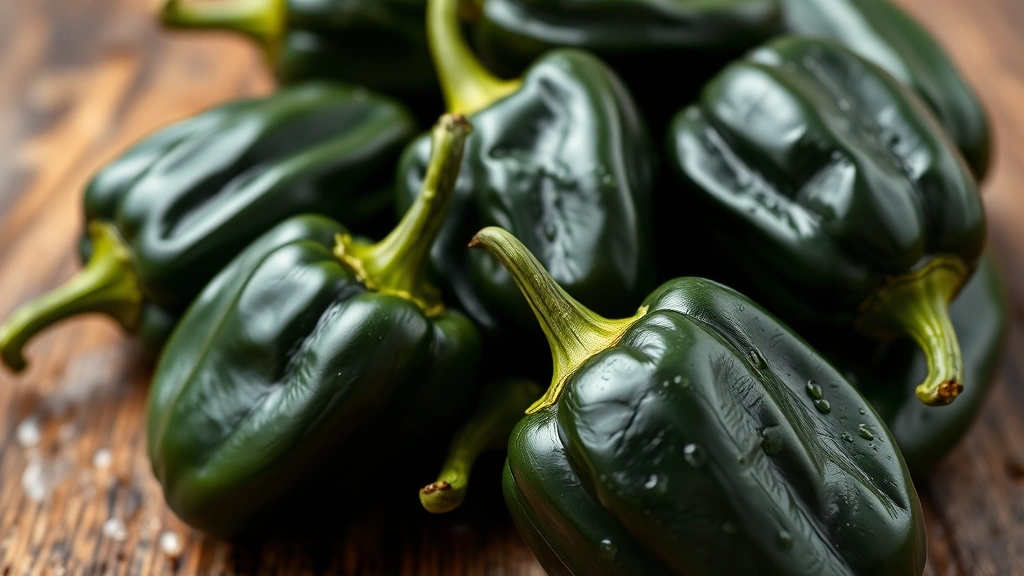
Poblano peppers are a culinary game-changer that many home cooks overlook. These dark green, mild chiles bring a subtle heat and complex flavor profile that elevates dishes from ordinary to extraordinary. Unlike their spicier cousins, poblanos offer a gentle warmth that builds gradually, making them perfect for those who want flavor without overwhelming heat. Whether you’re a seasoned chef or a kitchen novice, poblano recipes offer endless possibilities for creative, delicious meals.
The versatility of poblano peppers extends far beyond simple salsa. These beauties can be stuffed, roasted, grilled, or blended into creamy sauces. They work beautifully in traditional Mexican cuisine while also lending themselves to fusion cooking and modern interpretations. With their thick flesh and meaty texture, poblanos hold up wonderfully to various cooking methods, making them ideal for everything from casual weeknight dinners to impressive entertaining dishes.
In this comprehensive guide, we’ll explore chef-approved poblano recipes that showcase why these peppers deserve a permanent spot in your kitchen. From classic preparations to innovative twists, you’ll discover how to maximize the potential of this underrated ingredient and create meals that your family and guests will absolutely love.
Understanding Poblano Peppers
Poblano peppers originate from Mexico, specifically the Puebla region, which gives them their name. These medium-sized chiles typically measure 3-4 inches long and feature a deep, dark green color with a somewhat wrinkled skin. What makes poblanos special is their unique flavor profile—earthy, slightly smoky, with a hint of sweetness that develops beautifully when roasted.
On the Scoville scale, poblanos rank between 1,000 and 2,000 heat units, making them significantly milder than jalapeños (2,500-8,000 units) but with more character than bell peppers. This sweet spot positions them perfectly for cooks seeking genuine chile flavor without excessive heat. The thick walls of a poblano make them ideal for stuffing, as they won’t collapse during cooking like thinner-walled peppers.
When shopping for poblanos, look for firm peppers with smooth, unblemished skin. They should feel heavy for their size, indicating good flesh density. Store them in your refrigerator’s vegetable drawer where they’ll keep for up to two weeks. You can also freeze roasted poblanos for later use—simply peel them, remove seeds, and store in airtight containers.
Understanding how poblanos behave when cooked is essential for success. Raw poblanos taste slightly vegetal and grassy, but roasting transforms them entirely. Heat caramelizes their natural sugars and deepens their complex flavors. This is why most traditional poblano recipes begin with roasting.
Roasting and Preparing Poblanos
Roasting is the foundation of most classic poblano recipes. This technique removes the thin outer skin and unlocks the pepper’s full flavor potential. There are several methods to achieve perfect roasted poblanos, each with its own advantages.
Open Flame Method: If you have a gas stove, this is the quickest approach. Place poblanos directly on your burner grate over medium-high heat. Use tongs to rotate them every 2-3 minutes until the skin is completely charred and blackened on all sides (about 8-10 minutes total). The charred exterior protects the flesh underneath from burning. Transfer to a plastic bag or covered bowl and let steam for 10 minutes—this makes peeling effortless.
Broiler Method: For electric stoves, arrange poblanos on a foil-lined baking sheet and place under your broiler on high. Broil for 5-7 minutes per side until the skin blisters and blackens. This method requires more attention but produces excellent results. Again, steam in a covered container before peeling.
Grilling Method: Place poblanos directly on a hot grill grate over medium-high heat. Rotate every 3-4 minutes until charred on all sides. This imparts a wonderful smoky flavor that’s perfect for grilled poblano dishes. Grill marks actually look impressive when serving.
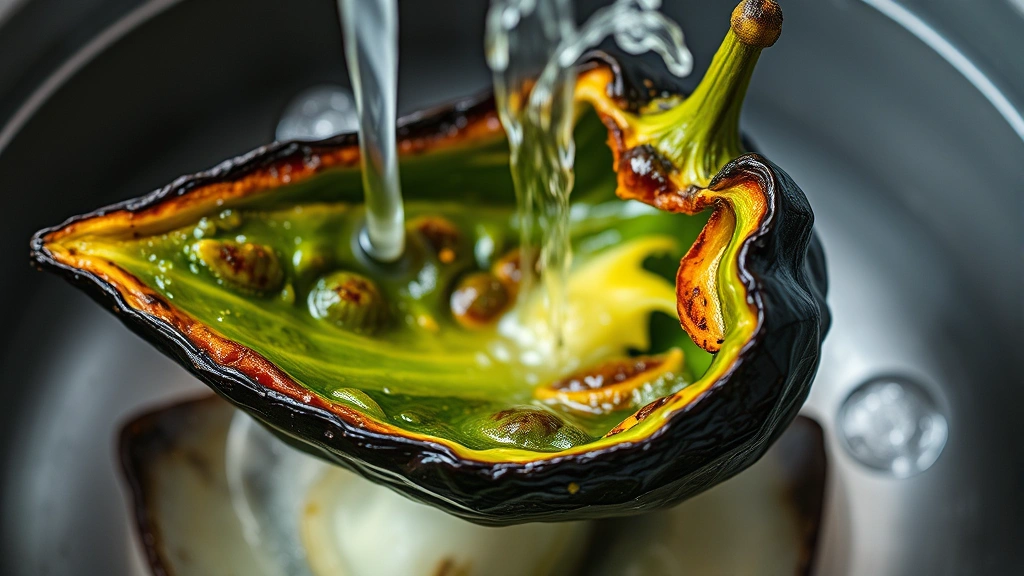
After roasting and steaming, peeling poblanos becomes remarkably simple. The charred skin pulls away easily under cool running water. Use your thumbs or a small knife to gently remove the skin, being careful not to tear the delicate flesh. Once peeled, make a slit along the side and carefully remove seeds and the white membrane inside. Rinse gently to remove any remaining seeds.
For those exploring best healthy food recipes, roasted poblanos are naturally low-calorie and packed with vitamin C, making them an excellent choice for nutritious cooking.
Stuffed Poblano Peppers
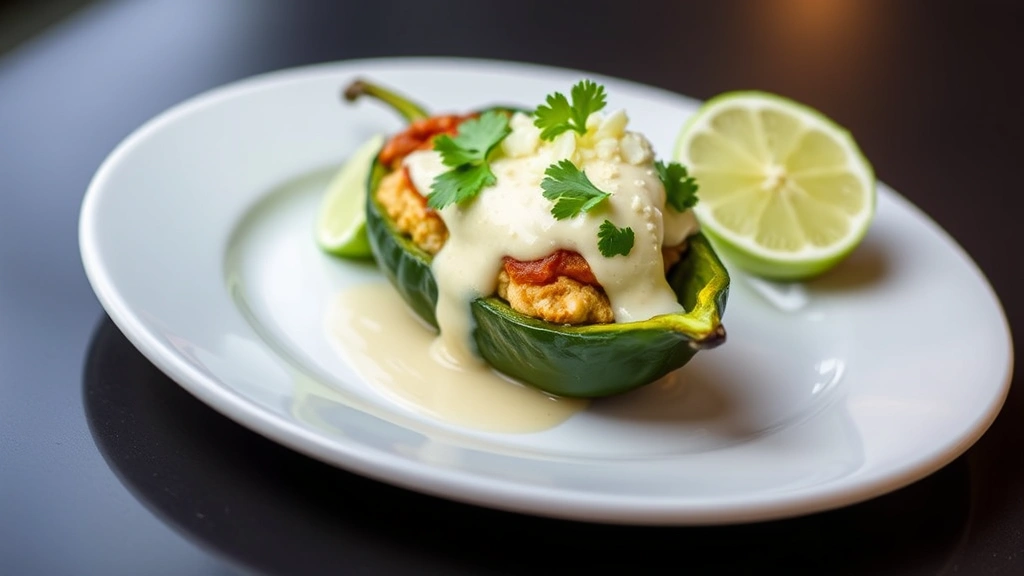
Chiles Rellenos, or stuffed poblano peppers, represent the crown jewel of poblano recipes. This classic dish showcases the pepper’s natural ability to hold fillings while remaining structurally sound during cooking. The combination of roasted poblano, savory filling, and creamy sauce creates pure comfort food.
Traditional Cheese Rellenos: This is the most iconic preparation. After roasting and peeling your poblanos, carefully stuff each one with a generous portion of Oaxaca cheese, Chihuahua cheese, or a blend of Monterey Jack and sharp cheddar. The cheese should ooze slightly when you bite into the finished dish. Prepare a simple tomato sauce by blending roasted tomatoes, garlic, onion, and cilantro. Dip each stuffed pepper in beaten egg whites (or whole egg for richer results), then pan-fry until golden. Serve smothered in the tomato sauce.
Chicken and Poblano Rellenos: Shred cooked chicken and mix with sautéed onions, garlic, roasted poblano strips, and cream cheese. This creates a more substantial filling that pairs beautifully with a poblano cream sauce. This variation connects perfectly with healthy chicken recipes when you use skinless chicken breast and light cream cheese.
Chorizo and Potato Rellenos: For meat-lovers, combine cooked chorizo with seasoned mashed potatoes and cheese. The spicy chorizo complements the mild poblano beautifully. Top with a rich mole sauce for an authentic Mexican restaurant experience.
Vegetarian Rellenos: Black beans, roasted corn, queso fresco, and sautéed mushrooms make an excellent vegetarian filling. Add some roasted poblano strips to the filling itself for extra depth of flavor. Serve with a cilantro crema sauce.
The key to perfect rellenos is ensuring your filling is already cooked and seasoned properly before stuffing. Cold, pre-cooked filling means you only need to warm the pepper itself, preventing overcooking. Make a small slit along one side of the roasted pepper rather than cutting it in half—this preserves structural integrity and makes plating more elegant.
Poblano Cream Sauces
Poblano cream sauce, or crema de poblano, is a versatile foundation that elevates countless dishes. This sauce works beautifully over healthy crock pot recipes, grilled proteins, or pasta. The beauty lies in its subtle flavor that doesn’t overpower other ingredients.
Basic Poblano Crema: Roast and peel 4-5 poblanos, then blend them with 1 cup Mexican crema or sour cream, ½ cup chicken broth, 2 cloves garlic, ½ white onion, salt, and white pepper. Strain through a fine mesh if you prefer an ultra-smooth texture. Heat gently in a saucepan without boiling—high heat can cause the crema to separate. This sauce keeps refrigerated for up to 5 days.
Poblano-Corn Sauce: Add fresh corn kernels to your basic poblano crema along with a pinch of cumin and fresh cilantro. This creates a slightly textured sauce with pleasant sweetness. Perfect for drizzling over grilled chicken or fish.
Poblano-Mushroom Sauce: Sauté sliced mushrooms (cremini or shiitake work beautifully) in butter until golden, then add your poblano crema base. The earthiness of mushrooms pairs remarkably well with roasted poblanos. Finish with a splash of white wine for sophistication.
Poblano-Cilantro Sauce: Blend roasted poblanos with fresh cilantro, lime juice, garlic, and crema for a bright, herbaceous sauce. This works wonderfully as a finishing sauce for tacos, enchiladas, or grilled vegetables.
Spicy Poblano Sauce: If you want more heat, blend your poblano crema with roasted serrano peppers or jalapeños. Start with one serrano and adjust upward based on your heat tolerance. This creates a more dynamic sauce suitable for heartier dishes.
Pro tip: Make poblano cream sauce in batches and freeze in ice cube trays. Pop out a cube whenever you need to add sophistication to a simple meal. These frozen cubes keep for three months and thaw quickly.
Grilled Poblano Dishes
Grilling brings out the best in poblanos, creating charred exteriors and smoky depths that can’t be replicated with other cooking methods. Fresh-off-the-grill poblanos have a completely different character than oven-roasted ones.
Grilled Poblano and Steak Tacos: This combines beautifully with techniques from how to grill steak perfectly. Grill your steak to medium-rare, then grill poblanos until charred and tender. Slice both, then assemble with fresh cilantro, diced onion, and lime. The smoky poblano complements beef’s richness perfectly.
Grilled Poblano and Shrimp Skewers: Alternate chunks of poblano with large shrimp on skewers. Marinate in lime juice, garlic, olive oil, and cumin for 30 minutes before grilling. This creates an impressive appetizer or light main course. The poblano’s mild heat won’t overpower delicate shrimp.
Grilled Poblano Salad: Grill poblanos until charred, then slice into strips. Toss with mixed greens, cotija cheese, grilled corn, black beans, and cilantro-lime vinaigrette. This salad is substantial enough for lunch but light enough for a summer dinner.
Grilled Poblano Quesadillas: Grill whole poblanos until charred, then peel and slice. Layer between flour tortillas with Oaxaca cheese, sautéed mushrooms, and caramelized onions. Grill the quesadilla until the cheese melts and the exterior crisps. Serve with poblano crema sauce for dipping.
Grilled Poblano and Fish: Grill poblano strips alongside delicate white fish like halibut or sea bass. The poblano’s smokiness enhances rather than masks the fish’s subtle flavor. Drizzle with herb oil and fresh lime juice.
When grilling whole poblanos, don’t slice them first—keep them intact so they hold together. Place them directly on the grate over medium-high heat and resist the urge to move them constantly. Let them develop color and char before rotating.
Soups and Stews
Poblano peppers create incredibly creamy soups and hearty stews that showcase their mild, complex flavor. These dishes are perfect for cooler months and make excellent make-ahead meals.
Poblano and Potato Soup: A classic Mexican comfort soup that’s both elegant and approachable. Roast poblanos and blend them with sautéed onions, garlic, and diced potatoes. Simmer in chicken broth until potatoes are tender, then finish with Mexican crema and fresh cilantro. Garnish with crispy tortilla strips and queso fresco.
Poblano Chicken Tortilla Soup: This hearty soup features roasted poblano strips, shredded chicken, black beans, and corn in a rich tomato-based broth. The poblano adds depth without heat. Top with crispy tortilla strips, avocado, lime crema, and fresh cilantro. It’s warming, satisfying, and naturally gluten-free if you skip the tortilla strips.
Poblano and Corn Chowder: Combine roasted poblanos with fresh corn, potatoes, and bacon for a luxurious chowder. The poblano’s earthiness complements corn’s sweetness beautifully. Finish with heavy cream and sharp cheddar for richness. This soup pairs well with crusty bread.
Poblano Beef Stew: Cube beef chuck and brown it thoroughly, then add roasted poblano strips, potatoes, carrots, and onions. Simmer in rich beef broth until meat is tender. The poblano adds subtle flavor that doesn’t compete with the beef. This connects naturally with healthy crock pot recipes since it’s perfect for slow cooking.
Poblano Seafood Soup: Create a light broth with roasted poblano, fresh fish stock, garlic, and white wine. Add mixed seafood (shrimp, mussels, white fish) and simmer until cooked through. This elegant soup is restaurant-quality yet simple to prepare at home.
The beauty of poblano soups is that they’re forgiving. You can make them ahead, reheat gently, and they actually improve as flavors meld overnight. They also freeze beautifully for up to three months.
Poblano Rajas
Rajas—which simply means “strips”—are perhaps the most versatile poblano preparation. These roasted pepper strips appear in countless Mexican dishes and deserve their own dedicated section. Rajas are the building block for infinite variations.
Classic Rajas with Cream: This is the foundational recipe from which all others spring. Roast and peel poblanos, then cut into strips. Sauté sliced white onions in butter until they begin to caramelize, add the poblano strips, and simmer in Mexican crema or sour cream with salt and white pepper. Some versions add fresh epazote for authentic flavor. This simple preparation is sublime served with warm tortillas.
Rajas with Corn and Queso Fresco: Add fresh corn kernels and roasted poblano rajas to sautéed onions, then finish with crema and crumbled queso fresco. The combination of sweet corn, mild poblano, and salty cheese creates perfect balance. This makes an excellent side dish or light main course.
Rajas with Chorizo: Brown chorizo first, then add sautéed onions and poblano rajas. Finish with a touch of crema. The spicy sausage contrasts beautifully with the mild pepper. Serve in warm tortillas with a squeeze of lime.
Rajas with Potatoes: Cube potatoes and boil until just tender, then combine with poblano rajas and caramelized onions in a creamy sauce. This creates a substantial side dish that works with any grilled protein. It’s comfort food elevated.
Rajas Verdes: For a lighter version without cream, sauté poblano rajas and onions, then finish with a splash of chicken broth and fresh cilantro. Add diced green tomatoes for additional tang and texture. This fresher preparation highlights the poblano’s own flavors.
Rajas with Mushrooms: Sauté mixed mushrooms until golden, add poblano rajas and onions, then finish with crema and fresh thyme. This vegetarian-friendly version is elegant enough for entertaining.
Rajas keep refrigerated for up to five days, making them perfect for meal prep. Use them as a side dish, filling for tacos or enchiladas, topping for baked potatoes, or component in composed salads. They’re also excellent reheated, making them ideal for busy weeks when you want homemade quality without daily cooking.
FAQ
Are poblanos spicy or mild?
Poblanos are quite mild compared to most chiles, ranking 1,000-2,000 on the Scoville scale. They’re significantly milder than jalapeños but have more flavor than bell peppers. The heat level is subtle and builds gradually rather than hitting immediately. Roasting actually reduces any perceived heat while deepening flavor.
Can I substitute poblanos with other peppers?
You can use Anaheim peppers or pasilla peppers as substitutes, though they have slightly different flavor profiles. Bell peppers will work structurally but lack the chile flavor entirely. Avoid substituting with much hotter peppers like serranos or jalapeños unless you want significantly more heat.
How do I store roasted poblanos?
Roasted poblanos keep refrigerated in an airtight container for up to five days. For longer storage, freeze them in freezer bags for up to three months. You can also preserve them in oil with garlic and herbs, though this requires proper canning procedures for safety.
What’s the difference between poblanos and pasillas?
Poblanos are fresh, dark green peppers with thick walls ideal for stuffing. Pasillas are dried poblanos with a deeper, smokier flavor. They’re used differently in cooking—poblanos for fresh preparations and pasillas for sauces and moles.
Can I eat poblanos raw?
Yes, raw poblanos are edible and slightly grassy-tasting. However, most recipes call for roasting them first because heat transforms their flavor dramatically. Roasting caramelizes their natural sugars and develops the complex, smoky notes that make them special.
Are poblano recipes naturally gluten-free?
Most traditional poblano recipes are naturally gluten-free, though you should verify any thickening agents or accompanying sides. Skip tortillas or use corn tortillas instead of flour ones for fully gluten-free meals.
How many poblanos should I buy for a family of four?
For stuffed poblano recipes, plan on one large or two medium poblanos per person. For rajas or cream sauce applications, two to three poblanos can serve four people as a side dish. For soups, two to three poblanos create adequate flavor for four servings.
What wine pairs well with poblano dishes?
Crisp white wines like Sauvignon Blanc, Pinot Grigio, or Albariño complement poblano dishes beautifully. For richer preparations with cream sauces, try Chardonnay. Mexican beers like lagers or pilsners are also excellent pairings, as are agua frescas for non-alcoholic options.


