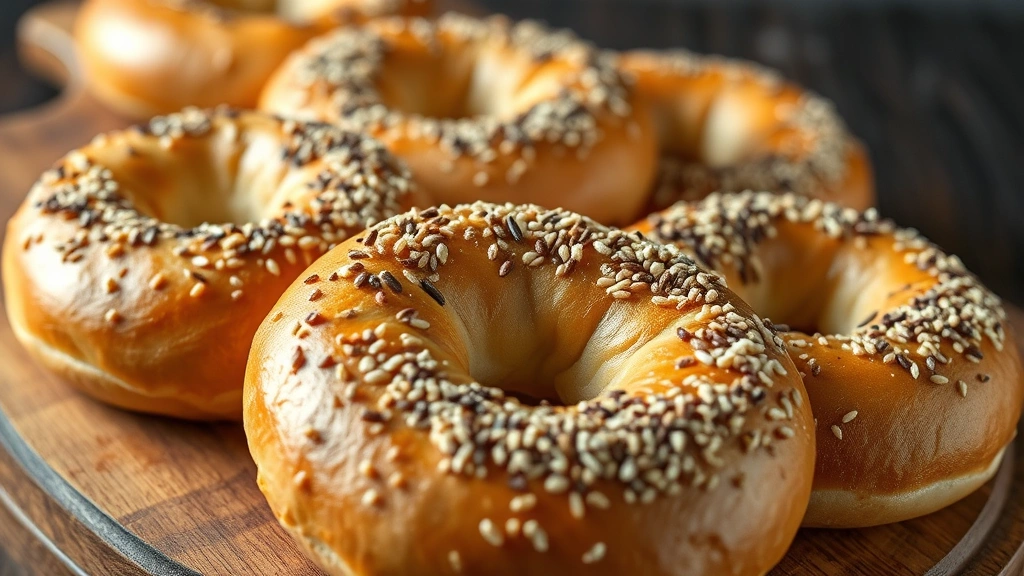
Protein-Packed Bagels: A Fitness Expert’s Complete Guide
Bagels have long been considered a carb-heavy breakfast staple, but modern nutrition science and creative recipe development have transformed them into legitimate protein powerhouses. Whether you’re an athlete, fitness enthusiast, or simply looking to boost your daily protein intake, protein bagels offer a convenient, delicious solution that doesn’t sacrifice taste for nutrition. This comprehensive guide walks you through everything you need to know about creating, preparing, and customizing protein-packed bagels that align with your fitness goals.
The beauty of protein bagels lies in their versatility. Unlike restrictive diet foods that feel like punishment, these bagels satisfy cravings while delivering 15-30 grams of protein per serving. By combining strategic ingredient choices with smart topping combinations, you can transform a simple bagel into a complete meal that supports muscle recovery, sustains energy levels, and keeps you feeling full throughout the morning.
Understanding Protein Bagels: Why They Matter for Fitness
Traditional bagels contain approximately 7-9 grams of protein per serving, with most calories coming from refined carbohydrates. This macronutrient profile can leave you feeling hungry within hours, leading to unnecessary snacking and calorie overage. Protein bagels flip this equation by prioritizing protein content while maintaining the satisfying texture and taste that makes bagels beloved.
From a sports nutrition perspective, consuming adequate protein throughout the day supports several critical functions. Muscle protein synthesis—the process your body uses to repair and build muscle tissue—requires consistent amino acid availability. Spreading protein intake across multiple meals, including breakfast, optimizes this process far more effectively than concentrating it at dinner. A protein-rich bagel breakfast jumpstarts your day with the building blocks your muscles need after overnight fasting.
Beyond muscle building, protein bagels offer metabolic advantages. Protein has the highest thermic effect of all macronutrients, meaning your body burns more calories digesting it compared to carbohydrates or fats. Additionally, protein promotes satiety—the feeling of fullness—more effectively than carbs alone. This means you’ll eat less throughout the day while feeling more satisfied, a powerful combination for anyone managing body composition.
The glycemic impact also improves significantly. Standard bagels spike blood sugar rapidly due to refined flour content, leading to energy crashes. Protein bagels, especially those incorporating whole grains and protein sources, produce a gentler blood sugar response, providing sustained energy for workouts and daily activities.
Ingredient Selection: Building Your Protein Foundation
Creating superior protein bagels begins with understanding your ingredient options. Each component plays a crucial role in the final nutritional profile and texture.
Protein Powder Selection
The foundation of protein bagels is a high-quality protein powder. Whey protein isolate offers the best results for bagel baking because it incorporates smoothly, doesn’t add excessive moisture, and bakes reliably. Whey protein concentrate works well too, though it contains slightly more lactose. For dairy-free options, pea protein or hemp protein provide excellent amino acid profiles, though they may require slight texture adjustments.
Aim for unflavored or vanilla-flavored powders to maintain control over your bagel’s taste profile. Chocolate or fruit-flavored powders can work but limit your topping versatility. Select products with minimal additives—you want protein, not excessive fillers or artificial sweeteners that might affect texture.
Flour Blends
Rather than relying solely on all-purpose flour, create a blend that maximizes nutrition and texture. Whole wheat flour adds fiber and nutrients but can create denser bagels if overused. Combine it with all-purpose flour in a 1:2 ratio. Adding 10-15% oat flour (ground rolled oats) boosts protein and beta-glucans while improving moisture retention. This combination creates bagels with superior nutritional content without sacrificing the light, chewy interior.
Binders and Moisture Regulators
Protein powder can absorb more liquid than standard flour, potentially creating dry bagels. Greek yogurt serves double duty—it adds protein while providing moisture and richness. Alternatively, cottage cheese offers similar benefits with a milder flavor. Both ingredients contribute to the tender crumb structure while adding 3-5 grams of protein per bagel.
Supplementary Protein Sources
Consider adding ground flaxseed or chia seeds for additional protein and omega-3 fatty acids. These add subtle texture and nutritional density without overwhelming the bagel’s flavor. Limit to 2-3 tablespoons per batch, as excessive amounts can create grittiness.
Homemade Protein Bagel Recipe
Yield: 8 bagels | Protein per bagel: 18-20g | Prep time: 20 minutes | Rise time: 2 hours | Bake time: 25 minutes
Ingredients
- 2 cups all-purpose flour
- 1 cup whole wheat flour
- 1/2 cup oat flour
- 1 cup vanilla whey protein powder
- 1 tablespoon instant yeast
- 1 tablespoon honey
- 1 teaspoon salt
- 2 tablespoons olive oil
- 3/4 cup plain Greek yogurt
- 3/4 cup warm water
- 2 tablespoons ground flaxseed
- 1 tablespoon honey (for boiling water)
- Toppings as desired (sesame seeds, everything bagel seasoning, etc.)
Instructions
- Activate the yeast: Combine warm water, 1 tablespoon honey, and instant yeast in a bowl. Let sit for 5 minutes until foamy, indicating active yeast. This ensures proper rise and fermentation.
- Mix dry ingredients: In a large mixing bowl, whisk together all-purpose flour, whole wheat flour, oat flour, protein powder, salt, and ground flaxseed. This homogeneous mixture ensures even protein distribution throughout your bagels.
- Combine wet ingredients: Add Greek yogurt and olive oil to the yeast mixture, stirring until well combined. The yogurt provides moisture and richness while reducing the need for additional liquid.
- Create dough: Pour wet ingredients into dry ingredients, mixing with a wooden spoon until a shaggy dough forms. Turn onto a lightly floured surface and knead for 8-10 minutes. The dough should be slightly firmer than bread dough—it should hold its shape without being dense or crumbly.
- First rise: Place dough in an oiled bowl, cover with a damp towel, and allow to rise in a warm location for 1 hour until doubled in size. Protein-enriched doughs sometimes rise slightly slower than traditional bagel dough, so don’t rush this step.
- Shape bagels: Divide dough into 8 equal portions. Roll each into a ball, then poke a hole in the center with your thumb. Gently stretch into a bagel shape approximately 3-4 inches in diameter. Ensure holes are substantial—they’ll shrink during boiling and baking.
- Second rise: Place shaped bagels on parchment paper, cover loosely, and let rise for 45-60 minutes until slightly puffy (not fully doubled—protein doughs can become tough if over-proofed).
- Boil bagels: Bring a large pot of water to a rolling boil, adding 1 tablespoon honey. Boil bagels 1-2 minutes per side. This crucial step creates the chewy exterior. Remove with a slotted spoon and place on a wire rack.
- Add toppings: While bagels are still damp from boiling, press desired toppings into the surface. Sesame seeds, poppy seeds, everything bagel seasoning, or cinnamon-sugar work beautifully.
- Bake: Place bagels on a parchment-lined baking sheet and bake at 425°F for 22-25 minutes until golden brown and crispy on the outside. The internal temperature should reach 190°F.
- Cool: Transfer to a wire rack and cool completely before storing. This prevents condensation from creating a soggy bagel.
This recipe creates bagels with superior protein content compared to store-bought varieties. The combination of whey protein, Greek yogurt, and whole grain flours creates a complete amino acid profile supporting muscle recovery and sustained energy.
Topping Combinations for Maximum Nutrition
Your protein bagel base provides an excellent canvas for nutritious, delicious toppings that amplify the protein content and add complementary flavors and textures.
Classic Breakfast Combinations
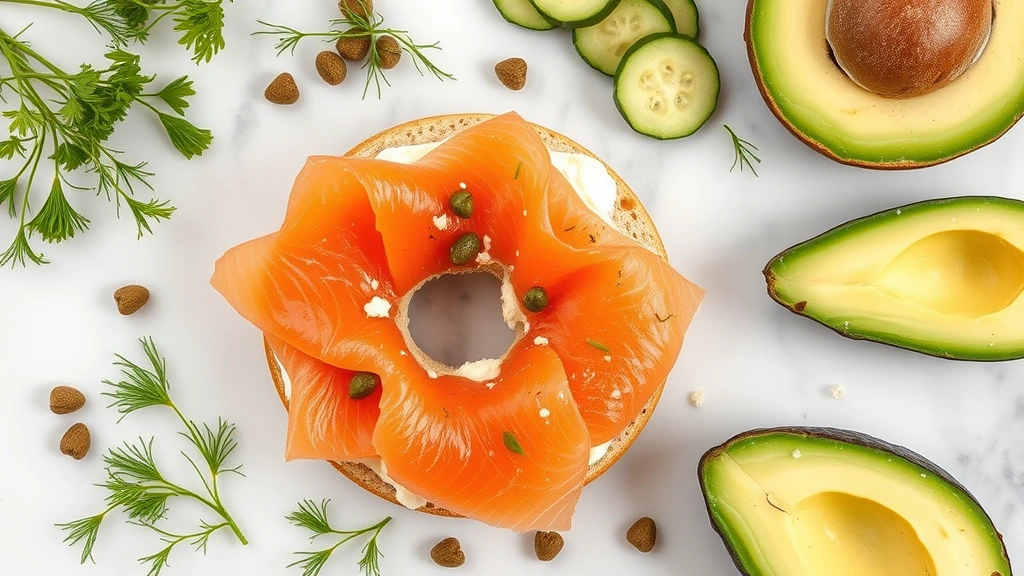
Cream Cheese and Lox: Smoked salmon adds 7-8 grams of protein plus omega-3 fatty acids. Pair with 2 tablespoons cream cheese and capers for a sophisticated breakfast that delivers 25-28 grams total protein. Add cucumber slices and red onion for crunch and micronutrients.
Egg and Cheese: A scrambled or fried egg (6-7g protein) plus one ounce of sharp cheddar cheese (7g protein) creates a satisfying combination totaling 31-32 grams protein per bagel. Add spinach for iron and micronutrients without significantly impacting calories.
Greek Yogurt and Granola: While this combination leans sweeter, 1/2 cup plain Greek yogurt adds 10 grams protein. Top with low-sugar granola, fresh berries, and a drizzle of honey for a balanced breakfast bowl that feels indulgent while supporting fitness goals.
Lunch and Dinner Applications
Protein bagels aren’t limited to breakfast. Consider them for satisfying lunch and dinner options as well. A protein bagel topped with steak salad ingredients—sliced grilled steak, mixed greens, and vinaigrette—creates a complete meal. The bagel’s structure makes it ideal for building substantial sandwiches that don’t fall apart like standard bread might.
For Mediterranean-inspired options, spread hummus on your bagel, then layer with roasted vegetables, feta cheese, and olives. This combination provides 20-22 grams protein while delivering antioxidants and healthy fats.
Alternatively, treat your protein bagel as a pizza base. Top with tomato sauce, part-skim mozzarella, and lean ground turkey for a creative twist on the classic flatbread pizza recipe. Bake at 375°F for 8-10 minutes until cheese melts and toppings warm through.
Asian-Inspired Options
Protein bagels pair surprisingly well with Asian flavors. Spread a thin layer of cream cheese, then top with sliced cucumber, avocado, and imitation crab meat (or real crab for premium nutrition). Drizzle with eel sauce recipe for umami richness and sweetness that complements the savory bagel base.
For a more adventurous option, incorporate elements from Asian salad recipe concepts. Top your bagel with shredded cabbage, julienned vegetables, edamame, and a sesame-ginger dressing. Add grilled chicken or honey walnut shrimp recipe elements for 25-30 grams protein per serving.
Carb-Cycling and Periodized Nutrition
Consider your protein bagels within your broader nutrition strategy. On high-carbohydrate training days, enjoy your bagel with generous toppings and slightly more carb-dense accompaniments. On lower-carb days, use a single protein bagel as part of a balanced meal with substantial protein and healthy fats, rather than as a meal on its own.
Preparation and Storage Tips
Proper preparation and storage ensure your protein bagels remain fresh and convenient throughout the week.
Batch Baking Strategy
Make a full batch of 8 bagels even if you don’t need them immediately. The baking process is time-intensive relative to the number of bagels produced, so maximizing each baking session improves efficiency. Freeze extras within two hours of cooling to preserve freshness and prevent mold growth.
Freezing and Thawing
Wrap cooled bagels individually in plastic wrap or parchment paper, then place in freezer bags. This prevents freezer burn and makes it easy to grab single bagels. Frozen bagels remain fresh for up to three months. Thaw at room temperature for 30-45 minutes, or split and toast directly from frozen for a crispy exterior and warm interior.
Toasted frozen bagels actually develop superior texture compared to room-temperature bagels. The toasting process rehydrates the interior while crisping the exterior, approximating the fresh-baked experience. Use a toaster oven rather than a standard toaster if possible—it heats more evenly and prevents burnt edges.
Refrigerator Storage
If you prefer fresh bagels without freezing, store them in an airtight container in the refrigerator for up to 5 days. Refrigeration slows mold growth while maintaining reasonable texture. Before consuming, bring to room temperature or toast gently to restore softness.
Pre-Assembly Preparation
While you can assemble your bagel immediately before eating, preparing components in advance saves morning time. Cook eggs the night before, slice vegetables, and portion cream cheese into small containers. This “prep and grab” approach removes barriers to consistent protein consumption, particularly on busy mornings when convenience determines food choices.
Customizing Your Bagels for Different Goals
Not all fitness goals are identical. Tailor your protein bagel approach based on your specific objectives.
Muscle Building and Hypertrophy
If your goal is maximizing muscle growth, emphasize protein density and total daily protein intake. Use the full amount of whey protein powder in the recipe, and pair your bagel with toppings delivering 8+ grams additional protein. Consume your protein bagel within 2-3 hours post-workout to support muscle protein synthesis during the critical recovery window. Combine with hibachi fried rice recipe or similar carbohydrate-rich sides on training days to provide energy for intense workouts and glycogen replenishment.
Fat Loss and Body Composition
During calorie-restricted phases, prioritize satiety and appetite control. Use the full protein dose but pair with toppings emphasizing protein and healthy fats over additional carbohydrates. Cream cheese and smoked salmon, or cottage cheese with berries, provide satisfying combinations without excessive calories. The fiber from whole grains and flaxseed promotes digestive health and feelings of fullness on fewer total calories.
Endurance and Athletic Performance
Endurance athletes benefit from protein bagels paired with additional carbohydrates and electrolytes. Toast your bagel and top with honey, banana slices, and nut butter for a pre-run meal combining quick carbs for energy with protein for sustained satiety. The 45-60 minute digestion window before exercise allows adequate processing without causing digestive distress.
Dietary Restrictions and Allergies
Gluten-free version: Substitute all-purpose and whole wheat flours with a 1:1 gluten-free baking blend. Add 1/2 teaspoon xanthan gum to improve texture and binding. The rise time may extend slightly, and the dough will feel slightly different, but the final product remains excellent.
Dairy-free option: Replace Greek yogurt with dairy-free yogurt (coconut or almond-based), and use plant-based protein powder. Increase water slightly as dairy-free yogurts contain more liquid. The bagels will be slightly less rich but remain protein-packed and delicious.
Vegan modification: Use pea or hemp protein powder, replace yogurt with applesauce or aquafaba, and substitute honey with maple syrup. The rise may be slightly slower, requiring an additional 15-20 minutes, but the final bagels deliver complete amino acid profiles supporting plant-based fitness goals.
FAQ
How much protein does each bagel contain?
Using this recipe, each bagel contains 18-20 grams of protein from the combination of whey protein powder, whole grain flours, Greek yogurt, and flaxseed. Adding toppings like eggs, cheese, or smoked salmon increases total protein to 25-35 grams per serving.
Can I make these bagels without a stand mixer?
Yes, absolutely. Kneading by hand for 10-12 minutes develops gluten adequately. The dough will be slightly stiffer than traditional bread dough, which is normal. Hand-kneading actually allows you to feel dough development and adjust hydration if needed.
Why didn’t my bagels rise properly?
Several factors affect rising. Ensure your yeast is fresh—expired yeast won’t activate properly. Water temperature should be between 105-110°F; hotter water kills yeast, cooler water doesn’t activate it. Protein-enriched doughs rise more slowly than traditional bagel dough, so allow adequate time. If your kitchen is cold, place dough in a slightly warmed oven (turned off) to encourage rising.
Can I reduce the protein powder amount?
You can reduce it to 3/4 cup, though protein content per bagel drops to approximately 14-16 grams. Reducing below this creates bagels indistinguishable from standard varieties. If reducing, increase water slightly as protein powder absorbs significant liquid.
Are these bagels suitable for meal prep?
Absolutely. Prepare a full batch, freeze individually, and grab as needed. Assemble toppings fresh when you’re ready to eat for optimal flavor and texture. Alternatively, prepare complete bagel sandwiches, wrap in foil, and refrigerate for up to 3 days. Toast gently before eating to restore warmth and texture.
What external resources help with protein nutrition science?
The International Society of Sports Nutrition publishes evidence-based guidelines on protein intake for various athletic populations. The Culinary Institute of America offers resources on food science and cooking techniques that improve recipe development. Serious Eats provides detailed explanations of cooking science and recipe troubleshooting. For ingredient databases and nutritional information, USDA FoodData Central offers comprehensive, reliable data.
How do these compare nutritionally to store-bought protein bagels?
Homemade protein bagels offer superior control over ingredients and protein sources. Many commercial protein bagels contain artificial sweeteners, excessive additives, and protein concentrates that don’t incorporate as smoothly. Homemade versions deliver cleaner ingredient lists, better texture, and more versatile flavor profiles suitable for both sweet and savory applications.


