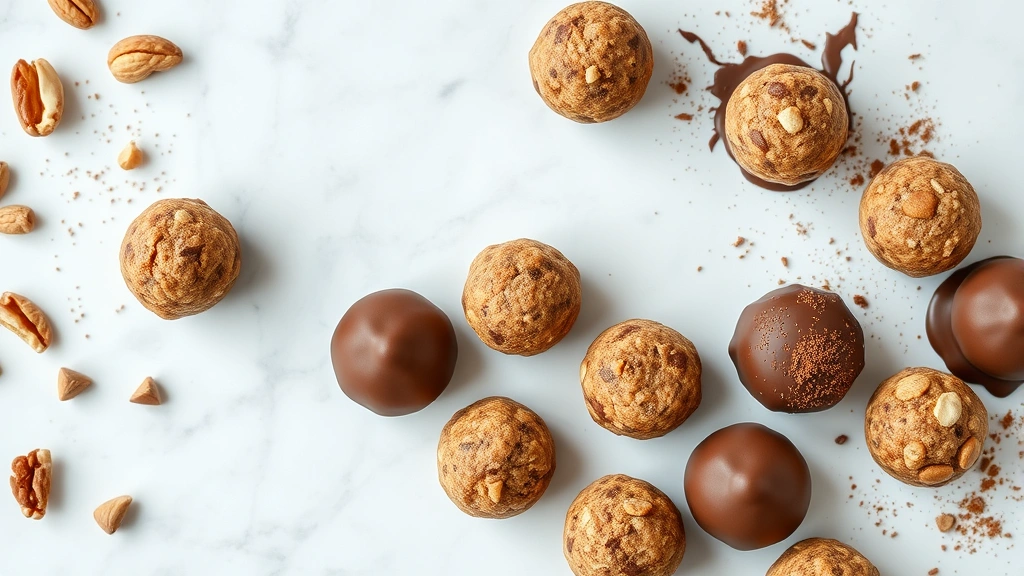
Protein Ball Recipe: Dietitian Approved Energy Bites
Protein balls are the ultimate grab-and-go snack that combines convenience with serious nutritional benefits. These bite-sized powerhouses pack protein, healthy fats, and natural carbohydrates into one delicious package, making them perfect for busy professionals, fitness enthusiasts, and anyone seeking sustained energy throughout the day. Whether you’re meal prepping for the week or looking for a post-workout recovery snack, homemade protein balls deliver results that store-bought options simply cannot match.
What makes protein balls so special is their versatility and simplicity. Unlike complicated recipes requiring specialized equipment or hard-to-find ingredients, these no-bake treats come together in minutes using pantry staples. You control every ingredient, ensuring no artificial additives, excessive sugar, or mystery components sneak into your diet. Dietitians consistently recommend homemade protein balls because they offer macronutrient balance, sustained energy release, and genuine satisfaction in each bite.
Why Protein Balls Are a Dietitian’s Dream Snack
Dietitians love protein balls because they represent everything modern nutrition science recommends: whole food ingredients, balanced macronutrients, portion control, and sustainability. A single protein ball typically contains 5-10 grams of protein, making them far superior to conventional snacks like chips or cookies that offer empty calories and energy crashes.
The beauty of these energy bites lies in their ability to stabilize blood sugar levels. When you combine protein with healthy fats and complex carbohydrates, your body digests the snack slowly, preventing the insulin spikes that lead to afternoon energy crashes. This makes protein balls particularly valuable for individuals managing diabetes, pre-diabetes, or those simply seeking consistent energy levels throughout their workday.
Homemade protein balls also support muscle recovery and development. If you’re incorporating seafood recipes into your fitness routine, adding protein balls as a complementary snack creates a comprehensive nutrition strategy. The combination of amino acids from various protein sources helps repair muscle tissue damaged during exercise, accelerating recovery and improving performance gains.
Essential Ingredients for Your Protein Ball Recipe
Creating exceptional protein balls starts with understanding your ingredient foundation. The core components work synergistically to create texture, flavor, and nutritional density that transforms simple pantry items into sophisticated snacks.
Protein Base: This is your foundation. Protein powder options include whey protein isolate for maximum protein content, plant-based protein powders for vegan diets, or collagen peptides for joint health benefits. Each brings distinct flavor profiles and texture characteristics. Whey protein offers the smoothest texture and most neutral flavor, while plant-based options may require slight adjustments to moisture ratios.
Nut Butter Foundation: Natural almond butter, peanut butter, or cashew butter provides healthy fats, additional protein, and creamy texture that binds ingredients together. Choose unsalted, unsweetened varieties to control sodium and sugar content completely. The fat content in nut butters creates satiety, helping you feel satisfied longer than protein-only snacks.
Binding Agents: Honey, maple syrup, or dates blend into the mixture, creating cohesion without refined sugar. Dates particularly appeal to dietitians because they provide natural sweetness alongside fiber, minerals, and antioxidants. Mashed banana can replace some binding agents if you prefer lower-sugar options, though it slightly increases moisture.
Flavor Enhancers: Vanilla extract, cocoa powder, or cinnamon transform basic ingredients into crave-worthy treats. These additions contain bioactive compounds; cocoa provides flavonoids with antioxidant properties, while cinnamon may help regulate blood sugar. Culinary schools teach that proper flavor layering elevates homemade snacks beyond basic nutrition into genuinely delicious experiences.
Mix-In Additions: Dark chocolate chips, shredded coconut, chopped nuts, or seeds add texture variation and nutritional diversity. Chia seeds contribute omega-3 fatty acids, while pumpkin seeds offer magnesium and zinc. These additions let you customize protein balls to match personal preferences while boosting micronutrient profiles.
Step-by-Step Instructions for Perfect Results
Creating consistent, delicious protein balls requires understanding proper technique and ingredient ratios. Follow these detailed instructions to achieve professional-quality results every time.
Step 1: Measure Your Dry Ingredients
Start by combining one cup of natural nut butter with half a cup of protein powder. Mix these thoroughly in a medium bowl, breaking up any clumps in the protein powder with the back of a spoon. This prevents lumps that create uneven texture in finished balls. The nut butter should fully incorporate with the powder, creating a slightly crumbly mixture. If your protein powder contains sweetener already, reduce additional sweetener by one tablespoon.
Step 2: Add Wet Ingredients Gradually
Pour one-third cup of honey or maple syrup into your mixture. Start mixing with a sturdy spoon or wooden spoon, incorporating thoroughly. The mixture will begin transforming into a cohesive dough. If the consistency feels too dry, add honey one tablespoon at a time until the mixture holds together when squeezed. This gradual approach prevents over-moistening, which creates sticky, difficult-to-roll balls.
Step 3: Incorporate Flavor and Mix-Ins
Add one teaspoon of vanilla extract and any desired mix-ins like chocolate chips, coconut, or nuts. Fold these additions in gently, distributing them evenly throughout the mixture. Over-mixing at this stage can break down mix-ins and create dense texture. Aim for even distribution with a light hand.
Step 4: Chill the Mixture
Cover your bowl and refrigerate for at least thirty minutes. This cooling period firms the mixture, making rolling significantly easier and preventing your hands from overworking the dough through excessive warmth. Cold dough maintains better structure and creates more uniform balls. Many cooks find chilling overnight produces superior results.
Step 5: Roll Into Uniform Balls
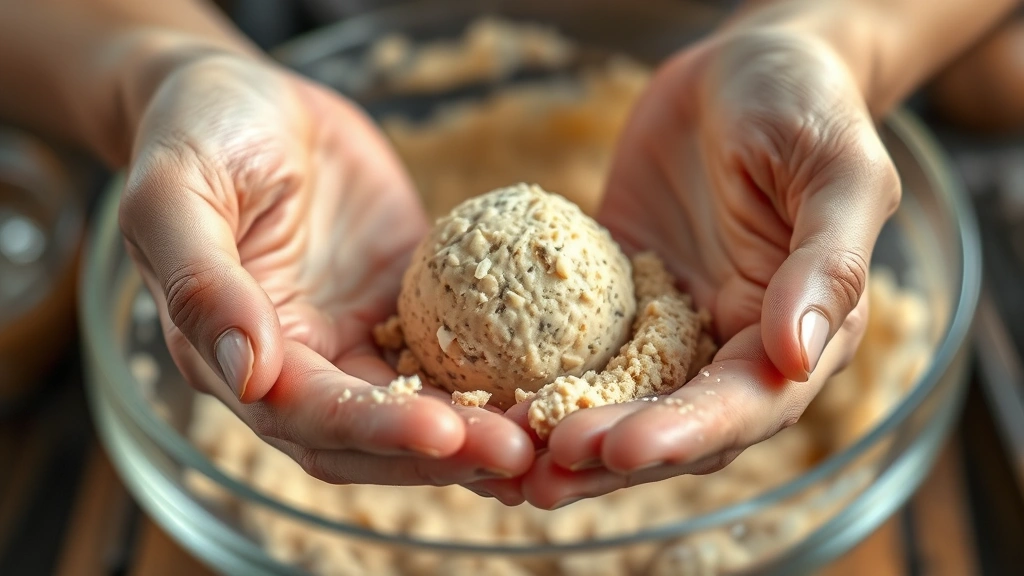
Using a small cookie scoop or measuring spoon, portion the mixture into roughly one-tablespoon amounts. Roll each portion between your palms, applying gentle pressure to create smooth, uniform spheres. Work quickly; if the mixture becomes too warm, return it to the refrigerator for five minutes. Uniform size ensures consistent texture and presentation.
Step 6: Apply Optional Coating
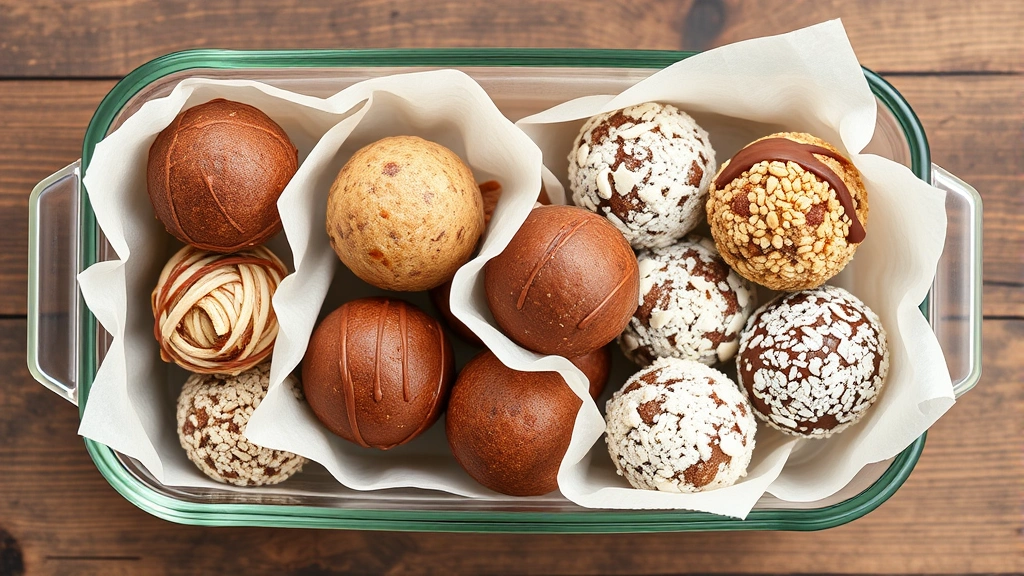
For enhanced flavor and texture, roll finished balls in melted dark chocolate, coconut flakes, or crushed nuts. Dip each ball halfway into melted chocolate, then place on parchment paper to set. This coating step transforms basic balls into sophisticated treats worthy of gift-giving or special occasions.
Popular Flavor Variations to Try
The basic protein ball recipe serves as a canvas for endless flavor combinations. Understanding how different ingredients interact helps you develop signature variations that reflect personal taste preferences.
Chocolate Peanut Butter Bliss: This classic combination requires half a cup of unsweetened cocoa powder mixed into your dry ingredients, alongside one and one-quarter cups of natural peanut butter instead of generic nut butter. Add dark chocolate chips for textural contrast. This variation delivers approximately eight grams of protein per ball with rich, indulgent chocolate flavor.
Vanilla Coconut Dream: Replace cocoa powder with three-quarters teaspoon of vanilla extract and one cup of unsweetened shredded coconut. Use coconut oil instead of one-quarter cup of nut butter for authentic coconut flavor. Toast the coconut lightly before adding if you prefer deeper, more complex coconut notes that rival artisanal creami recipes in sophistication.
Espresso Energy Balls: Mix two tablespoons of instant espresso powder into your dry ingredients for serious coffee lovers. Add dark chocolate chips and one tablespoon of cinnamon. These balls provide natural caffeine alongside protein, making them ideal pre-workout snacks for afternoon training sessions.
Maple Pecan Pie: Substitute maple syrup for honey and use pecan butter as your nut butter base. Add one-quarter teaspoon of sea salt and one-half teaspoon of vanilla. Toast chopped pecans and fold in gently. This variation tastes like miniature desserts while maintaining excellent nutritional profiles.
Almond Joy Inspired: Combine one cup of almond butter with three-quarters cup of unsweetened coconut, one-third cup of honey, and one-half cup of protein powder. Dip finished balls in dark chocolate and let set on parchment. This variation tastes exactly like the candy bar but with genuinely wholesome ingredients.
Storage Tips and Shelf Life
Proper storage ensures your protein balls maintain optimal texture and flavor throughout the week. Understanding storage science helps you make informed decisions about preparation timing and quantity.
Refrigerator Storage: Place finished protein balls in an airtight container, separating layers with parchment paper to prevent sticking. Refrigerated balls maintain perfect texture and flavor for up to two weeks. The cool environment slows any potential degradation of ingredients while keeping chocolate coatings firm and appealing. Label your container with the preparation date for easy reference.
Freezer Storage: Protein balls freeze beautifully for up to three months without texture or flavor degradation. Freeze them on a baking sheet for two hours before transferring to freezer bags. This prevents clumping and allows you to grab individual balls as needed. Thaw at room temperature for fifteen minutes before eating, or enjoy them directly from the freezer for a refreshing, almost ice-cream-like experience.
Room Temperature Considerations: Protein balls remain stable at room temperature for three to five days, depending on your kitchen’s temperature and humidity. If your home is particularly warm or humid, refrigeration becomes essential to prevent melting or texture changes. During summer months, plan for more frequent refrigeration.
Preventing Texture Changes: Moisture is the primary enemy of stored protein balls. Ensure your container is truly airtight, and avoid opening it frequently. If you notice moisture accumulation inside the container, place a paper towel inside to absorb excess moisture. This simple step prevents balls from becoming sticky or developing undesired texture changes.
Nutritional Benefits Explained
Understanding the specific nutritional advantages of protein balls helps you appreciate why dietitians consistently recommend them as superior snack choices compared to conventional options.
Complete Protein Profile: Most protein ball recipes create foods containing all nine essential amino acids, particularly when combining different protein sources. Whey protein provides essential amino acids in optimal ratios for muscle synthesis, while nut butters contribute additional amino acids and healthy fats. This complete protein profile supports muscle maintenance, recovery, and development without requiring animal products if you choose plant-based protein powders.
Sustained Energy Release: The combination of protein, healthy fats, and complex carbohydrates creates sustained energy release over three to four hours. Unlike simple carbohydrate snacks that spike blood sugar rapidly before crashing, protein balls provide steady glucose availability. This sustained energy particularly benefits individuals managing diabetes or pre-diabetes, supporting consistent energy without medication adjustments.
Micronutrient Density: Quality ingredients in protein balls deliver significant micronutrients beyond basic macronutrients. Nut butters provide vitamin E, magnesium, and selenium. Dark chocolate contributes flavonoids and antioxidants. Seeds add minerals like zinc and copper. This micronutrient density distinguishes homemade protein balls from processed alternatives that provide protein but little additional nutritional value.
Fiber Content: When using whole food ingredients like nuts, seeds, and dates, protein balls deliver meaningful fiber content supporting digestive health. Fiber slows digestion, contributing to sustained energy release while feeding beneficial gut bacteria. This prebiotic effect supports long-term digestive health and immune function.
Satiety Factor: The combination of protein and healthy fats creates genuine satiety, helping you feel satisfied with smaller portions. This satiety effect reduces overall calorie consumption throughout the day, supporting weight management goals naturally without restrictive dieting.
Customization Ideas for Dietary Needs
The fundamental protein ball recipe adapts easily to accommodate virtually any dietary preference or restriction. Understanding customization principles empowers you to create variations matching your specific nutritional needs.
Vegan Modifications: Replace whey protein with plant-based protein powders derived from pea, hemp, or brown rice. These alternatives provide complete amino acid profiles while maintaining excellent texture. Ensure your honey replacement uses maple syrup, agave, or date paste. All other ingredients in standard recipes are naturally vegan, making this conversion straightforward.
Keto-Friendly Versions: Replace honey and dates with monk fruit sweetener or erythritol, maintaining sweetness without carbohydrates. Increase nut butter quantity to three-quarters cup and add one-quarter cup of coconut oil. These modifications create protein balls containing minimal net carbohydrates while maintaining satiety. Add MCT oil for additional ketogenic fuel if desired.
Nut-Free Options: Substitute nut butters with seed butters like sunflower or tahini. These alternatives provide comparable protein and fat profiles while accommodating severe allergies. Increase seed butter quantity slightly as these alternatives sometimes create slightly looser mixtures. The finished balls work beautifully with chocolate coatings and mix-ins.
Paleo Adaptations: Use grass-fed whey protein isolate and ensure all sweeteners derive from whole foods like dates or honey. Skip any artificial ingredients or processed components. Paleo protein balls often emphasize organ meats in powdered form, providing additional micronutrients beyond standard recipes. Add ghee or grass-fed butter for authentic paleo fat sources.
Low-Sugar Versions: Replace honey with monk fruit sweetener at half the quantity, as it’s significantly sweeter. Use protein powder without added sugars, and select nut butters without added sweeteners. These modifications reduce total sugar content to under three grams per ball while maintaining delicious flavor through quality ingredients and careful seasoning.
High-Protein Boost: Increase protein powder to three-quarters cup for individuals with elevated protein requirements. Reduce honey slightly to maintain proper texture, as additional protein powder increases dryness. These high-protein versions deliver twelve to fifteen grams of protein per ball, making them ideal post-workout snacks for serious athletes.
Incorporating protein balls into broader nutrition strategies amplifies their benefits. When combined with healthy crockpot recipes for main meals and greek yogurt recipes for breakfast, you create comprehensive nutrition plans supporting specific fitness and health goals.
Many nutrition professionals recommend pairing protein balls with homemade sauces as dipping options for enhanced flavor experiences. Tahini sauce, almond butter sauce, or chocolate sauce transform simple protein balls into more sophisticated snacking experiences suitable for entertaining.
FAQ
How Much Protein Is in One Protein Ball?
Standard protein balls contain five to ten grams of protein per ball, depending on your specific recipe and protein powder selection. High-protein variations with increased protein powder reach twelve to fifteen grams per ball. Always check your protein powder’s nutrition label for accurate calculations, as different brands vary in protein content per scoop.
Can I Make Protein Balls Without Protein Powder?
Yes, absolutely. Replace protein powder with ground nuts, seeds, or nut butters increased by one-quarter cup. Greek yogurt powder also works beautifully, though it requires slightly adjusted moisture ratios. These alternatives provide protein alongside additional micronutrients, though total protein content may be slightly lower than powder-based versions.
Why Are My Protein Balls Too Soft?
Excessive honey or moisture from ingredients like bananas creates overly soft balls. Reduce liquid sweeteners by one tablespoon and increase protein powder by two tablespoons. Alternatively, refrigerate longer before rolling, as additional chill time firms the mixture significantly. Work in a cool kitchen when possible, as warm environments soften mixtures substantially.
Can I Use Different Types of Chocolate for Coating?
Absolutely. Dark chocolate, milk chocolate, or white chocolate all work beautifully for coating protein balls. Dark chocolate offers superior antioxidants and less sugar, while milk chocolate appeals to those preferring sweeter flavors. Melt chocolate slowly over low heat or in short microwave bursts, stirring between intervals to prevent scorching.
How Long Do Protein Balls Last in the Freezer?
Properly frozen protein balls maintain quality for three months. Beyond this timeframe, they don’t spoil necessarily, but texture and flavor gradually deteriorate. Label your freezer bag with the preparation date for easy tracking. Most people consume frozen protein balls long before three months pass due to their convenience and delicious flavor.
Are Protein Balls Suitable for Children?
Yes, protein balls make excellent children’s snacks. Reduce honey quantity slightly and ensure mix-ins don’t present choking hazards for very young children. Protein balls support growing bodies by providing essential amino acids and nutrients. Many parents prepare batches for school lunches and after-school snacking.
Can I Customize Protein Balls for Specific Dietary Restrictions?
Absolutely. This recipe adapts to accommodate virtually any dietary need, including keto, paleo, vegan, nut-free, and low-sugar requirements. Review the customization section for detailed modifications specific to your dietary needs and preferences.
What’s the Difference Between Protein Balls and Energy Balls?
These terms are largely interchangeable, though some distinguish based on protein content. Protein balls emphasize protein powder as a primary ingredient, while energy balls might focus more on nuts, seeds, and dried fruits. Both provide sustained energy and work as snacks.
Do Protein Balls Help with Weight Loss?
Protein balls support weight loss through satiety and sustained energy, reducing overall calorie consumption throughout the day. The combination of protein and healthy fats creates genuine fullness, preventing excessive snacking. However, weight loss requires overall caloric balance; protein balls alone don’t guarantee results without appropriate dietary and exercise habits.
Can I Make Protein Balls Without Refrigeration?
While refrigeration significantly improves texture and rolling ease, you can make protein balls without it. Work in a cool kitchen, use slightly less honey, and roll immediately after mixing. The finished balls may be slightly softer but still delicious. Refrigerate finished balls immediately after rolling for optimal texture.
Creating nutrition-focused snacks like protein balls represents a commitment to personal health that extends far beyond simple calories and macros. These convenient, delicious bites support your body’s needs while delivering genuine satisfaction in every bite, making them an investment in your long-term wellness journey.


