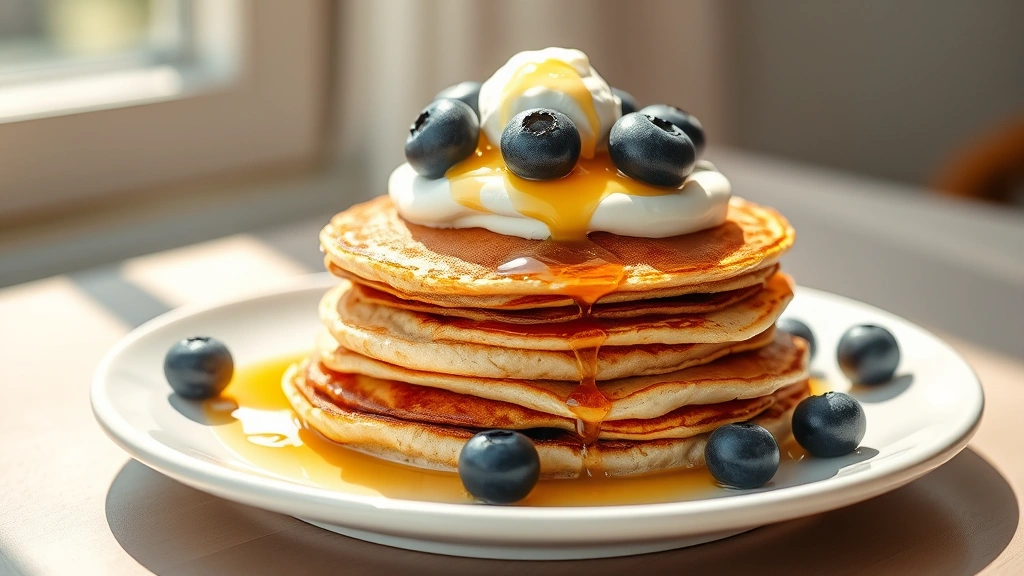
Protein powder pancakes have become a game-changer for fitness enthusiasts and busy professionals alike. They’re quick to prepare, packed with muscle-building nutrients, and surprisingly delicious when made correctly. Unlike traditional pancakes laden with refined carbohydrates, protein powder pancakes deliver sustained energy and keep you satisfied for hours. Whether you’re recovering from an intense workout or simply looking to boost your breakfast nutrition, these pancakes offer the perfect balance of taste and function.
The beauty of protein powder pancakes lies in their versatility and simplicity. With just a handful of basic ingredients—most of which you likely have in your kitchen—you can create a nutritionist-approved breakfast that tastes indulgent but fuels your body like a champion. This comprehensive guide will walk you through everything you need to know about making perfect protein pancakes every single time.
Why Protein Powder Pancakes Are a Nutritionist’s Choice
Nutritionists consistently recommend protein powder pancakes because they address several critical nutritional needs in one delicious package. When you incorporate high-quality protein powder into your breakfast, you’re essentially creating a complete meal that supports muscle recovery, maintains stable blood sugar levels, and promotes satiety. This means fewer mid-morning cravings and more sustained energy throughout your workday.
The macronutrient profile of protein powder pancakes differs dramatically from conventional breakfast options. A standard serving of traditional pancakes contains roughly 4-6 grams of protein and 40+ grams of carbohydrates. Protein powder pancakes flip this ratio, delivering 20-30 grams of protein while keeping carbohydrates moderate and manageable. This shift has profound implications for weight management, athletic performance, and overall metabolic health.
What makes nutritionists particularly enthusiastic about this recipe is the absence of artificial additives and processed ingredients. You control every component, eliminating hidden sugars and unhealthy fats found in commercial pancake mixes and processed breakfast foods. This transparency and control over ingredients align perfectly with modern nutritional science emphasizing whole-food-based approaches to wellness.
Essential Ingredients and Substitutions
Creating exceptional protein powder pancakes begins with understanding your ingredient options. The foundation consists of just five core components, though variations exist to accommodate dietary preferences and ingredient availability.
Protein Powder: The star ingredient deserves careful selection. Whey protein isolate works brilliantly for traditional pancakes, offering neutral flavor and superior mixing properties. However, plant-based alternatives like pea protein or hemp protein work equally well for those following vegan diets. Vanilla and unflavored varieties provide the most versatility, allowing you to customize sweetness and flavor profiles. Avoid heavily sweetened variants, as they can make your pancakes excessively sweet.
Eggs: These provide structure, binding, and additional protein. Use large eggs at room temperature for optimal mixing. Flax eggs (one tablespoon ground flaxseed mixed with three tablespoons water per egg) offer an excellent vegan alternative, though pancakes may be slightly denser.
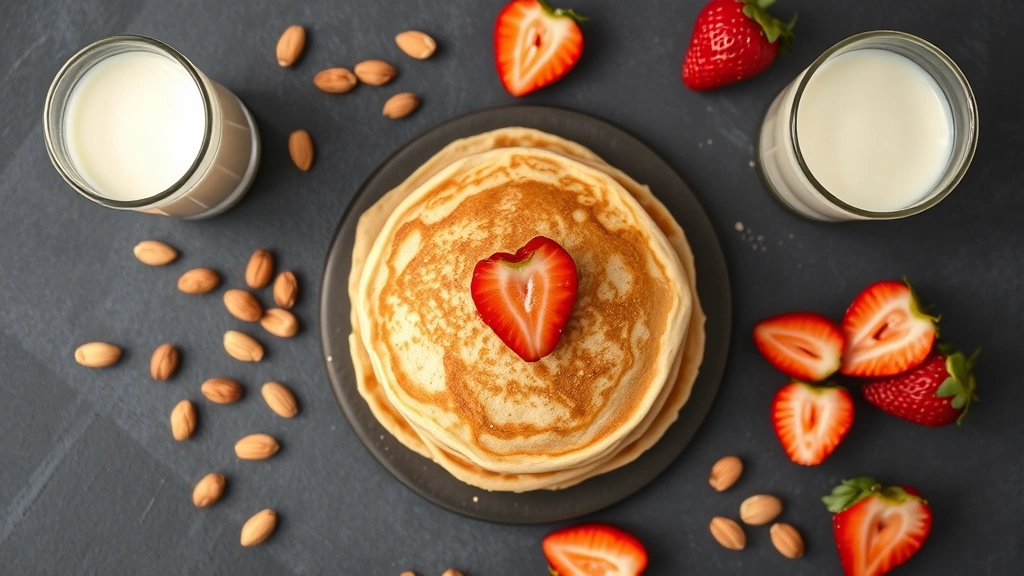
Liquid Component: Milk—whether dairy, almond, oat, or coconut—creates the proper batter consistency. Dairy milk produces the fluffiest results, but unsweetened alternatives work wonderfully and reduce calories if that’s your priority. The liquid activates leavening agents and prevents your batter from becoming too thick.
Sweetening Agent: Honey, maple syrup, or agave nectar enhance flavor without overwhelming the palate. For those tracking sugar intake, stevia or monk fruit sweetener provides zero-calorie alternatives. Start with one tablespoon and adjust based on your taste preferences.
Leavening Agents: Baking powder creates the fluffy texture characteristic of excellent pancakes. A small pinch of salt balances flavors and enhances overall taste perception. Some recipes include vanilla extract or cinnamon for depth.
For those interested in complementary breakfast components, you might explore how to make homemade sauces for drizzling over your pancakes, creating restaurant-quality presentations at home.
Step-by-Step Recipe Instructions
Basic Protein Powder Pancakes (Makes 4-6 pancakes)
Ingredients:
- 1 scoop (25-30g) vanilla protein powder
- 2 large eggs
- ½ cup unsweetened milk
- 1 tablespoon honey or maple syrup
- 1 teaspoon baking powder
- ¼ teaspoon salt
- ½ teaspoon vanilla extract
- Cooking spray or butter for the pan
Instructions:
- Combine wet ingredients: Crack eggs into a blender or mixing bowl. Add milk, honey, and vanilla extract. Blend for 15-20 seconds until thoroughly combined. This step is crucial—proper mixing prevents lumps and ensures even distribution of ingredients.
- Add dry ingredients: Sprinkle protein powder, baking powder, and salt over the wet mixture. Pulse or stir gently for 10 seconds, just until combined. Overmixing develops gluten and produces tough, rubbery pancakes. Small lumps are perfectly acceptable and will disappear during cooking.
- Rest the batter: Allow the mixture to sit for 2-3 minutes. This resting period permits the protein powder to fully hydrate and the baking powder to activate, resulting in fluffier pancakes.
- Heat your cooking surface: Preheat a non-stick skillet or griddle over medium heat. A properly heated surface is essential—too hot and pancakes burn externally while remaining raw inside; too cool and they spread excessively and cook unevenly.
- Test the temperature: Sprinkle a few water droplets on the surface. They should sizzle immediately and evaporate within 2-3 seconds. This indicates optimal cooking temperature.
- Pour batter: Lightly coat your cooking surface with cooking spray or butter. Using a ¼-cup measure or ladle, pour batter onto the griddle. Space pancakes 2-3 inches apart to prevent merging.
- First side cooking: Allow pancakes to cook undisturbed for 2-3 minutes. You’ll observe small bubbles forming on the surface and edges becoming slightly set. This visual cue indicates readiness to flip.
- Flip with confidence: Using a thin spatula, slide it completely under each pancake and flip smoothly in one quick motion. Hesitant flipping often results in pancake breakage.
- Second side cooking: Cook for an additional 1-2 minutes until the bottom achieves light golden-brown coloration. This side cooks faster than the first.
- Transfer to plate: Place finished pancakes on a plate and cover loosely with foil to retain warmth while you cook remaining batches.
Cooking Techniques for Perfect Results
Mastering protein powder pancakes requires understanding the science behind pancake cooking. Unlike standard flour-based pancakes, protein powder versions have different hydration properties and cooking characteristics that demand slight technique adjustments.
Temperature Management: Protein powder pancakes require slightly lower heat than traditional pancakes. Medium heat (rather than medium-high) prevents the exterior from browning too quickly before the interior cooks through. If your pancakes are burning on the outside while remaining pale inside, reduce heat slightly for subsequent batches.
Batter Thickness: Protein powder batter tends to be thinner than conventional pancake batter. This is normal and expected. If your batter seems excessively thin, add protein powder one tablespoon at a time rather than additional flour, which would reduce protein content and alter nutritional benefits.
The Bubble Test: Professional cooks rely on bubble formation to determine flipping time. Watch for bubbles to form across the pancake surface and edges to appear slightly set and dry. This indicates the bottom has set sufficiently to withstand flipping without tearing.
Flipping Frequency: Flip only once. Multiple flips prevent proper browning and can result in tough, dense pancakes. Trust the process—the first cook time develops structure; the second side simply finishes cooking.
Resting Time: Allow cooked pancakes to rest for 1-2 minutes on the plate. This permits internal moisture to redistribute, creating a more tender, pleasant texture. Serve immediately while still warm.
If you’re interested in exploring other protein-rich breakfast options, consider examining healthy food recipes with chicken breast for savory breakfast alternatives.
Flavor Variations and Toppings
The beauty of protein powder pancakes extends to their remarkable versatility. Once you master the basic recipe, endless flavor possibilities emerge.
Chocolate Protein Pancakes: Substitute chocolate protein powder for vanilla, reduce honey to ½ tablespoon, and add one tablespoon unsweetened cocoa powder to the dry ingredients. Top with Greek yogurt and fresh berries for a decadent yet nutritious breakfast.
Pumpkin Spice Variation: Add ¼ cup pumpkin puree to the wet ingredients, incorporate ½ teaspoon pumpkin pie spice, and reduce milk to ¼ cup. This autumn-inspired variation pairs beautifully with maple syrup and pecans.
Berry-Infused Pancakes: Blend ½ cup fresh or frozen berries into the batter. Strawberry, blueberry, and raspberry all work wonderfully. The natural pectin in berries adds structure while providing antioxidants.
Almond Butter Pancakes: Stir two tablespoons natural almond butter into the wet ingredients. This addition creates an incredibly satisfying, creamy texture and adds healthy monounsaturated fats that enhance nutrient absorption.
Topping Recommendations: Elevate your protein pancakes with thoughtful toppings. Greek yogurt provides additional protein and creaminess. Fresh fruit—berries, sliced bananas, or diced mango—adds vitamins and fiber. Nuts and seeds (almonds, walnuts, hemp seeds) contribute healthy fats and textural contrast. A drizzle of natural almond butter or tahini adds richness and satiety. For those with a sweet tooth, a modest amount of pure maple syrup or honey completes the plate.
For creative topping ideas, explore how to make homemade salad dressings adapted as drizzles—citrus vinaigrettes and tahini-based sauces work surprisingly well with protein pancakes.
Nutritional Benefits Breakdown
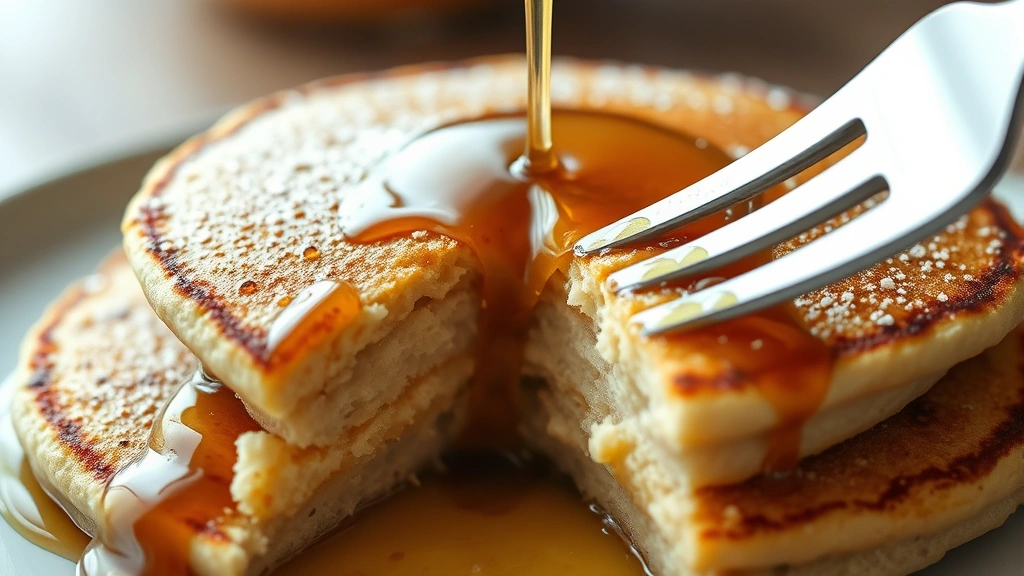
Understanding the nutritional architecture of protein powder pancakes helps you appreciate why nutritionists endorse this breakfast option so enthusiastically.
Protein Content: A single serving delivers 20-30 grams of complete protein, depending on your powder selection. This substantial protein intake triggers satiety hormones, reducing overall calorie consumption throughout the day. Research from The Institute of Food Technologists demonstrates that high-protein breakfasts reduce subsequent snacking by up to 40%.
Amino Acid Profile: Quality protein powders contain all nine essential amino acids your body cannot manufacture independently. These amino acids support muscle protein synthesis, immune function, and neurotransmitter production. Leucine, one specific amino acid abundant in protein powder, activates mTOR pathways crucial for muscle adaptation and growth.
Glycemic Impact: Protein and fat slow carbohydrate digestion, resulting in gradual glucose elevation rather than rapid blood sugar spikes. This stability prevents the energy crashes and hunger surges associated with refined carbohydrate breakfasts. For individuals managing diabetes or prediabetes, this metabolic advantage proves particularly valuable.
Micronutrient Contributions: Eggs contribute choline (essential for brain health), lutein (supports eye health), and selenium (powerful antioxidant). Milk provides calcium, vitamin D, and additional B vitamins. Together, these components create a micronutrient-dense breakfast supporting comprehensive health.
Satiety and Weight Management: The combination of protein, fat, and moderate carbohydrates creates exceptional satiety. Studies published in the Nutrition Journal show that high-protein breakfasts reduce overall daily calorie intake, supporting sustainable weight management without deprivation.
Typical Nutritional Profile (Per Serving): Calories: 180-220, Protein: 25-30g, Carbohydrates: 12-15g, Fat: 5-7g, Fiber: 0-2g. These numbers vary based on specific ingredients and portion sizes but demonstrate the favorable macronutrient distribution supporting fitness and health goals.
Storage and Make-Ahead Tips
Protein powder pancakes adapt beautifully to meal preparation strategies, making them perfect for busy individuals committed to consistent nutrition.
Refrigerator Storage: Cooked pancakes keep refrigerated in an airtight container for up to four days. Layer parchment paper between pancakes to prevent sticking. Reheat in a toaster oven at 350°F for 5-7 minutes, restoring crispness without drying out the interior.
Freezer Storage: Freeze cooked pancakes individually on a baking sheet, then transfer to freezer bags for long-term storage (up to three months). This strategy enables grabbing individual pancakes for quick breakfasts. Reheat frozen pancakes in a toaster oven or microwave. Toaster oven reheating (5-8 minutes at 350°F) preserves texture better than microwave reheating.
Batter Preparation: You can prepare batter in advance, storing it in the refrigerator for up to 24 hours. However, batter quality deteriorates slightly as the protein powder continues hydrating. For optimal results, prepare batter immediately before cooking.
Batch Cooking Strategy: Dedicate one hour on Sunday to prepare 12-16 pancakes. Portion them into individual containers, creating grab-and-go breakfasts for the entire week. This approach eliminates morning cooking stress while ensuring consistent protein intake.
Topping Storage: Prepare toppings in advance as well. Portion Greek yogurt into small containers, chop fresh fruit, and store nuts in sealed containers. This preparation removes barriers to consuming your pancakes with optimal nutrition.
For those exploring additional make-ahead breakfast options, examine easy homemade bread recipes that complement protein pancakes in a weekly meal plan.
FAQ
Can I make protein powder pancakes without eggs?
Yes, absolutely. Replace each egg with one tablespoon ground flaxseed mixed with three tablespoons water. Allow this mixture to sit for 5 minutes before adding to other ingredients. The resulting pancakes will be slightly denser but still delicious and protein-rich. Alternatively, use commercial egg replacers following package instructions.
What’s the best protein powder for pancakes?
Vanilla whey protein isolate produces the fluffiest, most traditional pancakes. For plant-based options, pea protein or hemp protein work excellently. Avoid flavored powders with artificial sweeteners, which can create bitter aftertastes. Unflavored protein powder offers maximum flexibility for flavor customization.
Why are my pancakes dense and rubbery?
Overmixing is the primary culprit. Stir just until combined—small lumps are acceptable. Additionally, ensure your baking powder is fresh (replace annually) and that you’re using proper heat. Medium heat prevents over-cooking, which causes density.
Can I add Greek yogurt to the batter?
Definitely. Replace ¼ cup milk with ¼ cup plain Greek yogurt for added protein and creaminess. This substitution increases protein content to 35-40 grams per serving while maintaining excellent texture.
Are protein powder pancakes suitable for children?
Yes, protein powder pancakes make excellent children’s breakfast options. Reduce portion sizes appropriately and select kid-friendly flavors like chocolate or vanilla. Consult with your pediatrician regarding protein powder selection and quantity for your specific child.
How do I prevent pancakes from sticking?
Use a non-stick skillet or griddle and ensure the surface is properly heated before cooking. Apply a light coating of cooking spray or butter before each batch. Avoid excessive flipping, which damages the non-stick surface and promotes sticking.
Can I use plant-based milk exclusively?
Yes, unsweetened almond, oat, or coconut milk work perfectly. Oat milk produces slightly fluffier results due to its natural creaminess. Avoid sweetened varieties, which can make pancakes excessively sweet.


